Shipping a Motorcycle: What Actually Matters
A motorcycle does not travel like a small car, it travels like awkward freight, and the difference is that it cannot stand up by itself. Everything that matters follows from that: how it is restrained, what it sits on, and whether the tie-down points are the ones the manufacturer intended. Most transit damage to bikes comes from securement rather than from the road, which is why the questions worth asking are about straps and chocks rather than about trucks.
The Three Ways a Bike Travels
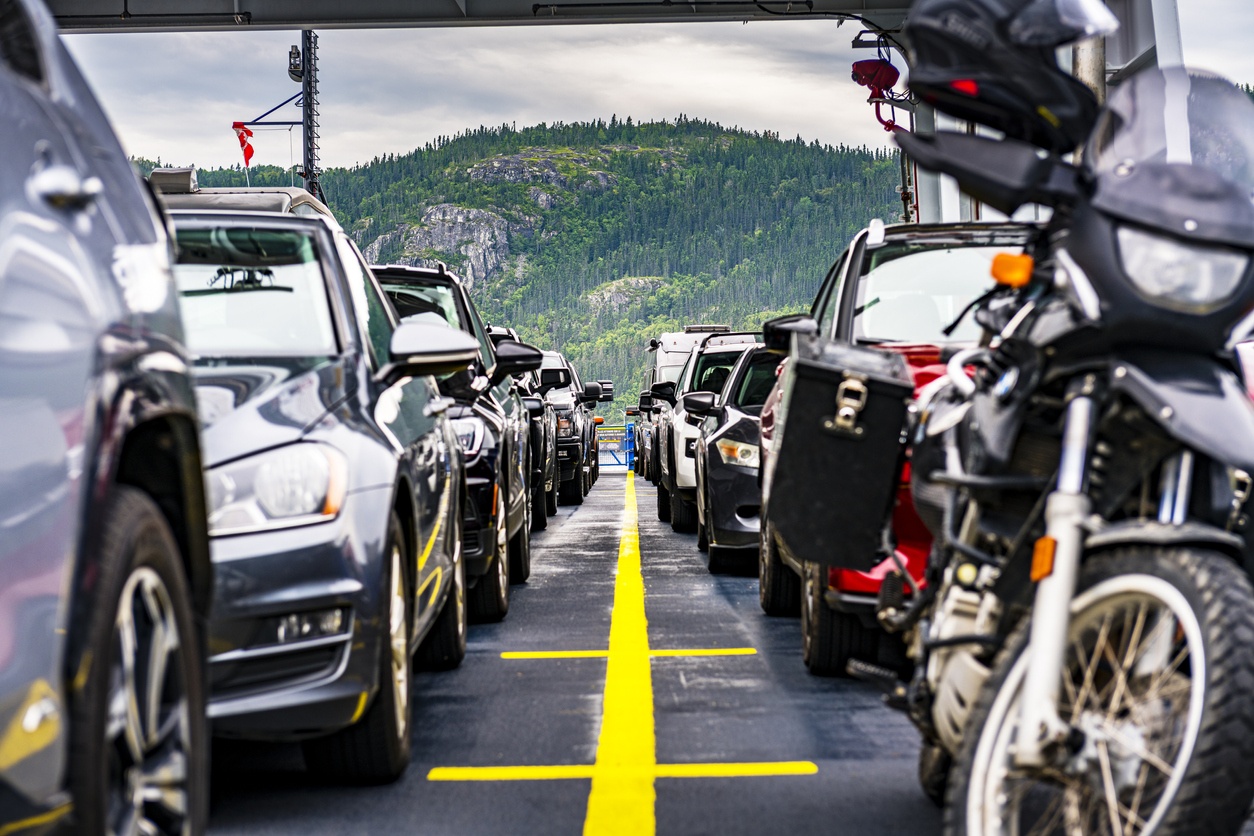
For a bike of any real value, enclosed is the sensible default. Unlike a car, a motorcycle has no bodywork protecting its mechanical parts, so road debris and salt reach things that matter. The premium over open is modest against that exposure.
Securement Is Where Damage Happens
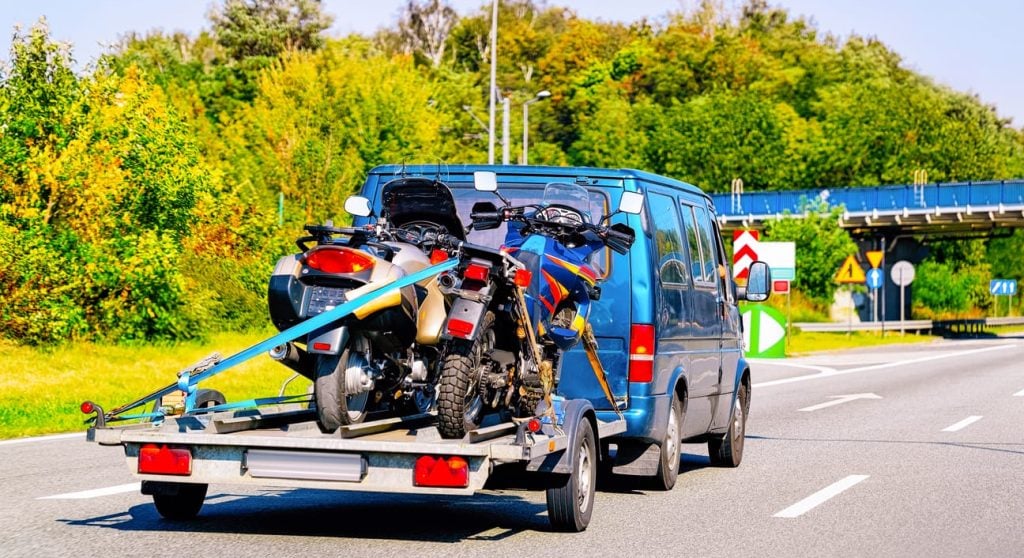
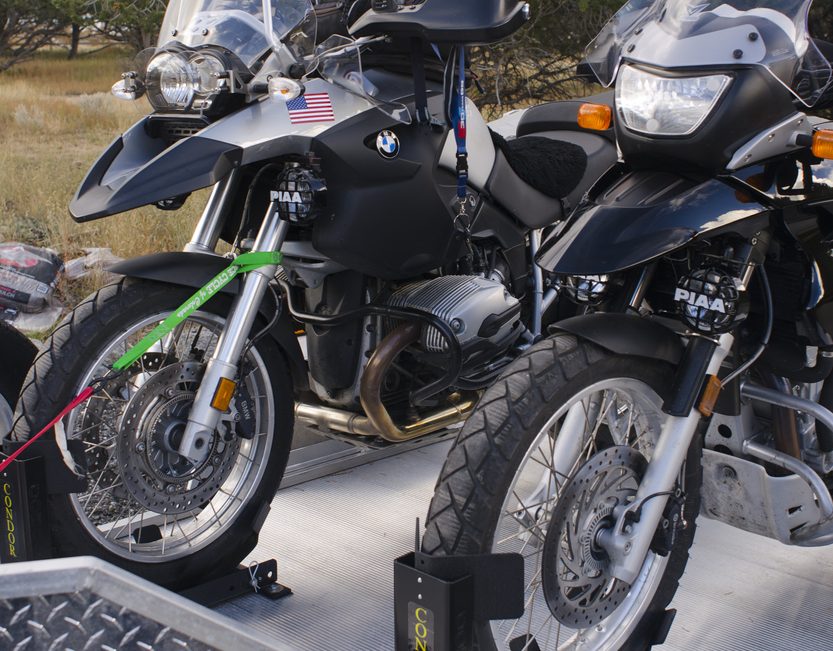
Ask how the bike will be restrained. A competent answer includes a front wheel chock and soft straps at manufacturer-designated points, with the suspension compressed slightly so the bike cannot bounce loose but not so hard that fork seals are stressed for days.
What you do not want is straps over painted bodywork, around handlebars in a way that loads the steering stem, or attached to anything plastic. Handlebar risers, mirrors and fairings are not structural, and a strap that seems fine in the yard will work at those points over a thousand miles of vibration.
If your bike has an unusual frame, aftermarket bodywork or a full fairing, say so. It changes where straps can safely go.
Preparing the Bike
- Wash it and photograph everything in daylight, including the tank, fairings, wheels, exhaust and the odometer. Scratches on a bike are easy to miss and easy to dispute.
- Fold in the mirrors or remove them, and remove anything that unclips: screens, top boxes, panniers, GPS mounts and loose luggage.
- Reduce fuel to a low level. It is weight, and on some transport it is a requirement rather than a preference.
- Disconnect or tender the battery if the bike will be in transit or storage for an extended period.
- Check tire pressures. A soft tire in a chock allows movement the securement was not planned around.
- Note any leaks honestly. A bike that marks a trailer floor affects other cargo, and carriers will refuse a load rather than take that on.
- Disable the alarm or tell the driver how, since one going off inside a sealed trailer for days flattens the battery and irritates everyone.

Crating, and When It Is Worth It
Crating means building a wooden frame around the bike, usually with the front wheel removed and the machine bolted to a pallet. It is the most protective option and the most expensive, and it is standard for overseas shipment because a crate handles being lifted, stacked and moved by forklift in ways a strapped bike does not.
Domestically it is rarely necessary. The exceptions are genuinely rare or vintage machines, bikes going into long storage at the far end, and anything traveling by air. If someone recommends crating for a routine domestic move of an ordinary bike, ask what specifically it protects against.
What It Costs
Motorcycles cost less than cars to move because they take less space, but not proportionally less, since the handling work is similar. Across the motorcycle moves in our own book since 2023 the middle half was $650 to $950: open transport ran $500 to $650 and enclosed $700 to $1,100. Most riders book enclosed.
Two things move that. A large touring bike with hard luggage takes considerably more room than a sport bike. And a bike that does not run needs to be pushed or winched aboard rather than ridden, which takes two people and adds to the price.
Non-Running Bikes and Projects
Plenty of shipped motorcycles are projects, and that is fine as long as everyone knows. A bike that cannot roll is a different job again from one that rolls but does not start: if the wheels do not turn, or the forks are off, it effectively becomes crated or palletized freight.
Be specific when quoting. “Not running” covers everything from a flat battery to a frame with an engine in a crate beside it, and those need completely different equipment.
At Pickup and Delivery
The condition report matters more on a bike than on a car, because there is more exposed surface and less that hides a mark. Walk the machine with the driver, get existing damage written down, and keep your own photographs.
At delivery, inspect before signing. Check the tank and fairings at eye level, look at the wheel rims and the exhaust, and start it if you can. Note anything on the bill of lading while the driver is present, because signing a clean report is your acknowledgment that it arrived as it left.
Common Questions
Open or enclosed? Enclosed for anything of value. A motorcycle has no bodywork shielding its mechanicals, so exposure reaches parts that matter.
How much does it cost? Across our motorcycle moves since 2023 the middle half ran $650 to $950: open transport ran $500 to $650 and enclosed $700 to $1,100.
Does it need crating? For overseas shipment, effectively yes. Domestically only for rare, vintage or non-rolling machines.
Can you ship a bike that does not run? Yes. Say whether it rolls, because a rolling bike and a stripped frame need different handling.
Should I drain the fuel? Reduce it rather than drain it for domestic road transport. Overseas and air shipment have stricter requirements.
Get a Quote
Call Ship A Car, Inc. at (866) 821-4555 with the make, model and whether it runs and rolls, or read more about motorcycle transport.