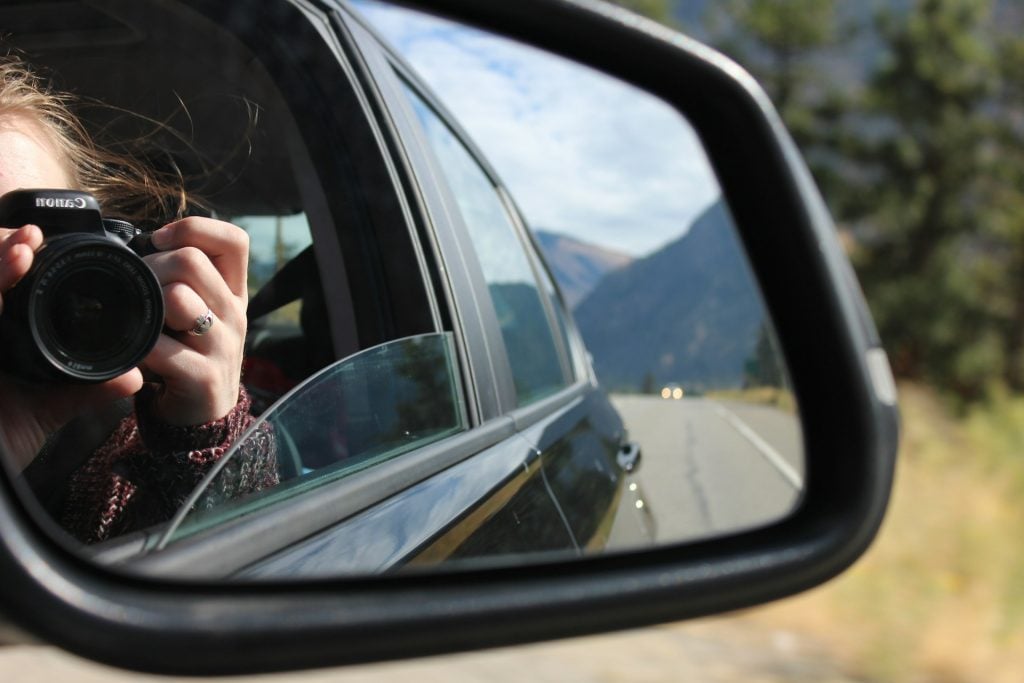
Preventing Road Rage and Why a Dash Cam Is Worth Having
Most road rage incidents are not fights; they are one driver escalating and another choosing whether to escalate back. That second choice is entirely yours, and it is where the whole thing is decided. A dash cam sits behind that as the thing that settles what actually happened, which matters far beyond road rage.
What Actually Triggers It
The behaviors that provoke are consistent and mostly minor: cutting in without room, following too closely, drifting between lanes while distracted, sitting in the passing lane, failing to signal, and blocking a merge.
Almost none of these are deliberate aggression. They are inattention, unfamiliarity with a road, or someone under time pressure. Understanding that is useful, because it makes it easier not to read every mistake as an insult.
The conditions that amplify it are equally predictable: congestion, heat, running late, and anonymity. People behave differently toward a windshield than toward a face.
Not Escalating Is the Whole Technique
Practical and unglamorous, and it works.
Do not return the gesture. Do not make eye contact with an aggressive driver. Do not brake-check somebody following too closely, which is the single most dangerous response available and shifts fault toward you.
Create space instead. Slow slightly and let them past. Change lanes and let them go. If someone is genuinely following you, do not drive home; drive to a populated public place, and call the police rather than getting out.
And handle your own side. Leaving a few minutes earlier removes most of the time pressure that makes people drive badly. Signaling clearly, not sitting in the passing lane and leaving a proper following distance removes most of what provokes others.
Why a Dash Cam Changes the Situation
A camera does not stop anyone being aggressive. What it does is remove the argument afterward.
In a collision, fault is frequently decided on two conflicting accounts and whatever physical evidence exists. Footage settles it. That matters for your insurance claim, for your premium, and occasionally for whether you are charged with something.
It is also the practical answer to insurance fraud, particularly staged rear-end and swoop-and-stop collisions, which depend entirely on the other party’s account being unchallenged.
And in a road rage incident that goes beyond driving, footage plus a plate number is what a police report needs to be actionable.
What the Footage Is Actually Worth
It is worth being realistic about how the evidence gets used, because people buy a camera expecting one thing and find another.
In an insurance claim, clear footage of a collision usually resolves fault quickly, and that is the main return on the purchase. It shortens the process, protects a no-fault record and removes the situation where two accounts cancel each other out and both parties are held partly liable.
In a criminal or traffic matter it is more variable. Police will generally accept footage, but whether anything follows depends on what it shows and on local practice. Footage of aggressive driving without a collision frequently produces no action, which is disappointing but not a reason to skip the camera.
What consistently does not work is confronting the other driver with the fact that you are recording. It is an escalation, and it turns a driving incident into a personal one. Record, keep your distance, and let the file do the work later.
Keep the footage properly, too. Files loop and overwrite, so download anything you may need the same day and back it up somewhere other than the memory card. A great many people discover an incident was recorded and then lost it a week later.
Choosing One
The specifications that actually matter are fewer than the marketing suggests.
Resolution enough to read a plate. 1080p is the practical minimum; 1440p or 4K gives more margin, particularly at an angle or in poor light.
Low-light performance, because a meaningful share of incidents happen at night and a camera that produces unreadable footage after dark is half a camera.
Loop recording with incident lock, so the file is preserved automatically when the accelerometer detects an impact rather than being overwritten.
A rear camera if you can, since rear-end collisions and tailgating are exactly what you want recorded.
Parking mode for hit-and-run damage while stationary, which requires hardwiring rather than the cigarette socket.
Heat is the practical enemy. A camera on a windshield in an Arizona summer gets extremely hot, so choose one rated for it and use a supercapacitor model rather than a lithium battery if the car parks outside in a hot climate.
The Legal Part
Two things to check rather than assume.
Windshield mounting rules vary by state, with restrictions on where a device may obstruct the driver’s view. Behind the mirror is generally the safe position.
Audio recording is regulated separately from video. Some states require all-party consent for recording conversations, which can apply to passengers. Many cameras let you disable audio, and if you are unsure, that is the conservative setting.
Why This Matters When You Ship a Car
A specific and useful overlap.
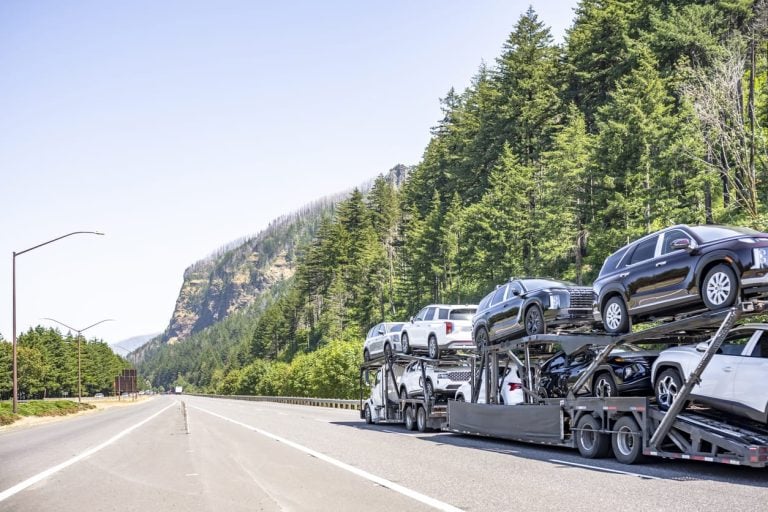
The same instinct that makes a dash cam worth having, documenting condition before there is a dispute, is exactly what protects you in vehicle transport. Photograph every panel in daylight before the carrier arrives, including the wheels, the lower bumpers and the rocker panels, and photograph the odometer.
At delivery, inspect before signing and compare against those photographs. Note anything unexpected on the bill of lading while the driver is still present, because a signature on clean paperwork makes a later claim very difficult.
If you are shipping the car with a hardwired dash cam fitted, tell the carrier, and consider disabling parking mode so it does not drain the battery over several days on a trailer. Our guide to what car shipping insurance actually covers explains what the condition report has to do.
Common Questions
What is the most dangerous response to a tailgater? Brake-checking. It is the single worst option and it shifts fault toward you.
What should I do if someone follows me? Do not drive home. Drive to a populated public place and call the police without getting out.
What resolution do I need? Enough to read a plate. 1080p is the minimum; higher gives margin at angles and in poor light.
Is audio recording legal? It is regulated separately from video and varies by state. Disabling audio is the conservative setting.
Should I leave a dash cam fitted when shipping? Tell the carrier, and disable parking mode so it does not drain the battery over several days.
Get a Quote
Call Ship A Car, Inc. at (866) 821-4555 with both zip codes and your date range, or request an estimate for the move through the quote calculator.