How to Get Better Freight Rates
Freight rates are set by supply and demand on a specific lane on a specific day, and almost everything a shipper can do to lower them comes down to making a load easier to cover. Carriers price risk, dwell time and hassle as much as miles. A shipper who removes those three things gets better rates than one who negotiates harder on the same difficult freight.
What Actually Sets the Rate
Five things do most of the work, and only one of them is negotiation.
Lane balance is the largest. A lane with plenty of freight in both directions prices well, because the carrier has a load out. A lane into an area with little outbound freight prices badly, because somebody has to pay for the empty miles back. This is why the same distance can cost very different amounts in each direction.
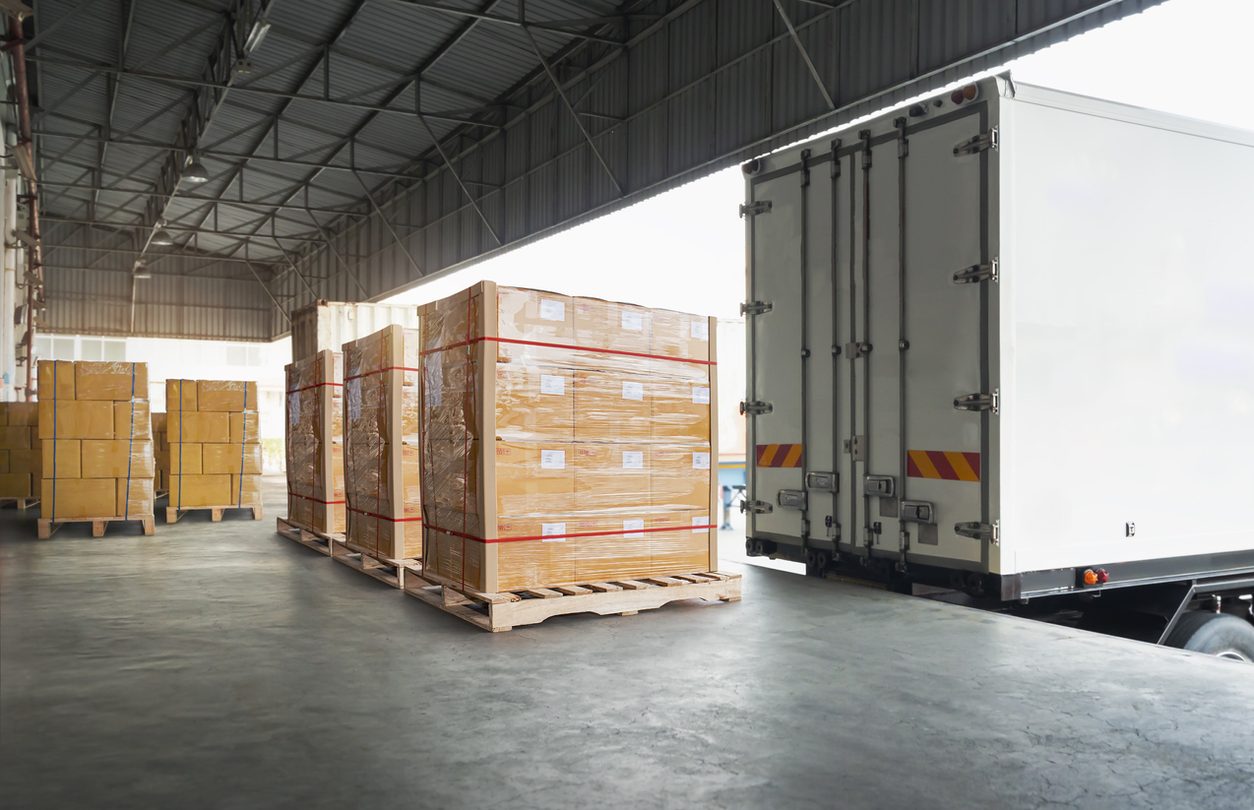
Equipment type is second: dry van is the most plentiful, reefer costs more, flatbed and specialized cost more again because there are fewer of them.
Then seasonality, fuel, and finally the specific characteristics of your freight and your facility.
Notice that four of those five are structural. Understanding them tells you which parts of your cost you can actually influence.
Be Easy to Load and Unload
This is the largest lever most shippers never pull, and it costs nothing.
Detention is what carriers fear. A driver held for hours at a dock is a driver burning hours of service that cannot be recovered, and carriers price known-slow facilities accordingly. If your dock turns trucks in under an hour, say so, and let your performance be known.
Flexible appointment windows help enormously. A load that can be picked up across a two day window is far easier to cover than one with a single two hour slot, and the difference shows up in the rate you are quoted.
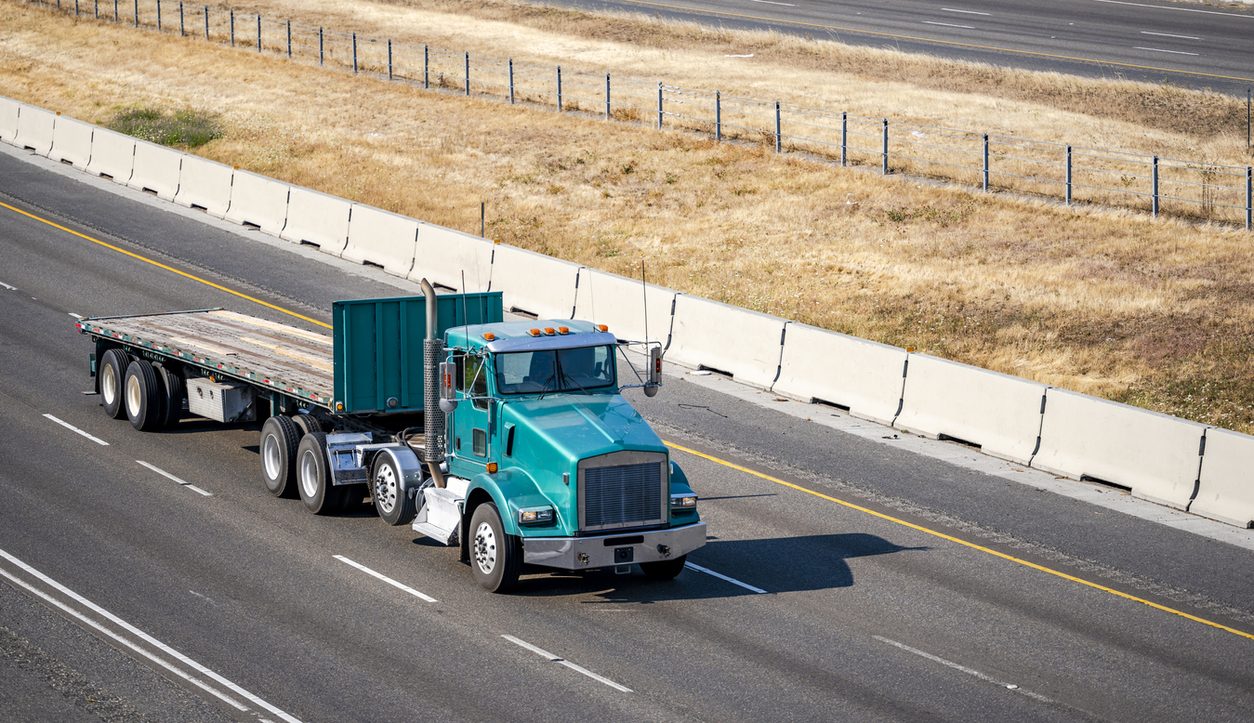
Drop trailer programs, where the carrier leaves a trailer to be loaded and collects it later, remove dwell entirely for regular volume. They require yard space and a committed relationship, and where both exist they are among the most effective cost measures available.
Book Earlier Than You Think
Spot market pricing rewards notice and punishes urgency.
A load posted with several days of lead time reaches carriers who can plan it into an existing route. The same load posted for tomorrow reaches only carriers who happen to be empty nearby, and that is a much smaller pool at a much higher price.
Where volume is predictable, contract rates provide stability at the cost of flexibility, and most shippers of any size use a blend: contracted capacity for the base and the spot market for the peaks.
Understand the Seasons on Your Lane
Freight is seasonal and the pattern is consistent enough to plan around.
Produce season in spring pulls reefer capacity toward growing regions and tightens dry van as a side effect. Retail build up from late summer through the fall peak absorbs capacity broadly. The weeks around major holidays are tight in both directions, and the start of a quarter is generally busier than the middle.
Where you have any control over timing, moving freight into the quieter windows is worth real money. Where you have none, at least book earlier during the tight ones.
Give Accurate Information
This sounds obvious and it is the most common cause of a rate that changes after booking.
Weight, dimensions, commodity, pallet count, and whether the load is stackable all determine what equipment fits and how much else can travel with it. A load described as lighter or smaller than it is will be repriced at the dock, and a carrier who has been caught out once prices your freight defensively afterward.

Accessorial requirements matter as much: liftgate, inside delivery, residential address, limited access site, appointment scheduling. Each is a real cost and each is cheaper disclosed than discovered.
Fuel Surcharges Are Not Negotiable, and That Is Fine
Almost every freight rate is quoted as a base rate plus a fuel surcharge, and shippers new to this often try to negotiate the wrong half.
The surcharge is normally indexed to the Department of Energy’s published diesel price and moves weekly. It exists so that neither party is betting on fuel prices, and a carrier who agreed to absorb fuel risk would simply build a larger margin into the base rate to cover it.
Negotiate the base rate and the accessorial schedule, and treat the surcharge as a pass through. What is worth checking is the mechanism: which index it follows, how often it updates and at what mileage assumption. Two quotes with the same base rate can differ meaningfully once their surcharge formulas are applied.
Consolidate Where You Can
The pricing structure rewards volume in specific ways.
Less than truckload pricing is based on freight class, weight and distance, and it is efficient for small shipments. Past roughly six to twelve pallets, depending on weight, a full truckload frequently costs less per unit and involves far less handling, which also means less damage.
Where you ship regularly to the same region, consolidating several small shipments into one truckload is usually cheaper than the sum of the parts. Partial truckload sits between the two and is worth pricing on awkward volumes.
Build Relationships, Not Just Bids
Rebidding everything every quarter looks disciplined and frequently costs more than it saves.
Carriers give their best capacity to shippers who pay promptly, load quickly, communicate clearly and provide consistent volume. That is worth more in a tight market than a few percent on a bid, because in a tight market the question stops being price and becomes whether a truck shows up at all.
A broker earns its place here by covering lanes you do not have direct relationships on, and by finding carriers already running your route. Our guide to checking a company’s authority covers how to verify whoever you work with.
Common Questions
What is the single biggest factor in a freight rate? Lane balance. Freight moving into an area with little outbound volume pays for the empty miles back.
Does booking earlier really cost less? Yes. Notice lets a carrier plan your load into an existing route. Urgency limits you to whoever happens to be empty nearby.
Why does detention matter to my rate? A driver held at a dock loses hours of service that cannot be recovered. Facilities known for slow turns get priced accordingly.
When should I switch from LTL to truckload? Typically past six to twelve pallets depending on weight. It is often cheaper per unit and involves much less handling.
Is rebidding every quarter a good strategy? Rarely. Consistent volume and fast loading buy you capacity in tight markets, which is worth more than a small rate difference.
Get a Quote
Call Ship A Car, Inc. at (866) 452-3657 for freight with the commodity, weight, dimensions, both zip codes and your loading windows, or price it with the specialized transport calculator.