How to Ship a Motorcycle Safely
Most motorcycle transit damage happens in the first ten feet and the last ten feet, not on the highway. Loading and securing are where bikes get dropped, scratched and strained, which is why how the bike will be tied down is the single most useful question you can ask a carrier before booking.
Ask How It Will Be Secured
A motorcycle does not stand up by itself, and everything about safe transport follows from that.
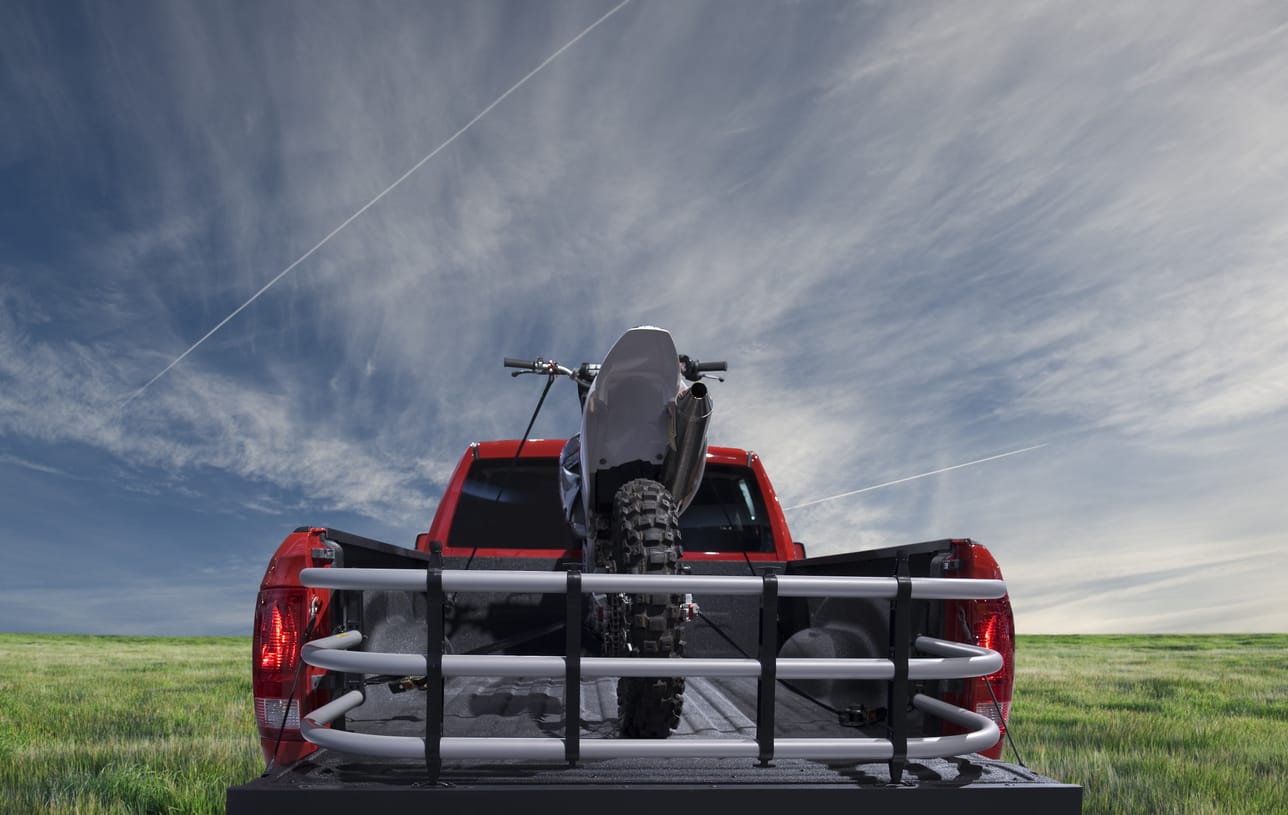
The right method is a wheel chock or cradle that holds the front wheel and keeps the bike upright, with soft straps over the handlebars or triple clamp, and additional straps at the rear. The suspension should be compressed slightly so the bike is loaded against its own springs rather than bouncing free.
What you do not want is chains, ratchet straps directly on painted or polished parts, or a bike held up only by its side stand. A strap on the wrong part of a fork leg bends it; a strap over a fairing cracks it.
Ask the question directly. A carrier who moves bikes regularly will describe chocks and soft straps without hesitation, and one who says the bike will be fine on the trailer is telling you something useful.
Open, Enclosed or Crated
Motorcycles differ from cars here, and enclosed is the usual answer rather than the premium one.
A bike has no bodywork protecting its mechanical parts. Road grit, rain and debris hit the engine, chrome, wheels and paint directly, and a bike on an open trailer for several days arrives dirty at best and stone chipped at worst.
Crating gives the best protection available: the bike is built into a wooden frame, which is what dealers and manufacturers use. It costs more because somebody has to build the crate and the crate takes space, and it suits a very high value or vintage machine.
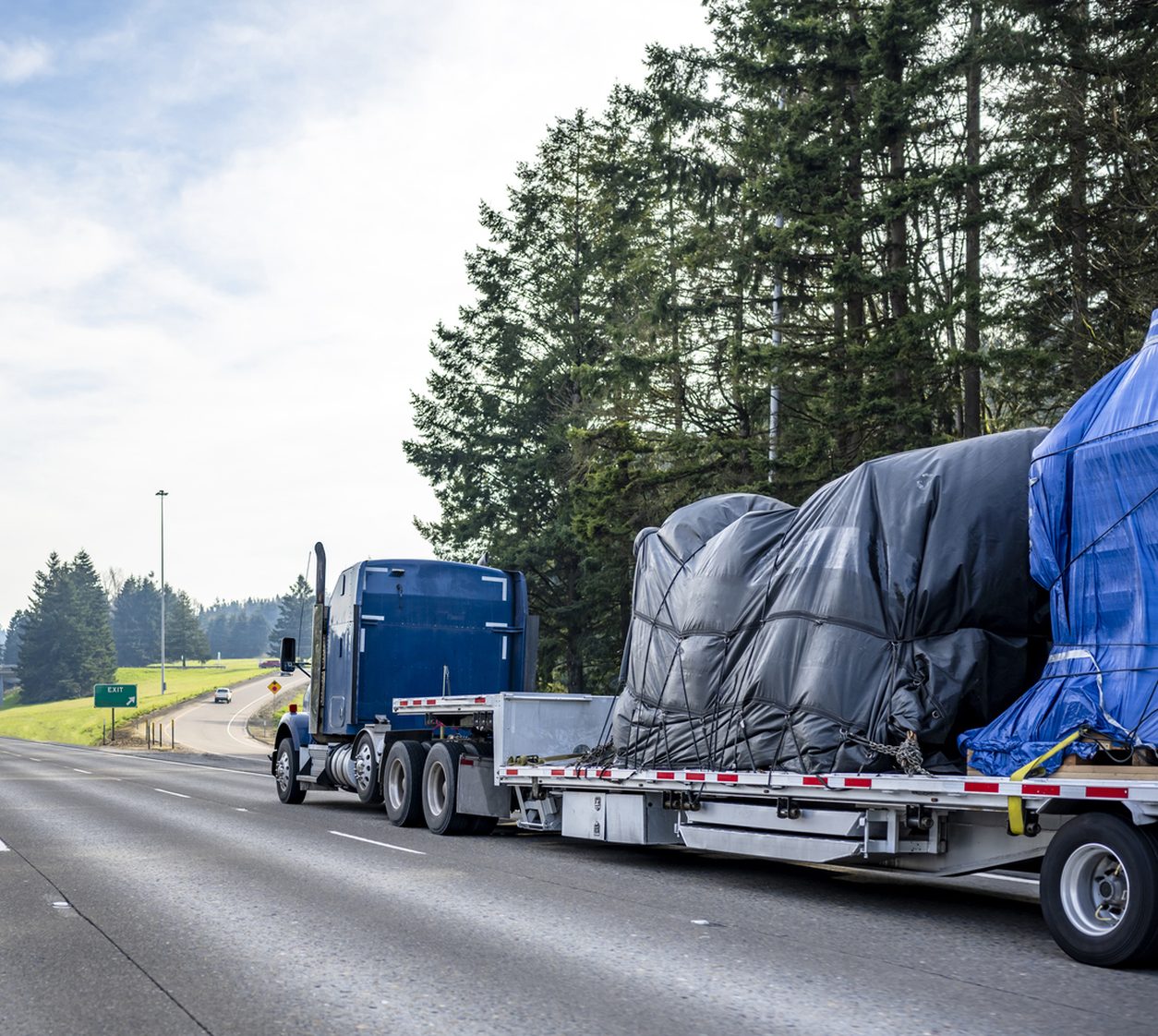
Open transport is cheaper and reasonable for a workhorse bike on a short move, particularly if it travels on a pallet.
Preparing the Bike
Wash it so existing marks are visible, then photograph it from every angle in daylight: the tank, the fairings, the exhaust, the wheels, any chrome, and the odometer. That set of photographs is what settles a dispute.
Run the fuel low, around a quarter tank or less, and make sure nothing is leaking. Do not drain the tank completely; a small amount of fuel is normal and expected, and an empty tank can invite condensation.
Fold or remove mirrors and anything that protrudes, since those are what catch during loading. Remove the windshield if it detaches easily and flexes, and take off saddlebags, top boxes, and loose accessories.
Disable the alarm, disconnect the battery if the carrier asks, and check tire pressures, because a soft tire makes a bike much harder to secure properly. Point out the correct tie down points explicitly rather than assuming they are obvious.
Insurance and What It Actually Covers
Ask about cargo insurance specifically, because motorcycles sit in an awkward place in most policies.
Every carrier moving vehicles interstate holds cargo insurance, and it covers damage while the bike is in their custody. What varies is the per-vehicle limit, and on a motorcycle that figure is worth checking rather than assuming, because a limit set with ordinary cars in mind can sit below what a well specified bike is worth.
Ask for the certificate of insurance and look at the per-vehicle figure against the real value of your machine. If there is a gap, close it before the bike moves rather than after something happens. For a genuinely valuable or vintage bike, agreed-value cover removes the argument about worth entirely, which is usually the part that gets disputed.
Keep your own policy active for the whole period as well. Cargo insurance covers transit; it does not cover the bike once you are riding it again, and a lapse in coverage to save a few weeks of premium is a false economy on an expensive machine.
Tell the Driver What They Need to Know
A driver who has never handled your particular bike needs a few things said out loud.
A hidden kill switch. A choke or fuel tap that has to be set. A clutch with an unusual bite. A bike that will not roll backwards easily. A sidecar or trike that changes how it is chocked entirely.
None of that is unusual and all of it is easily accommodated when it is known in advance. What causes damage is a driver improvising with a machine they do not understand.
What It Costs and When to Book
Distance sets the base, then the transport type, the size of the bike and the season.
Enclosed costs more than open. A full dress tourer or a trike takes more space than a standard motorcycle. Several bikes traveling together is the cheapest way per bike, which is why riding groups frequently share a trailer.
Rally season, from spring through early autumn, is when motorcycle capacity tightens. Book six to eight weeks ahead for the largest events and four to six for the others; outside the season one to two weeks is usually enough. Our guide to transporting a motorcycle across country covers the service in more detail.
At Delivery
Inspect before you sign, in daylight if you can. Compare against your photographs and write any discrepancy onto the bill of lading while the driver is still present, because a signature without notes accepts the condition as recorded.
Check the things that show handling damage first: the tank sides, the fork legs, the exhaust, the mirror mounts and the underside of the fairing. If the bike arrives after dark or in rain, write on the paperwork that a full inspection was not possible before signing.
Common Questions
How should a motorcycle be secured? Upright in a wheel chock or cradle with soft straps at proper tie down points, suspension slightly compressed. Not chains, and not on the side stand.
Open or enclosed? Enclosed is the usual choice, because a bike has no bodywork shielding its mechanical parts from road grit and weather.
Should I drain the fuel? No. Run it low, around a quarter tank, and make sure nothing is leaking.
Is crating worth it? For a very high value or vintage machine, yes. It is the best protection available and it is what manufacturers use.
How far ahead should I book? One to two weeks outside rally season, four to eight weeks around the major events.
Get a Quote
Call Ship A Car, Inc. at (866) 821-4555 with both zip codes, the make and model of the bike and whether you want open, enclosed or crated, or price the move with the instant calculator.