How to Ship a Subaru Forester
A Forester ships on a standard open carrier at ordinary compact SUV rates, and nothing about it complicates transport. It is within normal dimensions, it drives onto a trailer like any other vehicle, and it costs a modest step above a sedan on the same route. There is one thing worth measuring before you quote: if yours carries a roof rack, a lift kit or oversized tires, the added height can change which carrier can take it and what it costs. Everything else is routine.
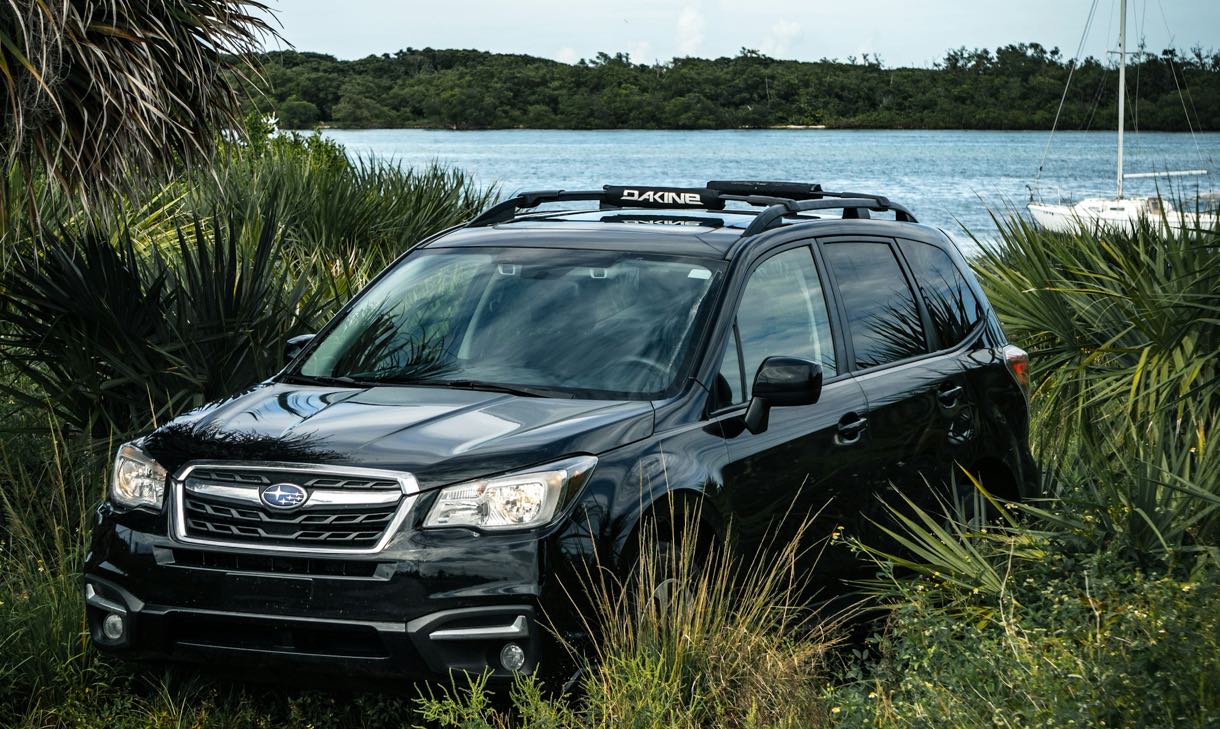
Measure It If It Is Modified
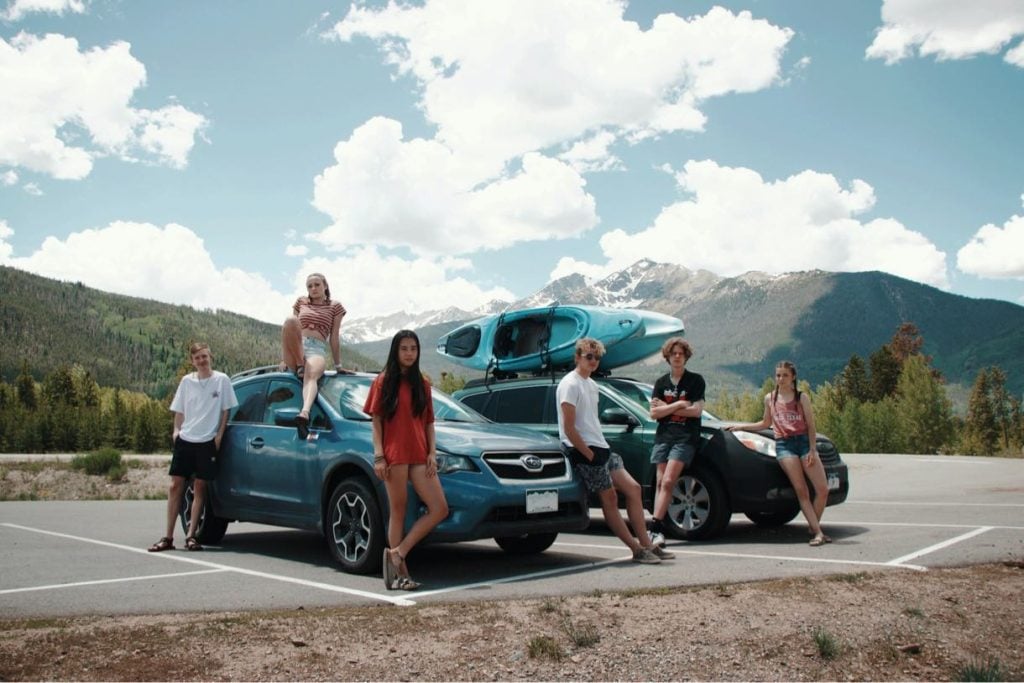
A stock Forester sits comfortably within the height a carrier plans for. The moment you add a roof basket, a rooftop tent, a two inch lift or larger tires, that stops being automatic.
Carriers load two levels of vehicles, and the space above each slot is finite. A Forester that is four inches taller than expected can mean the driver has to rearrange the load or, occasionally, cannot take it at all. That is a wasted trip for both of you and a rescheduled pickup for you.
Measure to the highest fixed point, including any rack, and give that number when you book. If the rack comes off easily, taking it off is usually the cheaper choice, and it removes the question entirely.
What It Costs
Across the 20 Subaru Forester moves in our own book since 2023, the middle half ran $1,050 to $1,750. The figures below are planning estimates for a lane rather than for this car in particular.
Open transport ranges for a Forester, which as a compact SUV runs roughly 10 percent above a compact sedan on the same lane.
Enclosed transport adds about a third, and a vehicle that will not start or roll adds roughly $100 to $250 for winching.
All Wheel Drive Matters Only If It Will Not Start
Every Forester sold in the United States has symmetrical all wheel drive, and for a running car that changes nothing at all. It is driven onto the carrier and strapped down like anything else.
It matters when the car does not run. An all wheel drive vehicle cannot be towed with two wheels on the ground, because that turns the driveline with no engine to match it and risks damage to the transfer case and differentials. A Forester that will not start has to be winched onto the deck with all four wheels on the trailer.
Say so up front, and say whether it rolls and steers as well as whether it starts. Those are separate questions and they change the equipment sent.
Open or Enclosed
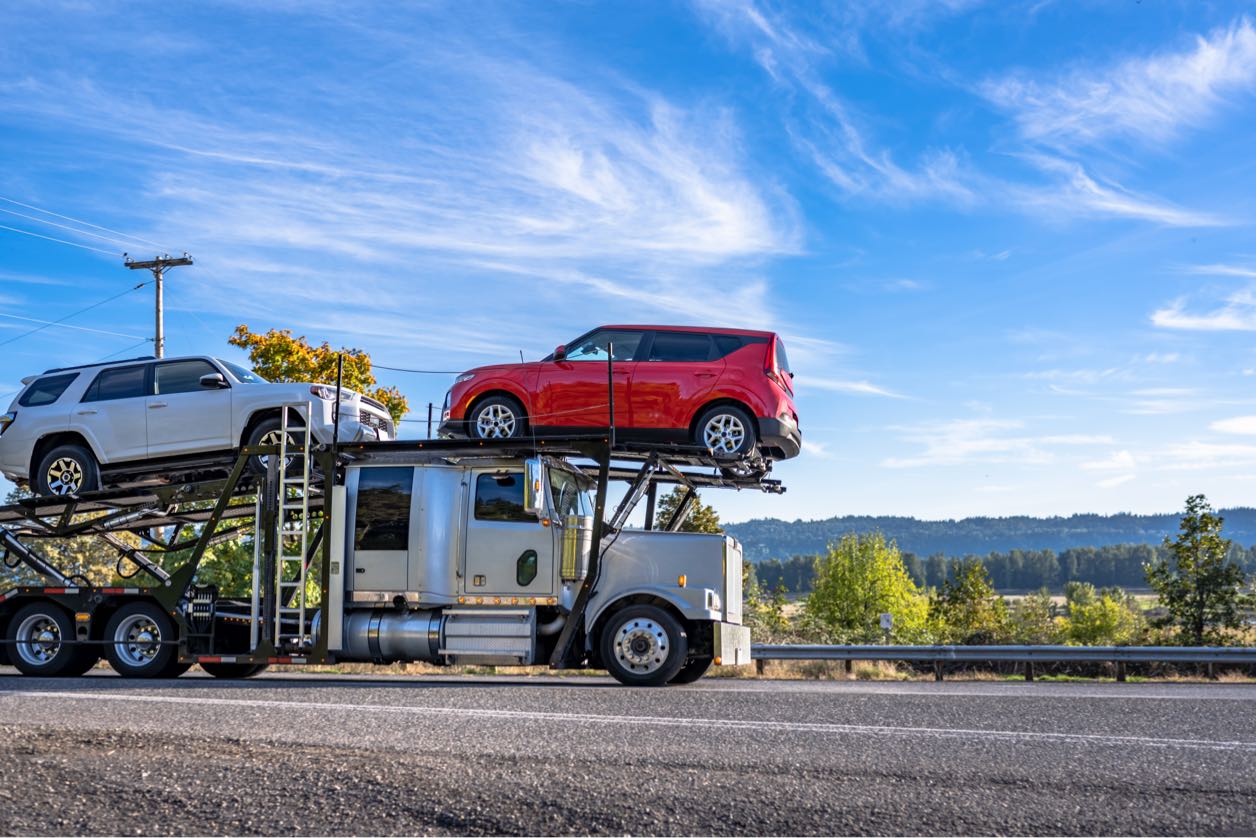
Open transport is right for almost every Forester. It is the same service that delivers new Subarus to dealerships, and the car is simply outdoors for the trip.
Enclosed earns its premium in narrow cases: a car with fresh paint or recent bodywork, a winter move through the salt belt where you would rather protect the underbody, or a vehicle you have just spent money detailing. For an everyday Forester, open is not a compromise.
Preparing It
Standard preparation applies and the pre-pickup checklist covers it. Wash it so existing marks are visible, photograph every panel in daylight including the roof, empty it out and leave about a quarter tank of fuel.
Two Forester specific notes. Remove roof racks, crossbars, cargo boxes and bike carriers, both because they change the height and because they are exactly the parts that get damaged or lost. And if the car is older and has been used outdoors, photograph the lower body and wheel arches carefully, since that is where existing corrosion tends to be and it is worth documenting before it moves rather than debating afterwards.
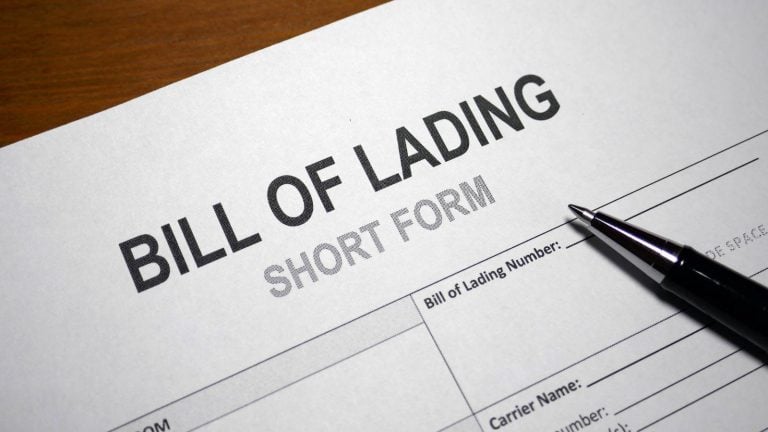
At delivery, inspect before signing. Compare against your photographs and the pickup condition report, check the roof and lower panels, start the engine, and note any exception on the bill of lading while the driver is present.
Timing
Book one to two weeks ahead on most lanes and three to four in summer, when moving season peaks nationally. Transit time counts from pickup rather than from booking, which is the number people most often misread.
Someone has to be present at both ends to walk the vehicle with the driver and sign the condition report. It does not have to be you, as long as the carrier knows in advance who it will be.
Common Questions
Does a Forester need special equipment? No. It is a standard compact SUV and fits any open or enclosed carrier.
Why does it cost more than a sedan? Size and weight. It takes slightly more of the trailer, roughly 10 percent on the same route.
Do I need to remove the roof rack? If it comes off easily, yes. It changes the height a carrier plans for and is easily damaged.
Can you ship one that does not start? Yes, but it must be winched rather than towed, because all four wheels need to be off the road on an all wheel drive car.
Is enclosed worth it? Only for fresh paint or a winter move through road salt. Open is the sensible default.
Get a Quote
Call Ship A Car, Inc. at (866) 821-4555 with both zip codes, the model year and its measured height if it is modified, or price the move with the instant calculator.