Car Shipping Damage Claims: How the Process Works and How to Get Paid
Transport damage is rare, and when it happens the claim is usually won or lost in the fifteen minutes at delivery, not in the weeks of paperwork afterward. The single most important fact in this entire process: damage noted on the delivery paperwork before you sign is a claim, and damage discovered after you sign is an argument.
Here is the whole process in order: what your rights rest on, what to do at delivery, how to file, what is covered, and what to do if the claim stalls.
What Your Claim Rests On
Two documents do all the work.
The bill of lading is the contract of carriage, and its condition report is the evidence. At pickup the driver walks the vehicle and marks existing damage; at delivery the same form is your baseline. Anything on the car at delivery that is not on the pickup report is transport damage by simple subtraction. That is why the pickup inspection deserves as much attention as the delivery one, and why we cover the document in detail in our guide to the auto transport bill of lading.
The carrier’s cargo insurance is what actually pays. Every licensed carrier is required to hold it, and your claim is made against that policy, not against your own auto insurance, so there is no deductible of yours in play and no premium of yours at risk. What the policy covers and its limits are on the certificate of insurance you are entitled to see before the truck is booked. How the layers of coverage fit together is set out in our page on auto shipping insurance.
At Delivery: The Fifteen Minutes That Decide Everything
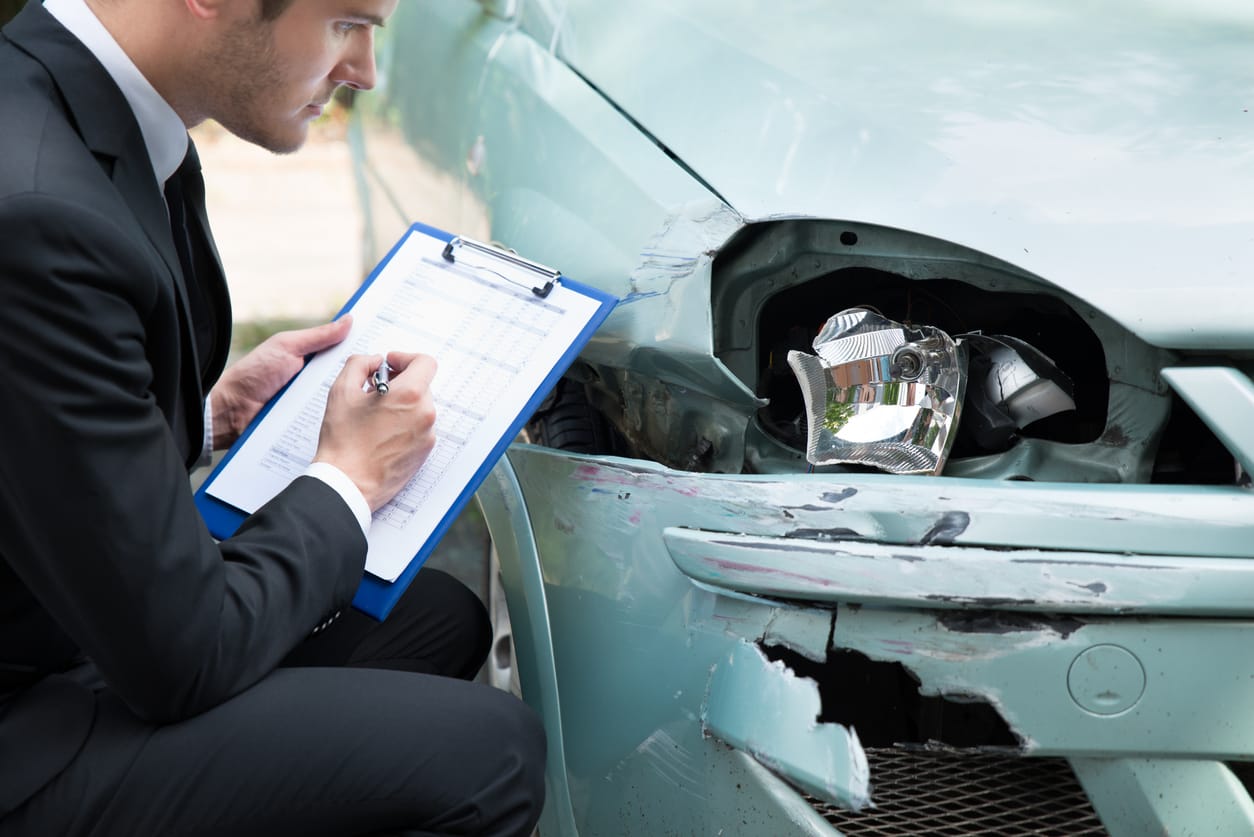
Walk the whole car before you sign anything, in decent light, no matter how tired you are or how patient the driver is not. Every panel, both bumpers, the roof, the glass, the wheels, and underneath the front and rear overhangs. Run a hand along lower panels where road film hides scuffs. If delivery arrives after dark, use a flashlight and take your time; a night signature on an unexamined car surrenders your leverage exactly when you need it. Our delivery inspection guide gives the full walkaround.
If you find damage, write it on the bill of lading, specifically and legibly, before signing: which panel, what kind of damage, how large. Have the driver acknowledge it. A noted exception turns the document from a receipt saying all is well into evidence saying it is not. This is the step people skip, and it is the difference between a routine payout and a dispute.
Document Like You Mean It
Photograph the damage immediately, at the truck if possible: wide shots that place the damage on the car, close shots that show its size, and one frame that includes the carrier or trailer. Your phone stamps time and location on every shot, which quietly proves the damage existed at delivery.
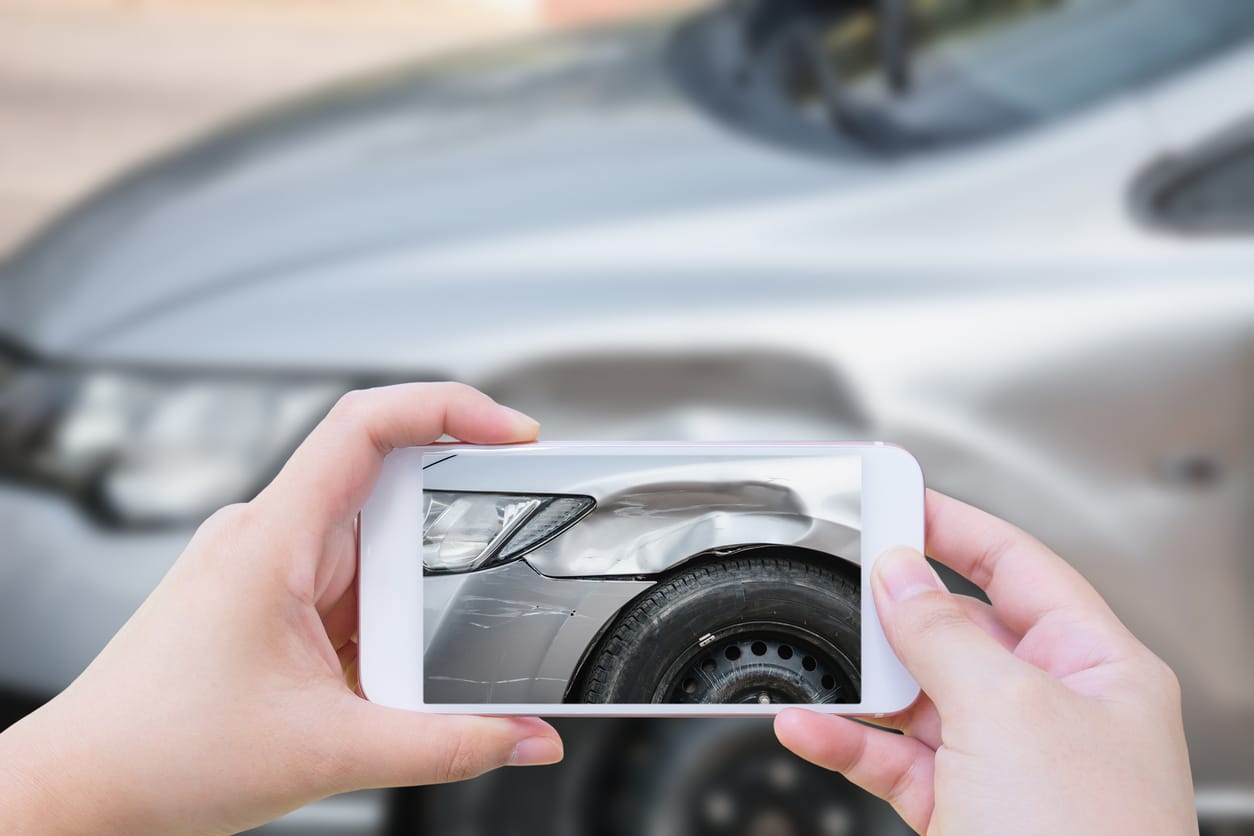
This is also where your pickup photos earn their keep. The before and after pair of the same panel is the cleanest evidence a claim can have, which is why photographing the car in daylight before pickup is standard advice on every page of this site. No pickup photos plus a vague condition report is a winnable claim; photos on both ends is an easy one.
Filing the Claim
Notify the carrier in writing promptly. The bill of lading states the deadline for written notice, and it is often short, measured in days rather than weeks. Send the notice even if you are still gathering estimates, because the notice preserves the claim and the paperwork can follow.
A complete claim file contains: the bill of lading with the noted exception, pickup and delivery photos, a repair estimate or two from body shops, and a short factual cover letter with the order number, dates and dollar amount. Factual is the operative word; the adjuster on the other end pays claims that are documented and easy to approve.
If you booked through a broker, this is where a good one matters. The claim is against the carrier’s policy, but a broker who moves freight with that carrier every week has leverage a one-time customer does not. Ship A Car stays in a claim until it resolves, and carriers know which brokers follow up.

What Is Covered, and What Is Not
Cargo insurance covers damage the transport caused: dents, scrapes, chips, broken glass and trim, damage from straps or loading. It does not cover pre-existing damage, which is what the pickup condition report exists to establish. It generally does not cover personal items left in the vehicle, which is one of the two reasons every carrier tells you to empty the car. And mechanical failures are covered only when tied to visible transport damage or mishandling, not when a worn part happens to fail during the trip.
Road debris and weather sit in the fine print. Open transport accepts ordinary road exposure, but there is a difference between exposure and damage: a stone chip from a truck two lanes over is weather of the road, while a cracked windshield from an unsecured load on the trailer above is a claim.
If the Claim Stalls
Most claims settle in a few weeks. If yours does not, escalate in writing to the carrier’s insurer directly, using the policy number from the certificate of insurance. Persistent silence is worth a complaint to the federal motor carrier regulator, which carriers take seriously because it attaches to their record. Small claims court remains a genuine option for repair-bill amounts, and the well-documented file described above is exactly what wins there. Do not sign any release until the payment matches the estimate you accepted.
Common Questions
What if I already signed a clean bill of lading? File anyway, promptly, with the best evidence you have. It becomes harder, not automatically impossible, and timestamped photos from delivery day carry weight.
Do I pay a deductible? No. The claim runs against the carrier’s cargo policy, not your auto insurance.
How long do I have to file? Check the bill of lading; written notice windows are often just days. Notify in writing immediately and supplement later.
Who pays, the broker or the carrier? The carrier’s cargo insurer pays. A good broker manages the claim with you and applies pressure, which is part of what you hired them for.
Are personal items in the car covered? No. Cargo policies cover the vehicle, not contents, which is why the car should travel empty.
Get a Quote
Call Ship A Car, Inc. at (866) 821-4555 with both zip codes, the vehicle and your date range, or request an estimate for the move through the quote calculator.