How to Ship a Car in the Summer
Summer is the busiest season in auto transport and the hardest one on a vehicle, and those two facts pull in opposite directions. Demand peaks because the moving season, the school calendar and the snowbird return all land in the same months, so booking gets harder and prices firm up. Meanwhile a car on an open upper deck crossing the Southwest sits in full sun for days. Both are manageable if you plan for them.
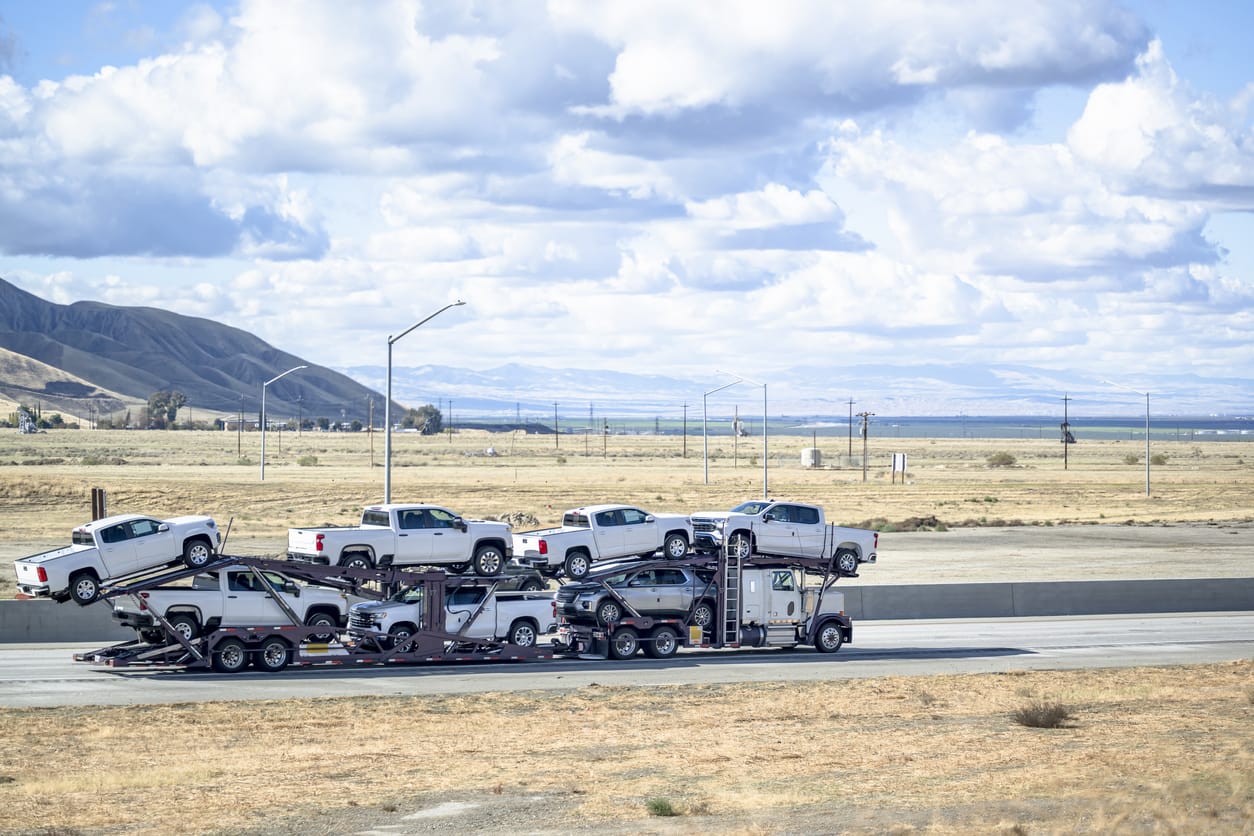
Why Summer Costs More
Three separate demand cycles collide between roughly May and August.
The household moving season is the largest. Most people move when school is out, and a great many of those moves include a vehicle. The academic calendar adds its own peak in August as students move to campus. And the northbound snowbird return runs through spring into early summer on Sun Belt lanes.
Carrier capacity does not expand to meet that, so the market clears on price. Expect quotes to be firmer than in the shoulder seasons, expect less flexibility on dates, and expect popular lanes to fill earlier.
The practical response is to book three to four weeks ahead rather than one to two, and to give a range of pickup days. A range is worth more in summer than at any other time of year, because it lets a carrier fit you into a trailer that is already going.
What Heat Does to a Car in Transit
The vehicle is not running, so the drivetrain is not the concern. The interior is.
A closed car in direct sun reaches temperatures far above the outside air, and on a multi day run across Arizona, Nevada or Texas it does that every day. Dashboards, adhesives, leather and vinyl all suffer, and anything left inside can be destroyed or become dangerous.

Empty the cabin completely. Aerosols and pressurized containers can burst. Electronics, medication, candles, vinyl records and anything with a battery do not survive. Personal items are not covered by cargo insurance anyway, so there is no reason to leave them.
Check tire pressures before pickup. Heat raises pressure, and a tire that was already overinflated in a cool garage is worse on a hot deck. Check the coolant condition and level too, because the car has to start and drive at both ends.
The Southwest Corridors Are Their Own Case
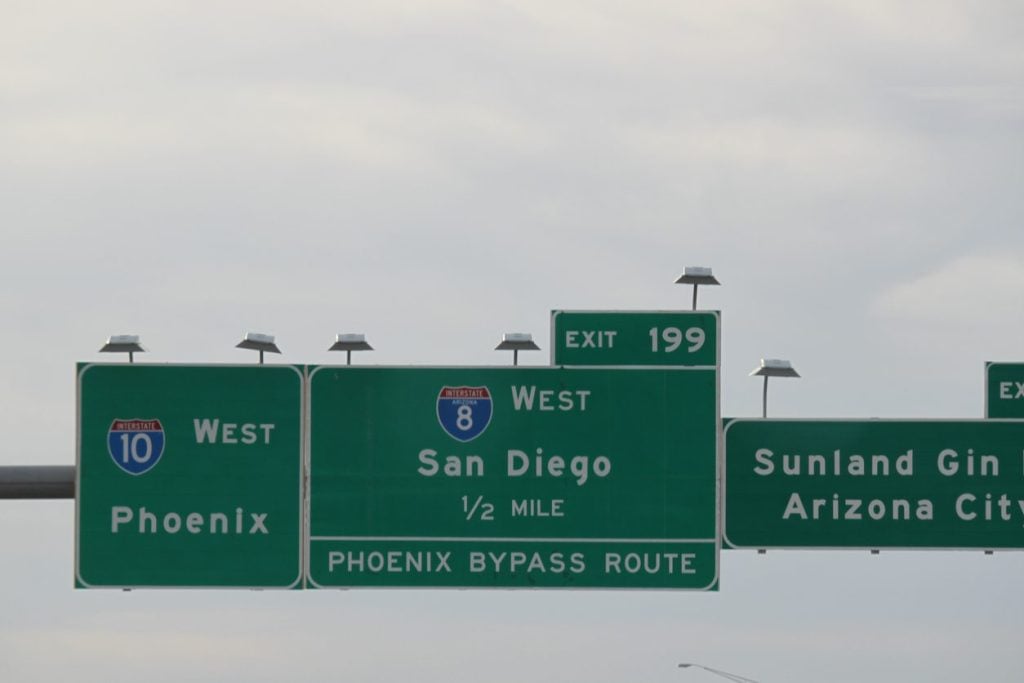
Interstate 10 and Interstate 40 across Arizona, New Mexico and the California desert are the hottest ground a car hauler covers.
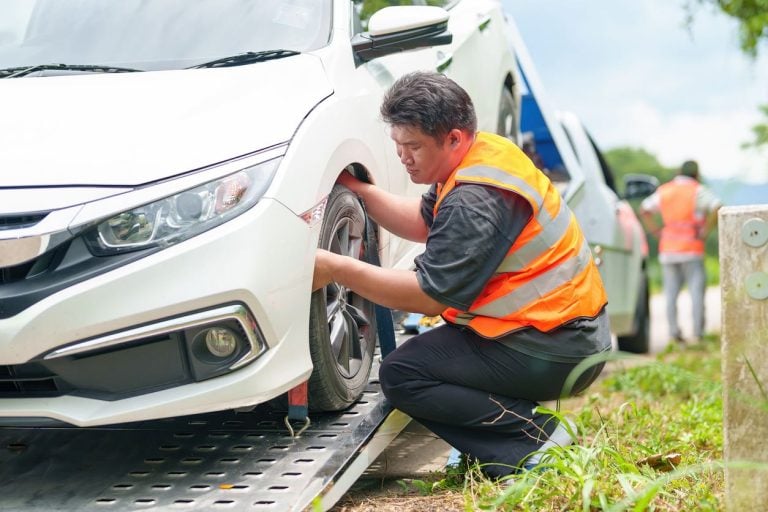
Drivers manage it, but it shapes the schedule. Some load and unload early or late to avoid the worst of the afternoon, and a driver will not rush loading in extreme heat because steel ramps and decks get genuinely dangerous to work on.
If your lane crosses that country in July or August, treat the delivery estimate as a range with more slack than usual. That is not a sign anything has gone wrong.
When Enclosed Is Worth It in Summer
Enclosed transport runs about 20 to 30 percent more and the summer case for it is specific.
It keeps the car out of direct sun for the whole trip, which matters for fresh paintwork, a wrap, or an interior you care about. It also removes road debris and the afternoon thunderstorms that are routine in the Southeast and along the Gulf in summer.
For an ordinary daily driver, open transport is what almost everybody uses and it is the right answer. For a collector car, a convertible with a fabric top, or anything with real value, summer strengthens the enclosed case rather than weakening it.
Where the Truck Can Meet You
Summer is when access problems bite hardest, because trees are in full leaf.
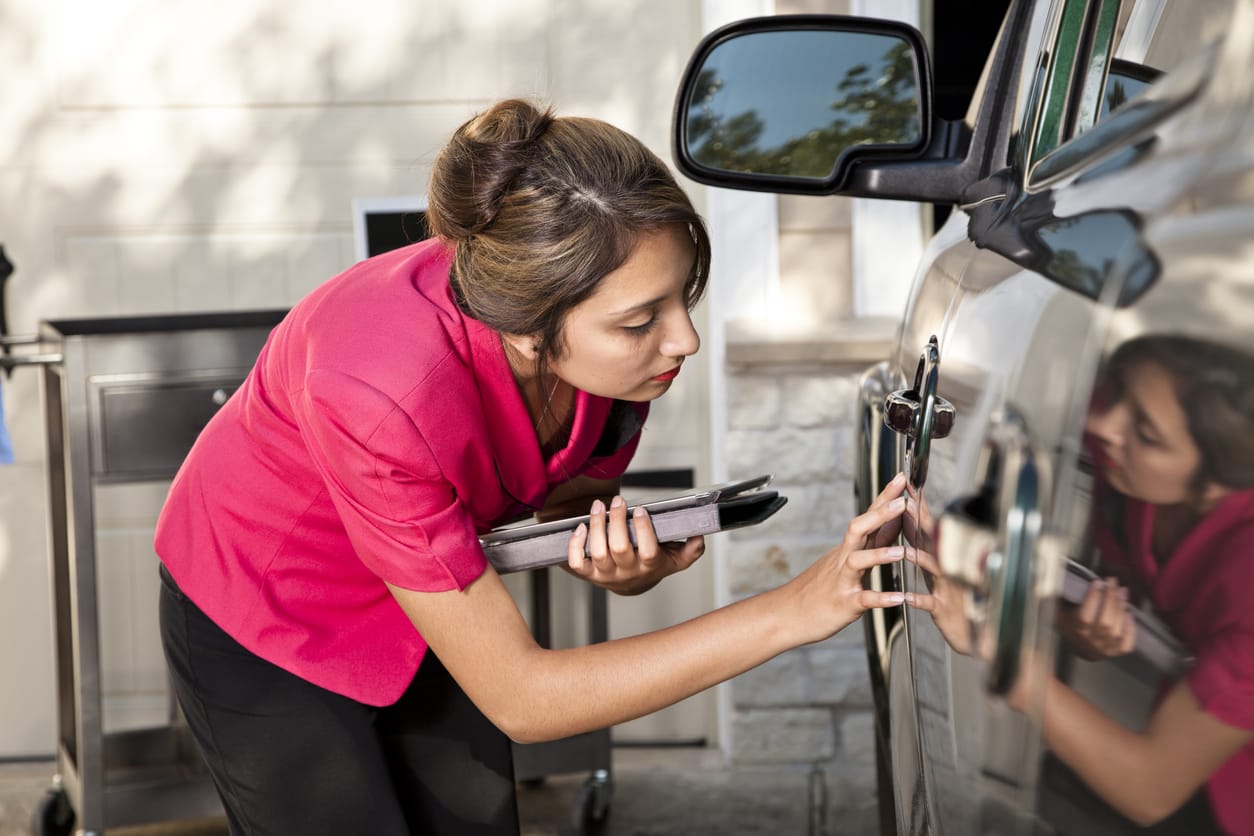
A loaded hauler is around 75 feet long and 13 feet 6 inches tall, and a branch that cleared an upper deck vehicle in March may not in July. Drivers will decline rather than risk it, and they are right to.
A meeting point at a large lot near a highway solves it and is completely normal. Agree one when you book if your street is narrow, shaded or hard to turn in.
Timing Within the Day Matters Too
One small thing that is worth asking about, because it costs nothing and helps.
If you have any flexibility on the hour, offer the early morning for both pickup and delivery in high summer. A driver working a cool deck can inspect and load properly without rushing, and you can walk around the car and read the paperwork without standing in direct sun yourself. Both of those improve the quality of the condition report, which is the document that matters if anything is disputed later.
The same applies at the far end. A car that has been closed up on a trailer through an afternoon in the desert is unpleasant to sit in and hard to assess honestly. Give it fifteen minutes with the doors open before you decide anything about the interior.
At Pickup and Delivery
Wash the car so existing marks are visible, then photograph every panel in daylight, including the wheels, the lower bumpers and the rocker panels, which are what loading marks. Summer light is harsh at midday, so photograph in the morning or evening if you can.
Leave about a quarter tank of fuel. Fold the mirrors, disable a motion sensitive alarm, remove a toll transponder and hand over a key.
At delivery, let the car cool before judging anything and inspect before signing. Note anything unexpected on the bill of lading while the driver is still present. Our guide to shipping in extreme weather covers the seasonal risks in more detail.
Common Questions
Is summer the most expensive season? It is the busiest, and prices firm up accordingly, because the moving season, the school calendar and the snowbird return all collide.
How far ahead should I book? Three to four weeks, with a range of pickup days rather than a fixed date.
Can I leave things in the car? No. Personal items are not covered, they add weight, and summer heat destroys or bursts a lot of them.
Does heat damage the car itself? The interior takes the punishment. Dashboards, adhesives and trim suffer, which is one argument for enclosed on a valuable vehicle.
Why might delivery run late in July? Southwest heat shapes loading times, and summer is the busiest season. Treat the estimate as a range.
Get a Quote
Call Ship A Car, Inc. at (866) 821-4555 with both zip codes and your date range, or price the move with the instant calculator.