Car Shipping in Extreme Weather Conditions
Weather almost never stops a car shipment and it routinely moves one, and confusing those two things is what turns an ordinary delay into a bad experience. Carriers work through most conditions. What weather actually does is widen the arrival window, and the useful response is to build slack into the plan rather than to expect a date to hold through a storm system that is two states wide.
Winter Is About Delay, Not Damage
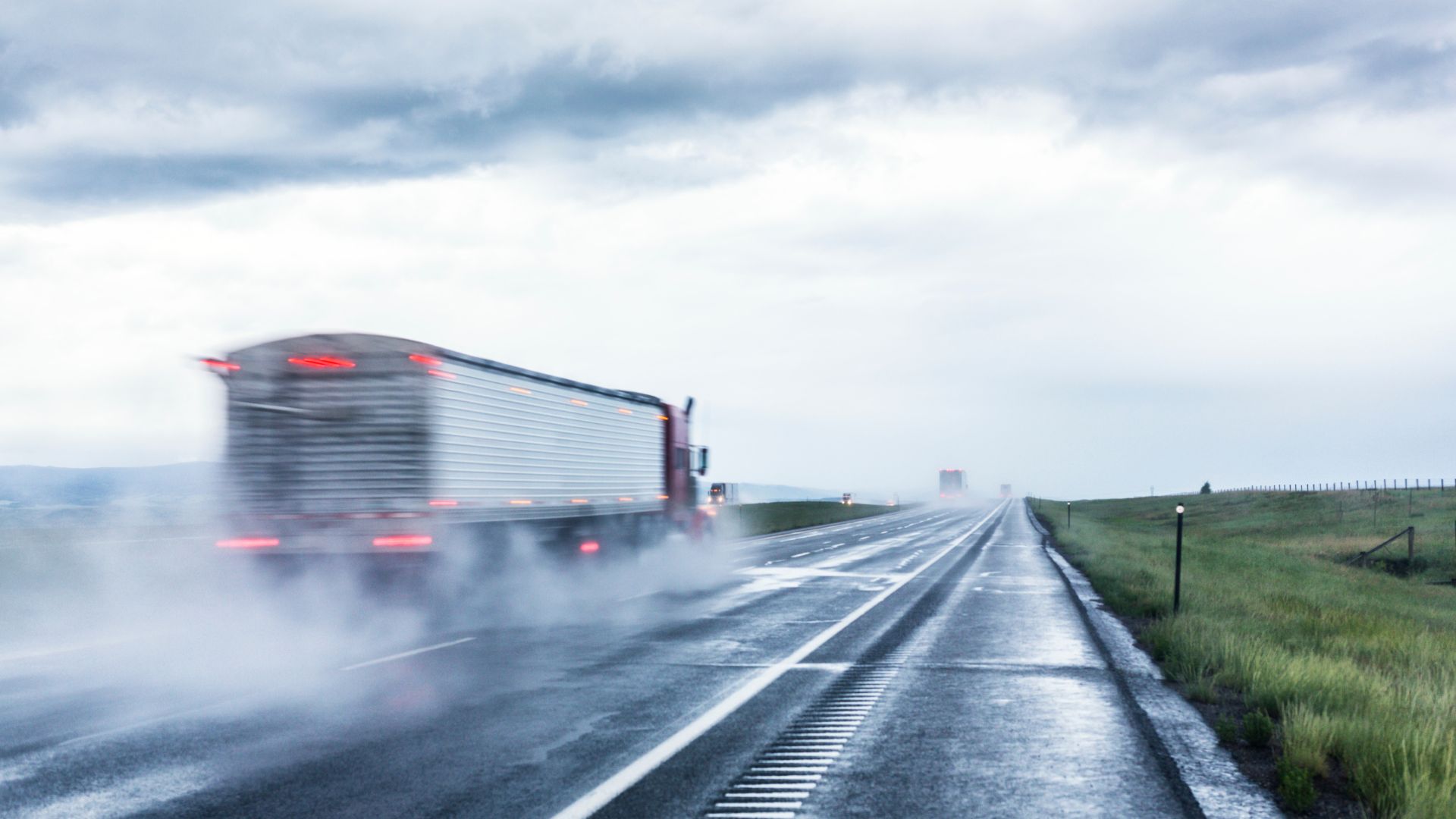
From November through March the northern half of the country produces the bulk of weather related disruption, and it is mostly a scheduling problem.
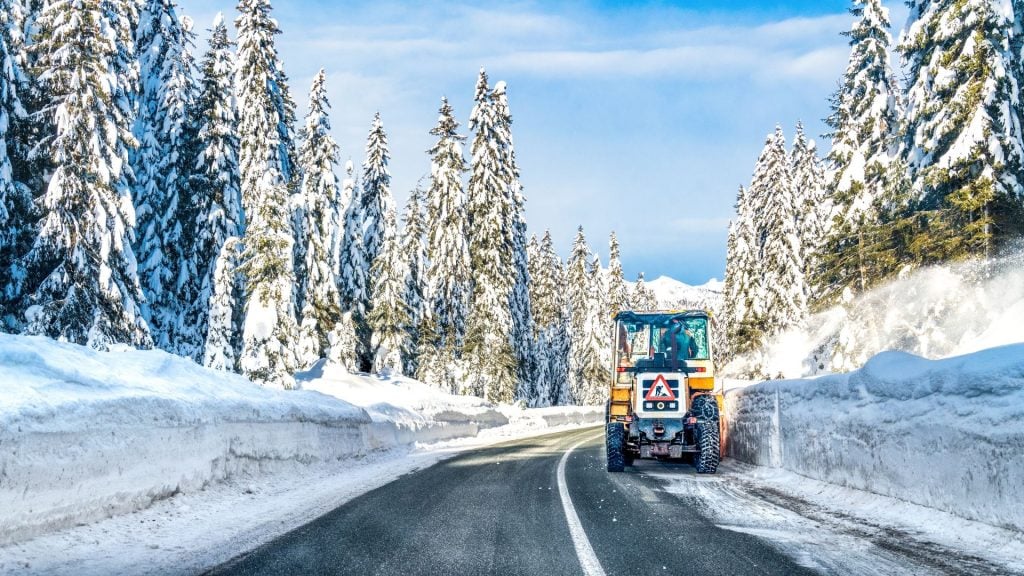
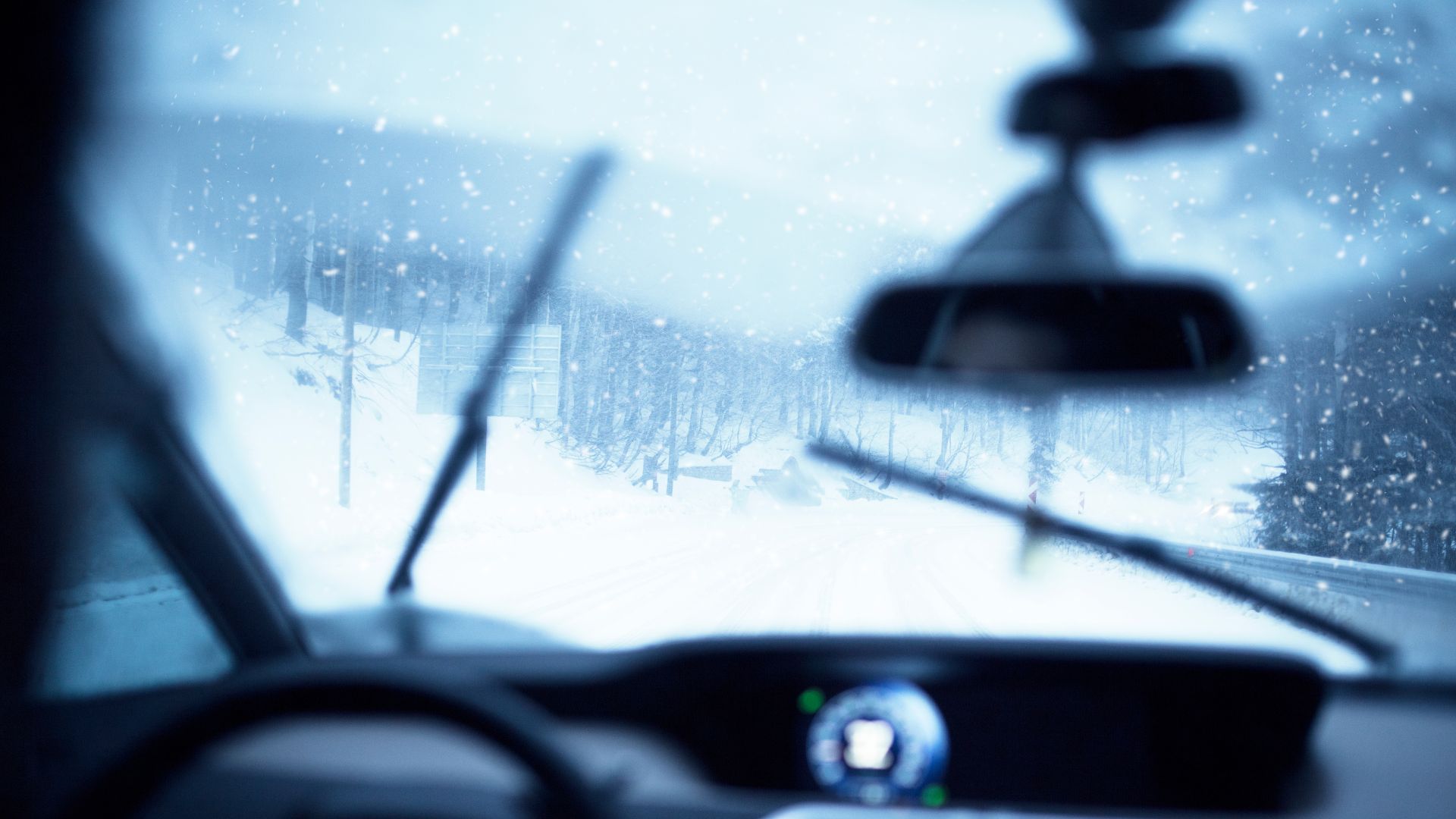
Snow and ice slow trucks and close roads, and a storm anywhere along a route delays your car even when both endpoints are clear. Mountain passes carry chain requirements and close outright, which can add a day or reroute a load hundreds of miles. Treat a February delivery date as a range.
Drivers will not load or unload on ice if there is any alternative, and that is the right call even when it is inconvenient. A car sliding on a wet steel ramp is how both cars and people get hurt.
Road salt and brine are the other winter reality. A car on an open trailer arrives coated in it. On most vehicles that is cosmetic and a wash resolves it. On a car with fresh paintwork, existing corrosion or genuine value, an enclosed carrier through the winter months is worth the premium for that reason alone.
Make sure the battery is healthy before a winter pickup. A car that will not start on a cold morning is a car the driver cannot load, and that becomes a rescheduling problem.
Summer Heat Is Underestimated
Heat gets far less attention than snow and does more to the vehicle itself.
A car on an open upper deck sits in full sun for the entire trip. Interior temperatures become extreme, which is hard on dashboards, leather, adhesives and trim. Anything left inside that can melt, warp or burst will do so: electronics, aerosols, medication, candles and pressurized containers all belong out of the car.
Check tire pressures before a summer move, since heat raises them and desert road surfaces run far above air temperature. Top up coolant and check that it is at the correct concentration.
Heat also affects the schedule in the Southwest. Summer transport through Arizona, Nevada and inland California frequently runs early morning and overnight, which is easier on equipment and on drivers.
Storms, Hurricanes and Flooding
These are the conditions that genuinely stop movement, and the constraint is usually access rather than the road.
Hurricane season runs from June through November on the Gulf and Atlantic coasts, and its effect on car shipping is lopsided: before landfall, everyone wants to move vehicles out of the same area at the same time, and capacity vanishes. Booking ahead of a forecast rather than after one is the entire strategy.
After a storm, the problem is that roads are closed, fuel is scarce and the destination may be inaccessible. Carriers will not commit to a delivery into an area that cannot be reached, and that is a limitation of the situation rather than of the carrier.
Flooding deserves a specific warning. Never accept delivery of a vehicle that has stood in floodwater without a proper inspection, and never assume a car that looks fine is fine. Water damage to electronics and to the drivetrain frequently shows up weeks later.
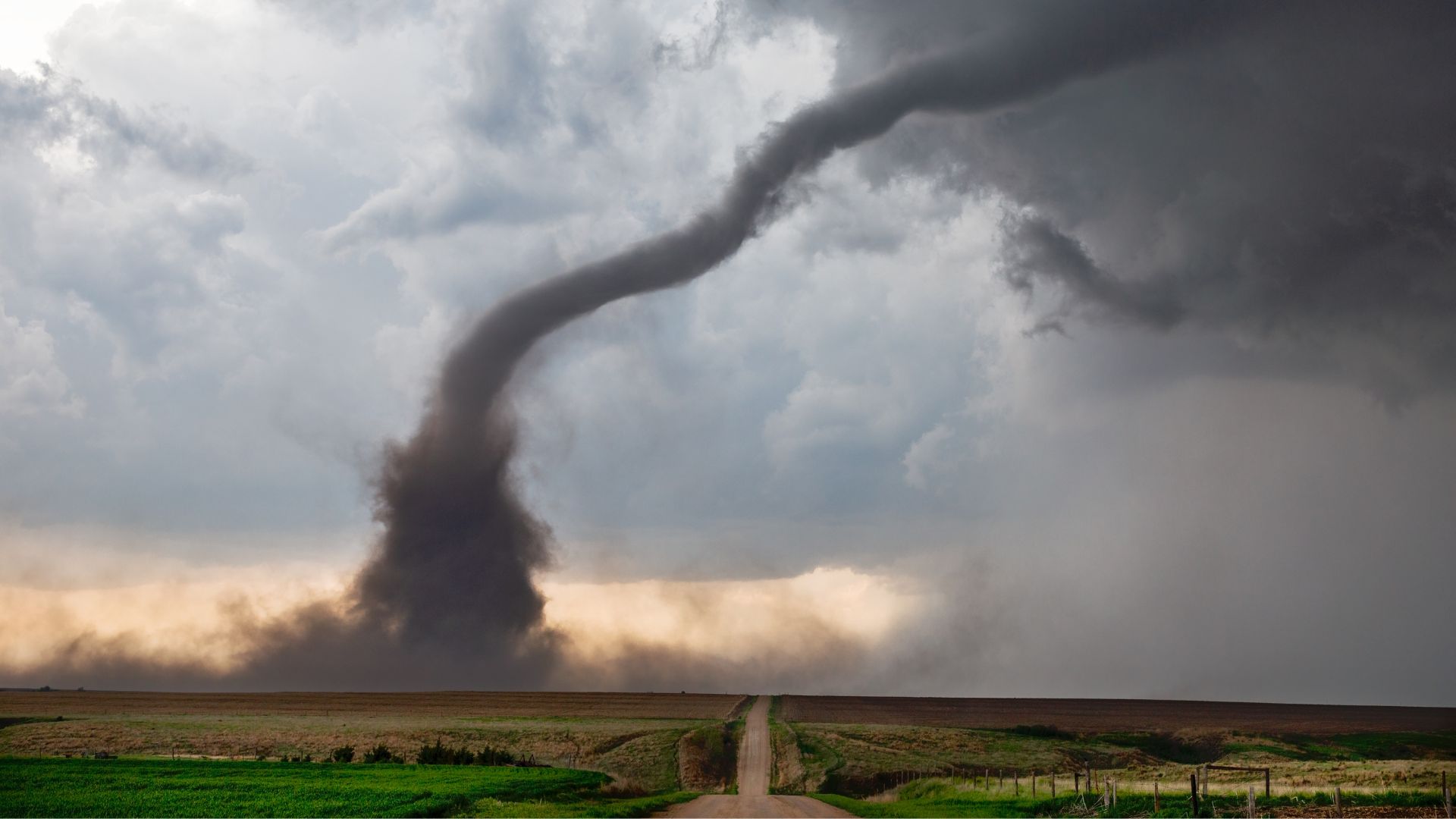
Tornado season in spring across the central states, and wildfire smoke and closures in the West during summer and fall, produce shorter but sharper disruptions on specific corridors.
What Actually Changes Your Risk
Three decisions matter more than anything else you can do.
The first is the service. Enclosed transport removes weather from the equation almost entirely, at about a third more. For a valuable car in winter or a long summer run in the Southwest, it is frequently the right call.
The second is timing flexibility. A shipment with a range of acceptable days routes around weather; one with a single fixed date does not. Where you have flexibility, say so.
The third is the meeting point. In winter, snowbanks narrow residential streets by several feet and turn a workable curb into an impossible one. A large retail lot near an interstate is cleared, lit and open, and agreeing to one in advance removes the most common cold weather failure.
Preparing for the Season You Are Shipping In
The base preparation is the same in any weather and two additions matter.
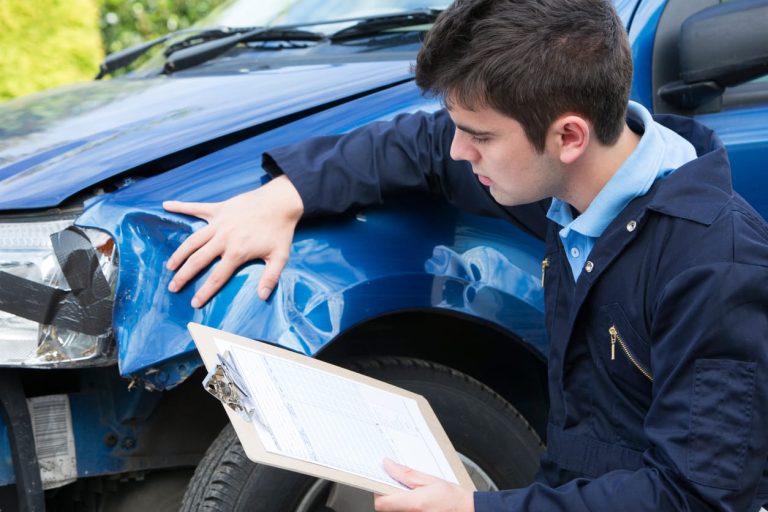
Wash the car so existing marks are visible and photograph every panel in daylight, including the wheels, lower bumpers and rocker panels. In winter that means washing the salt off first, because a gray film hides everything and an unclear condition report costs you the argument later.
Leave about a quarter tank of fuel, empty the cabin and trunk, fold the mirrors and disable a motion sensitive alarm. In winter, check antifreeze concentration and battery condition. In summer, check tire pressures and coolant.
At delivery, inspect before signing. If the car arrives in the dark, in heavy rain or coated in road salt, a proper inspection is not possible, and you should write exactly that on the bill of lading before you sign. That one sentence preserves your position, and it is the single most useful thing on this page. Our comparison of open and enclosed carriers covers the service decision.
What to Expect From a Carrier
Reasonable expectations make the whole process easier.
Expect communication when weather intervenes, and expect a revised window rather than a precise new time. Expect a driver to refuse to load or unload in genuinely unsafe conditions, and understand that as the correct decision.
Do not expect a guaranteed delivery date through a storm system, and treat anyone offering one with caution. Hours of service rules, road closures and safety judgment are not things a company can contract around.
Common Questions
Will weather cancel my shipment? Rarely. It far more often widens the arrival window. Plan a range rather than a date in winter and hurricane season.
Is road salt going to damage my car? On most cars it is cosmetic and a wash fixes it. On fresh paint, existing corrosion or a valuable vehicle, ship enclosed in winter.
Is summer heat a real problem? Yes, mainly to the interior and to anything left inside. Empty the car completely and check tire pressures and coolant first.
Should I ship before a hurricane? Book ahead of the forecast. Once a storm is imminent everyone moves at once and capacity disappears.
What if it arrives in the dark or in the rain? Note on the bill of lading that a full inspection was not possible before you sign. That preserves your position.
Get a Quote
Call Ship A Car, Inc. at (866) 821-4555 with both zip codes and a range of dates rather than one, and we will plan around the season, or request an estimate for the move through the quote calculator.