How to Ship a Car Without Anything Going Wrong
Most car shipping problems are not accidents. They are the predictable result of something nobody wrote down. A price that was never a real price, an address the truck could not reach, damage that existed before pickup but was not photographed. Every one of those is avoidable, and the work takes an afternoon at most.
What follows is the short version of what actually matters, in the order you will need it.
Book Earlier Than You Think You Need To
One to two weeks of lead time is the sensible range for most moves. That is not because the truck needs the notice. It is because a carrier has to be found whose route already passes both ends of yours.
Book with three days to spare and you are choosing from whoever happens to be available, which usually costs more and offers less choice about timing. Book six weeks out and nothing happens, because carriers do not commit that far ahead on ordinary vehicle moves.
Two windows genuinely tighten: January into March on the routes into Florida and Arizona, and the last week of any month, when everyone with a closing date is moving at once. If your dates fall in either, add a week.
Understand What the Quote Actually Is
This is where most bad experiences begin.
Vehicle transport is a brokered market. A broker publishes your vehicle to carriers at a price, and a carrier decides whether to take it. A quote that has not been accepted by a carrier is a proposal, not a booking. That distinction is the whole story behind the pattern where a rock bottom price is agreed, nothing happens for two weeks, and then the price goes up because “no driver will take it”.
So ask one question of anyone quoting you: is this price one a carrier has accepted, or is it what you are hoping a carrier will accept? An honest answer to that is worth more than a number.
Get quotes from three companies. Ignore the highest and be suspicious of the lowest. The one in the middle that arrives with a written confirmation and a named contact is generally the one that ships.
Be Honest About Access
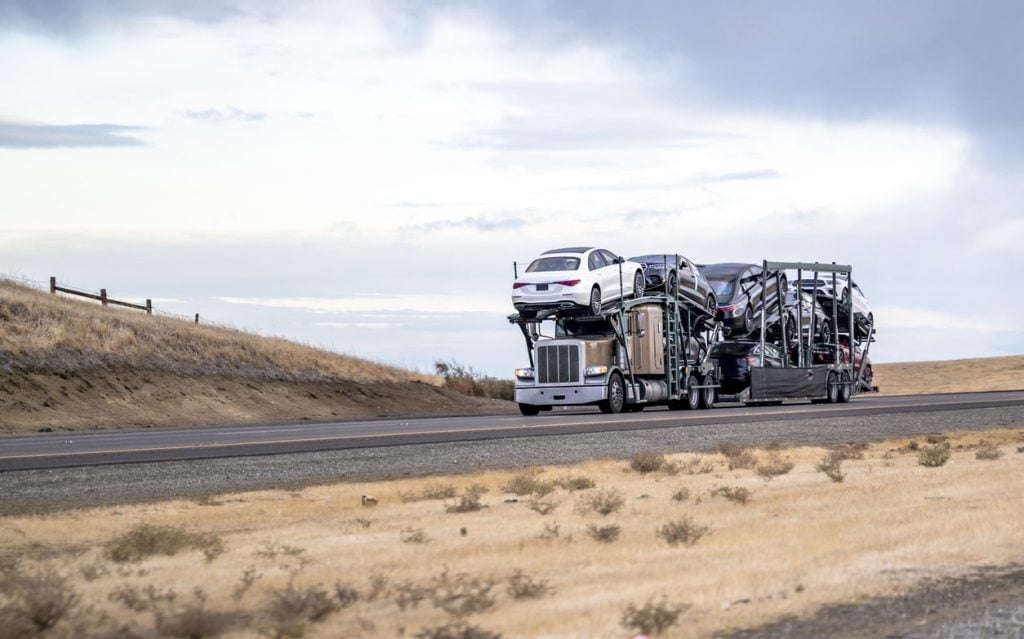
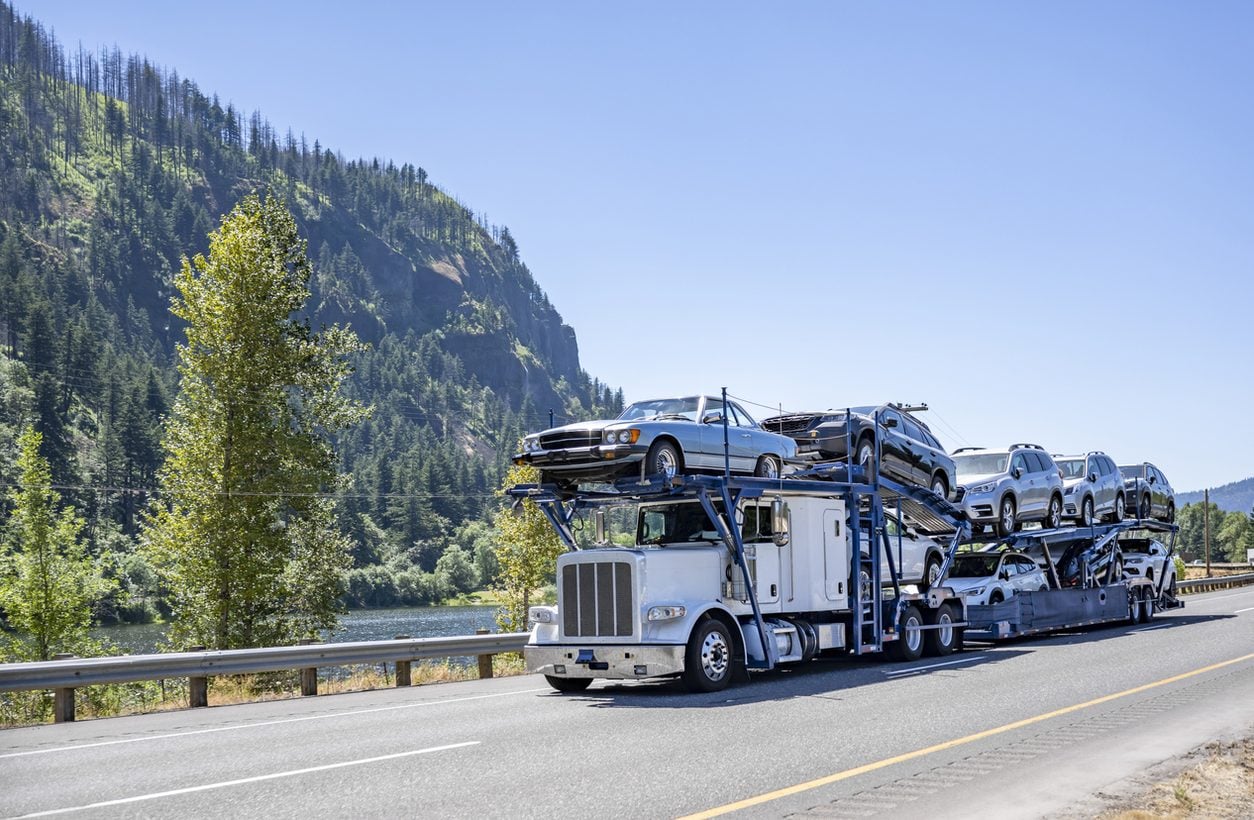
A loaded car hauler is roughly 75 feet long and 13 feet 6 inches tall, and it cannot reverse around corners.
Narrow residential streets, low branches, steep or gravel drives, gated communities with height bars and any street with parking on both sides can all stop a truck that had no trouble with the other nine cars on it. Drivers will decline rather than risk damage, and the wasted trip usually gets billed.

The fix is to say so when you book. Agreeing a meeting point at a large retail lot near a highway exit is completely normal, it is not a downgrade in service, and it removes the single most common cause of a failed pickup.
Photograph the Car Properly
If a dispute ever happens, your photographs are the evidence. Ten minutes here is the best value in the entire process.
Wash the car first, because dirt hides existing marks and makes it impossible to tell what happened in transit. Then shoot in daylight: all four sides, all four corners at an angle, the roof, both bumpers, the wheels and the rocker panels, which is where loading marks appear. Close up on any chip or scratch that already exists. Photograph the odometer.
Keep the timestamps. A phone does this automatically and it settles arguments quickly.
Prepare the Vehicle
Leave about a quarter tank of fuel. More is dead weight and carriers are weight limited across the whole trailer.
Empty the cabin and the trunk completely. Personal items are not covered by the carrier’s cargo insurance, they add weight, and anything left loose can move and mark the interior. In summer, anything that can melt or burst has no business in a car sitting in full sun on an upper deck for four days.
Fold the mirrors, retract or remove an aerial, disable a motion sensitive alarm, remove a toll transponder so you are not billed for the truck’s route, and hand over one working key. Note any starting quirk in writing rather than assuming the driver will work it out.

If the car does not run, say so before booking. An inoperable vehicle needs a winch and a carrier equipped for it, and discovering this at the curb means the truck leaves without your car.
Open or Enclosed
Open transport moves the overwhelming majority of vehicles and is the right answer for an ordinary car. It is what the manufacturers use to deliver new cars to dealers.
Enclosed costs roughly 20 to 30 percent more and earns it in specific cases: fresh paintwork or a wrap, low ground clearance, a genuinely valuable or irreplaceable car, or a long winter run through road salt. If you are weighing it and the car is a daily driver, open is fine.
Inspect Before You Sign
The bill of lading is the legal record of the vehicle’s condition. Once you sign at delivery, you are agreeing the car arrived as described.
Walk the whole car before signing, in daylight if at all possible, and compare it against your pickup photographs. Note anything unexpected on the paperwork while the driver is still there, and photograph it then.
If the car arrives after dark or in heavy rain, write on the bill of lading that conditions did not allow a full inspection, then sign. That single sentence preserves your position without holding the driver up.
Common Questions
How far ahead should I book? One to two weeks for most moves. Add a week for January to March into Florida and Arizona, or for end of month dates.
Why did my quoted price change? Usually because the original number was never accepted by a carrier. Ask whether a quote is carrier-accepted before you commit.
Can the truck come to my house? Often yes, but not on narrow streets, low branches or tight gated entries. Agree a meeting point when you book if there is any doubt.
Can I leave belongings in the car? No. They are not covered by cargo insurance, they add weight, and they can damage the interior in transit.
What do I do if the car arrives damaged? Note it on the bill of lading before signing, photograph it immediately, and report it to the company the same day. Choosing carefully in the first place matters too, which is covered in our guide to avoiding scams and choosing a reputable company.
Get a Quote
Call Ship A Car, Inc. at (866) 821-4555 with both zip codes, your date range and an honest description of the access at each end, or price the move with the instant calculator.