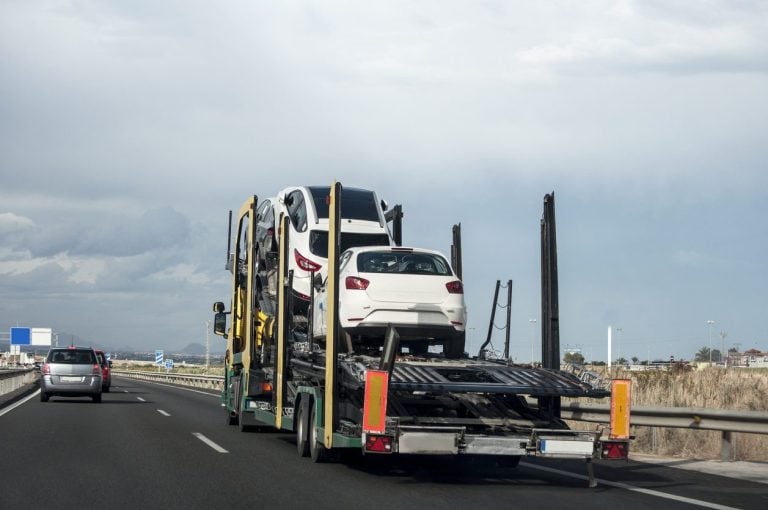
How to Avoid Scams and Choose a Reputable Car Shipping Company
The most common way people lose money in auto transport is not a scam in the criminal sense; it is a quote nobody intended to honor. Actual fraud exists and it is worth knowing the shapes it takes, but the everyday problem is a price low enough to win your booking and too low for any carrier to accept. Both are avoidable with the same few checks.

The Low Quote Problem
Understand this first, because it accounts for most of the harm.
A quote has two parts: the broker’s fee, and what will be offered to a carrier to accept the load. That second part is not a list price. It is what the market currently pays for that lane, that vehicle and that week.
If the offer is below what carriers are accepting, nobody takes the load. Your vehicle sits, your dates pass, and eventually you are told the price has to rise. You have lost the time, and frequently a deposit is already paid.
This is why the lowest quote is a warning rather than a bargain. Three quotes clustered together and one far below them tells you the outlier is the unreliable number.
The Question That Settles It
Is this what a carrier has accepted, or what you hope one will accept?
Ask it directly and listen to how it is answered. A straight answer is a good sign; evasion is informative in itself.
Follow it with two more. What happens if the load is not assigned at this price? And is any deposit refundable at that point? Get both answers before paying anything.
Verify Who You Are Actually Dealing With
Five minutes and free, and it is the single most useful check available.
Ask whether the company is a broker or a carrier, then look up the USDOT or MC number in the Federal Motor Carrier Safety Administration’s public system. Confirm the authority is active and is the right type: broker authority for a broker, carrier authority for a carrier.
Check that the trading name and address match the registered entity. A mismatch is worth a question rather than an assumption.
Then read the inspection and crash history. A carrier with many inspections and a low out-of-service rate has been examined repeatedly by people whose job is to find problems. That record cannot be manufactured, which is more than can be said for reviews.
The Actual Fraud Patterns
Less common, more serious, and recognizable.
The deposit that disappears. A large payment demanded up front, ideally by wire, gift card or cryptocurrency, followed by silence. Any request for payment by a method with no recourse is the signal.
Identity theft between carriers. A fraudster registers using a legitimate carrier’s details or takes over a dormant registration, books freight under the borrowed reputation, and the vehicle is never delivered. Verifying the number against the name and address is what catches this.
Double brokering. A carrier accepts your load then quietly re-brokers it to somebody nobody vetted. You cannot detect it from outside, which is precisely why the broker’s vetting is what you are paying for. Ask what their policy is when a carrier does it.
The bait and switch on condition. Damage appears, and the condition report at pickup was vague enough that it cannot be attributed. This is prevented by photographs and a specific bill of lading rather than by choosing a different company.
What a Legitimate Booking Looks Like
So you have something to compare against.
A written quote that states whether it is open or enclosed, whether it is door to door or to a meeting point, and what is included. A clear statement of the carrier’s cargo insurance and the limit. A deposit structure where money follows carrier assignment rather than preceding it. Willingness to name the carrier before pickup. And a proper condition report walked through with you at collection.
None of that is unusual. Its absence is.
Reading the Reviews Properly
Reviews are the other evidence available, and they are easier to manipulate in this industry than in most.
Genuine reviews contain detail only somebody who went through it would mention: a route, a timeframe, a coordinator’s name, something that went slightly wrong and how it was handled. Fake ones are vague, arrive in clusters over a few days, repeat distinctive phrases, and come from profiles with a single review.
A company with no negative reviews at all is not a company with no problems; it is one curating its reviews. Read the negative ones and sort them by kind. Complaints about a delivery running two days late are largely a feature of the industry, because weather, traffic and hours of service rules move dates. Complaints about a price rising after booking, a deposit not returned, damage disputed or nobody answering the phone are process failures, and a pattern of those is the strongest signal you will find.
Look at how the company responds, too. Specific replies to specific complaints are a different thing from the same paragraph pasted under every one.
Protecting Yourself at the Handover
Two habits that resolve most disputes before they start.
Photograph every panel in daylight before pickup, including the wheels, the lower bumpers and the rocker panels, and photograph the odometer. It takes five minutes.
Then inspect before signing at delivery, compare against those photographs, and note anything unexpected on the bill of lading while the driver is present. If it arrives after dark or in heavy rain, write that a full inspection was not possible before you sign. A signature on clean paperwork is very hard to walk back. Our guide to what car shipping insurance actually covers explains what the cargo policy does and does not include.
Common Questions
What is the most common way people lose money? A quote too low for any carrier to accept, so the vehicle sits and the price later rises.
What is the single best question to ask? Whether the price is one a carrier has accepted or one they hope a carrier will accept.
How do I verify a company? Look up the USDOT or MC number in the FMCSA public system: active authority, right type, matching name, and the inspection history.
What payment methods are a warning sign? Wire, gift cards or cryptocurrency demanded up front, or a large deposit before any carrier is assigned.
How do I protect against a damage dispute? Photograph every panel before pickup and refuse to sign a clean bill of lading if something is wrong.
Get a Quote
Call Ship A Car, Inc. at (866) 821-4555 with both zip codes and your date range, or price the move with the instant calculator.