Shipping an RV or Camper: What the Job Actually Involves
An RV is not a large car, and the thing that decides how it ships is not its length but which of three categories it falls into. A drivable motorhome, a towable trailer and a truck camper are three different jobs with different equipment, different permits and different prices. Establish which you have before anything else.
Here is how each moves and what we need from you to quote it accurately.
The Three Categories
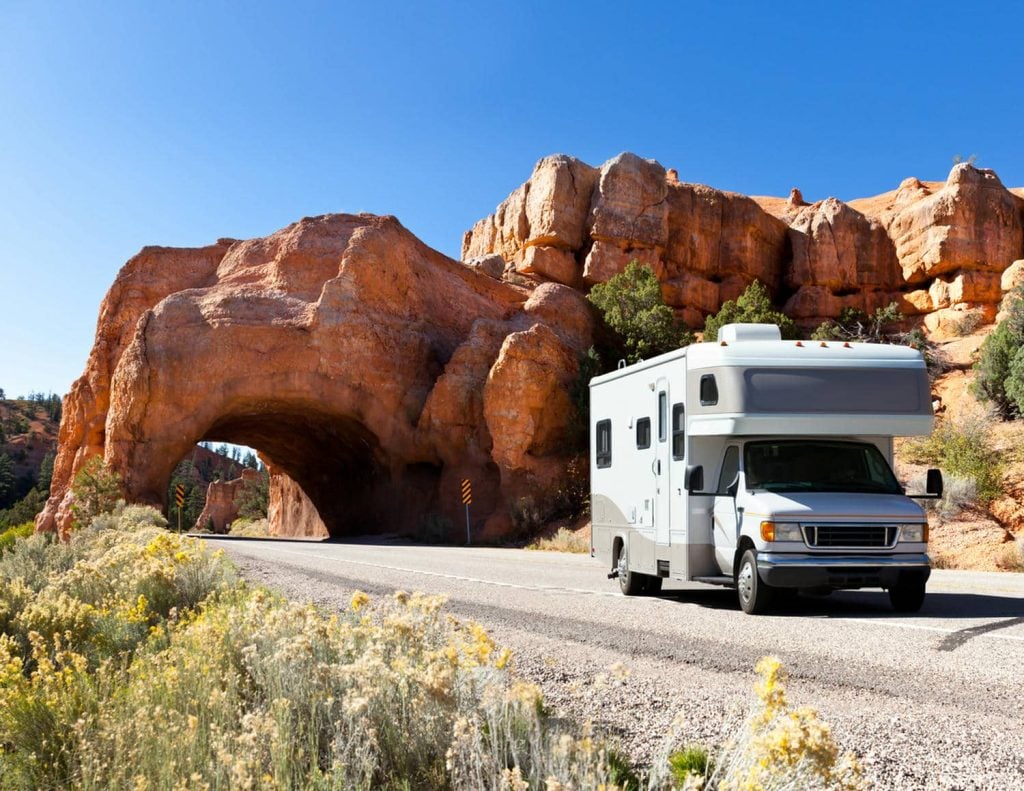
Motorhomes are drivable: Class A coaches built on a bus or truck chassis, Class C units built on a cutaway van chassis with the over cab bed, and Class B camper vans. Because they drive, they are frequently moved by a qualified driver rather than on a trailer, which is often the cheaper answer on a long move.
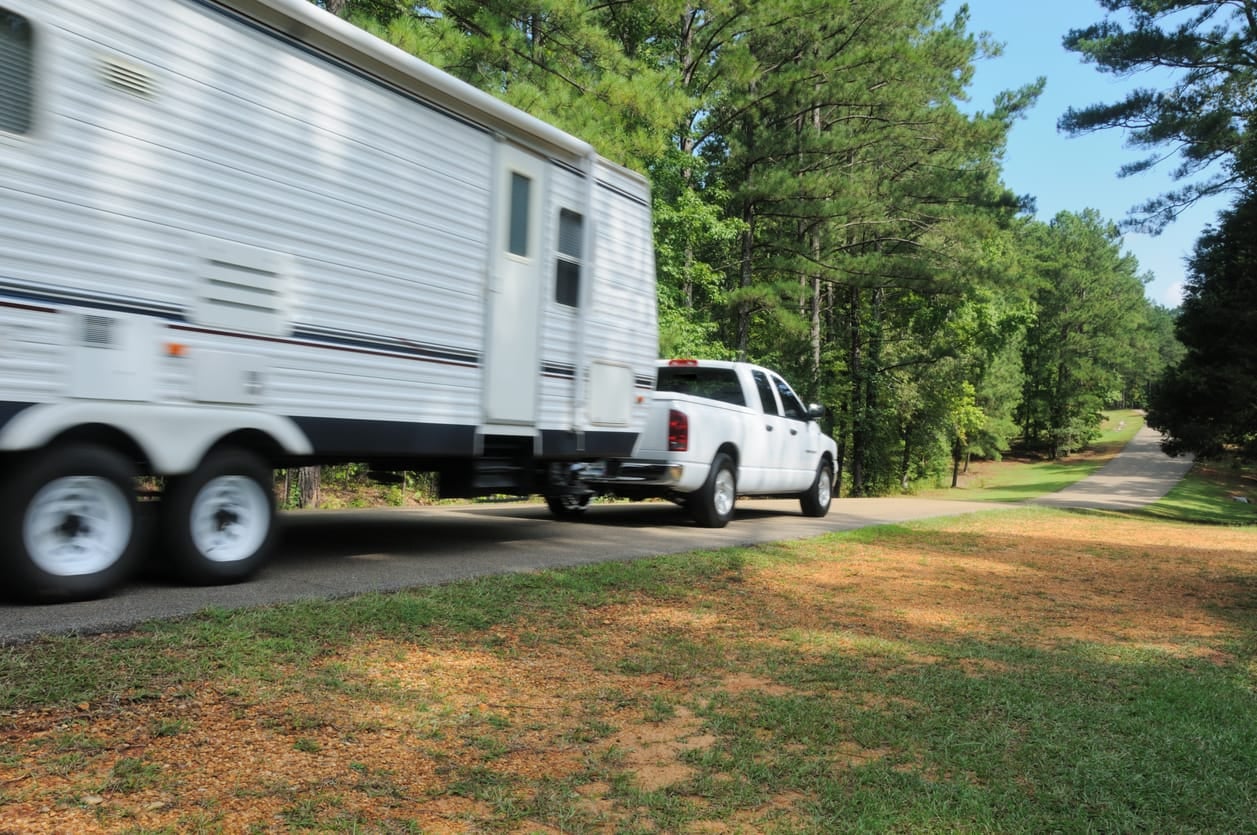
Towables cover travel trailers, fifth wheels, pop ups and toy haulers. These have no engine, so they need a suitable tow vehicle with the correct hitch class, or they travel on a trailer. A fifth wheel requires a pickup with an in bed hitch rather than a standard ball, which is a common misunderstanding.
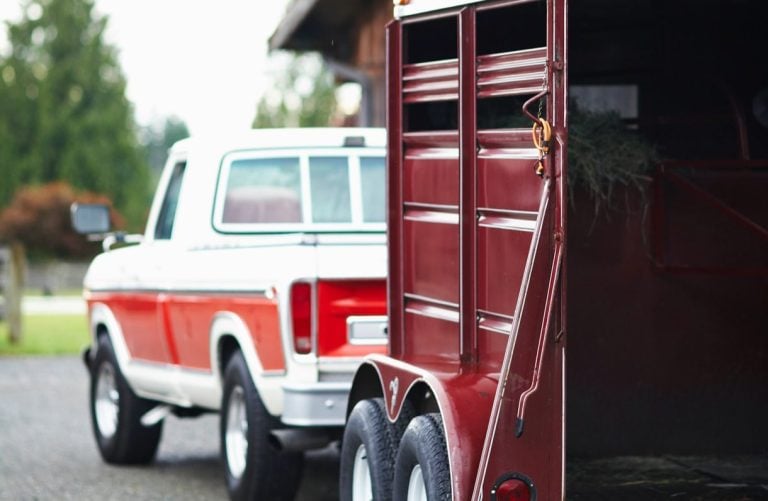
Truck campers are the awkward case. They sit in a pickup bed and have no wheels of their own, so unless they are being moved in the truck they belong to, they need a flatbed and careful support. Quote these specifically.
Size Is the Whole Question
Standard legal limits are 8 feet 6 inches wide, 13 feet 6 inches high on the interstate system, and 80,000 pounds gross. RVs routinely exceed the first two.
Height is where most units cross the line. A Class A coach is commonly 12 to 13 feet 6 inches on its own wheels, and once air conditioners, satellite domes and vents are counted, an apparently legal unit is over. Put it on a trailer and the deck adds several feet, which is why drivable units are frequently driven rather than hauled.
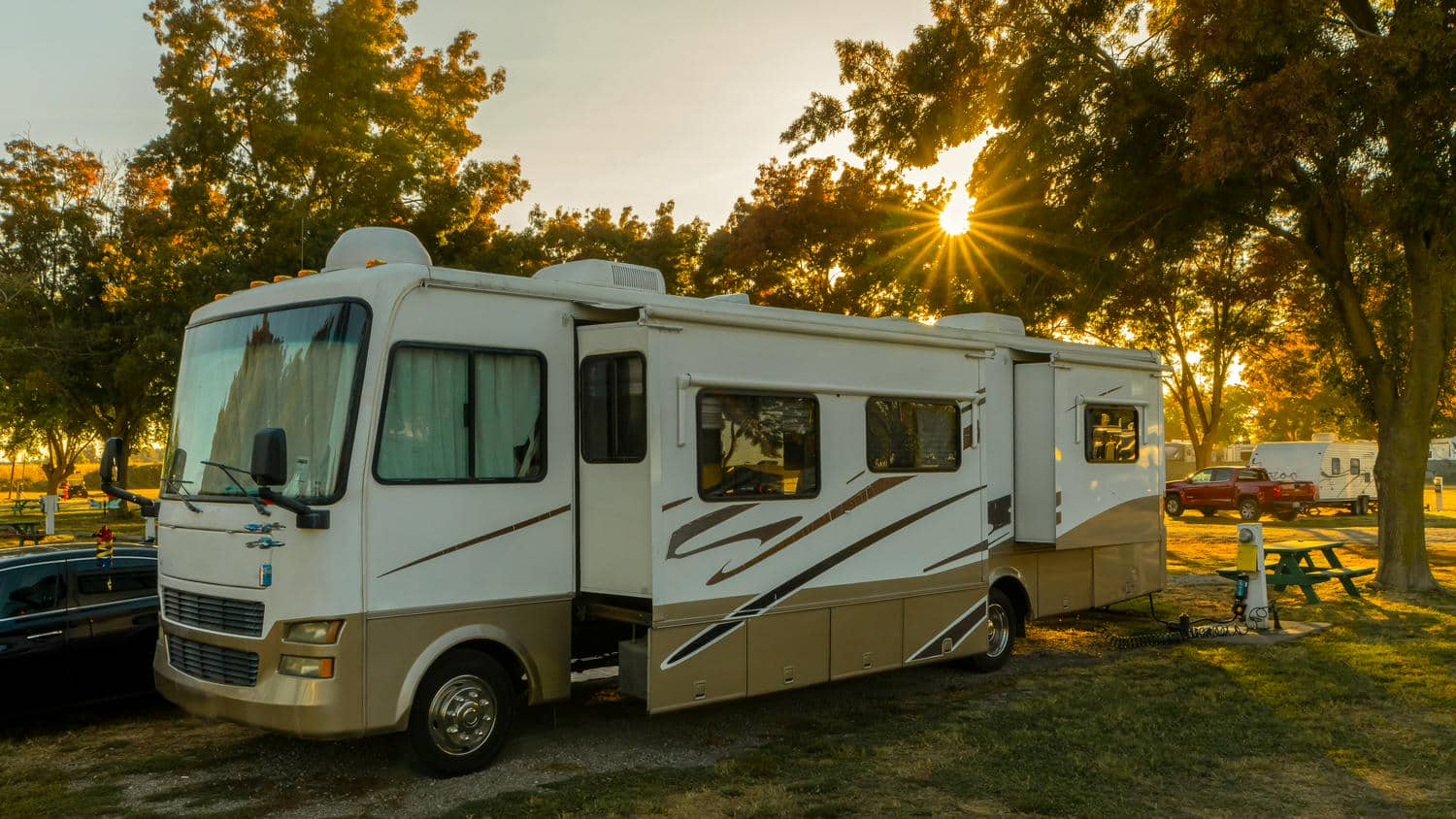
Width matters with slide outs retracted, not extended, but awnings, mirrors and ladders still count. Length brings its own state limits and can restrict which routes are usable.
Past any limit the load needs an oversize permit, issued state by state against a specific unit, configuration and route. Wider or taller loads bring escort vehicles into the picture with thresholds that vary by state, and permitted movement is generally daylight only on weekdays with holiday restrictions. On a multi state move that turns a two day run into a week.
What We Need to Quote It
Accuracy here is the difference between a firm price and a revised one.
Give the year, make, model and category. Give the measured length, width and height rather than the brochure figures, measured to the highest fitted point, because roof mounted equipment is exactly what brochure numbers omit. Give the dry weight from the plate and say what is loaded in it.
Say whether it runs and drives, whether the brakes and lights work, whether the tires hold pressure and how old they are. Say whether it has been standing, and for how long. An RV that has sat for two years is a different job from one driven last week.
For towables, give the hitch type and the coupler height. For anything with slide outs, confirm they retract and seal.
Driven or Hauled
For a drivable motorhome this is the decision that moves the price most, and the trade offs are real in both directions.
Driving it adds mileage, hours and wear to your unit, and puts fuel and a driver’s time on the bill. Hauling it adds no miles to the odometer but usually costs more, needs suitable equipment, and raises the height problem described above.
The rough rule is that a well maintained, roadworthy motorhome on a long move is usually cheaper driven, and a unit that is old, has been standing, has questionable tires or is genuinely valuable is better hauled. If the odometer reading matters to you for resale, say so, because that changes the answer.
Preparing the Unit
Retract the slide outs and awnings, and secure them. Empty and flush the fresh, gray and black water tanks completely, because water is weight and it moves in transit. Turn off the propane at the tank and check whether the carrier requires the tanks removed.
Secure everything inside. Cupboards, drawers, the refrigerator and anything loose will move on a road that a campsite never subjects them to. Latch or lock every external compartment.
Check tire pressures and condition seriously. RV tires frequently fail from age rather than wear, and a unit that has been standing for years on original tires is a blowout waiting to happen, whether it is driven or towed.

Photograph everything in daylight before it moves: all sides, the roof if you can safely reach it, the underside, every existing mark, and the odometer or hour meter. Get existing damage described specifically on the bill of lading rather than as general wear.
Our guide to shipping recreational vehicles covers ATVs, UTVs and smaller units.
Common Questions
Is my RV driven or hauled? Drivable motorhomes are frequently driven by a qualified driver, which is usually cheaper on a long move. Towables and truck campers travel on equipment.
What triggers a permit? Past 8 feet 6 inches wide, the applicable height limit, or the length limits that apply state by state.
Why do you need measured dimensions? Brochure figures exclude roof mounted air conditioners, vents and domes, which is exactly what pushes a unit over height.
Do I empty the tanks? Yes, all three. Water is weight and it shifts in transit.
What about tires on a unit that has been standing? Have them checked. RV tires usually fail from age rather than tread wear.
Get a Quote
Call Ship A Car, Inc. at (866) 452-3657 for specialized transport with the unit’s year, make, model, measured dimensions and weight, and both addresses, or request a quote through the specialized transport calculator.