
How to Ship a Snow Removal Plow
The question that decides this job is whether the plow is coming as a bare blade or still mounted to a truck, because those are two completely different loads. A detached blade is palletized freight: heavy, awkward, and priced on weight and dimensions. A plow still on a truck is a vehicle move where the blade makes the whole thing wider than legal. Say which you have first and everything else follows.
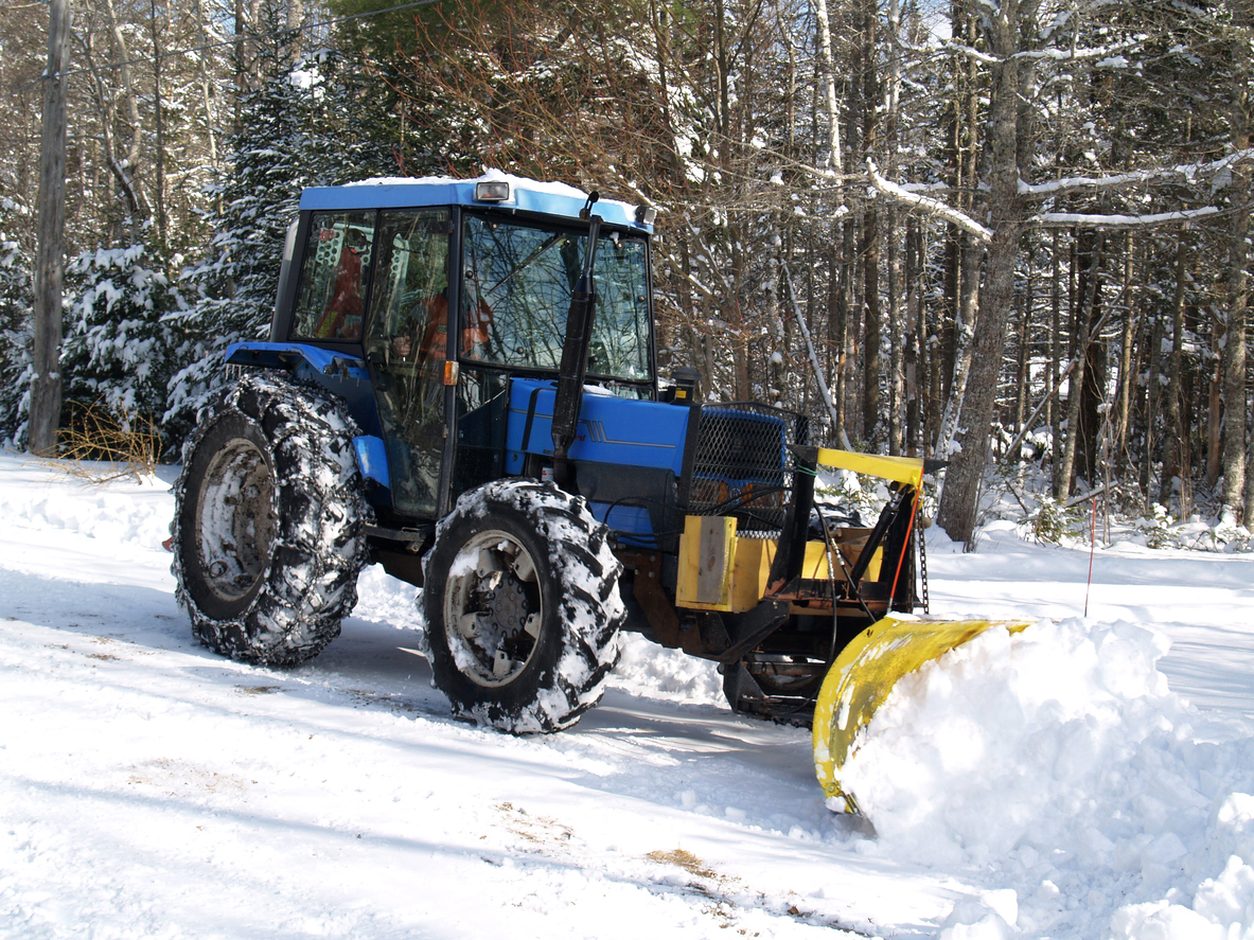
Take the Blade Off If You Can
Most plows are designed to detach, and detaching is almost always the cheaper answer.
A straight blade on a pickup runs roughly 7 to 9 feet wide; a V plow or a wing plow is wider again, and a municipal blade wider still. Legal width is 8 feet 6 inches, so a mounted plow frequently puts the whole load into permit territory on width alone, which means a permit for every state on the route and possibly escorts.
Detached, the same blade ships as freight beside the truck, and the truck itself becomes an ordinary vehicle shipment. Two straightforward loads usually beat one permitted one.
Most plow mounts release with pins and a hydraulic or electrical connector, and it is a job of minutes on a modern quick attach system. If yours is welded or otherwise fixed, say so at booking.
Weights to Expect
Plows are heavier than they look, and the weight is what surprises people quoting freight.
A residential pickup plow runs roughly 500 to 900 pounds. A commercial straight blade sits somewhere around 700 to 1,200. A V plow is heavier again. A full municipal blade with its own hydraulics can run several thousand pounds, and a wing plow assembly more.
Weigh it rather than estimating, and give the weight with the mount, the hydraulic pump and any hoses attached if those are traveling with it.
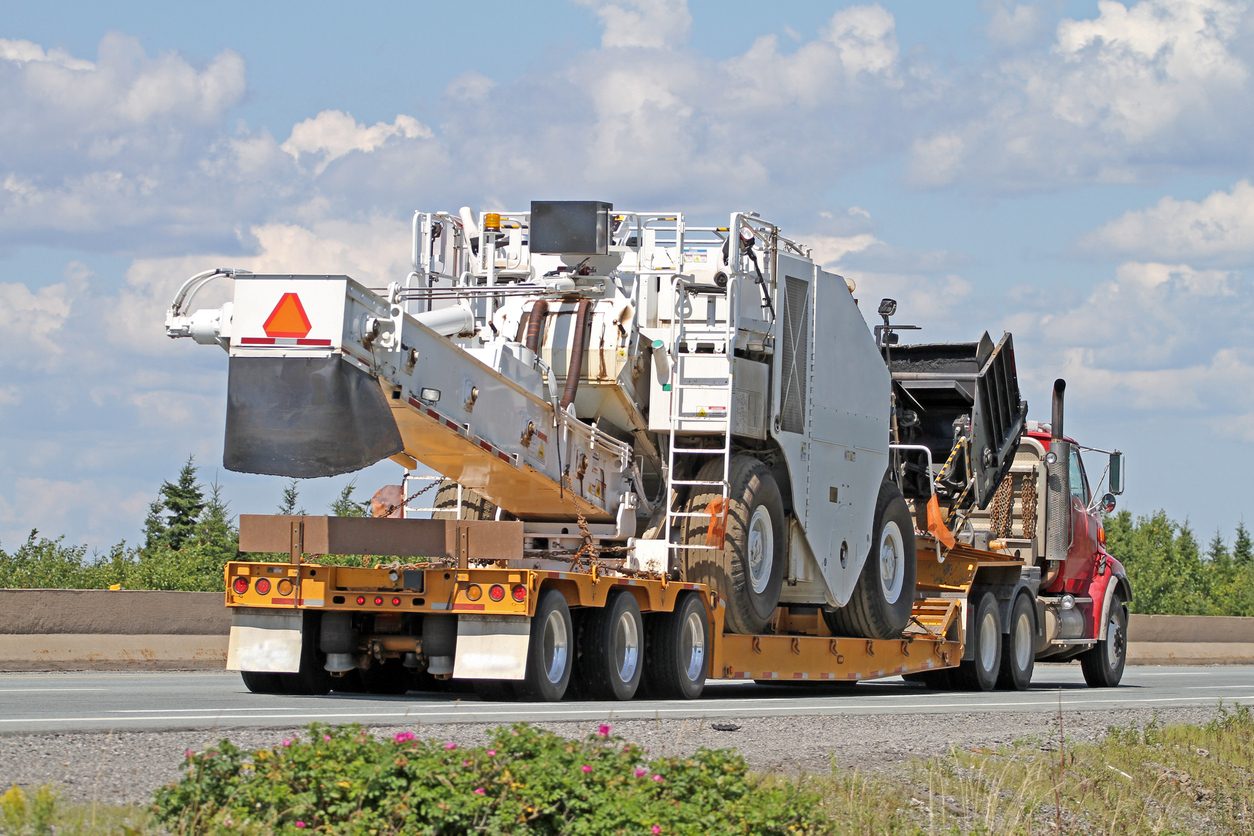
Drain the Hydraulics
The part people skip, and the reason a load gets refused.
A plow’s lift and angle cylinders hold hydraulic fluid, and so do the hoses and the pump. Left charged, fittings weep over a few hundred miles of vibration, and a leak onto a carrier’s deck or over other freight is an expensive problem for everyone.
Drain or depressurize the system, cap every open fitting, and coil and secure the hoses rather than leaving them hanging. If the plow is going into storage at the other end, that draining is worth doing anyway.
Then retract or fully lower the blade and pin it so nothing can move.
How a Detached Blade Ships
It goes on a pallet or a skid, and the build matters more than the distance.
Bolt or band the blade to a pallet rated well above its weight so it cannot shift or tip. A plow’s center of gravity is high and its footprint is narrow, which is a bad combination on a forklift, so brace it rather than relying on straps alone. Keep everything within the pallet footprint.
Protect the cutting edge and the mounting hardware, and photograph the whole assembly before it is wrapped. A liftgate is worth arranging at any end without a dock or a forklift, because a 900 pound plow on a pallet is not something two people move.
If It Stays on the Truck
Sometimes it has to, and then the load is quoted on the combined dimensions.
Measure the width at the widest point of the blade with it in its travel position, and the height from the ground to the highest point of the truck. Past 8 feet 6 inches wide it is a permitted load with routing and travel window restrictions, and permitted loads move in daylight on weekdays.
Angle the blade in if the design allows it, since a plow angled rather than square is often several inches narrower, and several inches can be the difference between a permit and no permit.
Common Questions
Should the plow come off the truck? Almost always. Mounted, it usually exceeds legal width and turns the move into a permitted load.
What does a plow weigh? Roughly 500 to 900 pounds for a residential pickup plow, 700 to 1,200 commercial, several thousand for a municipal blade.
Do I have to drain the hydraulics? Yes, and cap the fittings. A leaking plow will be refused and it contaminates other freight.
How does a detached blade ship? Bolted to a pallet as freight, braced rather than just strapped, with a liftgate at any end without a forklift.
Does angling the blade help? Often. An angled plow can be several inches narrower, which can keep the load inside legal width.
Get a Quote
Call Ship A Car, Inc. at (866) 452-3657 for freight and specialized transport, and tell us whether the plow is detached or still mounted, its measured width and its weight.