Power-Only Trucking: A Guide for Shippers
Power-only means you supply the trailer and the carrier supplies the tractor and driver, and it exists because trailers and tractors have completely different economics. A trailer is cheap to own and useless standing still. A tractor is expensive and only earns while moving. Separating the two lets each be used the way it should be.
What Power-Only Actually Is
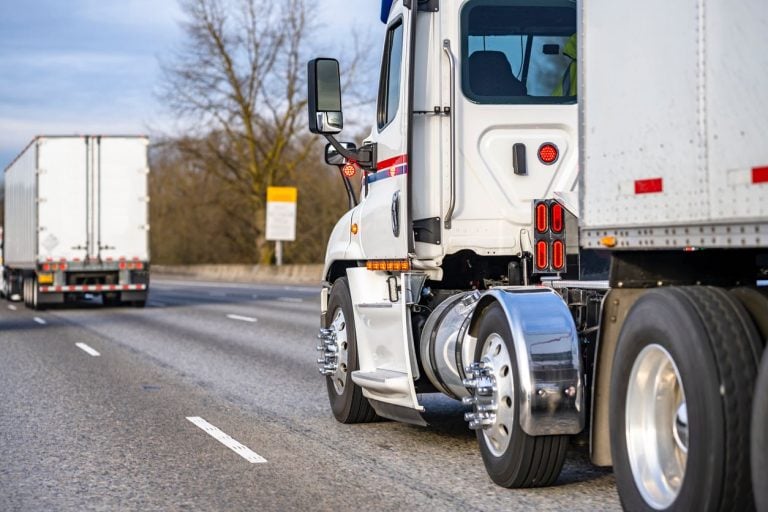
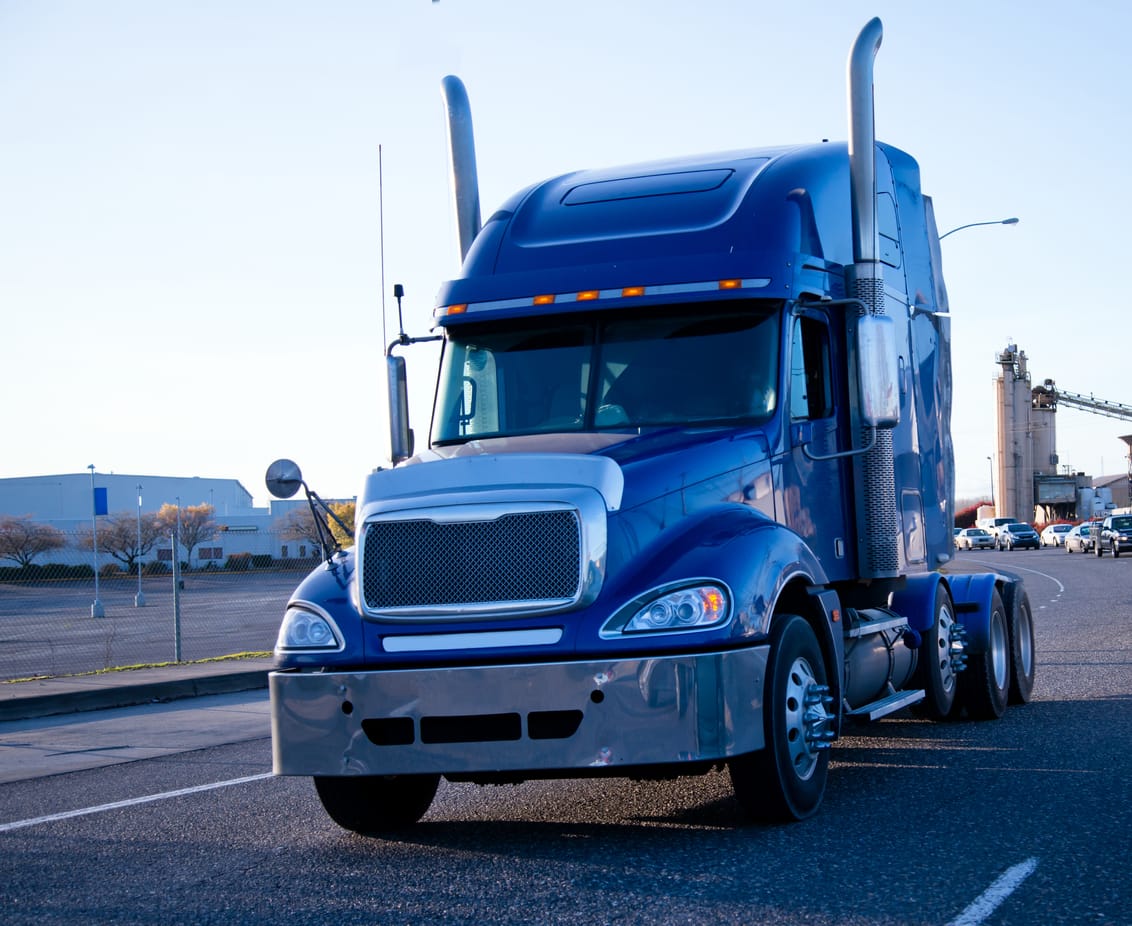
A power-only carrier brings a tractor and a qualified driver to hook to a trailer that somebody else owns: yours, your customer’s, a leasing company’s, or one dropped by another carrier.
The carrier is responsible for the movement, the hours of service and the driving. The trailer’s condition, registration and maintenance remain with whoever owns it, which is the single most important thing to understand about the arrangement.
It is common in drop-and-hook operations, in retail and distribution networks where trailers sit at docks being loaded, in equipment relocation, and increasingly through digital platforms that match available tractors to waiting trailers.
Why Shippers Use It
Four reasons, and they are mostly about asset utilization.
You already own trailers. If your business has trailers sitting at docks being loaded and unloaded, paying for a carrier’s trailer as well is paying twice. Power-only uses what you have.
Drop and hook removes waiting. A driver who arrives, drops an empty and takes a loaded trailer is on the road in minutes. A driver waiting to be live-loaded burns hours that come out of their legal driving day and out of your rate.

Flexibility on capacity. You can scale tractors up and down without buying them, which suits seasonal businesses and project work.
Specialized trailers. If your freight needs a trailer type that is scarce, owning it and hiring power removes the constant search for a carrier who happens to have one.
Where the Responsibility Sits
This is where power-only arrangements go wrong, so it is worth being precise.
Trailer maintenance is the owner’s. Brakes, tires, lights, the landing gear and the annual inspection all belong to whoever owns the trailer. A driver will inspect before hooking and is entitled to refuse a trailer that is not roadworthy, and refusing is the correct response rather than an inconvenience.
Roadside violations still attach to the driver and carrier. If a trailer has a defect found at an inspection, it is the carrier’s record that takes the out-of-service order even though the trailer is yours. That is why they inspect properly and why they will decline.
Insurance is split. The carrier’s liability coverage responds to the movement. Physical damage to the trailer is usually the owner’s responsibility unless a separate agreement says otherwise. Cargo coverage needs to be established explicitly rather than assumed.
Get all three in writing before the first load rather than after the first problem.
What to Establish Before You Book
Six practical questions.
What is the carrier’s operating authority and safety record? Look it up in the Federal Motor Carrier Safety Administration’s public system rather than taking it on trust.
What are the liability and cargo limits, and does cargo coverage apply to freight in a trailer they do not own?
Who is responsible if the trailer is damaged in their custody, and what is the process?
What happens if the driver arrives and declines the trailer as unroadworthy? Establishing that in advance prevents an argument on a loading dock.
Is the trailer registration and inspection current, and who holds the paperwork the driver will need?
And what is the detention arrangement if loading runs long?
How Pricing Works
Power-only prices differently from full-service truckload, and understanding why helps you judge a rate.
The carrier is selling the tractor, the driver and the hours, not the trailer. That removes real cost from their side: no trailer purchase, no trailer maintenance, no trailer insurance, and no empty trailer to reposition. A power-only rate should therefore sit below a comparable full-service rate for the same lane.
What it does not remove is the driver, the fuel, the tractor’s own maintenance and the empty miles the tractor runs to reach your trailer. Those are most of the cost in any truckload movement, which is why the discount is meaningful rather than dramatic.
Deadhead matters more than usual here. If your trailer is somewhere a tractor has to travel a long way to reach with no load, those miles are in your rate. Lanes where power-only works best are ones with tractors already circulating, which is why it suits dense distribution networks better than isolated locations.
Detention is the other line to settle. A driver waiting at a dock is a tractor earning nothing, and power-only arrangements usually have tighter free time than live-load contracts because the whole point was to avoid waiting.
Preparing a Trailer for Power-Only
Treat it like a pre-trip inspection, because that is what the driver will do.
Check tires including pressure and tread depth, and look at the date codes: trailer tires frequently age out before they wear out. Test all lights and the electrical connection. Check the brakes and air lines, the landing gear, the kingpin and the fifth wheel plate.
Confirm the annual inspection is current and the sticker is displayed, and have the registration where the driver can find it.
Then make sure the load is properly secured and the weight is legally distributed across the axles. A trailer that is loaded heavy at the nose or the tail will not pass a scale regardless of the gross figure, and the axle weights are the owner’s responsibility to get right. Our guide to wide and oversize loads covers the weight rules that apply.
When Power-Only Is Not the Answer
If you do not own trailers, this is simply a more complicated way to buy transport. Hire a carrier with its own equipment.
If your trailers are poorly maintained, power-only will expose that immediately through declined hooks, and the fix is maintenance rather than a different carrier.
And for a one-off move it rarely justifies the contractual setup. It earns its complexity on repeated, predictable volume.
Common Questions
What is power-only trucking? You supply the trailer; the carrier supplies the tractor and driver.
Who maintains the trailer? The owner. Brakes, tires, lights, landing gear and the annual inspection all remain with you.
Can a driver refuse my trailer? Yes, and they should if it is not roadworthy, because a defect found at inspection goes on their carrier’s record.
Who covers damage to the trailer? Usually the owner unless agreed otherwise. Establish it in writing before the first load.
When is it not worth it? If you do not already own trailers, or for a single one-off movement.
Get a Quote
Call Ship A Car, Inc. at (866) 452-3657 for freight and specialized transport with the trailer type, the load and both site addresses, or price it with the specialized transport calculator.