Transporting Marine Equipment State to State: Boats, Docks, Lifts and Everything Else on the Water
Marine equipment is a category, not a single job. A jet ski on a single-axle trailer, a pontoon boat, a section of floating dock, a four-post boat lift, a pallet of outboard engines and a houseboat are all “marine equipment,” and they ship five different ways at five different price points.
The good news is that the whole category sorts with two questions: does it roll on its own trailer, and does it fit inside legal road dimensions? Answer those and the method, the paperwork and most of the price fall into place.
Sort It by the Two Questions
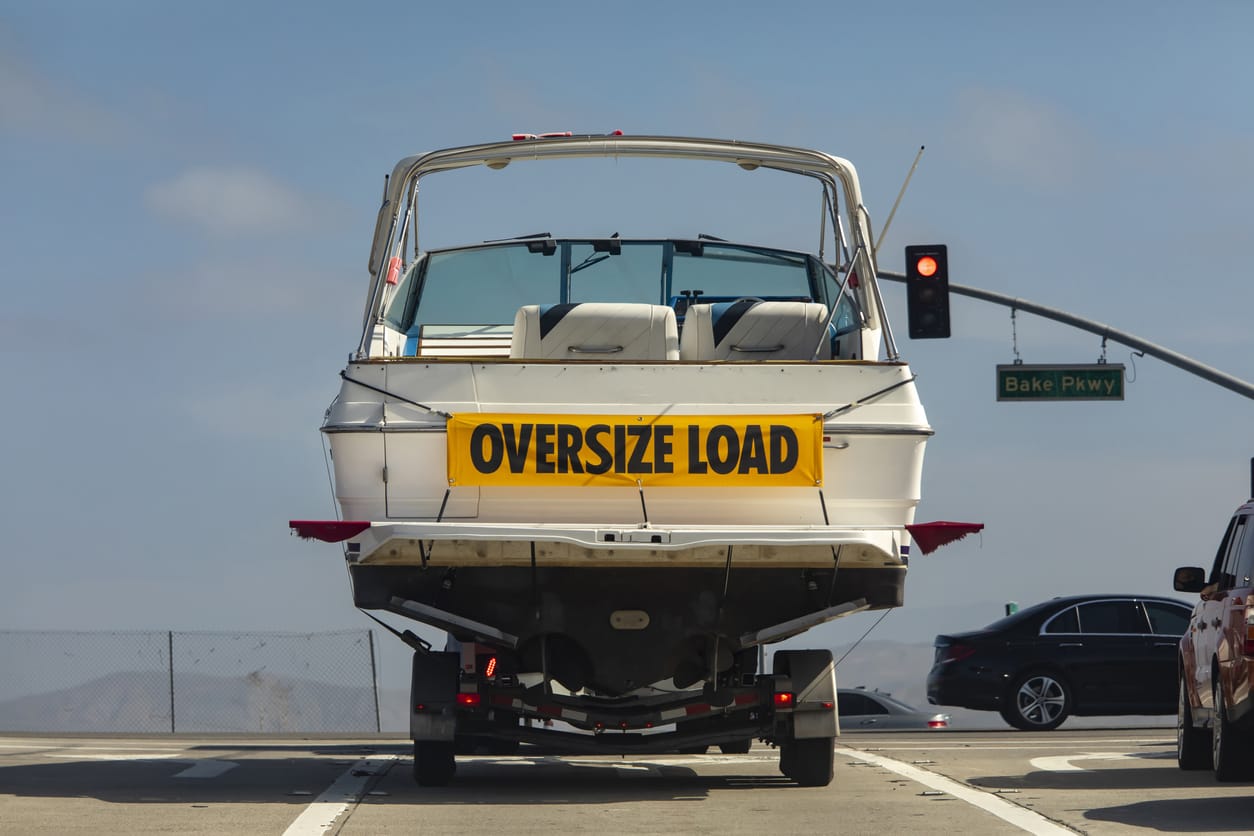
Rolls and fits: tow it. Watercraft on roadworthy trailers, such as jet skis, runabouts, bass boats, and most pontoons, move as tow-away freight. The trailer must genuinely be roadworthy: tires, lights, bearings, and registration where required. This is the cheapest lane in the category.
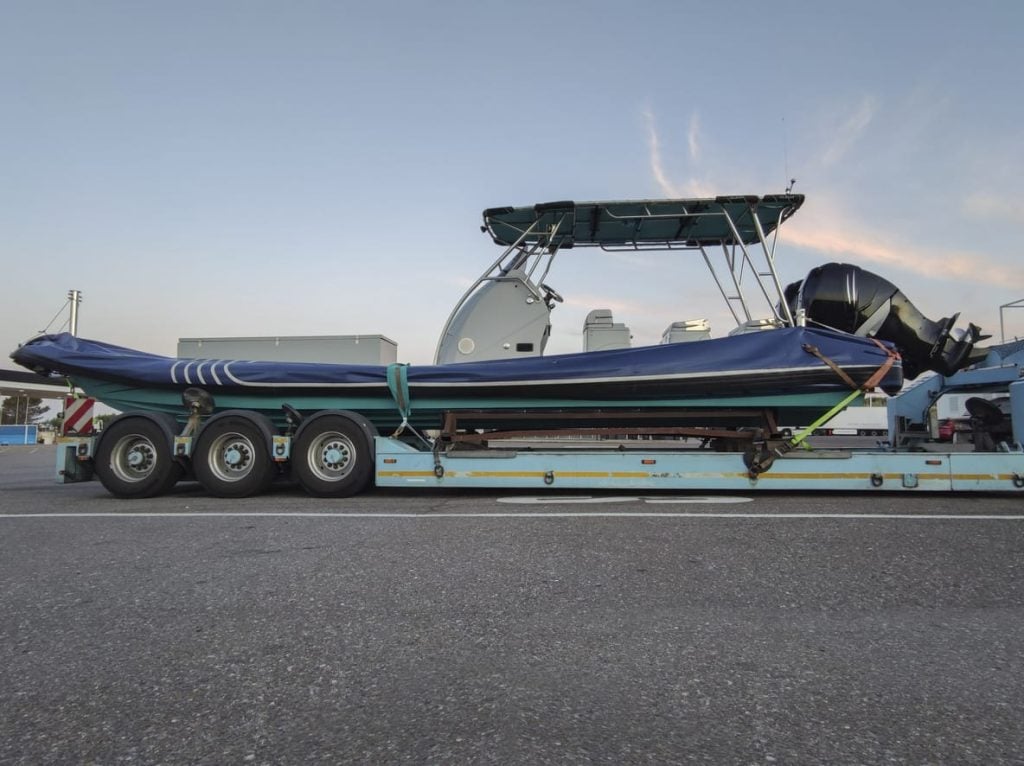
Fits but does not roll: deck it. Engines, dock sections, lifts, davits, fuel tanks and dismantled hardware travel on flatbeds or step decks, strapped and often crated. Anything that can be palletized should be, because palletized freight loads faster, rides better and claims cleaner.
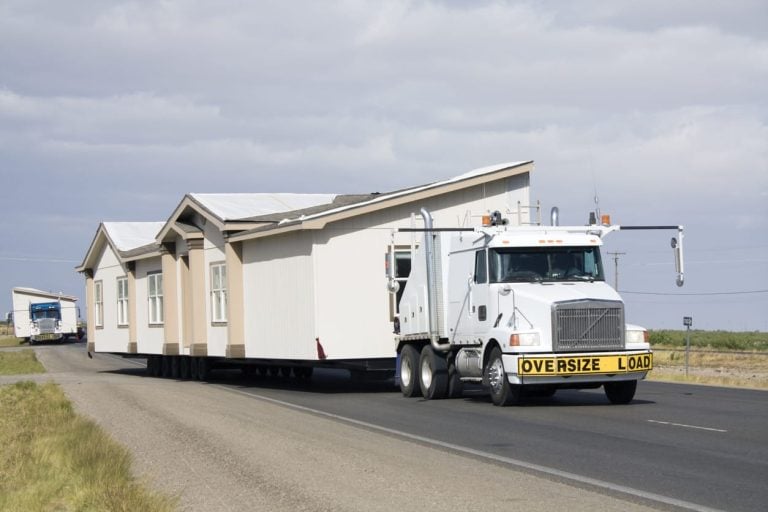
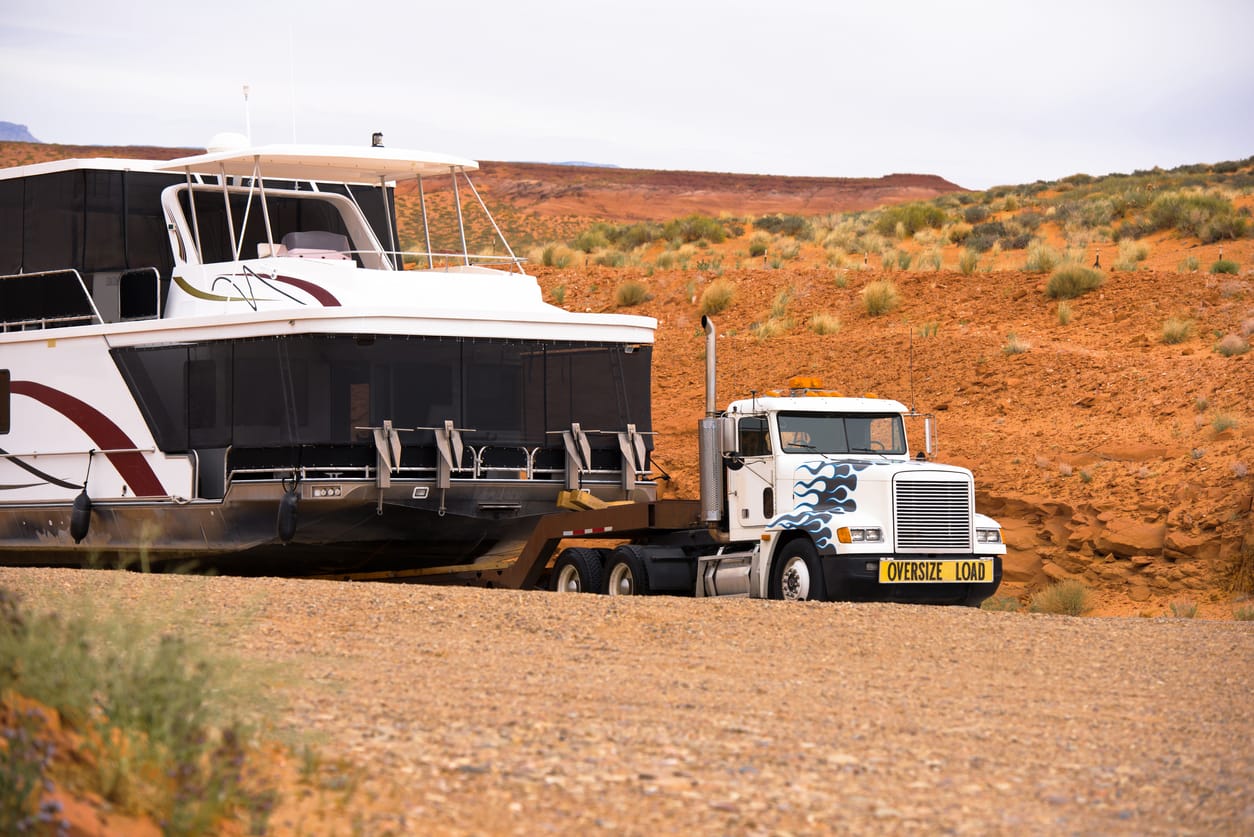
Rolls or floats but does not fit: permit it. Beam wider than 8 feet 6 inches makes the load oversize in every state it crosses, with per-state permits, routing conditions and, at larger widths, escort vehicles. Most cruisers, houseboats and assembled dock systems live here. Our page on boat transport covers the vessel side of this in detail.
The Loads People Underestimate
Docks. A floating dock disassembles into sections that stack on a flatbed, and the labor of disassembly is the real cost. An assembled dock is a wide, fragile, wind-catching load that needs permits and patience. If the manufacturer built it in sections, ship it in sections.
Boat lifts. Aluminum lifts are light but bulky and bend easily under bad strapping. They travel best partially dismantled, with the cradle beams padded where straps cross. Steel lifts are a weight conversation as much as a dimension one.
Engines and outdrives. An outboard ships upright on its bracket or crated on a pallet, drained of fuel, with the powerhead supported the way the manufacturer specifies. Loose engines rolling around a deck are how a five-figure powerhead becomes a claim.
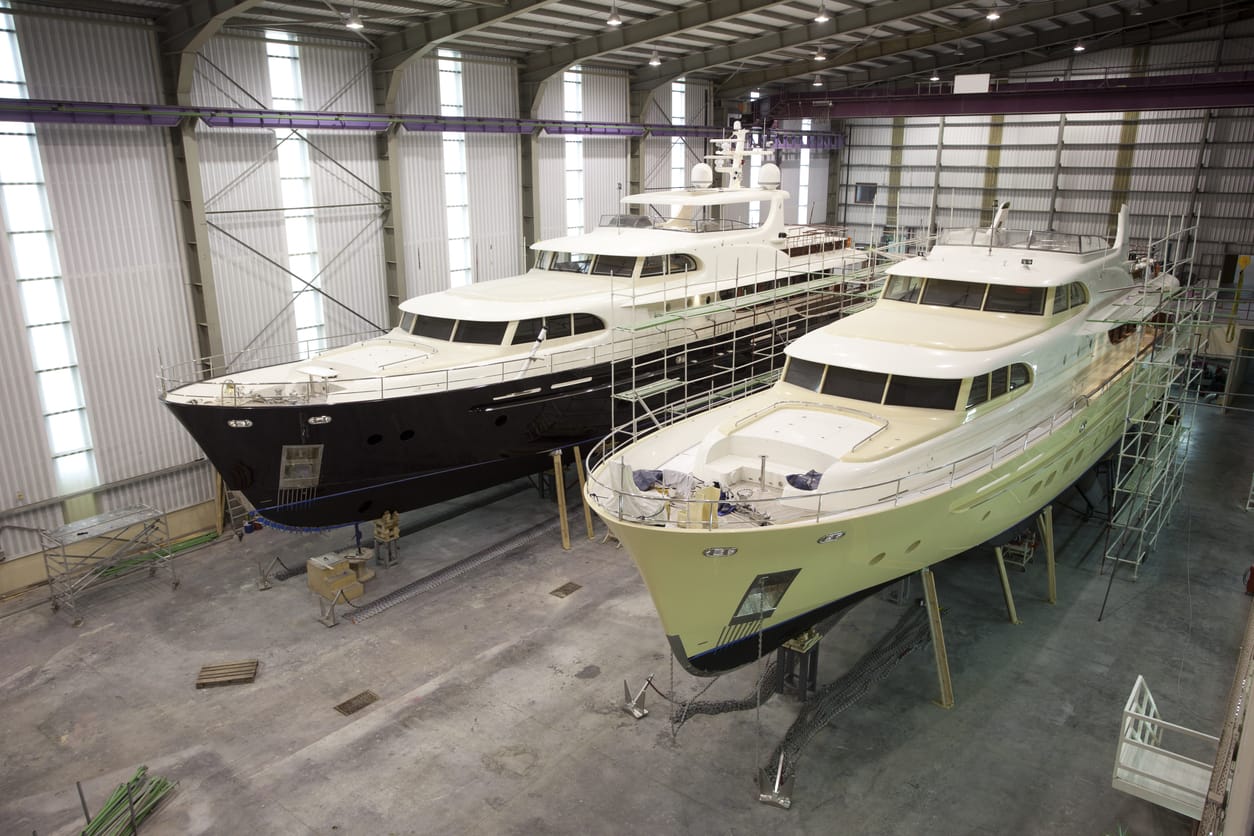
Houseboats and large cruisers. These are heavy-haul projects: hydraulic trailers, height surveys along the route, utility escorts where wires must be lifted. They are entirely routine for the right operator and impossible for the wrong one, which makes carrier selection most of the job.
What State to State Actually Adds
Crossing state lines multiplies the permit paperwork on oversize loads, because each state issues its own permit with its own fees, travel hours and holiday blackouts. A five-state houseboat move is five permit applications that must agree with each other on route and dates. A competent specialized broker handles that stack as one job, which is the practical argument for not booking oversize marine freight state by state yourself. The rules of the oversize world are set out in our guide to over-dimensional freight.
Seasonality is real money in this category. Spring launch and fall haul-out are the crunch, and dock and lift freight peaks right alongside the boats. A dock system shipped in February moves cheaper and books easier than the same load in April.
Preparing Marine Equipment for the Road
Drain everything. Fuel to near empty, water out of bilges, tanks and lines. Water is weight, and in winter it is ice damage.
Strip the removables. Electronics, canvas, antennas, props where practical. Highway wind at 65 destroys what a marina breeze never touched.
Photograph before pickup. Gelcoat, aluminum rails and painted steel all scratch, and the claim conversation starts with your daylight photos, not your memory.
Measure honestly. Beam at the widest point, height as loaded, weight with everything aboard. A load that arrives two inches wider than quoted is a re-permit, a delay and a bill.
Access at Both Ends
Marine moves fail at the loading point more often than on the road. The questions to settle before booking: who lifts the equipment and with what, whether the marina or yard needs an appointment for its travel lift or crane, whether the approach has overhead clearance for a loaded step deck, and whether the ground bears the weight where the truck must stand. A residential lakefront pickup with a soft lawn, a low branch line and no lift on site is a different job from a commercial yard with a crane, and the quote should know which one it is pricing. Photographs of both loading points, sent with the dimensions, prevent most of the surprises that otherwise appear on delivery day.
Insurance and the Carrier Check
Verify the carrier’s authority and ask for the certificate of insurance, then read the cargo limit against the actual replacement value of what is on the deck. Marine equipment values run higher than people expect, since a modest lift, dock section and engine set can pass six figures together, and the cargo limit applies to the whole load, not to your items alone. For high-value moves, ask about additional declared-value coverage rather than assuming.
Common Questions
What is the cheapest way to ship small marine equipment? On its own roadworthy trailer if it rolls; palletized on a flatbed if it does not.
Do docks ship assembled? They can, as permitted oversize loads, but sectional shipping on a flatbed is almost always cheaper and safer.
When does marine freight need permits? Above 8 feet 6 inches of width, in every state the route crosses, with escorts at larger dimensions.
When should I ship? Off season. Late fall through late winter beats the spring launch and fall haul-out crunches on both price and availability.
Is my equipment insured in transit? Under the carrier’s cargo policy, up to its limit. Check the certificate against your equipment’s real value before booking.
Get a Quote
Call Ship A Car, Inc. at (866) 452-3657 with dimensions, weight, both addresses and how the equipment will be loaded at each end, or request a quote through the specialized transport calculator.