Auto Transport for Events and Trade Shows
The deadline that matters is not the show date, it is the venue’s load in window, and it is usually days earlier and only a few hours wide. Convention centers and fairgrounds schedule dock and floor access tightly, because dozens of exhibitors are moving in at once. A truck that arrives outside its assigned slot waits, sometimes until the next window. Work backwards from that time rather than from the opening day and event transport becomes straightforward.
Work Backwards From Load In
Get the venue’s move in schedule before you book transport, not after. It will specify a date, a window and often a specific dock or gate.
Then build in slack. Standard auto transport is sold on pickup and delivery windows of a day or two, which is fine for a house move and useless against a fixed slot. For an event you either pay for a guaranteed delivery date, or you ship early enough that an ordinary window still lands before the deadline. Shipping early and storing locally is frequently cheaper than paying for a guarantee, and it removes the risk entirely.
Tell us the load in time when you book. It changes how the load is priced and dispatched, and a carrier who knows the deadline plans around it.
Book the Return at the Same Time
This is the mistake that costs exhibitors the most, and it is entirely avoidable.
Every exhibitor leaves within a few hours of each other, so demand for outbound capacity at a venue spikes hard the moment a show closes. Arranging the return leg when you arrange the outbound secures a slot before that rush, and it is usually cheaper as a round trip than as two separate bookings.
Move out windows are also enforced. Venues charge for overstaying, and a vehicle still on the floor after the window closes becomes an expensive problem.
Enclosed Is Usually the Right Answer Here
For an everyday car open transport is fine. For a show vehicle it usually is not, and the reason is presentation rather than safety.
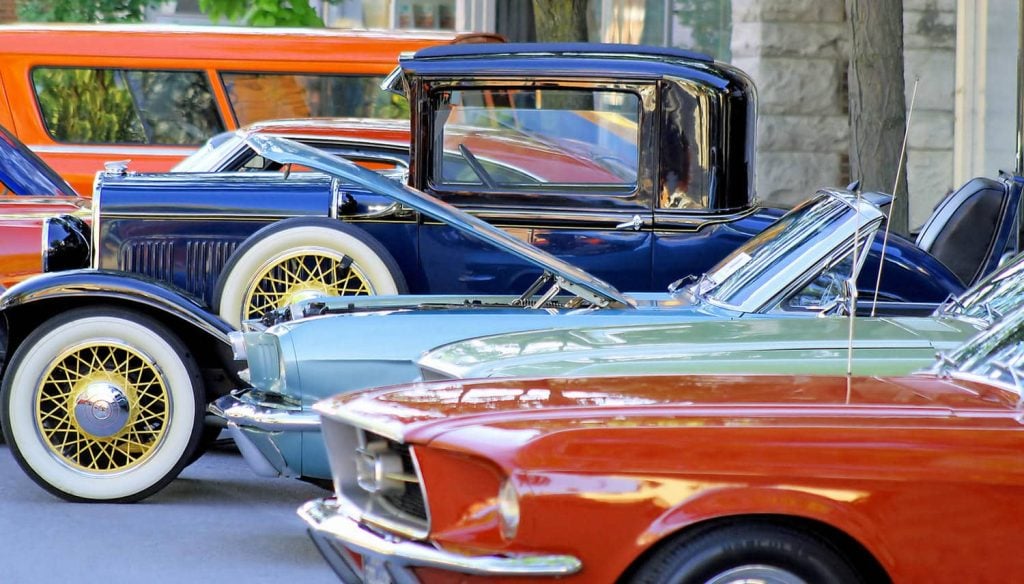
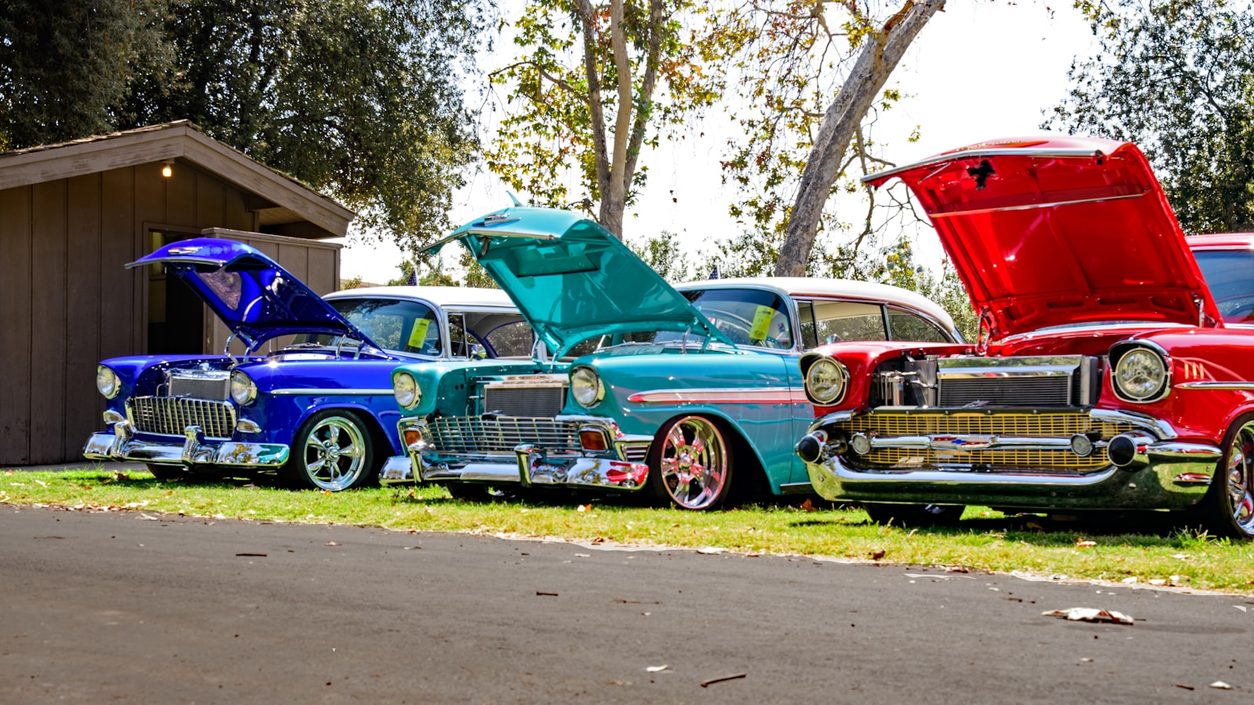
A car that arrives covered in road film needs detailing before it can be displayed, and detailing on site costs time you may not have. Enclosed transport arrives clean. It also suits what tends to travel to events: show cars, wrapped promotional vehicles, prototypes, restored classics and anything with paint that a stone chip would genuinely damage.
Enclosed adds about a third, and for a vehicle whose whole purpose is to be looked at, that is the cheapest part of the exhibit.
Fleets and Multiple Vehicles
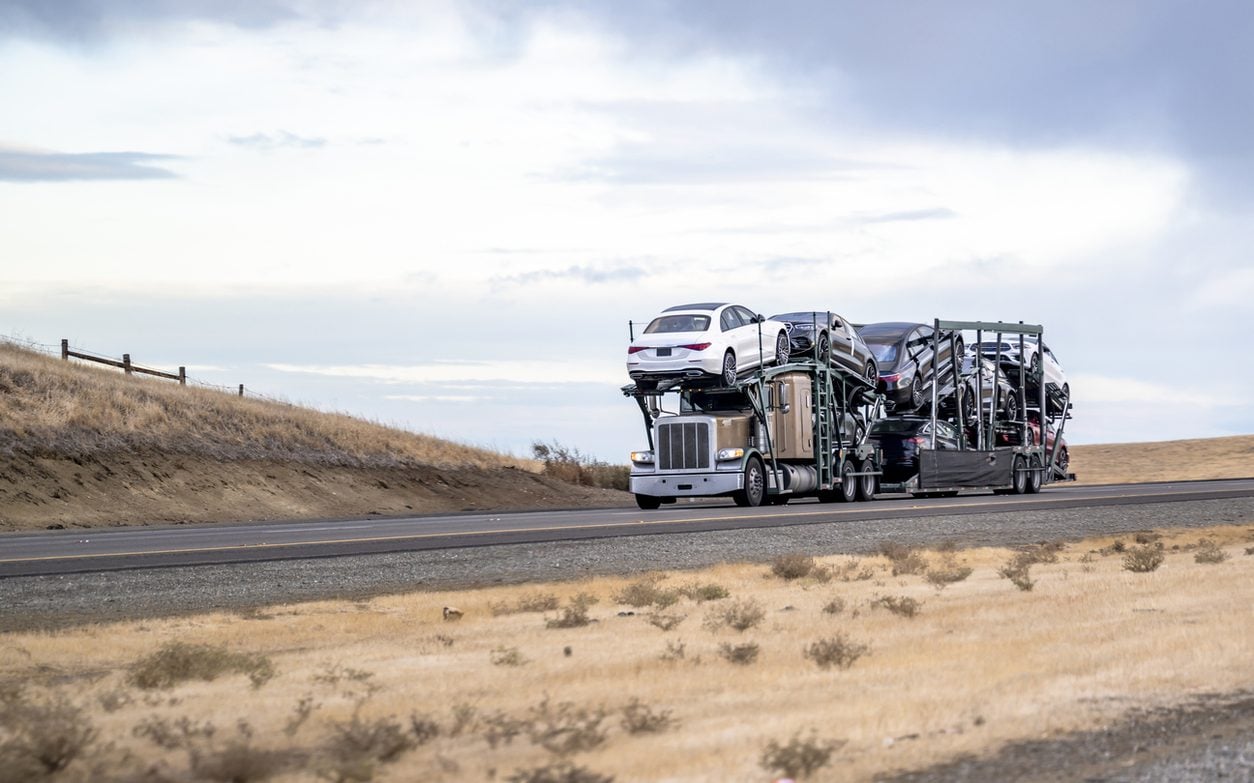
If you are moving several vehicles to the same event, book them together. One dispatch and one route filling several slots is materially cheaper per vehicle than separate bookings, and it means they arrive together rather than trickling in across the load in window.
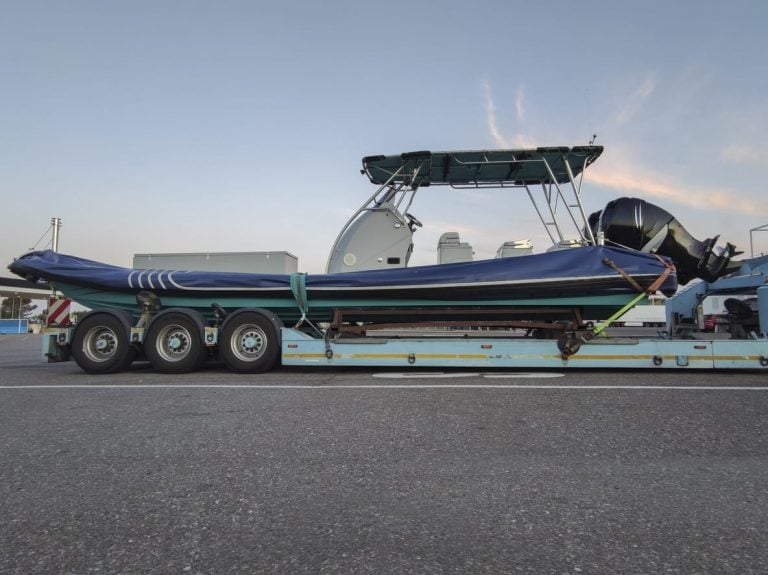
For a large display, a dedicated trailer is worth pricing. It removes the other customers from the schedule entirely, which is the surest way to hit a fixed time.
Non Running and Unusual Vehicles
Plenty of what goes to shows does not drive. Prototypes, concept builds, partially restored cars and static display pieces all need declaring as inoperable so the carrier brings a winch and plans the loading.
Say whether it starts, whether it rolls, and whether it steers and brakes. Also flag anything unusual about the vehicle: very low ground clearance needs a lift gate rather than ramps, and an oversized or modified vehicle may need a different trailer altogether.
Value and Insurance
Carrier cargo insurance has limits, and a show vehicle can exceed them comfortably.
Ask for the certificate of insurance and the cargo limit once a carrier is assigned, then compare that figure against what the vehicle is actually worth. If there is a gap, arrange additional coverage before it ships rather than discovering the shortfall afterwards. This matters more for events than for ordinary moves because the vehicles are typically worth more and are often irreplaceable.
Common Questions
When should the vehicle arrive? Inside the venue’s load in window, which is usually days before the show opens and only a few hours wide.
Do I need a guaranteed delivery date? Either that, or ship early enough that a normal window still lands before load in. Shipping early is often cheaper.
Should it go enclosed? Usually. A show vehicle that arrives dirty needs detailing before it can be displayed.
Can you move several vehicles together? Yes, and it is cheaper per vehicle and keeps the display arriving as one.
What about a car that does not run? Declare it as inoperable. It needs a winch, and low vehicles need a lift gate rather than ramps.
Get a Quote
Call Ship A Car, Inc. at (866) 821-4555 with the venue, the load in window and how many vehicles, or request an estimate for the move through the quote calculator.