How to Ship a Trash Compactor
The two figures that decide a compactor move are its overall height and whether the hydraulic power unit is attached, because those determine the trailer and whether the load needs a permit. A stationary compactor is a heavy steel box with a hydraulic ram, typically 8,000 to 20,000 pounds and often over 8 feet tall before it reaches a deck. Self contained and vertical units differ again. Measure the actual machine rather than working from a brochure.
Know Which Type You Have
The category changes the job, and the terms get used loosely.
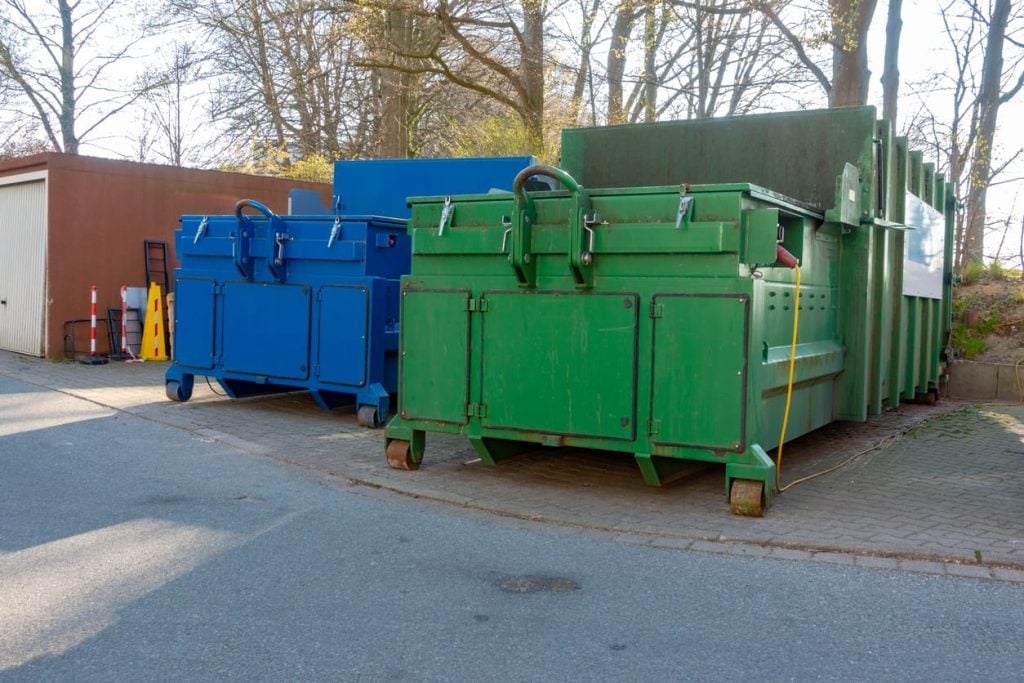
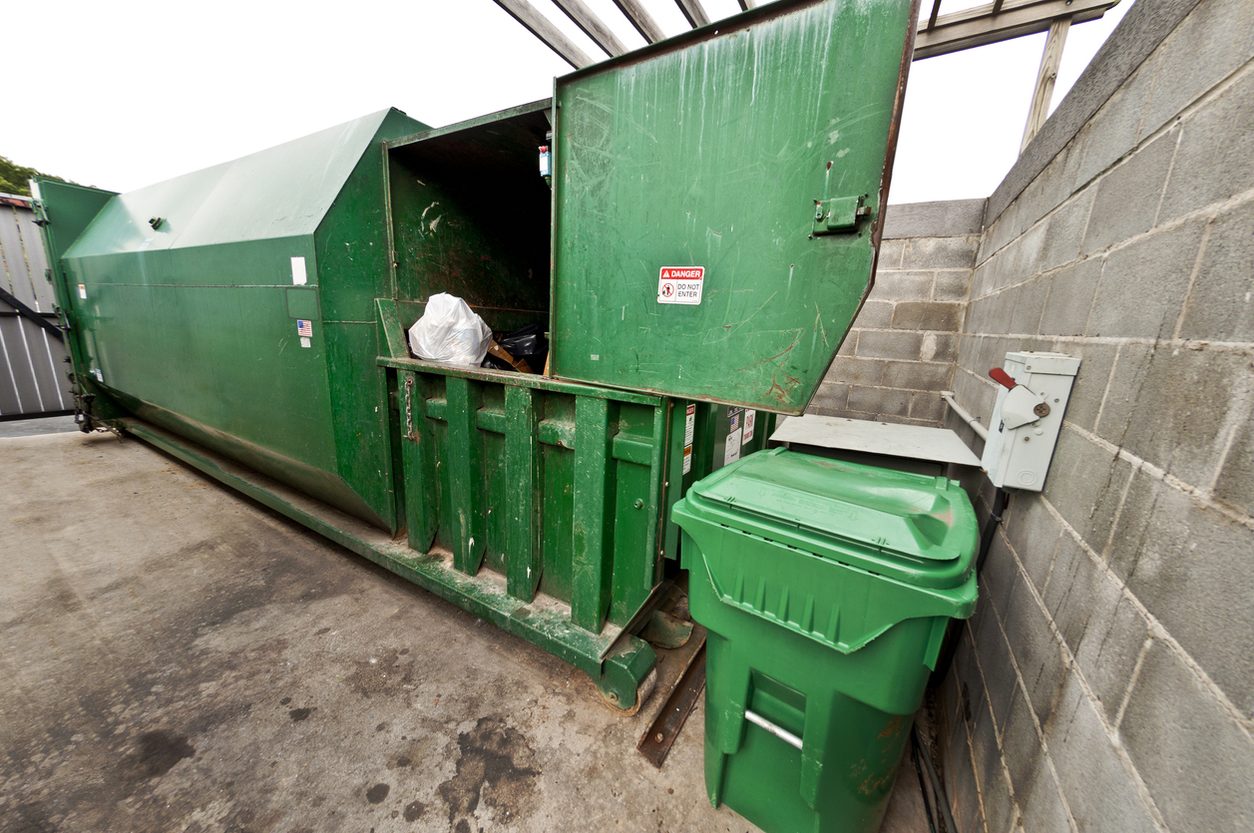
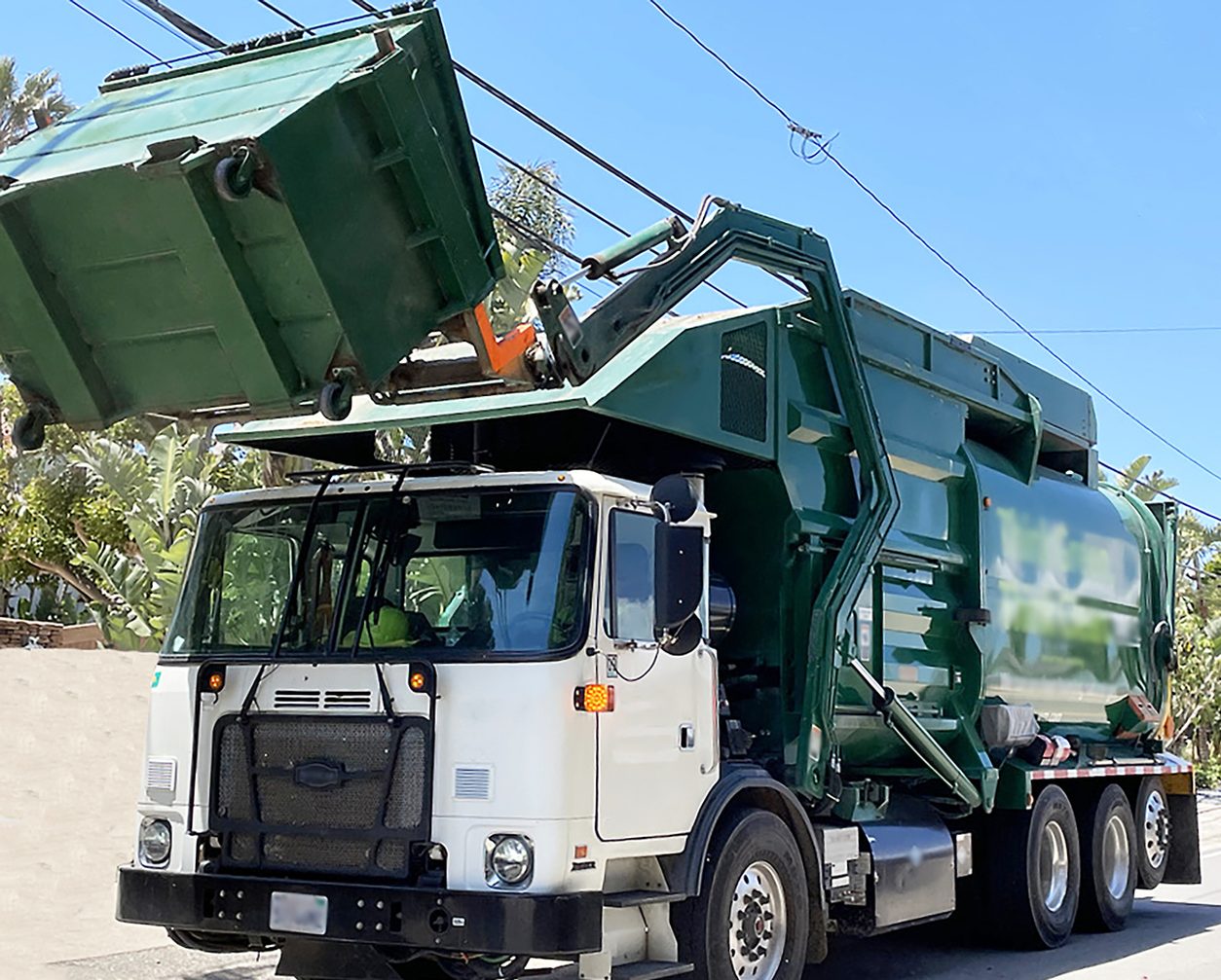
A stationary compactor bolts to a pad and compacts refuse into a separate detachable container. The compactor and the container are two units, and they usually ship as two loads or at least need quoting as two items.
A self contained compactor combines both in one sealed unit, used for wet waste. It is heavier as a single piece and cannot be split.
A vertical compactor is smaller, often used indoors at retail sites, and is the one most likely to be movable with a forklift rather than a crane.
Say which you have and whether the container is included, because a quote for a compactor that turns out to include a 30 yard container is not the same job.
Drain and Clean It First
This one is worth doing properly and it is where these moves most often go wrong.
A used compactor holds residue, and on a self contained unit that means liquid. Empty it completely, clean it out, and drain any leachate tank. Carriers will refuse a leaking unit, and a load that contaminates a trailer or the road becomes an expensive problem quickly.
Drain the hydraulic system or make sure every line is capped and sealed. Hydraulic fluid finds its way out of an unsealed fitting over a few hundred miles of vibration.
Then secure the ram in its retracted position and lock or strap the doors. A charging door that swings open in transit will be torn off.
Disconnect the Power Unit
A stationary compactor runs on a three phase electrical supply and has a hydraulic power unit, usually in a cabinet alongside the machine.
Have a qualified electrician disconnect it rather than doing it yourself. The power unit often unbolts and can travel separately, which reduces both the height and the awkwardness of the main load, and it protects a component that is expensive to replace.
Photograph the wiring before disconnection. Reconnecting at the destination is much simpler with a picture of how it was.
Trailer and Permits
Height decides the trailer here as everywhere.
A flatbed sits around 5 feet off the road, so a compactor over about 8 feet 6 inches tall goes over the 13 feet 6 inch limit once loaded. A step deck buys roughly a foot and covers most units; a lowboy handles the tall ones.
Over 8 feet 6 inches wide, 13 feet 6 inches high measured from the road, or 80,000 pounds gross and you need a permit for every state on the route. Most single compactors stay inside the weight limit comfortably; height is the usual trigger.
Lifting at Both Ends
A compactor does not roll and does not drive, so something has to lift it twice.
That means a crane or a heavy forklift at the origin and at the destination. Arranging one at the origin only stops the move halfway, and this is the most common cause of a failed compactor delivery.
Confirm the lifting points before the crane arrives. Compactors have designed lifting lugs and slinging from the wrong place distorts the housing, which on a machine built to tight tolerances means it no longer seals or cycles properly.
Check ground conditions and overhead clearance at both sites too. Many of these machines sit tight against a building in a service yard with limited crane access, which is a real constraint and not a detail.
Have the Destination Ready
A compactor cannot sit on the ground waiting while a site gets organized, so the receiving end needs preparing before it ships.
It needs a level concrete pad rated for the weight, and the pad has to be poured and cured, which is a lead time of its own. It needs the correct three phase supply run to the position, because a compactor that arrives before the electrician does is an expensive ornament. And it needs clearance for the container to be pulled and replaced, which is a longer footprint than the machine itself.
Confirm all three before the collection date rather than after. For the wider process on equipment of this kind, see our guide to shipping large items.
Common Questions
Can a compactor and its container ship together? Usually as two loads, or at least quoted as two items. A self contained unit cannot be split.
Does it need a permit? Frequently on height. A unit over about 8 feet 6 inches tall exceeds the limit once it is on a deck.
Do I need a crane? Yes, or a heavy forklift, at both ends. It does not roll and does not drive.
Who disconnects the power? A qualified electrician. The power unit often unbolts and travels separately.
Does it have to be cleaned out? Yes, completely, and drained. Carriers refuse leaking units.
Get a Quote
Call Ship A Car, Inc. at (866) 452-3657 for freight and specialized transport, with the compactor type, its measured height and weight, and the lifting arrangements at both ends.