Crawler Loader Transport
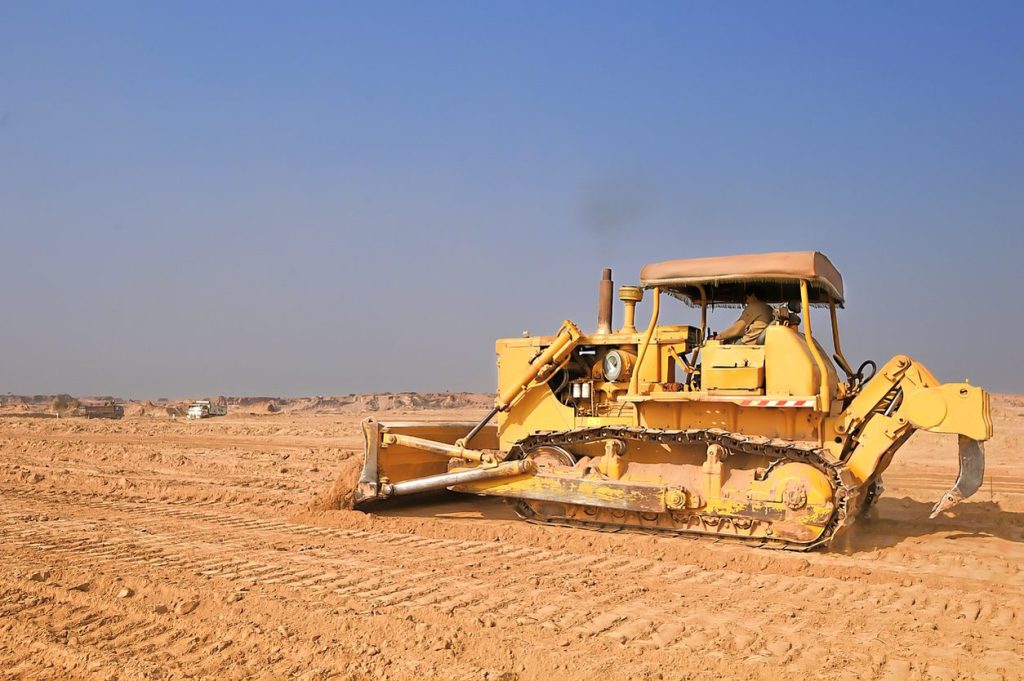
A crawler loader is heavier than it looks and wider than its specification sheet suggests, and both of those facts decide what it costs to move. These are track machines with a front bucket, sitting somewhere between a dozer and a wheel loader, and they load and unload themselves under their own power. What they will not do is travel any distance on their own tracks without destroying pavement, so every move is a trailer move.
Get the Numbers Right Before Anything Else
Almost every problem in heavy haul traces back to a weight or a dimension somebody guessed at.
Operating weight for a crawler loader typically runs from around 15,000 pounds for a compact track loader up to 60,000 pounds and beyond for the large machines. That range covers three different trailer types and two different permit situations, so the number matters.
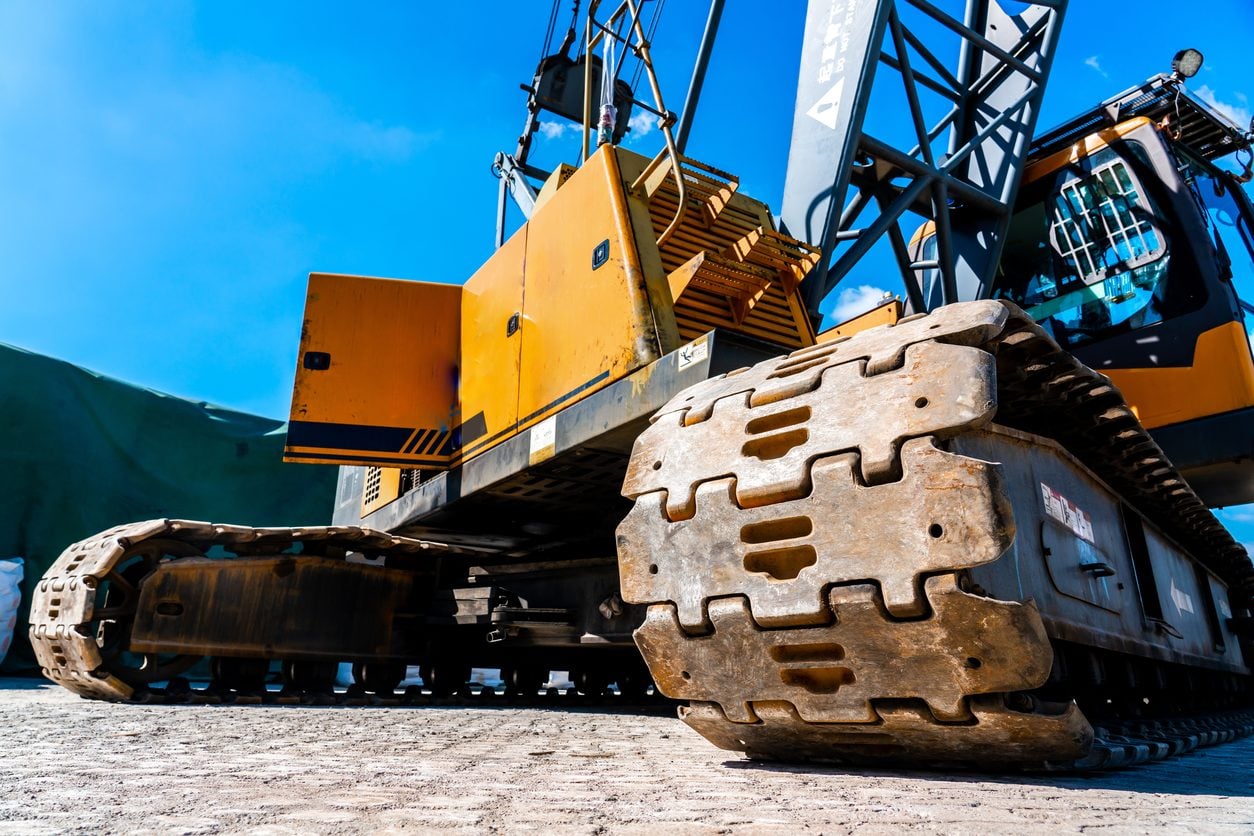
Take the weight from the manufacturer’s specification or a certified scale, and include everything traveling with the machine. A bucket, a counterweight, a full fuel tank and a set of wide track pads all add weight that is invisible when you look at it. Then measure the width across the outside of the tracks rather than reading the brochure, because wide pads change that figure and the brochure assumes standard ones.
Where the Legal Limits Sit
Federal limits are 8 feet 6 inches wide, 13 feet 6 inches tall on the Interstate system, and 80,000 pounds gross with 20,000 on a single axle and 34,000 on a tandem. Some states allow more height on their own highways.
Height is where crawler loaders catch people out, because height includes the trailer. A flatbed deck sits around 5 feet off the road, so a machine 9 feet to the top of its cab or exhaust is already at 14 feet before anybody measures. A step deck buys roughly a foot. A lowboy drops the deck to around 18 to 24 inches and is what takes the tall machines under a bridge.
Width is the other one. A mid size crawler loader on standard pads is frequently just inside 8 feet 6 inches, and the same machine on wide pads is outside it. Swapping pads before the truck arrives can be the difference between a routine move and a permitted one with escorts.
Permits and Escorts
Past any limit the load needs an oversize or overweight permit from each state it crosses, issued against a specific machine, a specific trailer configuration and a defined route.
Routine permits are normally issued quickly, though multi state moves take longer because every state issues its own and their rules do not match. Wider loads bring escort vehicles into the picture, with thresholds that vary by state and by road type, and the largest loads require engineering review of bridges and structures along the route.
Permitted movement is generally daylight only on weekdays with restrictions around holidays, which is why a permitted run covers noticeably less ground per day than an ordinary truck. Build that into the schedule rather than discovering it at the far end.
Choosing the Trailer
The machine picks the trailer, not the other way round.
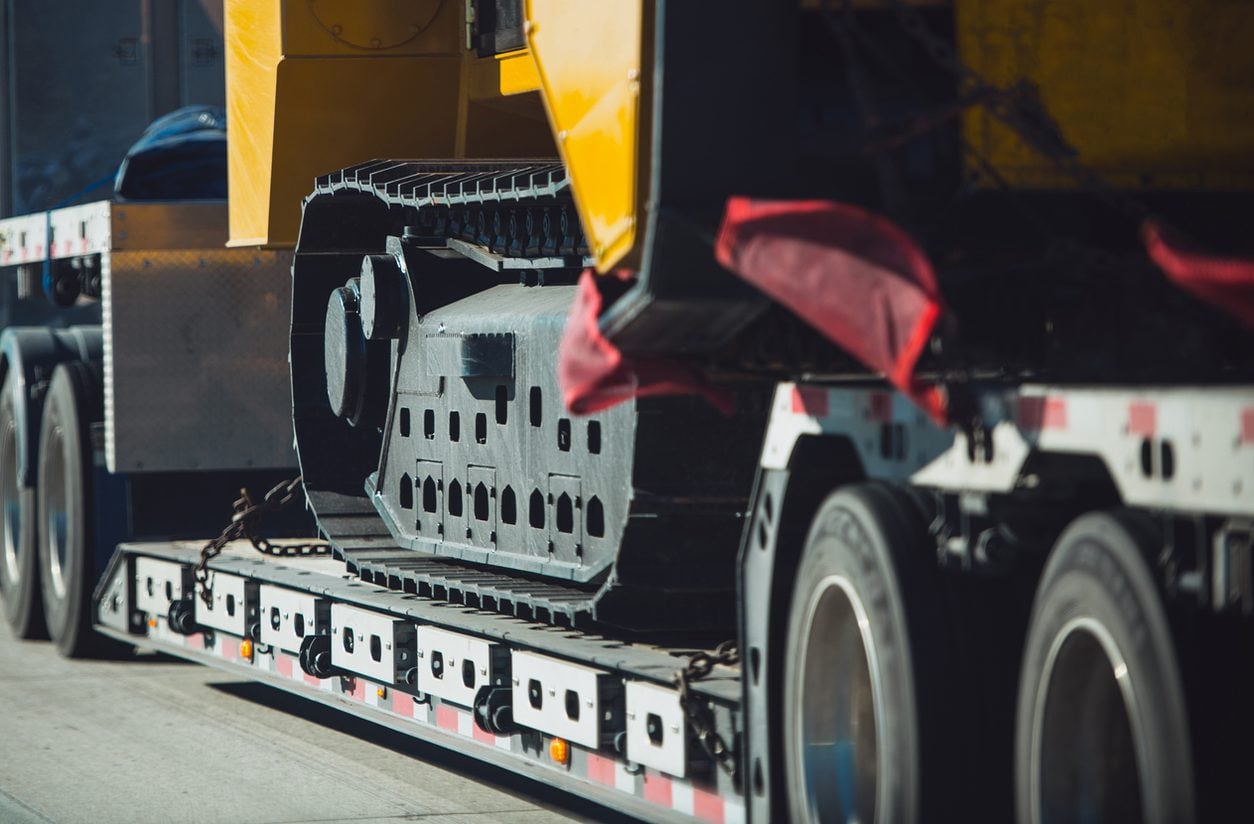
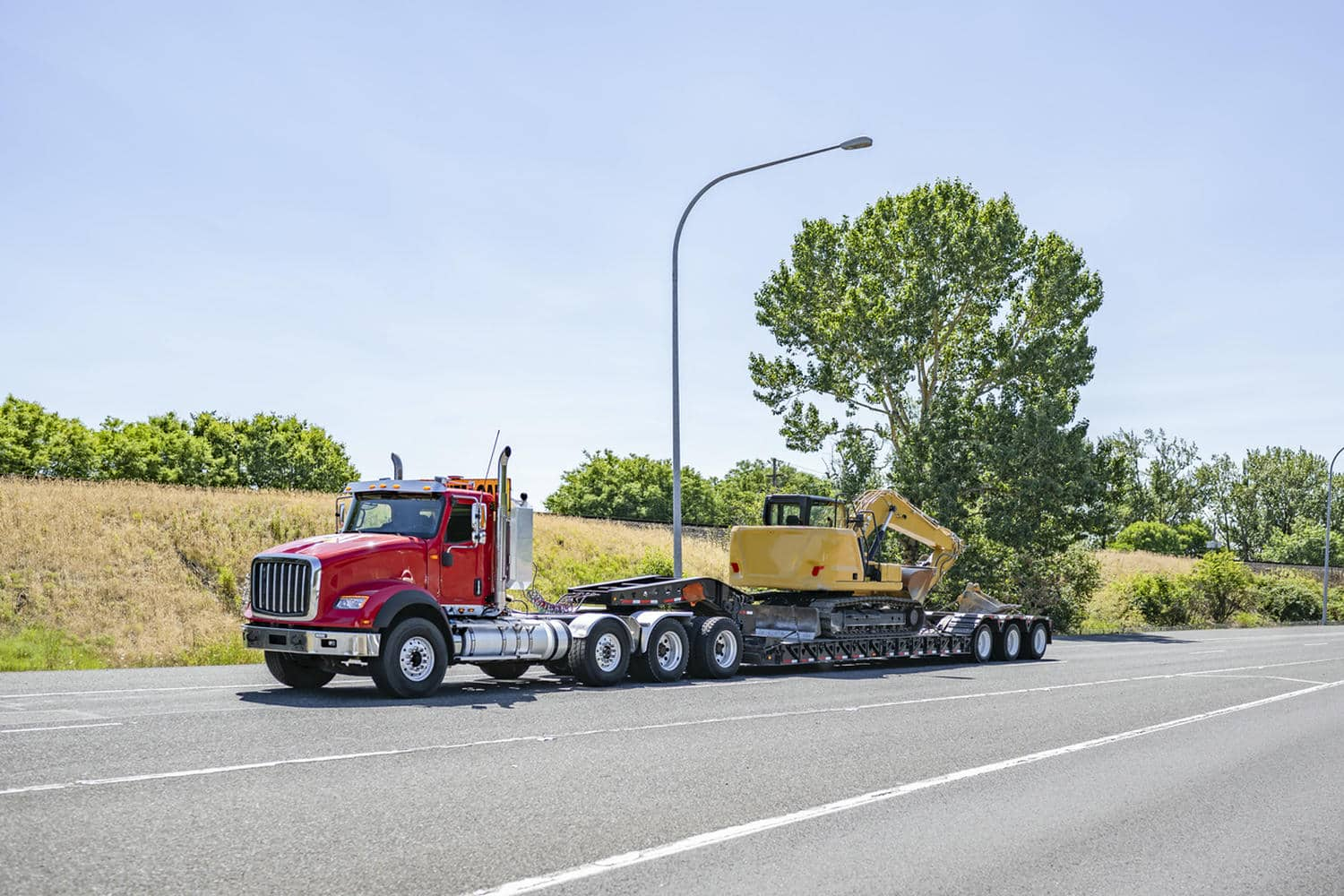
A flatbed handles compact track loaders and the smaller crawler loaders where combined height stays legal. A step deck lowers the deck about a foot and covers most mid size machines. A lowboy or removable gooseneck is what large crawler loaders travel on, and the removable gooseneck has a practical advantage: the front detaches and the machine drives on at ground level rather than climbing ramps, which matters for a track machine with a long low front bucket.
Multi axle configurations spread weight to satisfy the federal bridge formula, which limits how much weight can sit within a given axle spacing regardless of whether the gross figure is legal. That is why a machine under 80,000 pounds can still need more axles.
Preparing the Machine
Clean the tracks and the undercarriage properly. Packed soil and rock are weight you are paying to haul, they fall onto the highway in transit, and several states treat carried material as a violation. On a large machine this can be hundreds of pounds.
Lower the bucket onto the deck, secure or remove the loose items, and disconnect the battery if the carrier asks for it. Check for leaks first, because a hydraulic drip that is a nuisance in the yard becomes a problem on somebody else’s trailer.
Photograph the machine in daylight from every side before it loads, including the undercarriage, the glass and the hour meter. Get existing damage described specifically on the bill of lading rather than as general wear, since that is the document that settles any dispute later.
Access at Both Ends
The site is as important as the machine, and it is the thing most often left out of a quote request.
A tractor with a lowboy needs firm ground, room to turn and space to load. Soft ground is the usual obstacle: a loaded trailer sinks where a track machine walks across without difficulty. Low branches, gates, overhead lines and tight entrances all matter, and so does whether the loading area is level, because loading a heavy machine on a slope is a genuine hazard rather than an inconvenience.
If the site will not take a truck, the machine walks to a hard standing nearby and loads there. Say so when you book and it is a detail. Discover it on the day and it is a wasted trip that somebody pays for.
What Drives the Price
Distance and weight set the base. Beyond that, the cost moves with the trailer type, whether the load needs permits, how many escorts the widest point requires, and how many states the route crosses.
Seasonality is real. Construction demand peaks through the warmer months and lowboy capacity tightens with it, so the same move booked in February and in June is not the same price. Anything with a fixed deadline deserves more lead time. Our guide to wide and oversize loads covers the permit rules in more detail.
Common Questions
Can a crawler loader be driven to the site? Not for any real distance. Steel tracks damage pavement and the machines are slow. Every move of consequence is a trailer move.
What trailer does mine need? Flatbed for compact machines, step deck for mid size, lowboy or removable gooseneck for large ones or anything tall.
When do I need a permit? Past 8 feet 6 inches wide, past the applicable height limit, or over 80,000 pounds gross or any axle limit. Wide track pads push many machines over the width line.
Does the bucket ship attached? Usually yes, lowered onto the deck. Removing it can bring an overall length or height back inside a limit, which is worth checking.
How far ahead should I book? A week or two for a standard move, longer for anything permitted or during the summer construction peak.
Get a Quote
Call Ship A Car, Inc. at (866) 452-3657 for heavy haul and specialized freight with the machine’s make and model, its operating weight, its measured width and height, and the access at both sites, or request a quote through the specialized transport calculator.