Transporting Horses and Horse Trailers
Two completely different jobs get described with the same words, and confusing them is the most common mistake people make. Moving live horses is livestock transport, with its own equipment, welfare requirements and paperwork. Moving an empty horse trailer is a towable vehicle transport job. We do the second; the first needs a specialist livestock hauler.
Here is how to tell which you need, and how the trailer side works.
If the Horses Are Traveling
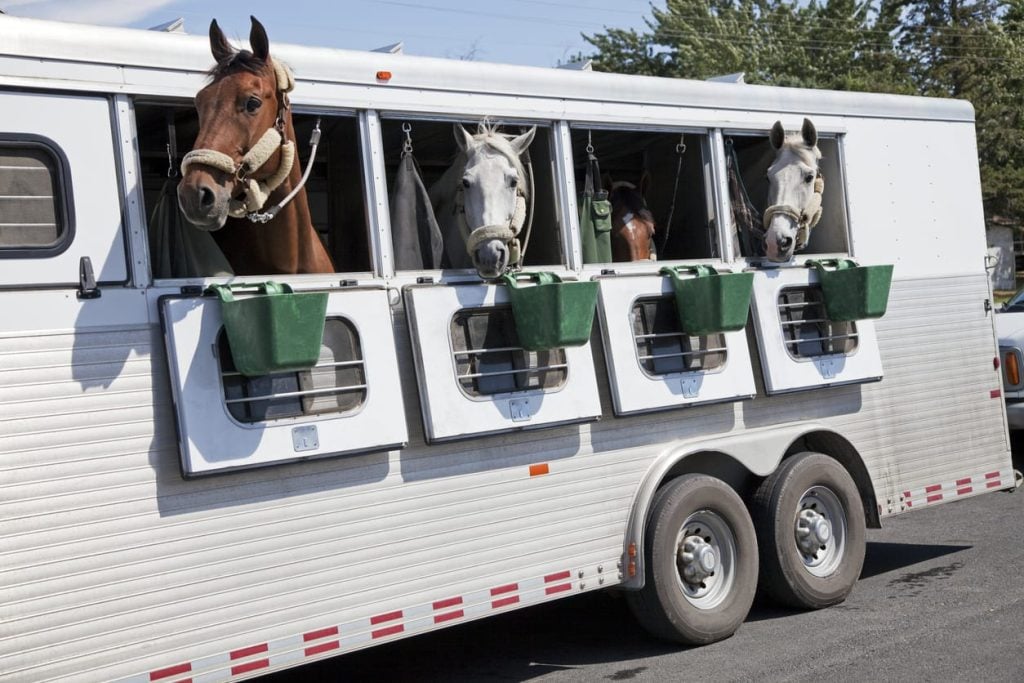
That is livestock transport and it should go to a commercial horse transporter rather than a vehicle carrier. It is not a matter of equipment alone.
Live animal movement carries health documentation requirements. Interstate travel generally requires a certificate of veterinary inspection, usually issued within a defined window before travel, and many states require a negative Coggins test for equine infectious anemia. Requirements vary by state and change, so confirm current rules with the destination state’s agriculture department.
Beyond paperwork, the welfare side genuinely requires expertise: rest intervals, water, ventilation, loading experience and someone who can recognize a horse in distress. That is a specialist’s job and we will say so rather than take the booking.
Moving an Empty Horse Trailer
This is ordinary towable transport and it is straightforward, with a few specifics.
The trailer needs a suitable tow vehicle with the correct hitch. A gooseneck horse trailer needs a pickup with an in-bed hitch, not a standard ball, and that is the single most common thing people forget to mention. A bumper pull needs the right class of ball and the right rating.
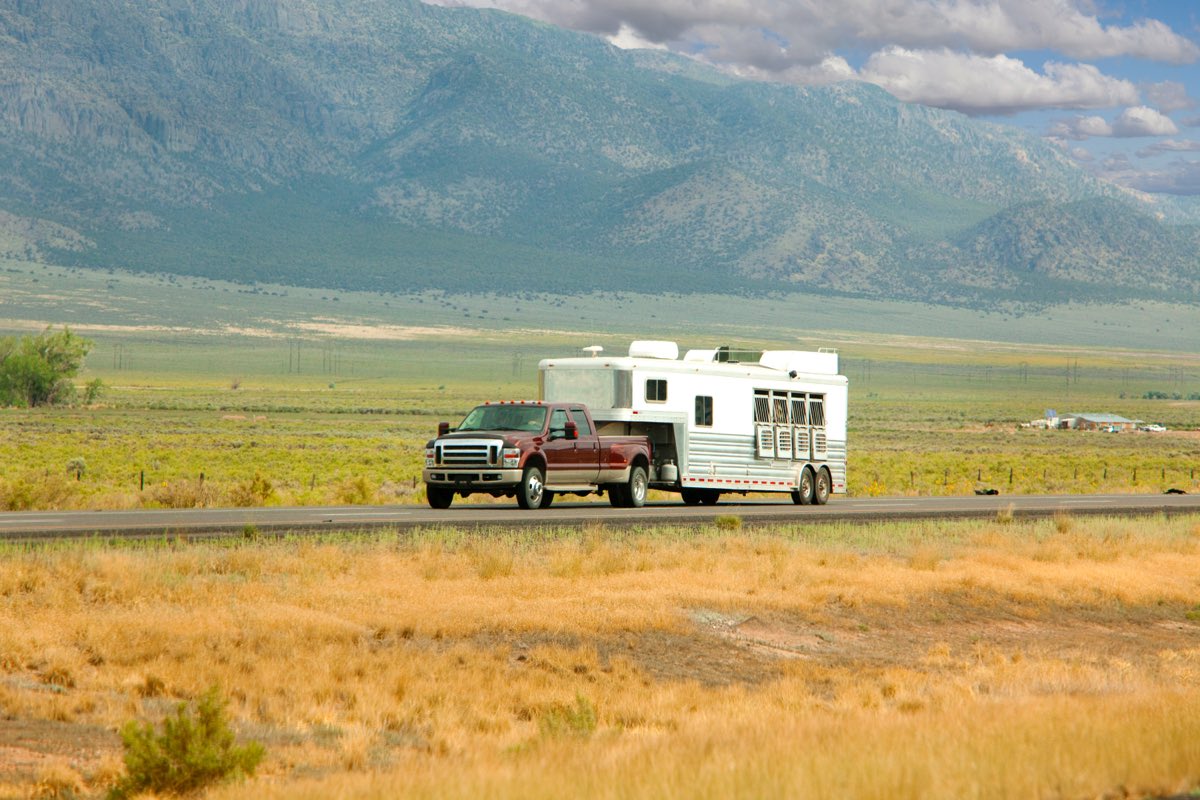
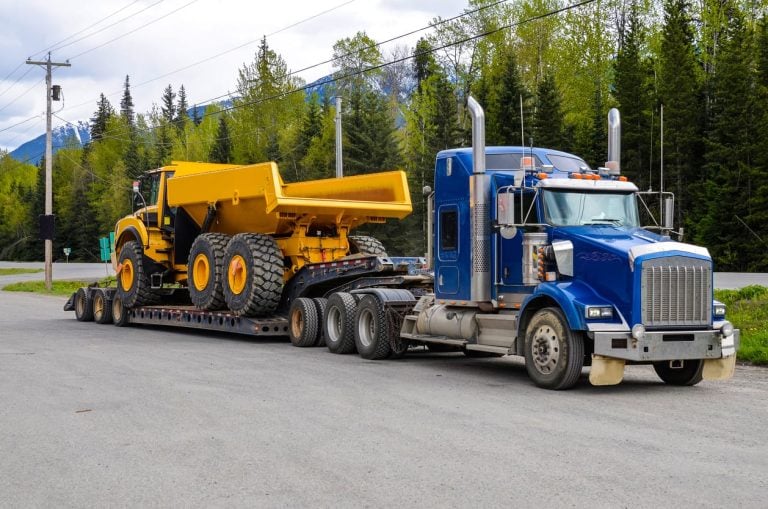
Alternatively the trailer travels on a flatbed or lowboy, which is normal for a trailer that is not roadworthy, has no current registration, or has tire or bearing problems that make towing unwise.
What We Need to Quote It
Give the make, model and year, and the measured length, width and height. Living quarters trailers are taller and heavier than plain stock trailers and frequently exceed standard height once on a transport deck.
Give the empty weight, and say whether anything is traveling inside. Tack, feed and equipment add weight and move around, and they are not covered by cargo insurance.
Say whether it is roadworthy: do the tires hold pressure and how old are they, do the brakes and lights work, do the bearings turn freely. Trailer tires very commonly fail from age rather than tread wear, and a trailer that has stood in a field for two years on original tires is a blowout waiting to happen.
Then give the hitch type and coupler height, and describe the access at both ends. Farm and stable addresses are frequently down long unpaved drives with gateposts, overhanging trees and soft ground, none of which suit a long combination.
Living Quarters Trailers
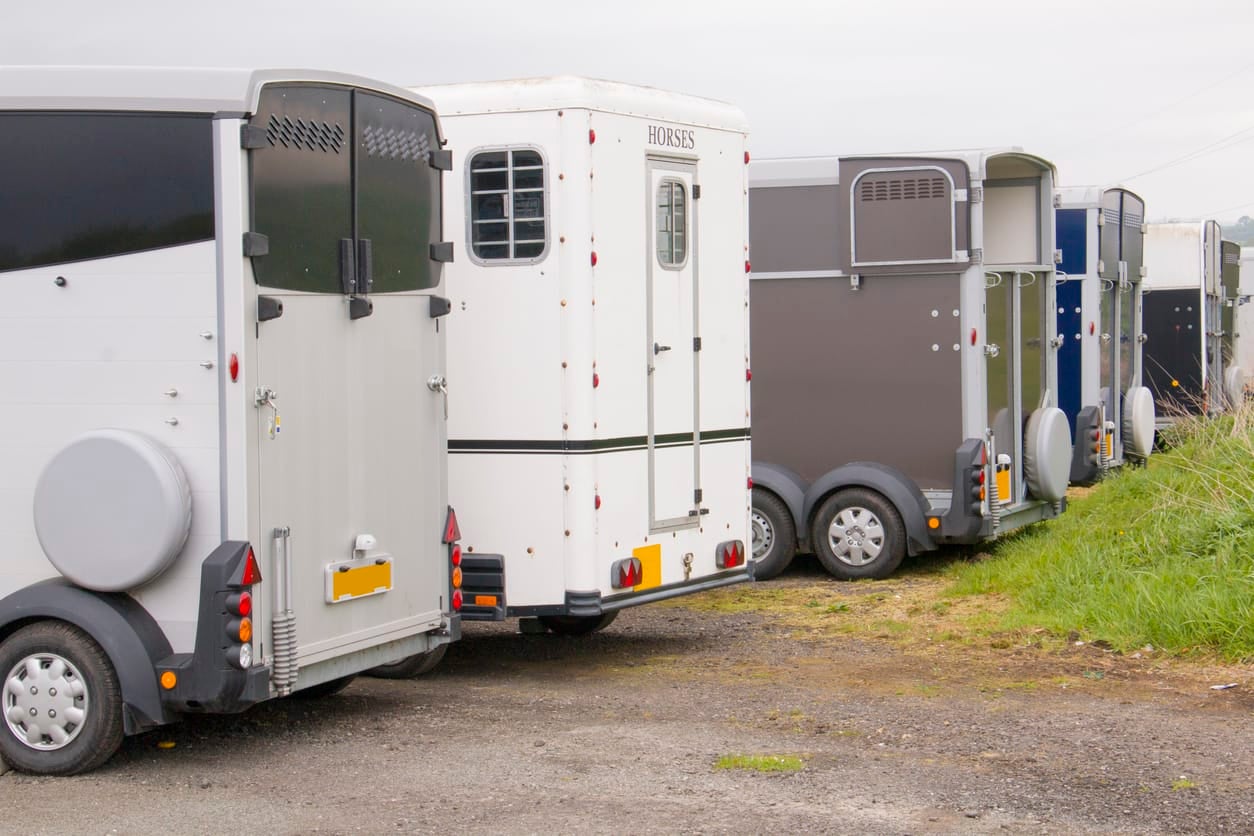
These deserve separate treatment because they are effectively a small recreational vehicle attached to a stock trailer, and they behave like one.
They are taller, heavier and longer than a plain stock trailer, and the height frequently becomes the binding constraint once the trailer is on a transport deck. Measure to the highest fitted point including air conditioning units, vents and antennae rather than taking the manufacturer’s figure.
They also contain plumbing. Water tanks should be drained completely, and in winter the system should be winterized, because a frozen line discovered at the destination is an expensive repair that nobody will be able to attribute to the trip.
Everything inside the living area comes out or gets secured, on exactly the same reasoning as a recreational vehicle: cupboards, appliances and loose items all move on roads the trailer has never seen at speed.
Preparing the Trailer
Empty it completely, including tack, feed, buckets and mats that are not fixed. Sweep it out, because bedding and manure are weight, they carry agricultural material across state lines and they make the condition report harder to read.
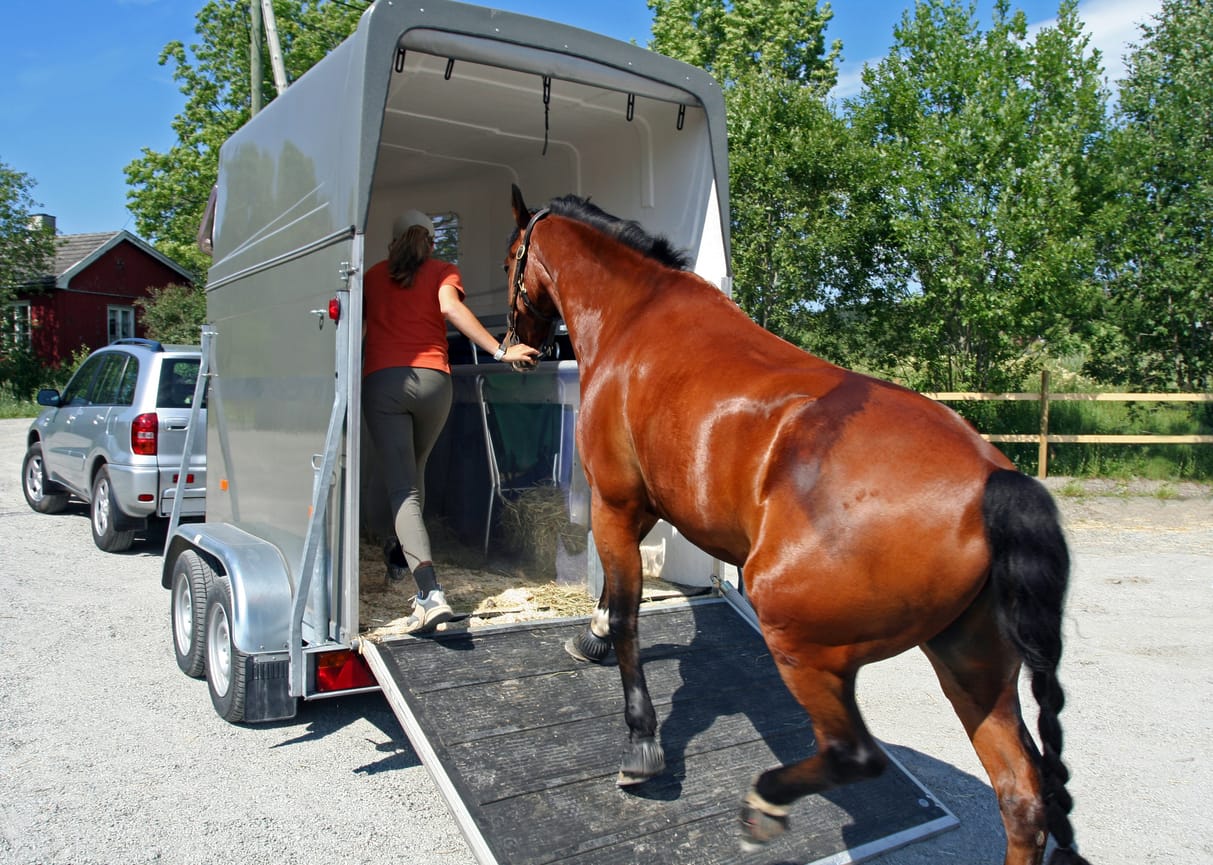
Secure everything that can move or swing: doors, ramps, dividers, windows and vents. Tie or latch the dividers rather than leaving them to swing, since that is how interior panels get damaged.
Check the tires and the spare, and note the condition honestly. Photograph the trailer in daylight from every side including the roof, the interior and the underside, and record existing damage specifically on the bill of lading rather than as general wear.
If access at either end is doubtful, agree a meeting point when you book. A large lot near a highway exit is normal practice and prevents a wasted trip. The wider set of towable jobs is covered in our page on trailer transport.
One last point on timing. Horse trailer moves cluster around show and competition season, and around the spring and autumn migrations between summer and winter facilities. If your dates are flexible, the quiet months price better and assign faster, exactly as they do for cars.
If the trailer has been standing for a long period, have the bearings and brakes looked at before it is towed anywhere. Bearing failure on a trailer that has sat for years is common, and it is far cheaper to find in a yard than on an interstate.
Common Questions
Can you transport my horses? No. Live horses need a specialist livestock transporter with the right equipment and welfare expertise. We move the trailer.
What paperwork do live horses need? Generally a certificate of veterinary inspection and often a negative Coggins test. Confirm current requirements with the destination state.
Towed or on a flatbed? Towed if roadworthy and registered. On a deck if the tires, brakes or bearings are questionable.
What do you need to quote? Make, model, measured dimensions, empty weight, hitch type and coupler height, and access at both ends.
Can I leave tack inside? No. It adds weight, moves in transit and is not covered by cargo insurance.
Get a Quote
Call Ship A Car, Inc. at (866) 452-3657 for specialized transport with the trailer’s make, measured dimensions, weight and hitch type, or request a quote through the specialized transport calculator.