Transporting Public Safety and Emergency Vehicles
The equipment is worth more than the vehicle, and it is the part transport insurance will not cover. An ambulance carries a cardiac monitor, a stretcher, oxygen and a drug supply. A police unit carries a radio system, a computer, a weapon mount and a prisoner partition. None of that is cargo insured on a vehicle move, and all of it has to come out before the vehicle is loaded rather than after somebody notices.
Strip the Vehicle First
Treat the fit out as separate from the vehicle, because that is how the paperwork treats it.
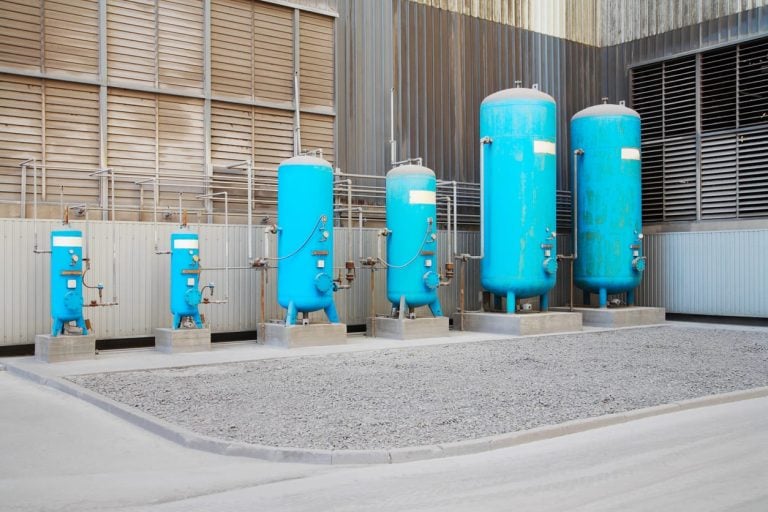
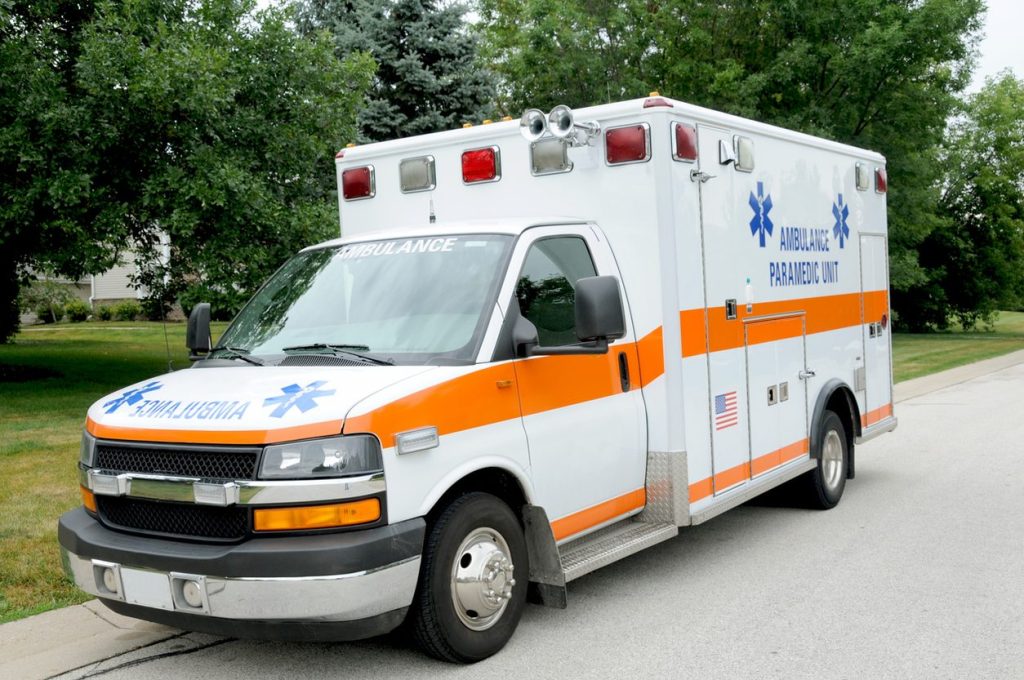
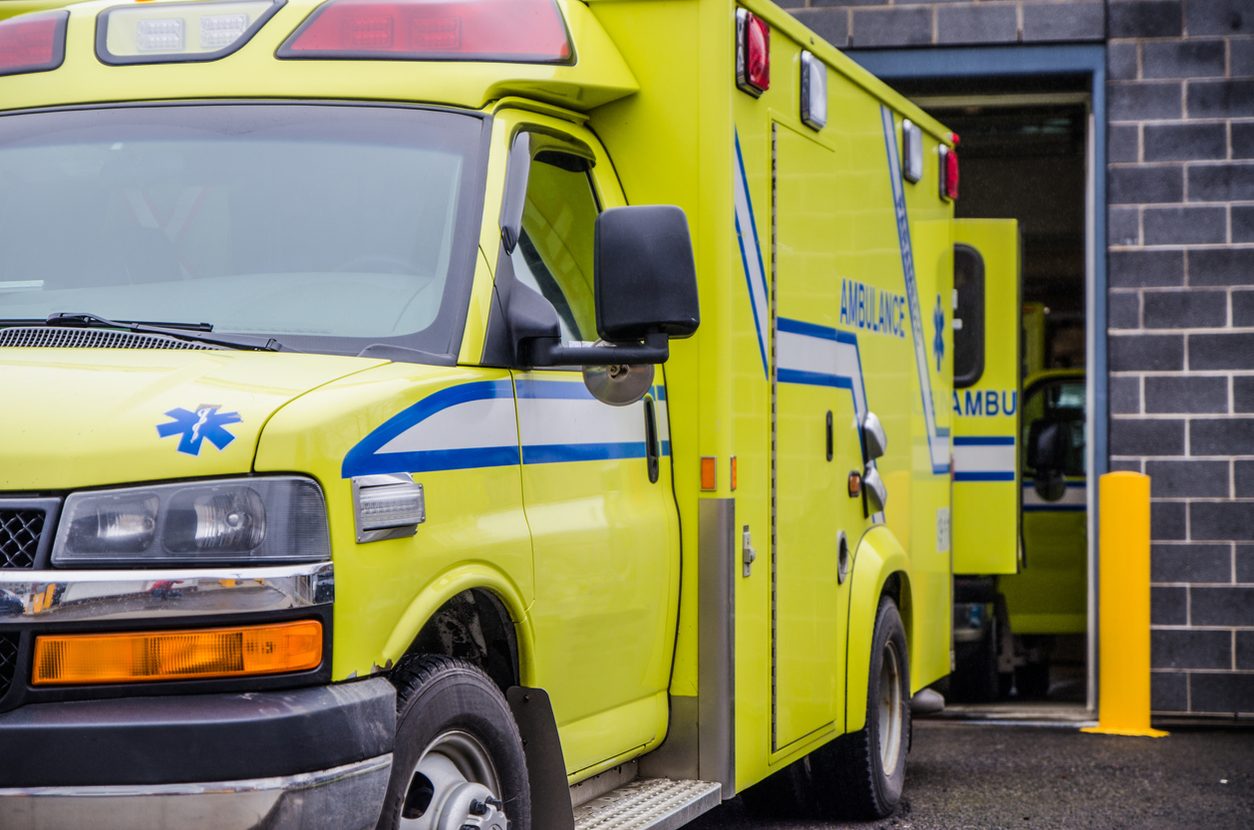
On an ambulance that means the monitor, the stretcher and mounts, oxygen cylinders, the drug box and anything in the cabinets. Oxygen in particular is a regulated matter: cylinders should be removed rather than transported fitted, and a carrier is entitled to refuse a vehicle with pressurized cylinders aboard.
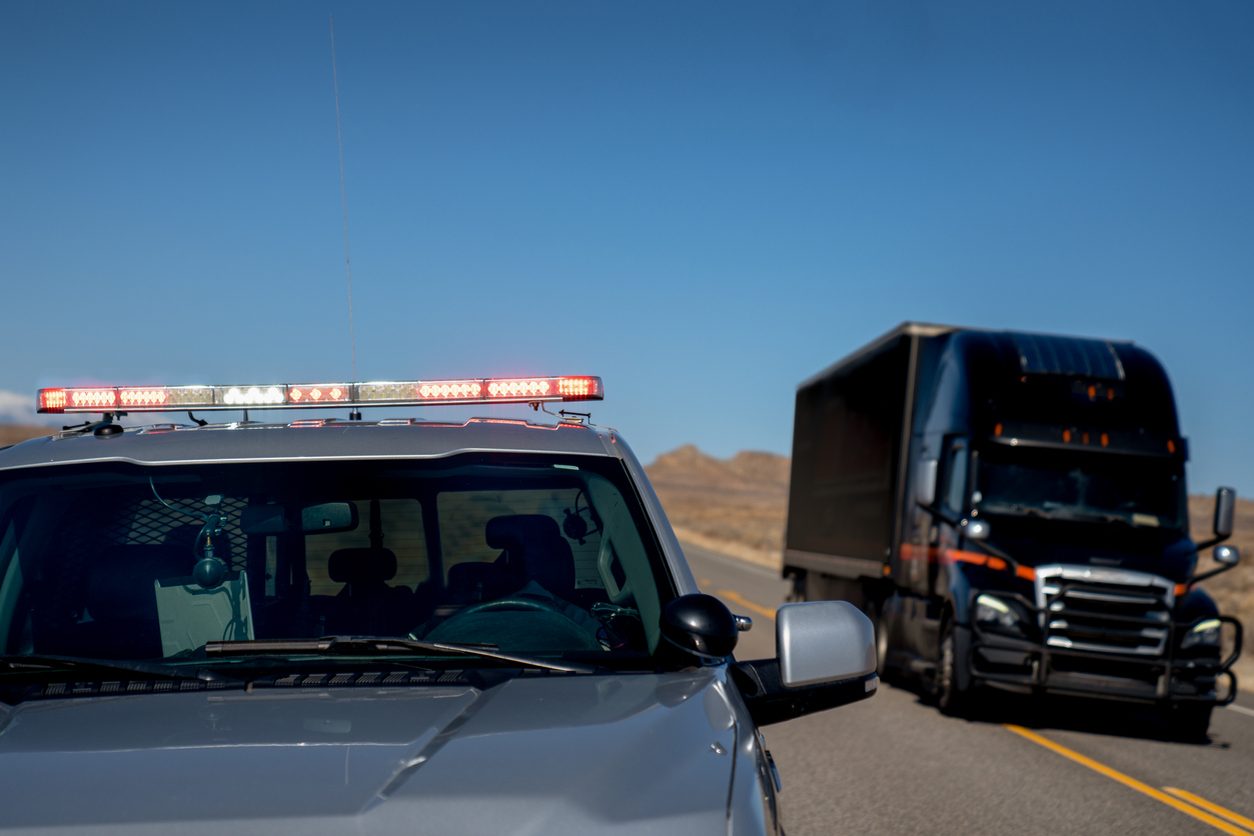
On a police unit it means the radio, the computer and its dock, any weapon mount and its contents, and anything in the trunk. On a fire apparatus it means hose, ladders, tools and SCBA. Equipment that must travel should ship separately as freight, where it is actually covered.
Then secure what stays. Latch and lock every compartment, and pin or remove anything that can move.
Decommissioning Before a Sale
Most of these moves are a sale or a transfer between agencies, and the decommissioning steps matter as much as the loading.
Agency markings, decals and any department identification are normally removed before a vehicle leaves. So are light bars and sirens on a unit being sold to a civilian buyer, since emergency lighting on a private vehicle is restricted in most states. Radios and any encrypted communications equipment come out without exception.
Confirm what has to be removed with the selling agency before booking. A driver arriving to collect a marked unit that was supposed to be stripped cannot make that decision for you.
What Fits on a Standard Carrier
Most of this fleet is ordinary auto transport; only some of it is not.
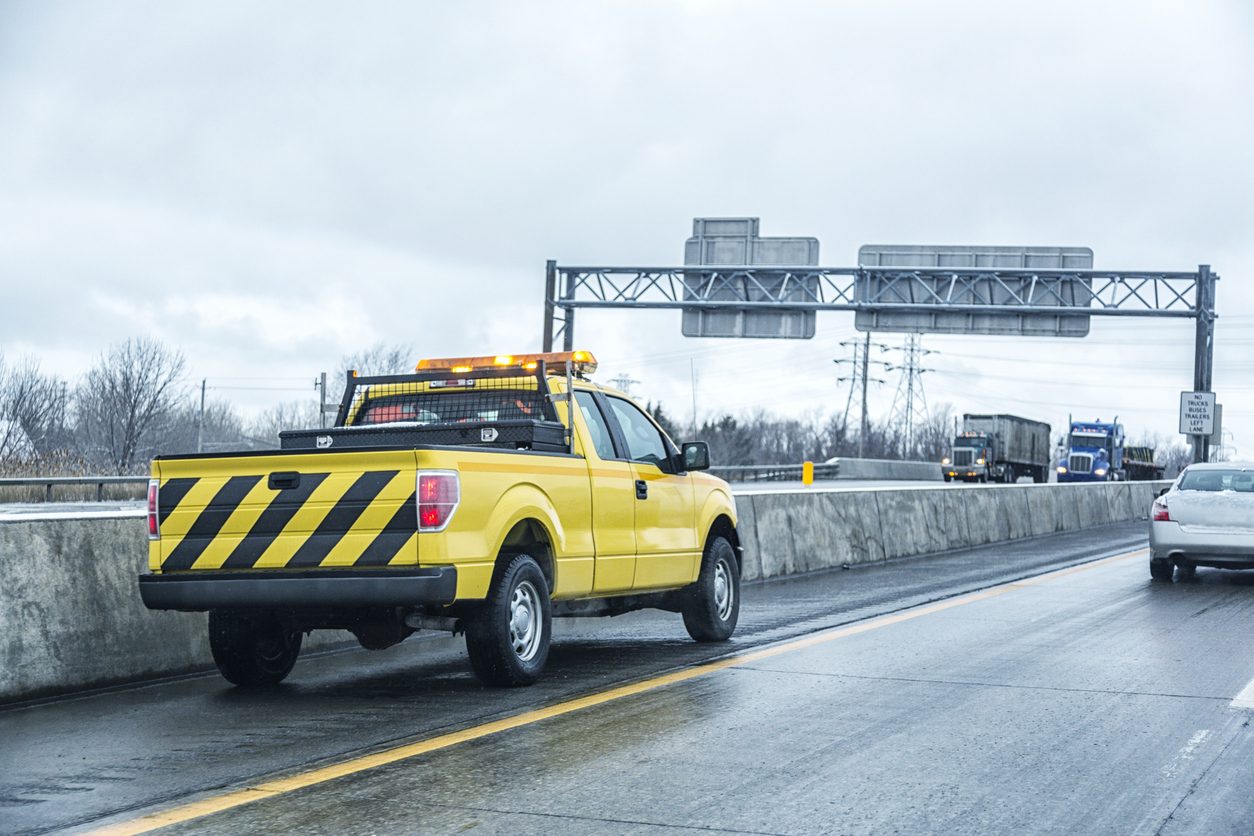
Police units, unmarked cars, SUVs and incident response pickups ship on standard open carriers exactly like any other vehicle. A Type II ambulance built on a van chassis usually does too.
Type I and Type III ambulances with a box body are taller and often need the lower deck. Fire apparatus is a different category entirely: a pumper stands 10 to 11 feet on its own wheels, so hauling it is a permitted load, and driving it is frequently the cheaper answer.
Give the measured height to the highest fixed point, including a light bar, and say whether it runs and drives.
Buying at Auction
A great deal of retired public safety equipment moves through government surplus auctions, and those have their own clock.
Lots allow a limited period before storage charges begin and usually need a gate pass or release paperwork before a driver can collect. Send the lot number, the gate pass and the site’s hours with the booking, along with the auction’s own description of whether the vehicle runs.
Surplus vehicles are frequently non runners, and a unit that has sat on a lot for months may have a flat battery, seized brakes or flat tires. Say so; winching typically adds around $100 to $250, and a seized vehicle needs specialist handling at both ends.
Timing and Fleet Moves
Agencies rarely move one vehicle, and several going to the same place price far better as one arrangement.
Batch by geography rather than by whichever unit is released first. Where a department is taking delivery of new apparatus, the manufacturer usually arranges that transport, and the trade in or retirement leg is the one that becomes your booking.
Build slack into the schedule if a vehicle has to be out of service on a particular date. Delivery windows on ordinary transport are windows, not appointments.
Condition Reports on a Working Vehicle
These vehicles arrive with a service history written all over them, and that makes the condition report harder than on a private car.
A retired patrol unit has push bar scuffs, spotlight holes, antenna holes and drilled mounting points through the roof, dash and trunk. An ambulance has scuffs along the box from stretcher loading and wear around the rear step. None of that is transport damage, but all of it will be argued about later if the report simply says “used condition”.
Photograph every side in daylight before loading, and specifically photograph the holes and mounting points left behind by removed equipment. On a vehicle sold at auction, where the buyer has often never seen it in person, that record is the only thing separating pre-existing wear from a claim.
Title and Release Paperwork
Government owned vehicles do not always release the way a private sale does, and this is where agency moves stall.
A municipal or state vehicle may be titled to the jurisdiction rather than the department, which means the release comes from a fleet or finance office rather than the people you have been dealing with. Some agencies issue a bill of sale and a title separately, and some hold the title until payment clears. Either way, a driver needs somebody on site who is authorized to hand the vehicle over.
Establish who that is before the collection date. The most common failure on these moves is a vehicle sitting in a compound with the right paperwork on somebody’s desk and nobody present who can sign it out. Our guide to shipping a fire truck covers the apparatus side in more detail.
Common Questions
Can the equipment stay in the vehicle? No. Loose equipment is not covered by cargo insurance and should ship separately as freight.
What about oxygen cylinders? Remove them. A carrier can refuse a vehicle carrying pressurized cylinders.
Do markings have to come off? Normally yes before a sale, along with light bars and sirens on a unit going to a civilian buyer.
Will a fire truck fit a standard carrier? No. A pumper is 10 to 11 feet tall, so hauling is a permitted load and driving is often cheaper.
Can you collect from a surplus auction? Yes. Send the lot number, gate pass and hours, and declare whether the vehicle runs.
Get a Quote
Call Ship A Car, Inc. at (866) 452-3657 for specialized transport, with the vehicle type, its measured height, and whether it runs and has been stripped.