Intermodal Freight: How Rail and Road Divide the Work
Intermodal means one shipment moving in the same container or trailer across more than one mode, most commonly rail for the long middle and trucks at each end. It is cheaper per mile than trucking over long distances and less flexible in every other respect, and the balance between those two facts decides how much freight uses it.
Here is how it works, what it is genuinely good at, and where it does not apply at all.
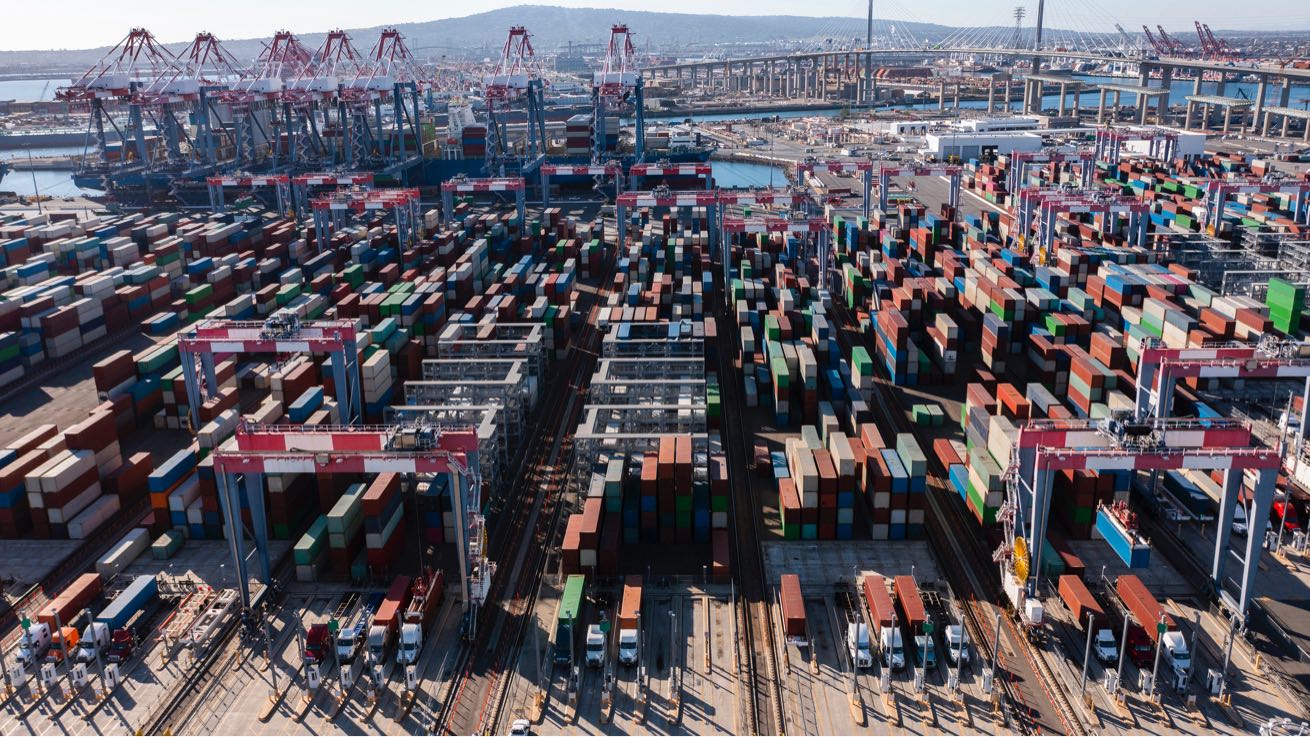
How a Move Is Actually Structured
Three legs, and the middle one is where the saving comes from.
A truck collects the container or trailer and takes it to a rail terminal. That is the origin drayage leg, usually short, and it is priced like local trucking.
The rail leg carries it, often stacked two containers high on a well car, to a terminal near the destination. This is the cheap part, because one train moves an enormous volume with one crew.
Then a second truck takes it from the destination terminal to the final address. Destination drayage, again priced like local trucking.
So an intermodal move is a trucking move at each end with a rail move in between, and its total cost is the sum of all three plus terminal handling. That is why it only wins over long distances: the drayage and handling costs are fixed, so they have to be spread over enough rail miles to be worth it.
What It Is Good At
Four genuine strengths.
Cost over long distances. Rail moves a ton of freight far more cheaply than a truck, and on transcontinental lanes the difference is substantial even after drayage.
Fuel efficiency and emissions. Freight rail is several times more fuel efficient per ton mile than trucking, which is why intermodal features in corporate emissions reporting.
Capacity in a tight truck market. When trucking capacity is scarce, rail offers a parallel route that does not compete for the same drivers.
Driver hours. A rail leg does not consume a driver’s federally limited hours of service, which on a long lane is a real constraint rather than an accounting detail.
Where It Falls Short
Three limits, and they are the reason most freight still goes by truck.
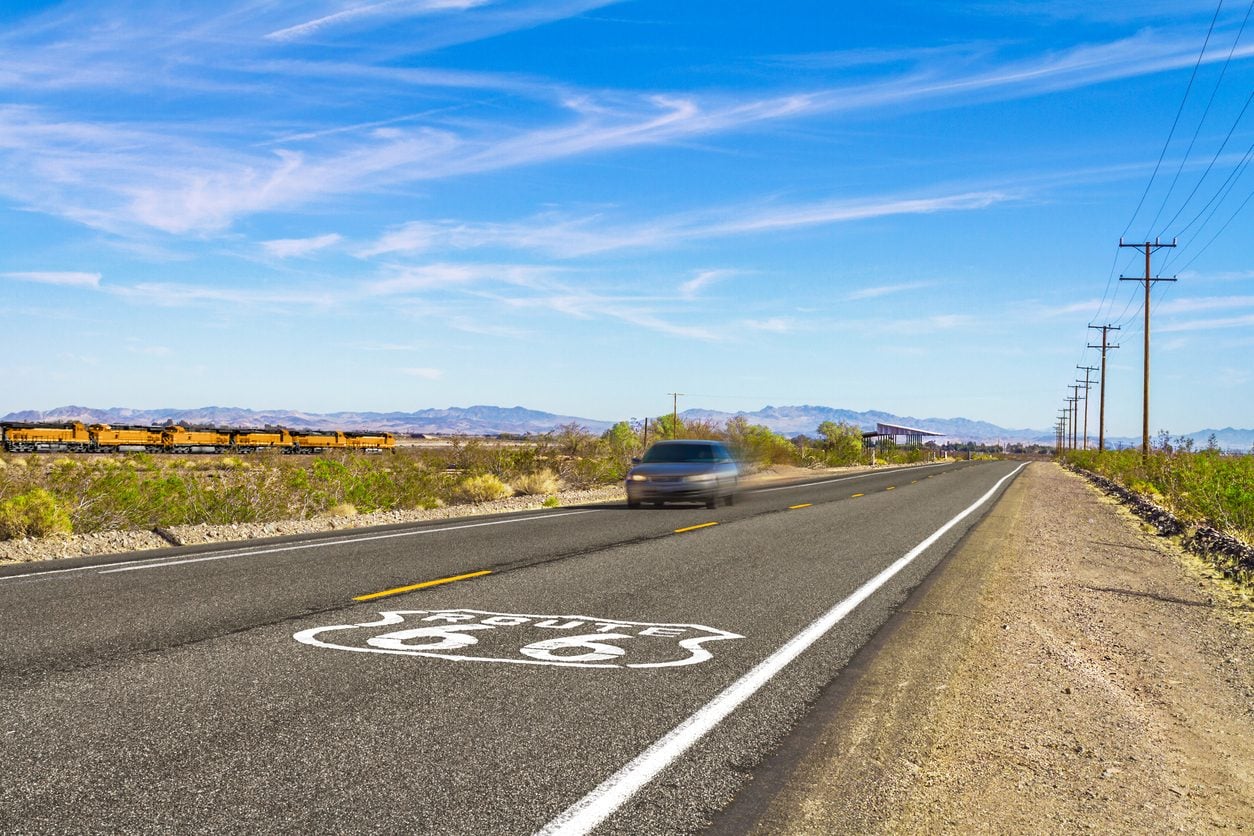
Transit time and variability. Intermodal is generally slower than a truck on the same lane, and more importantly it is less predictable. Terminal congestion, train scheduling and equipment availability introduce variance that a single truck with a single driver does not have.
Terminal geography. You are tied to where the terminals are. If neither end is near one, the drayage legs get long enough to erase the saving.
Handling. Each transfer between modes is an opportunity for damage, and freight that does not tolerate handling well is not a good candidate.
Why the Volumes Move Around
Intermodal volume is unusually sensitive to conditions, and the reason is that it competes directly with trucking on price.
When trucking capacity is abundant and truckload rates are low, the price gap narrows and shippers move freight back to trucks for the better transit time. When capacity tightens and truck rates rise, intermodal becomes relatively cheaper and volume returns. It is a substitution market, and the substitution runs both ways within a single year.
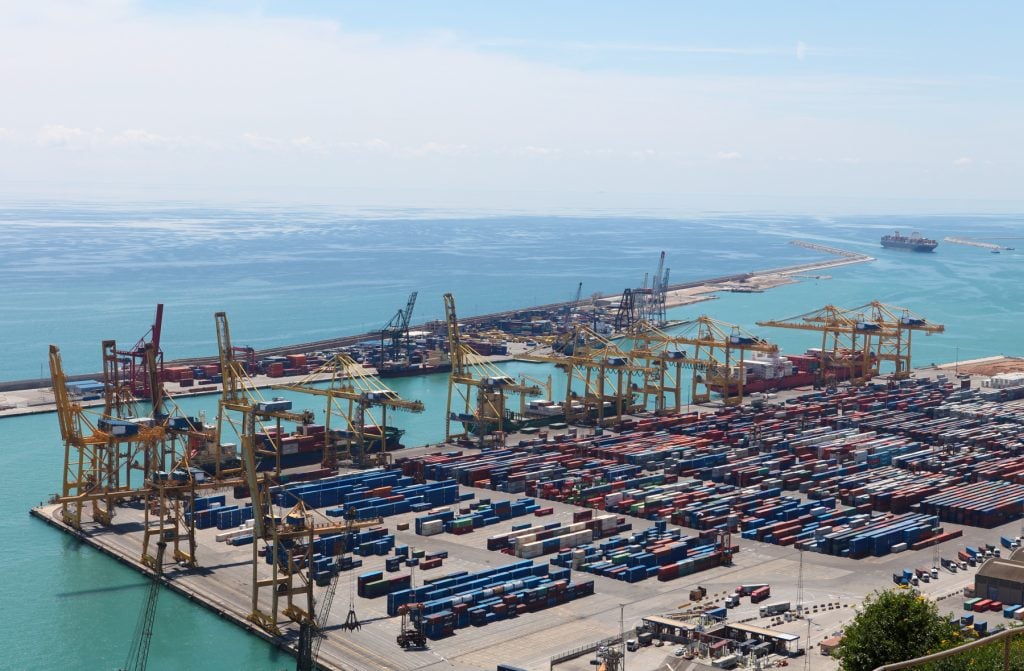
Other factors overlay that. Import volumes at the container ports feed directly into intermodal, since a container arriving by sea is already in the right box. Fuel prices affect trucking more than rail, so high diesel favors intermodal. And terminal and chassis availability can constrain volume regardless of demand.
Where Vehicles Fit
This is worth separating, because vehicle logistics is intermodal at the manufacturer level and almost never at the customer level.
New vehicle distribution uses rail heavily. Multilevel autoracks carry finished vehicles from assembly plants and ports toward regional centers, and trucks handle the final delivery to dealerships. That is intermodal in the proper sense, and it is why a car you buy new has usually traveled by both modes.
For an individual customer moving one car, none of that applies. The cost and time of getting a single vehicle onto and off a railcar exceeds any saving on the rail leg, so it goes by truck end to end. There is no consumer intermodal option for a car, and anyone offering one is describing something else.

The exception is a vehicle traveling inside a shipping container, which is genuinely done for overseas moves and occasionally domestically for high value cars. That is container freight rather than intermodal in the rail sense, and it prices differently again.
What It Means for a Shipper
Two practical points.
If you are moving general freight on a long lane and can tolerate a few days of variance, intermodal is worth pricing. The saving is real. If your freight is time critical, or either end is far from a terminal, trucking is usually the answer even at a higher rate per mile.
If you are moving a vehicle, it goes by road, and the variables are the ones that always apply: distance and route, vehicle size and weight, whether it runs, access at both ends and how firm your dates are. Our page on what determines the cost of shipping a car sets those out.
Common Questions
What does intermodal mean? One shipment moving in the same container or trailer across more than one mode, typically truck to rail to truck.
Is intermodal cheaper than trucking? Over long distances usually yes, because rail is far cheaper per ton mile. Drayage and handling costs mean short lanes do not work.
Is it slower? Generally, and less predictable, because terminal congestion and train scheduling add variance.
Why does intermodal volume swing so much? It substitutes directly against trucking on price, so it gains volume when truck capacity tightens and loses it when capacity is abundant.
Can I ship my car intermodal? Not as an individual. New vehicle distribution uses rail, but a single customer car goes by truck end to end.
Get a Quote
Call Ship A Car, Inc. at (866) 821-4555 with both zip codes and your date range, or price the move with the instant calculator.