High Wind and High Profile Loads: The Wyoming Problem
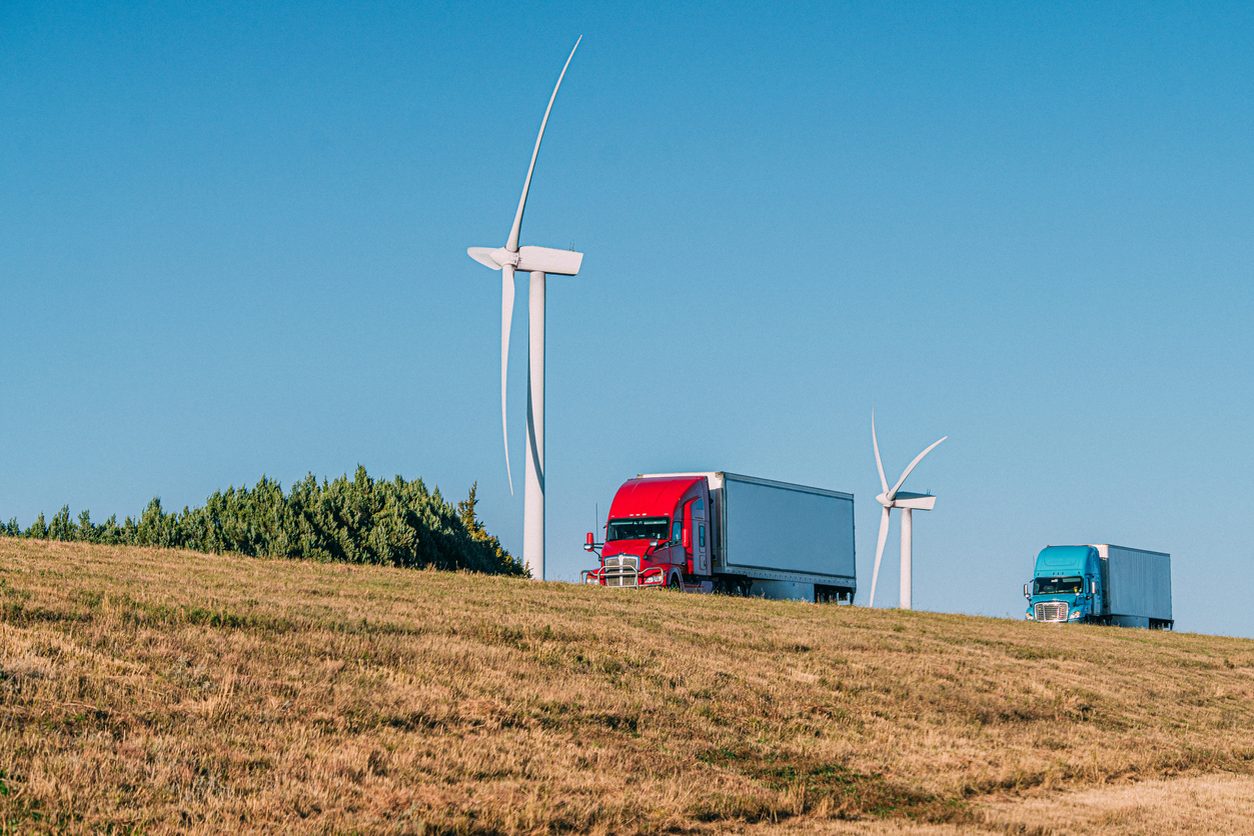
Wyoming closes Interstate 80 to light and high profile vehicles more often than any other state, and the reason is not snow. It is wind. Sustained crosswinds across open, elevated terrain can blow over an empty or lightly loaded trailer, and the state has built an entire operational response around preventing that.
Why This Corridor Specifically
Interstate 80 crosses southern Wyoming at high elevation across open plains with almost nothing to break the wind. The stretch between Laramie and Rawlins is the notorious section, and it sits above 7,000 feet in places.
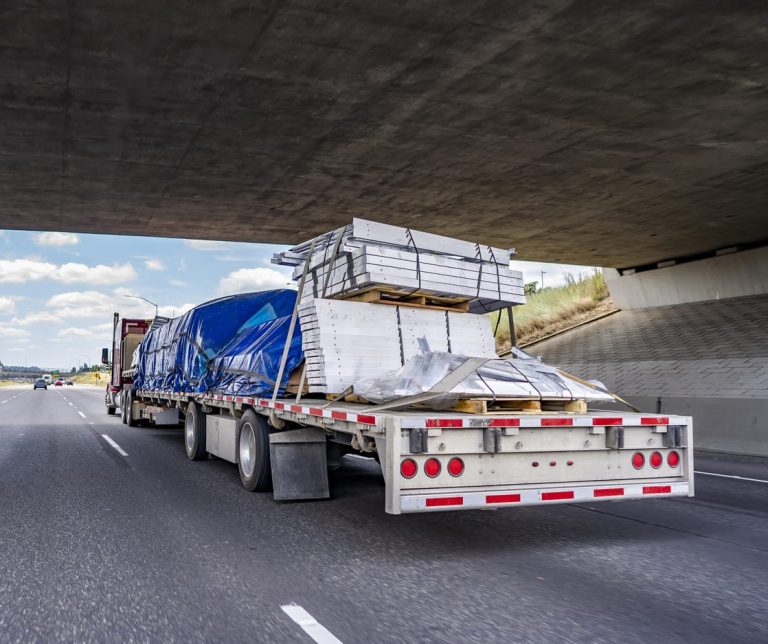
A tractor trailer presents an enormous flat surface to a crosswind. Loaded, the weight keeps it planted. Empty, or with a light load high in the trailer, the same gust can lift and roll it, and it happens quickly enough that a driver has little chance to correct.
That is why closures here are specific rather than general: the road stays open while restricting light and high profile vehicles, because a loaded truck can proceed safely in conditions that would flip an empty one.
How the Restrictions Work
Wyoming operates a graduated system rather than a simple open or closed switch.
At lower wind speeds, warnings are posted. Above thresholds, the state issues a light and high profile vehicle restriction, which prohibits empty trailers, high-sided vehicles and towed units on the affected segment. In severe conditions the road closes entirely.
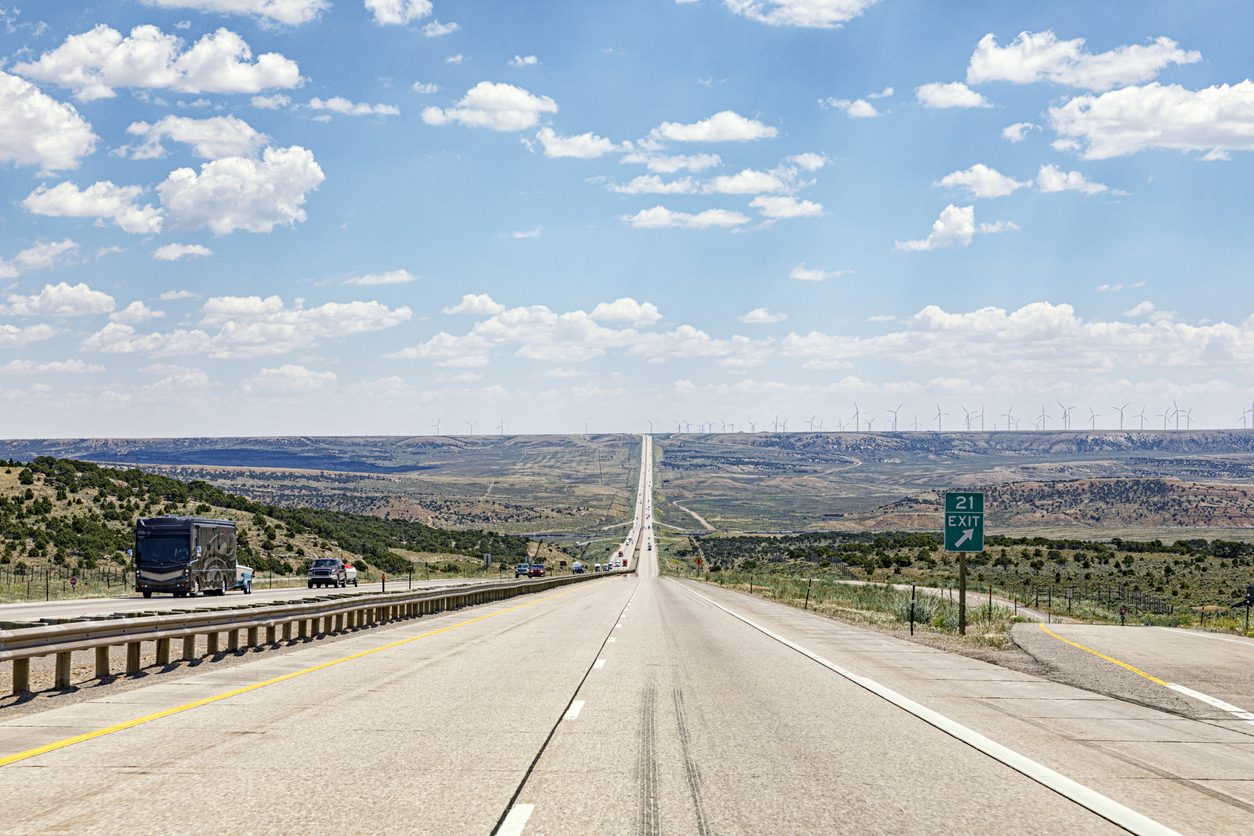
Variable message signs and a state road condition service publish the current status, and enforcement is real. A driver who proceeds through a restriction is liable, and the insurance position after a blow-over in a posted restriction is not a good one.
Closures can last hours or a day. They are not predictable more than a short way ahead, because they follow the weather rather than a schedule.
What It Means for a Shipment
If your vehicle is crossing southern Wyoming, this is a genuine scheduling variable rather than a remote possibility.
A loaded car hauler is usually able to proceed when light vehicles cannot, because the weight works in its favor. What stops it is a full closure, and those happen.
The practical consequence is that a delivery estimate on a lane crossing I-80 through Wyoming, which includes most Chicago and Midwest traffic to and from the West Coast, deserves more slack in winter than the same distance on a southern route.
Carriers know this and route around it when the forecast is bad, usually south via Interstate 70 or Interstate 40. That is a longer trip rather than a canceled one.
Oversized and Escorted Loads
For heavy haul the wind question is sharper still, and it is worth stating because Wyoming carries a lot of energy sector freight.
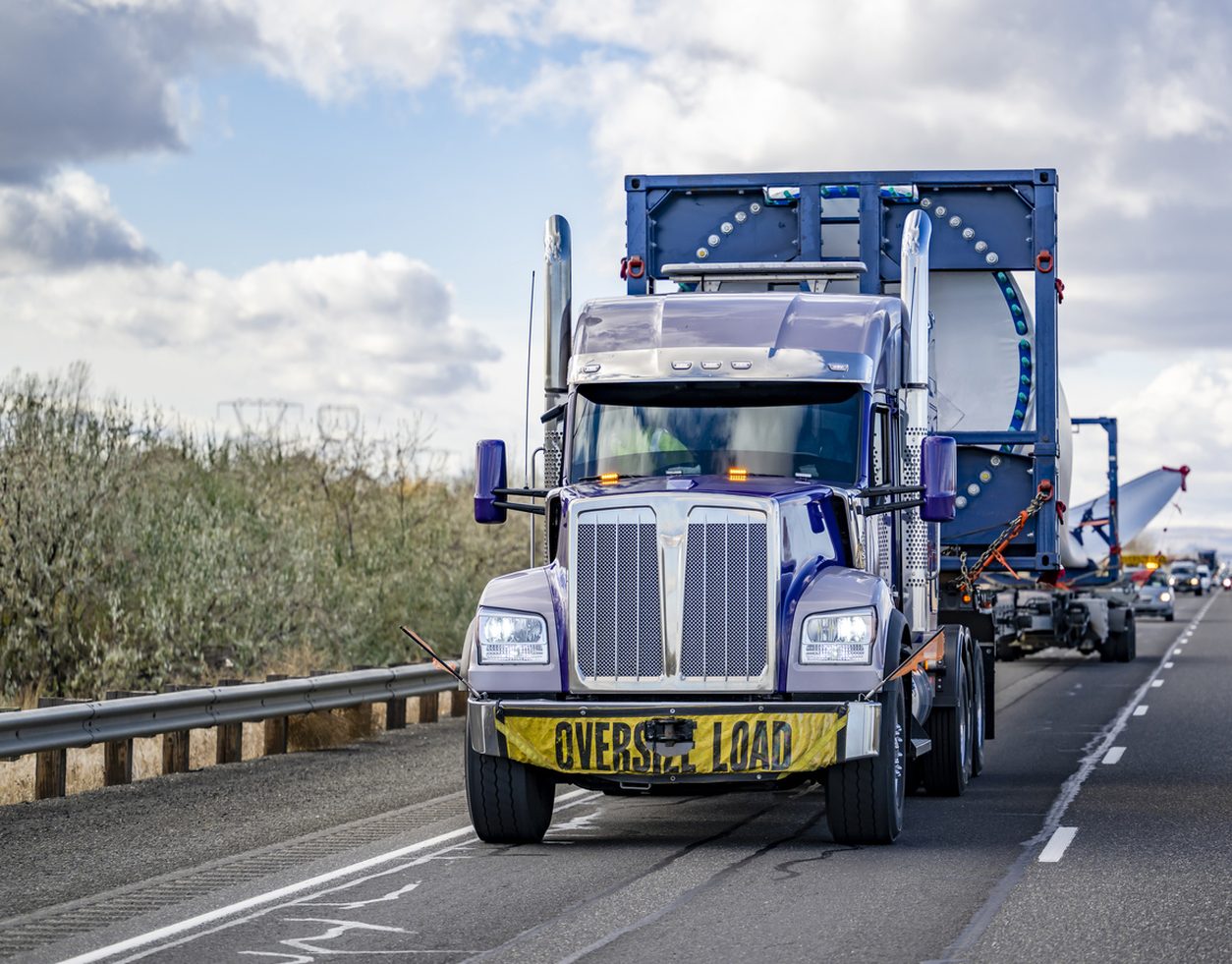
Permitted oversize loads do not move in high wind anywhere, and a wind turbine blade or a tall machine on a lowboy is exactly the profile that a crosswind acts on. Permits typically carry wind speed conditions, and movement stops when they are exceeded.
Wyoming is also a major wind energy corridor in its own right, so a great deal of the oversized traffic crossing it is turbine components, which is a certain irony. Those moves are planned around weather windows rather than dates.
The Same Problem Elsewhere
Wyoming is the most publicized case but not the only one, and if your route avoids it you may simply meet the same conditions somewhere else.
The high plains generally, across eastern Colorado, western Kansas, the Texas and Oklahoma panhandles and eastern New Mexico, produce the same open-terrain crosswinds. Kansas and Colorado both restrict high profile vehicles in severe conditions.
Bridges and elevated causeways are their own case, because a truck emerging from shelter onto an exposed span meets the full crosswind suddenly. Long Gulf coast causeways and river crossings are posted for this reason.
And the desert Southwest adds dust storms, where the hazard is visibility collapsing to nothing in seconds rather than the wind force itself. Interstate 10 in Arizona closes for this several times a year.
The common thread is that wind stops trucks more often than snow does across the western half of the country, which is the opposite of what most people assume when they think about weather delays.
Planning Around It
Three things help if your move crosses this corridor.
Build slack into any winter delivery estimate. Treat a date as a range and do not book anything that depends on the vehicle arriving on a specific morning.
Ask whether the routing crosses southern Wyoming, because the answer determines how exposed you are. A southern route through Interstate 40 avoids it entirely at the cost of mileage.
And accept that a driver who has stopped for a wind closure has made the correct decision. Our guide to wide and oversize loads covers the permit conditions that govern this.
None of it is a reason to avoid a route. It is a reason to treat a winter delivery date as a range and to understand why a driver has stopped when they have.
If the vehicle absolutely has to arrive by a fixed date in winter, the answer is booking earlier rather than paying for expedited service, because no amount of money moves a truck through a closed road.
Common Questions
Why does Wyoming close I-80 so often? Crosswinds across open high elevation terrain can blow over light and high profile vehicles. It is wind rather than snow.
What is a light and high profile restriction? A prohibition on empty trailers, high-sided vehicles and towed units while the road stays open to loaded traffic.
Will a loaded car hauler be affected? Frequently it can proceed when light vehicles cannot. A full closure stops everybody.
How long do closures last? Hours to a day, and they follow the weather rather than a schedule, so they are not predictable far ahead.
Can the route avoid it? Yes, by going south via Interstate 70 or 40. That is more miles rather than a canceled trip.
Get a Quote
Call Ship A Car, Inc. at (866) 821-4555 with both zip codes and your date range, or price the move with the instant calculator.