Choosing an Adventure Vehicle: What Actually Matters
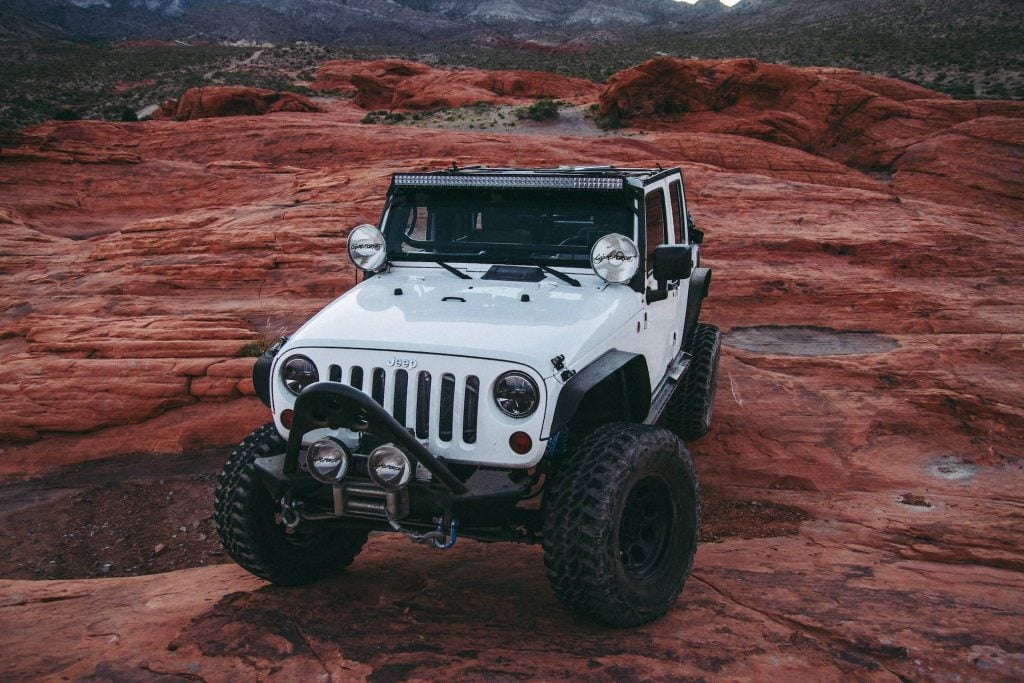
Ignore the badge and the marketing trim name. Four measurements decide whether a vehicle is genuinely capable off pavement: ground clearance, approach and departure angles, payload capacity, and whether the aftermarket supports it. Everything else is preference. A well-chosen crossover with good clearance and honest payload will out-travel a heavily badged off-roader that is out of payload the moment you load it for a week away.
The Numbers That Decide It
Payload Is the One People Get Wrong
Ask any experienced overlander what limits a build and the answer is almost never traction. It is weight. A roof tent, a bumper, a winch, recovery gear, water, fuel and two adults add up faster than the sticker suggests, and many mid-size SUVs run out of payload before they run out of space.
Find the yellow payload placard on the driver’s door jamb and treat that number as the budget for everything you add, including passengers. Exceeding it does not just void warranties; it changes braking distances and how the vehicle behaves in an emergency maneuver, which is precisely when you need it predictable.
Capability You Will Actually Use
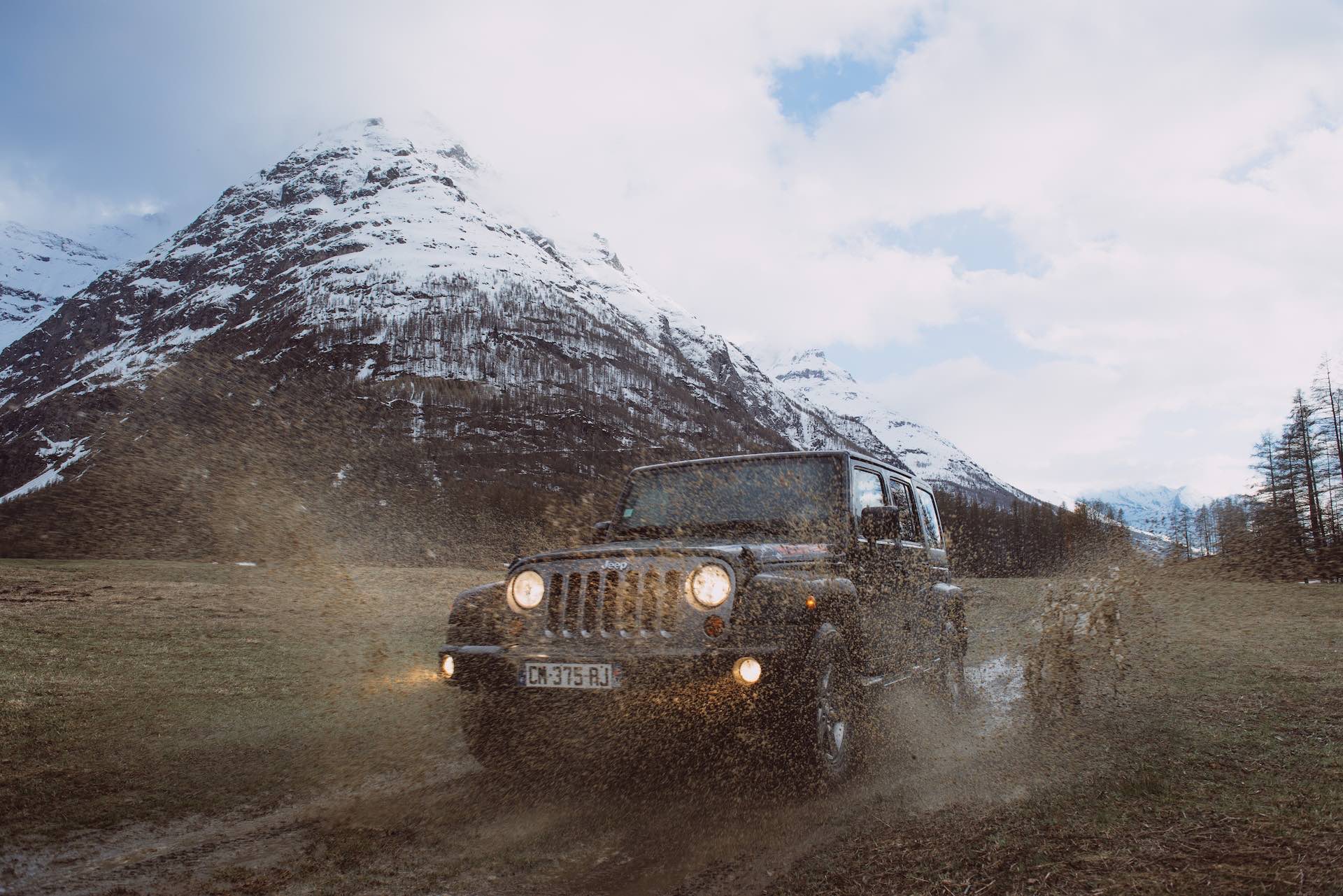
Be honest about the terrain. Most people describing themselves as adventurers are driving forest service roads, gravel, and the occasional rutted track to a trailhead. That is a very different requirement from rock crawling, and buying for the harder case has real costs: worse fuel economy, more road noise, a harsher ride and tires that wear quickly on the highway you actually spend most of your time on.
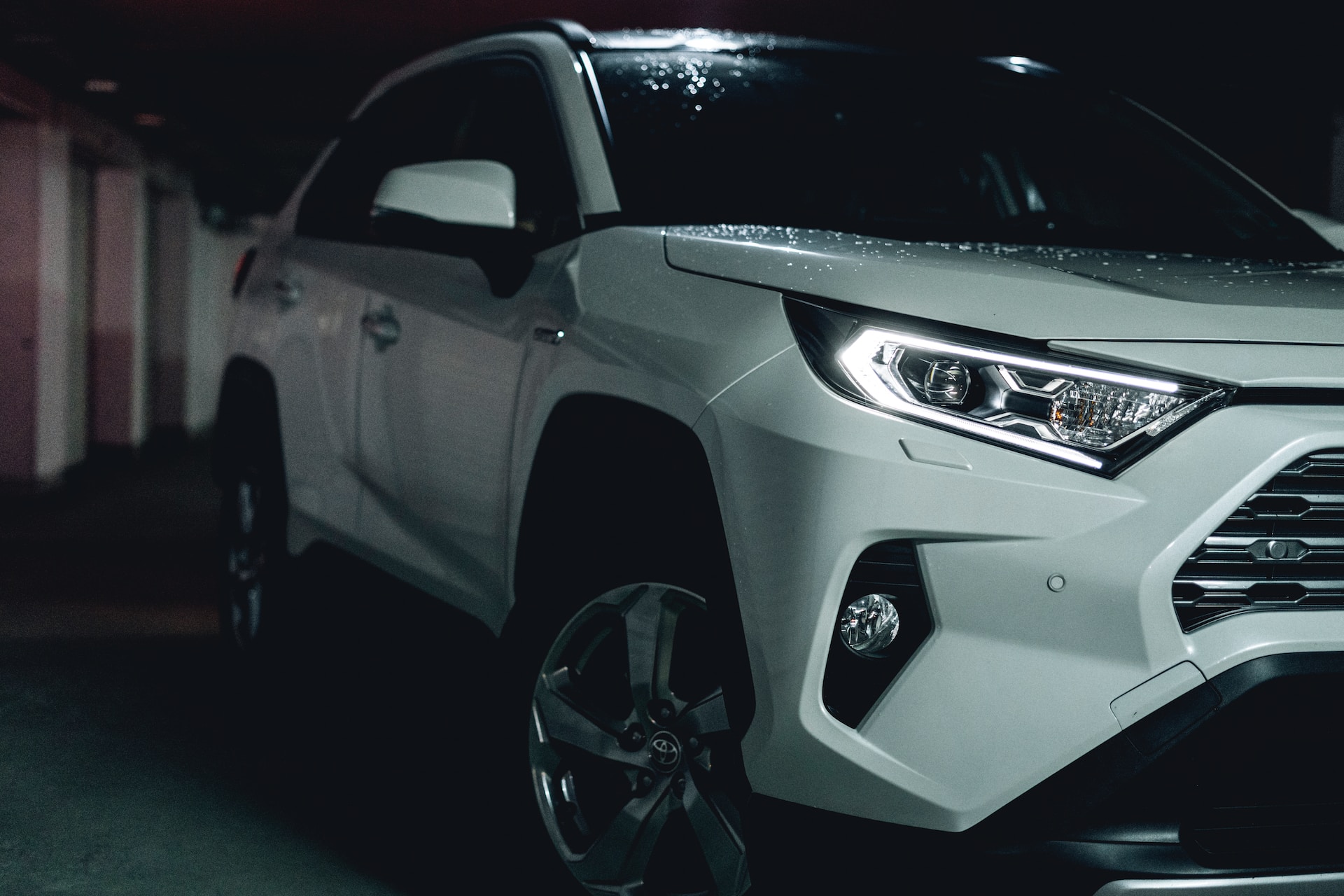
A capable all-wheel-drive crossover with proper all-terrain tires and decent clearance covers the realistic case comfortably. Low range, lockers and serious articulation matter when the terrain genuinely demands them, and are dead weight when it does not.
Reliability Beats Capability When You Are Far From Help
The best adventure vehicle is the one that starts on the fourth morning in the rain, 90 miles from a paved road. That argues for a mainstream platform with wide parts availability over something exotic, however capable the exotic option looks on paper.
It also argues for restraint with modifications. Every aftermarket part is a component the manufacturer did not test in that combination, and heavily modified vehicles break in more interesting ways than standard ones. Fit what the trip needs and stop there.
What Modifications Do to Transport
This catches owners out when the vehicle needs to travel by carrier rather than under its own power. Lifts, oversized tires, roof racks and rooftop tents all raise the loaded height, and open carriers have less vertical clearance on the upper deck. A tall build tends to be assigned to the lower deck, which reduces the number of slots that will take it and can mean a slightly longer wait and a slightly higher price.
Measure to the highest fixed point before requesting a quote, and remove what comes off easily, because a roof rack is both the most commonly damaged item and the cheapest height to give back. We cover the detail in our guide to shipping a modified pickup, and the same logic applies to any lifted SUV.
Buying Used
A used adventure vehicle carries a history the odometer does not show. Look underneath for scraped skid plates, bent rock sliders and fresh undercoating hiding rust or repairs. Check whether modifications were installed properly, because a lift fitted without corresponding alignment and geometry work wears tires and joints quickly.
Ask what the vehicle actually did. A truck that saw gravel roads and campsites is a very different purchase from one that spent weekends being winched off rocks, and both can look identical in photographs.
Common Questions
Do I need a body-on-frame vehicle? Only for sustained hard use or serious towing. Modern unibody crossovers handle gravel, forest roads and light trails well.
How much ground clearance is enough? Around eight inches covers most unpaved roads. Beyond ten you are buying for terrain most owners never encounter.
Are all-terrain tires worth it? Usually the single best value modification. Expect slightly more road noise and marginally worse economy in exchange for real capability.
Will a lift affect shipping? Yes, through loaded height. It may limit which deck the vehicle can ride on, so give the measured height when quoting.
Is an electric adventure vehicle practical? Increasingly, with the caveat that range falls sharply under load and charging is sparse in remote areas. Plan around charging rather than assuming it.
Get a Quote
Call Ship A Car, Inc. at (866) 821-4555 with the vehicle’s measured height and curb weight, or request an estimate for the move through the quote calculator.