Winter Weather and Vehicle Transport: How Carriers Plan Around It, and How You Should
Winter is the one season that reroutes the auto transport industry in real time. Forecasts that read as small print to most drivers, such as a La Nina pattern, a lake-effect band, or an ice advisory across a mountain pass, decide which routes trucks run, how long your shipment takes, and what it costs.
Here is how winter actually changes vehicle transport, and how to plan a cold-season shipment so the weather is an inconvenience rather than a surprise.
What Winter Does to the Network
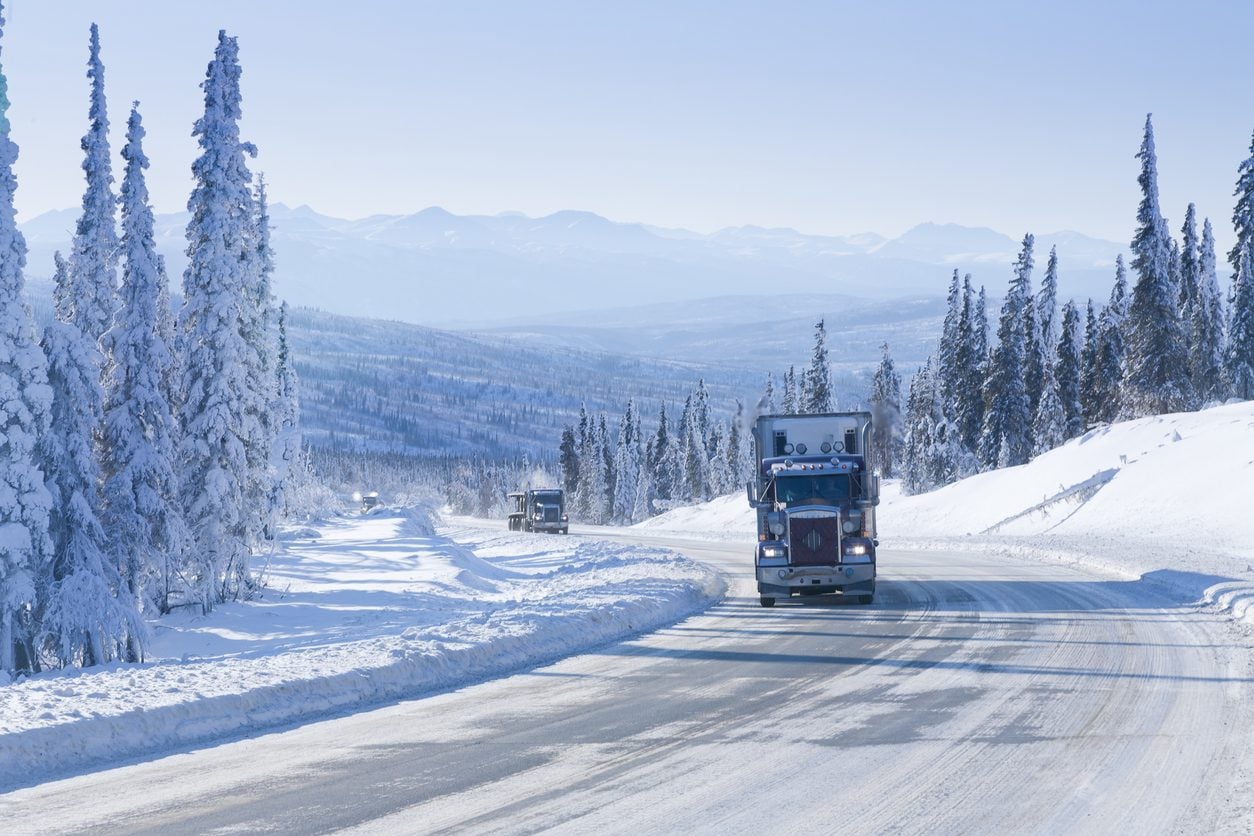
A nine-car hauler is a seventy-foot combination that cannot treat a winter storm as a nuisance. When a front closes a pass or glazes an interstate, carriers do one of three things: wait it out, run a longer southern routing, or drop the load count to carry chains and weight margin. All three cost time, and two of them cost money that shows up in winter rates.
The equipment side changes too. Chain laws in the mountain states are not suggestions: when the signs go up, a combination without chains parks until the requirement lifts, and hanging iron on a loaded nine-car hauler in a pullout at ten degrees is slow, dangerous work that drivers plan whole days around. Washington, Oregon and Colorado enforce carrier chain rules aggressively on their passes, which is one reason experienced dispatchers simply route around the worst windows rather than through them.
The industry watches seasonal outlooks from the federal weather service closely for exactly this reason. A winter forecast that promises a wetter, colder pattern across the northern tier tells dispatchers months in advance that the I-90 and I-80 corridors will lose days to closures, and that demand will lean harder on the southern I-40 and I-10 routings. You do not need to read the forecast yourself, but it helps to know your carrier is reading it.
What It Means for Your Shipment
Timelines stretch. A route that runs coast to coast in seven to ten days in June can honestly need ten to fourteen in January, because a single closed pass parks a truck for a day and the schedule ripples. Build margin into winter plans and treat quoted windows as estimates made in good faith about weather nobody controls.
Pricing shifts by corridor. Northern routes carry winter risk premiums; the snowbird lanes south run hot with seasonal demand in both directions of the calendar. The cheapest winter move is a flexible one: a pickup window of several days lets a dispatcher slot your car around a storm instead of through it.
Communication matters more. A good carrier calls when weather moves a schedule. If your dates are hard, whether a flight, a job start, or a lease end, say so at booking, and consider shipping earlier than you strictly need to.
Preparing a Car for a Winter Move
Cold-season transport asks slightly more of the vehicle than a summer run.
Wash it, then photograph it. Road salt film hides existing scratches, and a claim depends on the before pictures. Daylight photos of every panel after a wash, before pickup.
Check the battery and antifreeze. The car must start and run at both ends of the trip in whatever temperature it finds there. A battery that is marginal in Boston in November is dead in a Denver yard in December.
Keep the tank near a quarter. Enough to load and unload, light enough not to add weight.
Expect a dirty delivery on open transport. A car that crosses the Rockies in January on an open trailer arrives filthy and unharmed; grime is not damage. If the finish matters, winter is the season where enclosed transport earns its premium, and our page on winter car shipping mistakes covers the rest of the cold-weather checklist.
Insurance does not change, but claims discipline matters more. Winter grime makes the delivery inspection harder, and a snow covered car cannot be inspected at all. If the vehicle arrives under snow or heavy film, note “unable to fully inspect due to conditions” on the bill of lading before signing, photograph what you can, and follow up in writing within a day once the car is washed. That one sentence preserves a claim that a clean signature would have surrendered.
The Winter Opportunity
Here is the part fewer people know: outside the snowbird lanes, winter is the slow season. Demand on most corridors drops after the holidays, and January through early March quotes on routes that do not cross the worst weather often come in below summer rates. If you have flexibility on dates and your route runs south of the snow, winter is a genuinely good time to ship a car.
The snowbird corridors are their own market with their own calendar, covered in our guide to seasonal and snowbird car shipping: south in fall, north in spring, book weeks ahead in both.
One more winter-specific habit worth adopting: check both ends of the route, not just your own. Shippers in Florida routinely book January pickups from the upper Midwest without realizing the origin city is under a storm warning, then read the delay as carrier failure. The weather that matters is wherever the truck is, and a two-minute look at the national forecast map the week of pickup sets expectations better than any tracking call. Carriers running the northern tier in January are managing conditions on a thousand-mile line, and the ones who communicate honestly about it are the ones worth hiring again.
Common Questions
Does car shipping happen in winter at all? Constantly. The industry runs year round; winter just adds routing decisions and schedule margin.
Is winter shipping slower? On northern routes, often by several days. Southern routings hold close to normal timelines.
Is it cheaper to ship a car in winter? Off the snowbird lanes, frequently yes. January through early March is the industry’s quiet stretch.
Open or enclosed in winter? Open is safe and standard; the car arrives dirty, not damaged. Enclosed is worth it for finishes you care about and for the worst-weather corridors.
What should I do differently in winter? Wash and photograph before pickup, check battery and antifreeze, give a flexible window, and build days of margin around hard dates.
Get a Quote
Call Ship A Car, Inc. at (866) 821-4555 with both zip codes, the vehicle and your date range, or request an estimate for the move through the quote calculator.