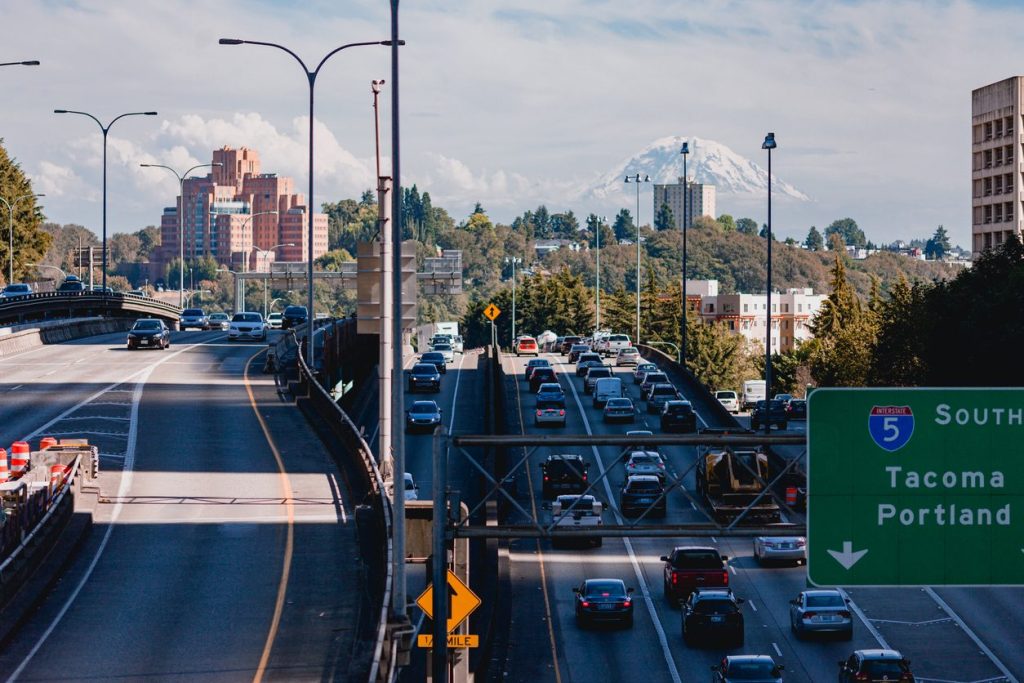
Truck Bottlenecks in the US and What They Cost You
The worst truck bottlenecks in the country are not stretches of bad road. They are a handful of specific interchanges where two or more interstates meet inside a major city, and a truck can lose an hour at one of them. Those hours are why an identical car shipped on two similar routes can arrive on different days, and why some lanes cost more than the mileage suggests.
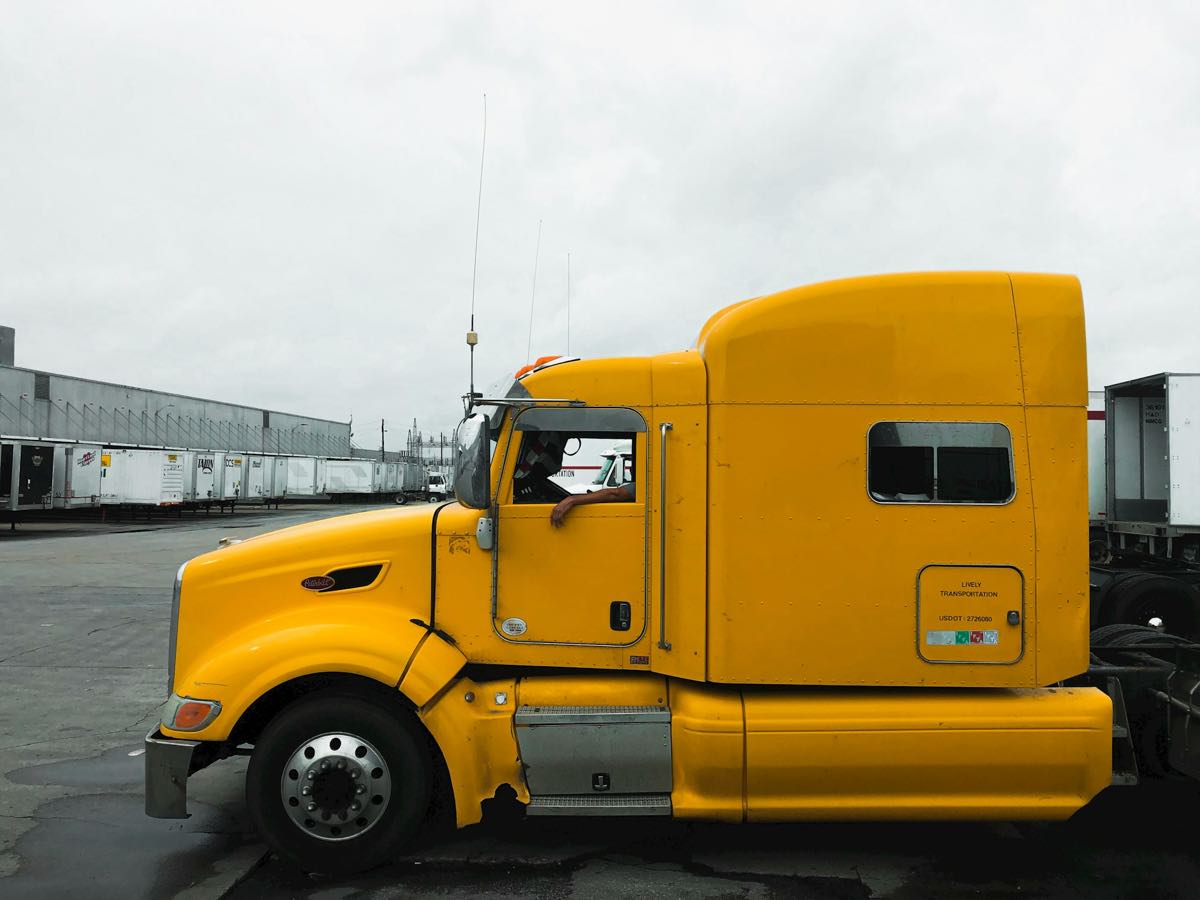
What a Bottleneck Actually Is
The American Transportation Research Institute publishes an annual ranking of the worst freight bottlenecks in the country, built from GPS data collected from trucks rather than from general traffic counts. That distinction matters: a location that is merely annoying in a car can be genuinely costly for a 75 foot vehicle that cannot accelerate or change lanes quickly.
The list is dominated year after year by the same kinds of location: urban interchanges where interstates cross, river crossings with limited alternatives, and approaches to major ports. The New York and New Jersey metropolitan area, Chicago, Atlanta, Houston and the Los Angeles basin appear consistently.
Check the current year’s rankings if you want the specific list, because the order moves as construction projects complete and traffic patterns shift.
Why They Are So Hard to Fix
Because the problem is geography and land, not pavement.
A congested interchange in a dense city cannot simply be widened. The land is built on, the cost of acquiring it is enormous, and the construction itself creates years of the exact congestion it is meant to relieve. Several of the worst locations sit at river crossings where the only real fix is another bridge or tunnel, which is a decade-long project rather than a maintenance item.
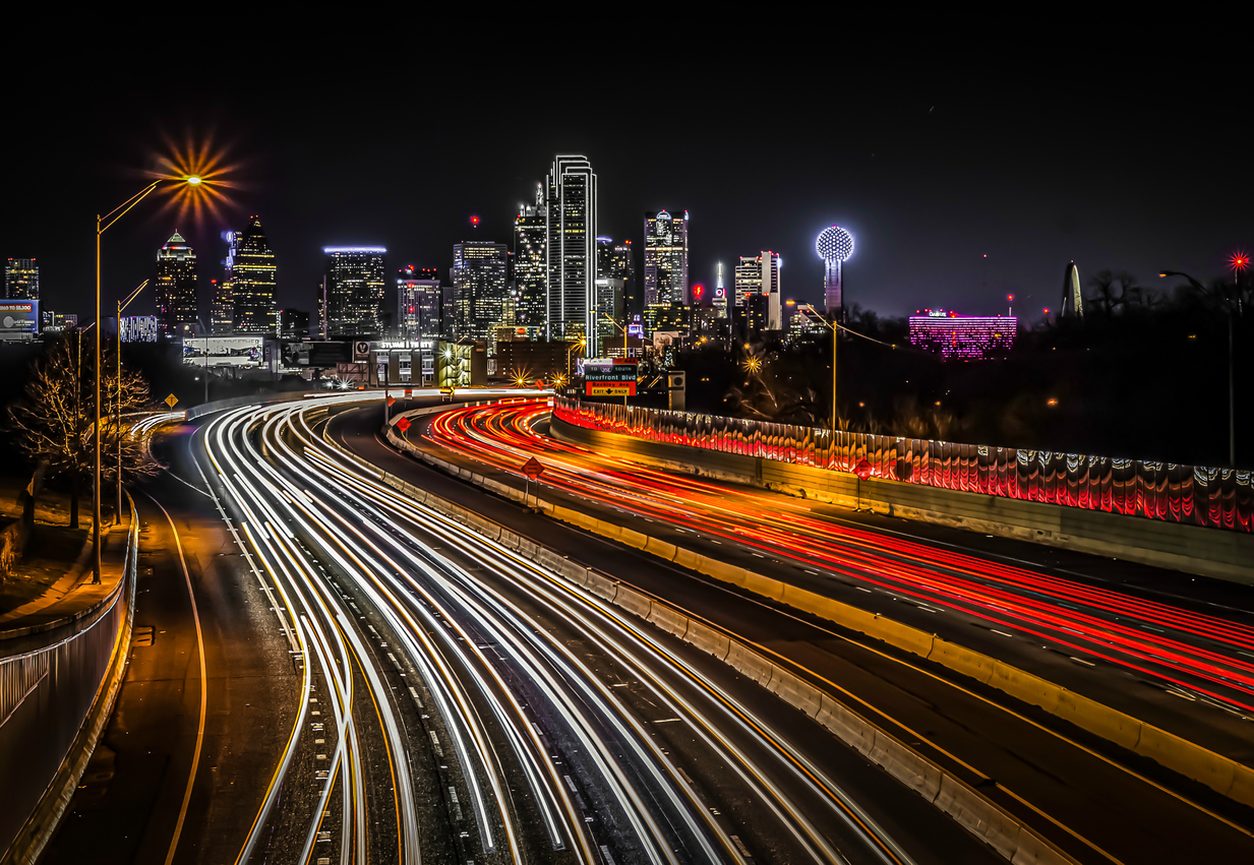
There is also an uncomfortable pattern where added capacity fills up. Widening a corridor frequently attracts enough additional traffic to return congestion to roughly where it started within a few years, which makes the case for spending billions harder to argue.
What It Costs the Industry
Congestion costs the trucking industry billions of dollars a year in lost time and wasted fuel, and the cost does not stay with the carrier.
The mechanism that matters most is the hours of service rule. A driver has a fixed number of driving hours in a day, and time spent stationary in traffic is deducted from that allowance without covering any distance. An hour lost at an interchange is not just an hour late; it can mean the driver runs out of legal hours short of the planned stop, which pushes the whole schedule into the next day.
Fuel burned while idling is a straightforward loss. So is the wear on a drivetrain doing stop-start work it was not designed for. And congestion is where accidents happen, which is a cost of a different order.
How This Reaches Your Quote
Carriers price lanes by how long they take and how reliable they are, not by mileage alone.
A lane that crosses two or three known bottlenecks is slower and less predictable than an equivalent distance across open country, so it needs a higher rate to be worth running. That is why a shorter route through congested metropolitan areas can price higher than a longer one that avoids them.
It also affects availability. Carriers have a choice about which loads to accept, and a lane that eats a day in traffic is less attractive than one that does not. On a badly congested corridor at a busy time of year, that can mean waiting longer for an assignment.
What You Can Actually Do About It
Three things, and the first is by far the most useful.
Choose the meeting point deliberately. If you live inside a congested metropolitan area, offering a pickup or delivery point on the outside of the ring road rather than in the center can meaningfully improve both price and scheduling. A large lot near an interstate exit beyond the worst of the traffic is easy for a driver to reach and easy to work in.
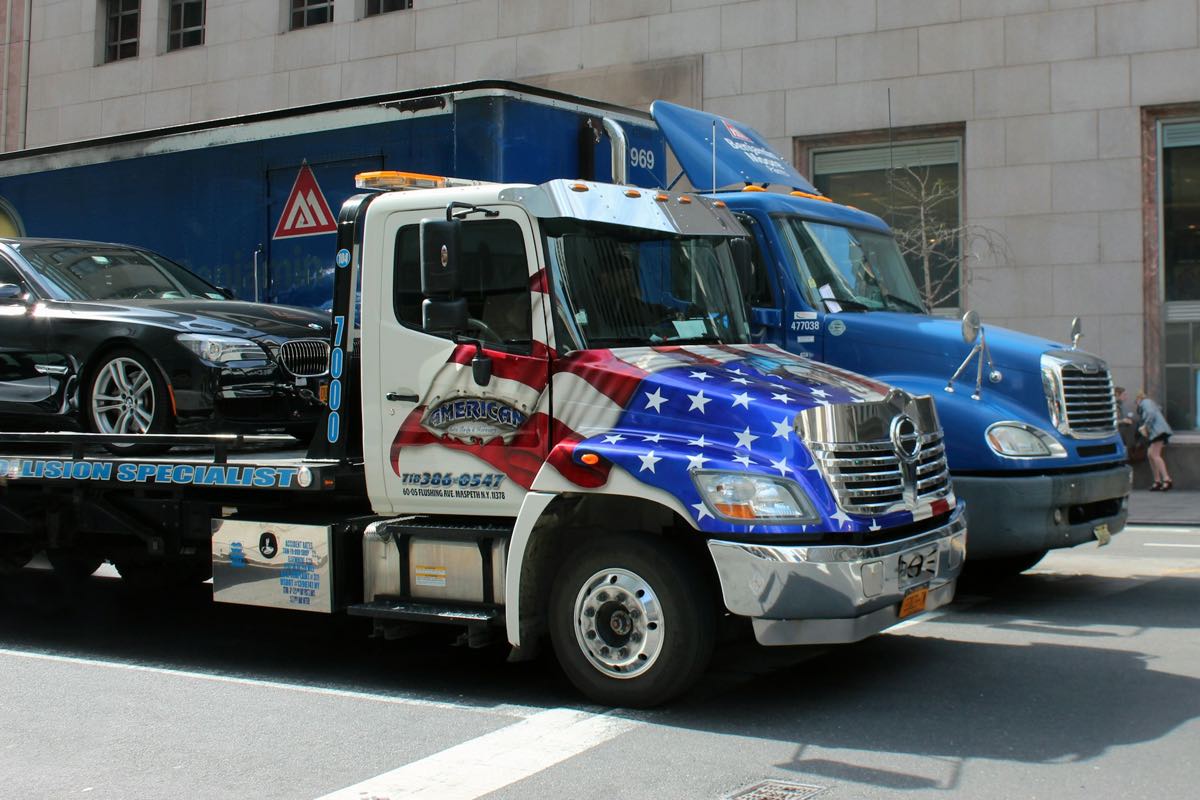
Give a range of dates. Flexibility lets a carrier schedule your pickup around the congestion rather than into it, which is worth more on a bad corridor than on a clear one.
Treat delivery estimates as ranges. On a lane crossing several bottlenecks, a day of variance is normal and is not a sign that anything has gone wrong. Plan so that the car arriving a day late is an inconvenience rather than a problem.
Where It Is Heading
Freight volumes have grown faster than road capacity for a long time, and there is no realistic scenario in which the worst urban interchanges get materially easier soon.
The changes that will matter are mostly operational rather than structural: better routing data, more overnight and off-peak movement, and infrastructure funding aimed specifically at freight corridors rather than at general capacity. Several large projects at the top-ranked locations are underway, and each will make things worse before it makes them better.
For anyone shipping a vehicle, the practical takeaway does not change. Build the congestion into the schedule and pick your handover point with it in mind. Our explanation of how the freight market sets what you pay covers the other side of the same equation.
Common Questions
Where are the worst bottlenecks? Consistently in the New York and New Jersey area, Chicago, Atlanta, Houston and Los Angeles, at urban interchanges and river crossings. The annual ranking shifts.
Why does an hour in traffic matter so much? Drivers have a fixed number of legal driving hours. Time spent stationary is deducted without covering distance, which can push a whole schedule into the next day.
Does congestion change my price? Yes. Carriers price lanes by time and reliability, so a congested corridor can cost more than a longer clear one.
What is the single most useful thing I can do? Offer a meeting point outside the congested core, near an interstate exit.
Why not just widen the roads? The land is built on, the projects take a decade, and added capacity has a habit of filling up again.
Get a Quote
Call Ship A Car, Inc. at (866) 821-4555 with both zip codes and your date range, or request an estimate for the move through the quote calculator.