How Truck Drivers Cut Fuel Consumption, and Why It Reaches Your Quote
Fuel is one of the largest costs in trucking, and a driver who runs efficiently can move the same freight for meaningfully less than one who does not. The techniques are unglamorous and the differences are large, which is why fleets measure them closely and why owner operators treat them as income.
Here is what actually works, roughly in order of how much it saves, and how it reaches the price of moving a vehicle.
Speed Is the Biggest Single Lever
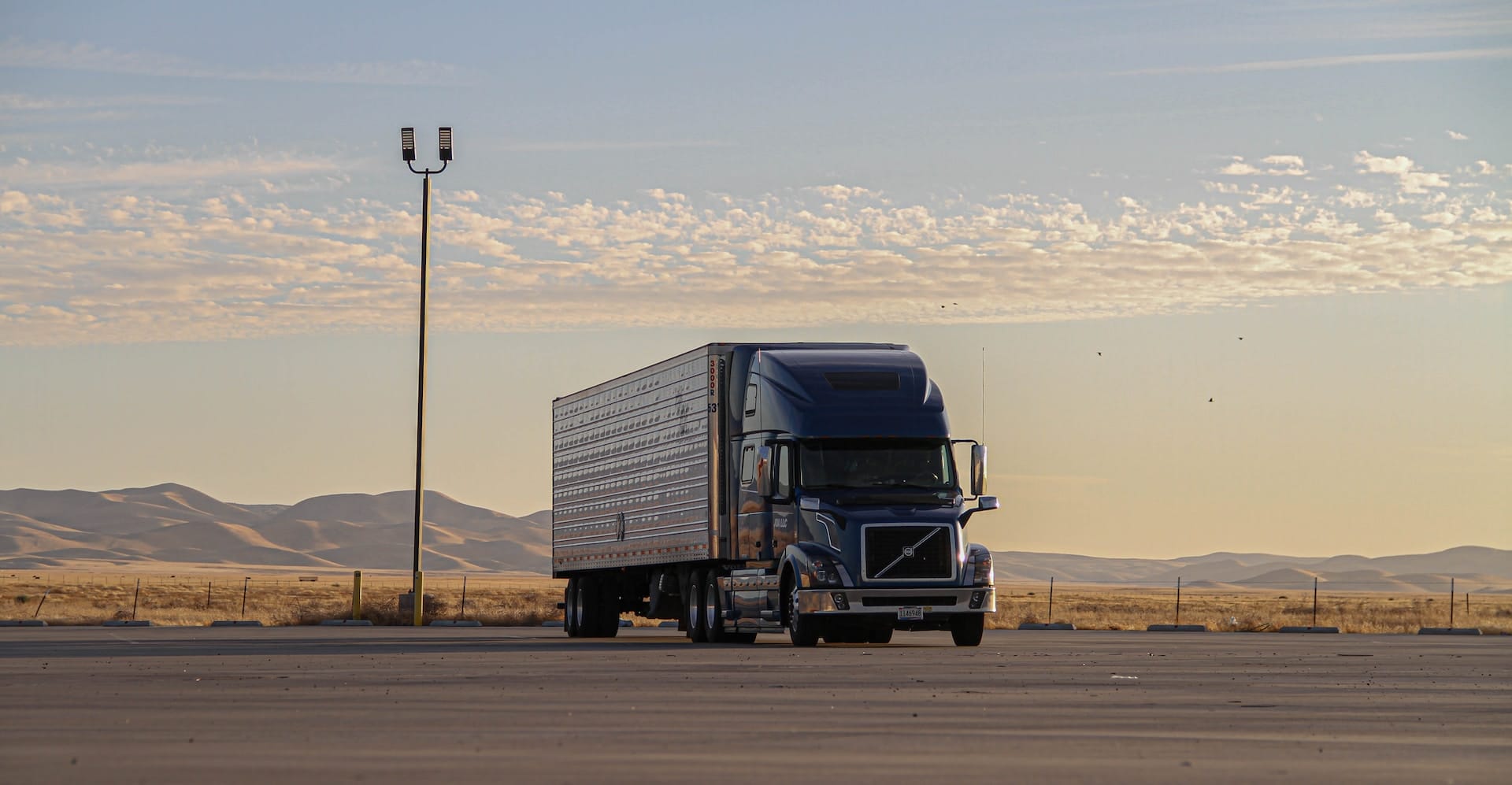
Aerodynamic drag rises with the square of speed, and a loaded combination is a very large object pushing a great deal of air.
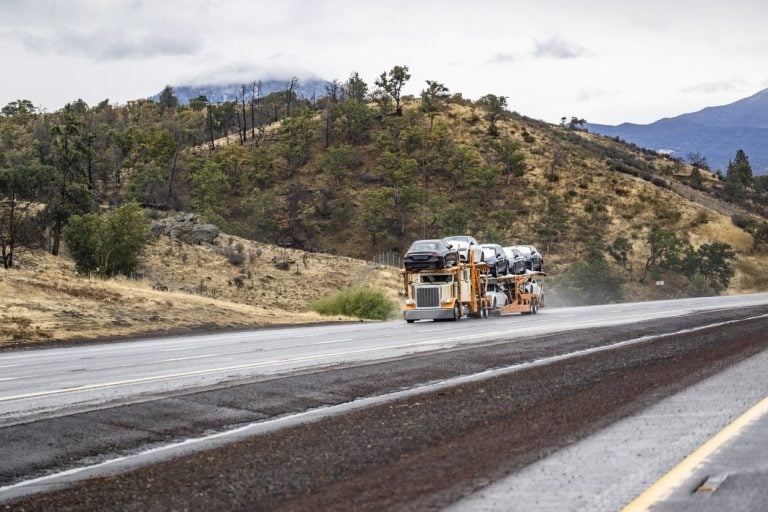
The practical consequence is that a few miles per hour makes a real difference to consumption over a long run. This is why a large share of fleets limit their trucks’ top speed electronically, and it is why a governed truck will sit in the right lane at a steady pace rather than keeping up with traffic.
It is also the most common source of friction between what is efficient and what a customer wants, because a slower truck takes longer. A carrier running at an efficient speed is not being slow for its own sake; it is running at the point where the economics work.
Idling Is the Most Wasteful Habit
An idling engine burns fuel to produce nothing, and over a career the total is enormous.
Drivers idle for real reasons: cab heating and cooling during a mandatory rest period, keeping the engine warm in severe cold, powering equipment. The answer is not to stop resting but to use auxiliary power units, bunk heaters and shore power where available, all of which provide the comfort without running a large diesel engine.
Many jurisdictions also limit idling by regulation, so this is partly a compliance matter and not only an economic one.
Smooth Driving Beats Fast Driving
The habits that separate an efficient driver from an average one are all about momentum.
Looking far enough ahead to lift off rather than brake. Letting the truck slow on a gradient instead of holding speed with the throttle. Using cruise control on level ground where it holds a steadier throttle than a foot does, and switching it off in rolling terrain where it fights the hills. Building momentum before a climb rather than accelerating on the grade itself.
Every hard acceleration and every avoidable brake application converts fuel into heat. A driver who reads the road two thousand feet ahead does neither, and the difference over a year is measured in thousands of gallons.
Tires Are the Quiet One
The least visible item on the list and one of the most consistent.
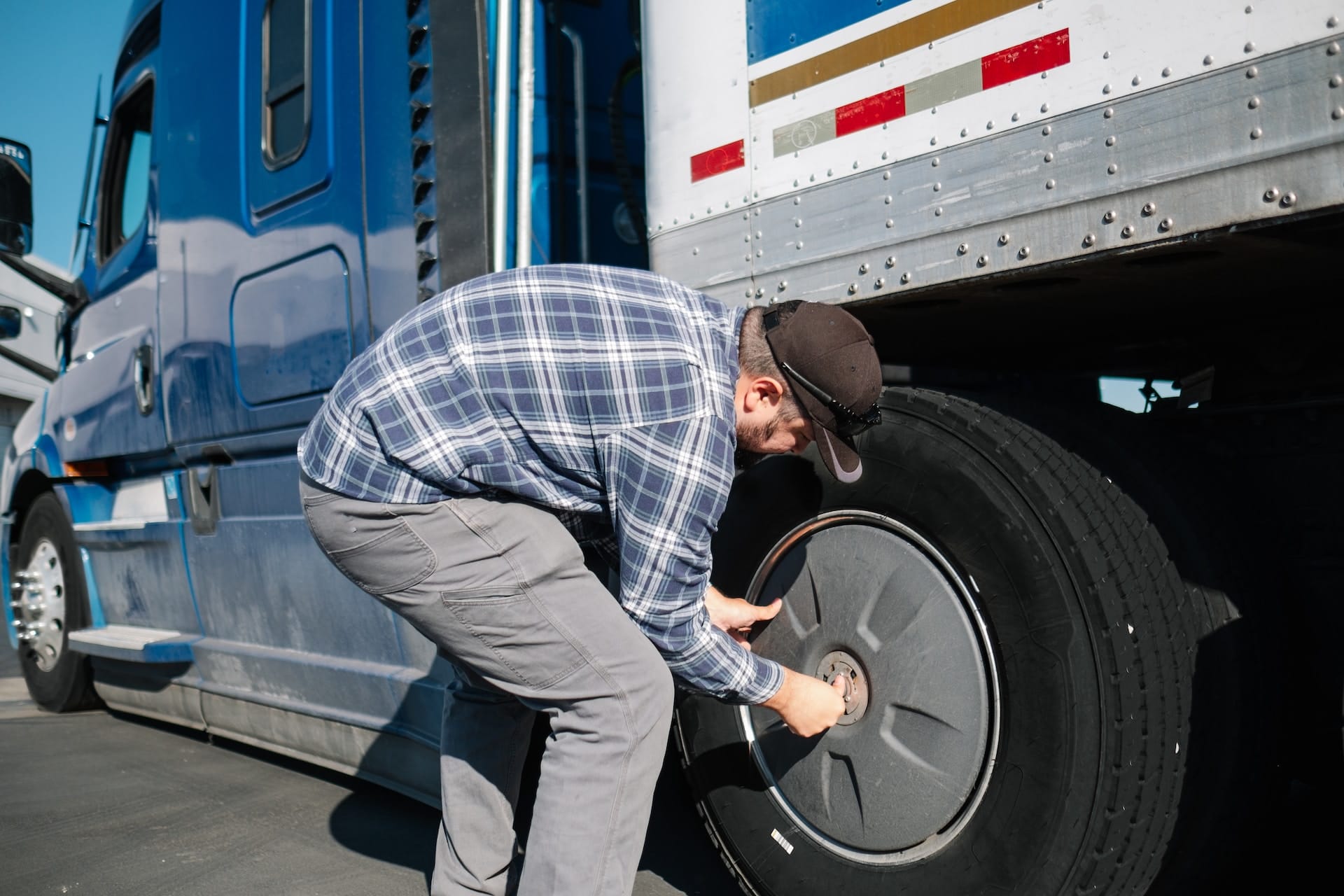
An underinflated tire deforms more as it rolls, and that deformation costs energy. On a combination with eighteen tires, a few pounds low across several of them is a permanent tax on every mile. This is why the pre trip inspection matters beyond safety, and why fleets fit automatic inflation systems on trailers.
Tire choice matters too. Low rolling resistance tires and wide base singles both reduce consumption compared with conventional duals, at some cost in other characteristics. And alignment is worth checking, because a tractor or trailer running slightly crab wise is dragging itself down the road.
Aerodynamics and the Trailer Gap
Modern tractors are shaped the way they are for one reason, and the trailer behind them undoes some of it.
Roof fairings, chassis skirts, closed gaps between tractor and trailer, and trailer side skirts all reduce drag. So does keeping the gap between tractor and trailer short, which is why sliding the fifth wheel forward where the load allows is worth doing.
Open windows at highway speed cost measurably more than running the air conditioning. Anything mounted outside the cab that was not designed there adds drag. None of these is dramatic alone; together they are a substantial share of the total.
Route and Load Planning
Beyond the driver, planning decisions move fuel use as much as technique does.
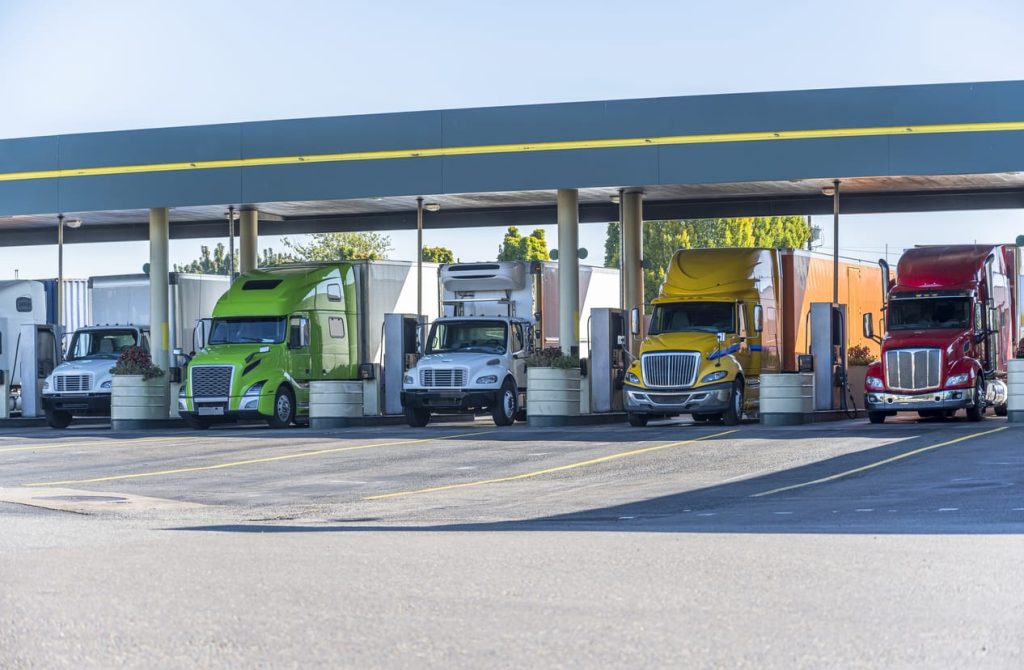
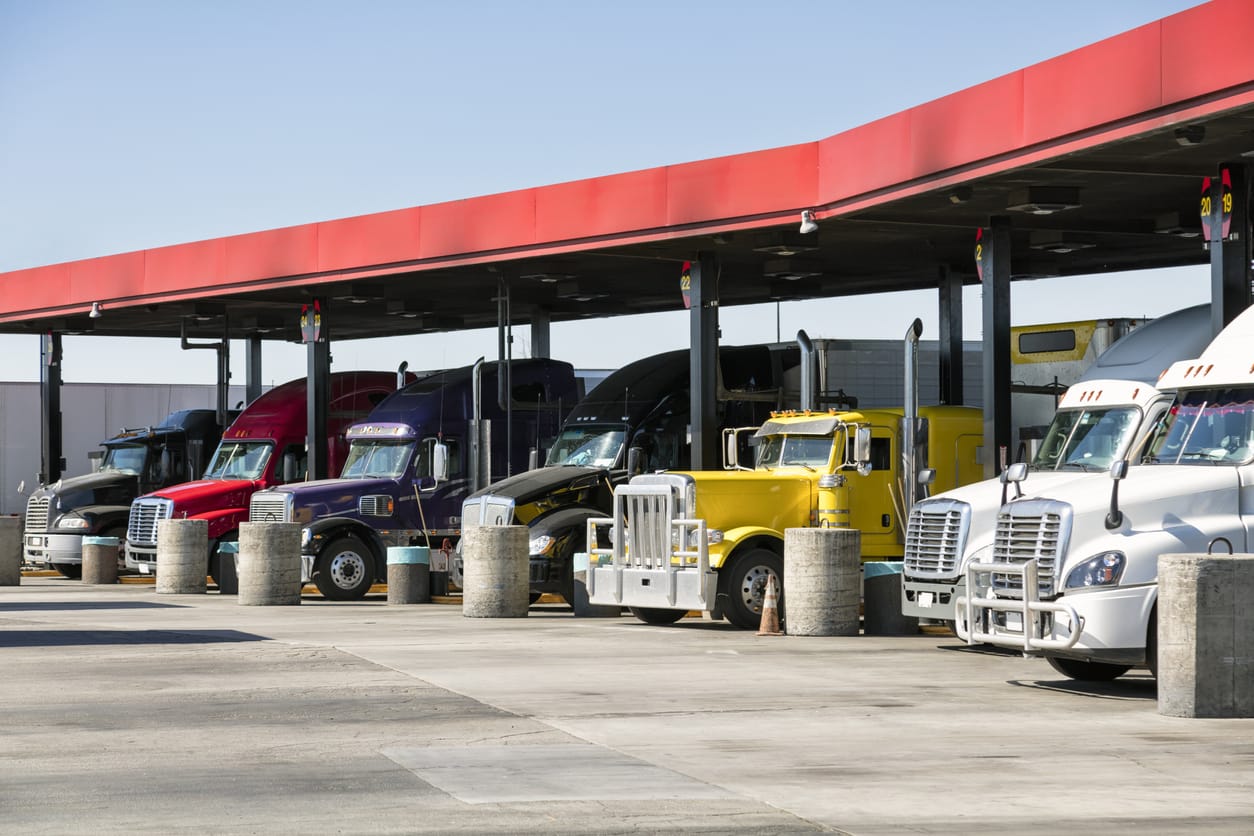
The shortest route is not always the most efficient: terrain, traffic, construction and the number of stops all matter more than distance on a long run. Fuel purchasing is planned around state tax differences, though under the interstate fuel tax agreement the tax is ultimately owed where the fuel is burned rather than where it is bought, so the saving is smaller than it looks.
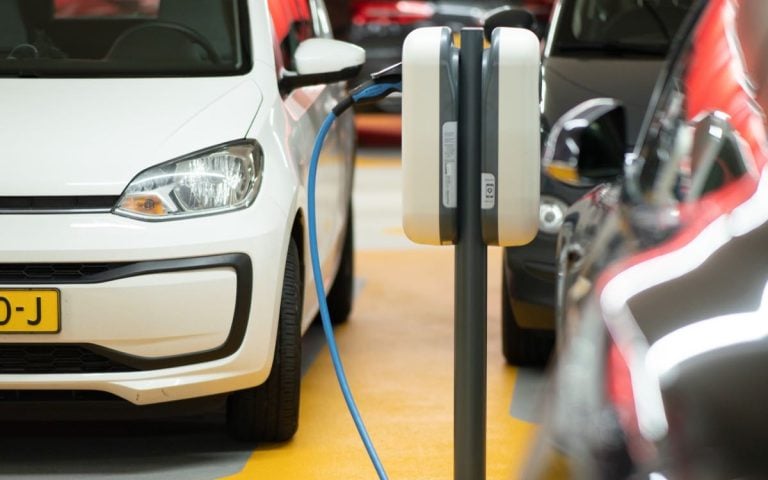
And weight matters. Every pound costs fuel, which is one reason a carrier wants an accurate weight for what it is hauling rather than an estimate, and why electric vehicles being several hundred pounds heavier than their equivalents changes a load plan.
Why It Reaches Your Quote
Indirectly but genuinely.
A carrier decides whether a load is worth taking by whether the rate covers fuel, driver pay, equipment, insurance, maintenance and its share of fixed costs. A carrier that runs efficiently has a lower cost floor and can accept a rate that a less efficient operator cannot. Across the market, that is part of what sets the price on any given lane.
It also explains two things customers notice. A truck that takes a route that looks indirect is usually collecting and delivering other vehicles, and the efficient route is rarely the shortest line. And a delivery estimate that allows generous time is not padding; it reflects legal hours of service plus a speed at which the truck actually makes money. What sets the final number is covered in our page on what determines the cost of shipping a car.
Common Questions
What saves the most fuel in trucking? Reducing speed, because aerodynamic drag rises with the square of it. Then eliminating idling and driving smoothly.
Why do trucks sit in the right lane at a steady speed? Many are electronically governed to an efficient speed, which is where the operating economics work.
Does tire pressure really matter? Considerably. An underinflated tire deforms more and costs energy on every mile, across eighteen tires.
Is buying fuel in a cheap state a saving? Less than it appears. Under the interstate fuel tax agreement, tax is settled where the fuel is burned rather than where it is bought.
Does any of this change my price? Indirectly. Efficient carriers have a lower cost floor, and that feeds into the rates available on a lane.
Get a Quote
Call Ship A Car, Inc. at (866) 821-4555 with both zip codes and your date range, or request an estimate for the move through the quote calculator.