Why Gasoline Prices Move, and What It Does to Shipping Costs
Pump prices are the most visible number in the economy and one of the least understood. They are not set by a single decision, they vary by more than a dollar a gallon between states for reasons that have nothing to do with the local station, and the version that matters to freight is diesel rather than gasoline.
Here is what actually moves the price, why your state is different from the next one, and how it reaches a shipping quote.

What the Price Is Made Of
Five components, and they move independently.
Crude oil is the largest single share and the most volatile. It is priced globally, which is why a supply disruption on the other side of the world reaches an American pump within weeks.
Refining is the cost and margin of turning crude into finished fuel. This is the component people miss, and it explains a lot of the sharp regional moves: when a refinery goes down unexpectedly, the crude price has not changed but the supply of finished gasoline in that region has.
Distribution and marketing covers pipelines, trucks, terminals and the station itself. Relatively stable, and a smaller share than most people assume.
Taxes are federal plus state, and the state component varies enormously. This is the single largest reason for the price gap you see crossing a state line.
One more component worth naming, because it is invisible and large: inventory timing. Stations buy fuel in advance, so what you pay today reflects wholesale costs from days or weeks earlier. That lag is why pump prices rise quickly when crude jumps and fall slowly when it drops, a pattern often read as price gouging and better explained by the fact that a station selling fuel it already paid for has no reason to sell at a loss, while one facing a rising replacement cost raises immediately.
Why Your State Is Different
Three structural reasons, none of them about local competition.
Taxes, as above. The spread between the highest and lowest state fuel taxes is substantial and it shows up directly at the pump.
Fuel specification. Some states, California most notably, require a specific cleaner burning blend that only certain refineries produce. A narrower supply base means less ability to absorb a disruption, which is why prices there move further and faster than the national average.
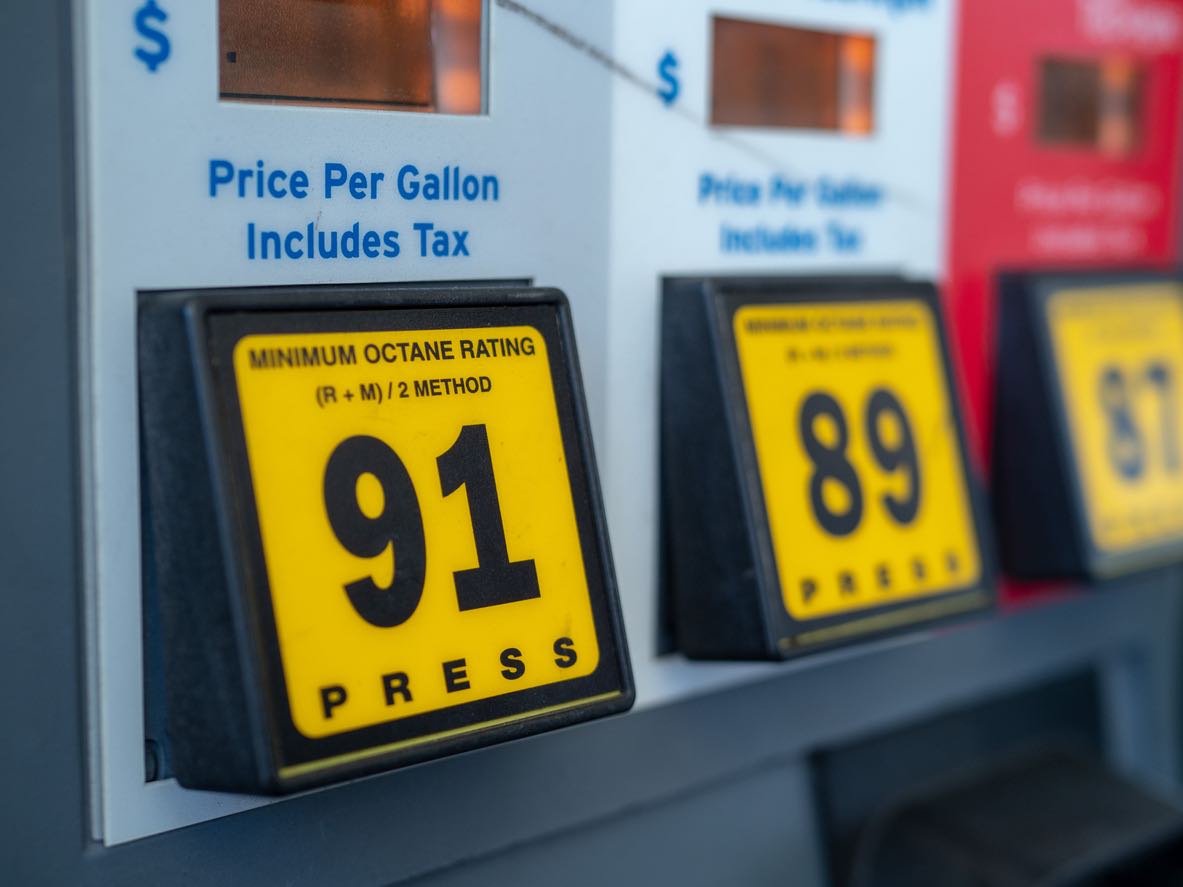
Distance from supply. Regions served by long pipeline runs or by marine shipments pay for that logistics chain. The Gulf Coast, where much of the refining capacity sits, is consistently among the cheapest for exactly this reason.
Seasonality overlays all of it. Refineries switch between winter and summer blends, and the transition periods reduce available supply. Combined with higher summer driving demand, that produces the familiar spring increase.
Diesel Is a Separate Market
For anything involving freight, this is the number that matters, and it does not track gasoline.
Diesel competes with heating oil and with international demand for distillate, so its price responds to different pressures. It also carries a higher federal excise tax than gasoline. There are stretches where diesel is meaningfully more expensive than gasoline and stretches where the gap narrows, and the two do not move in step.
Interstate carriers do not simply pay tax where they fill up either. Under a fuel tax agreement among the states and Canadian provinces, a carrier reports miles driven in each jurisdiction and settles quarterly, so tax is ultimately owed where the fuel was burned rather than where it was bought.
How It Reaches a Shipping Quote
Indirectly, and with a lag.
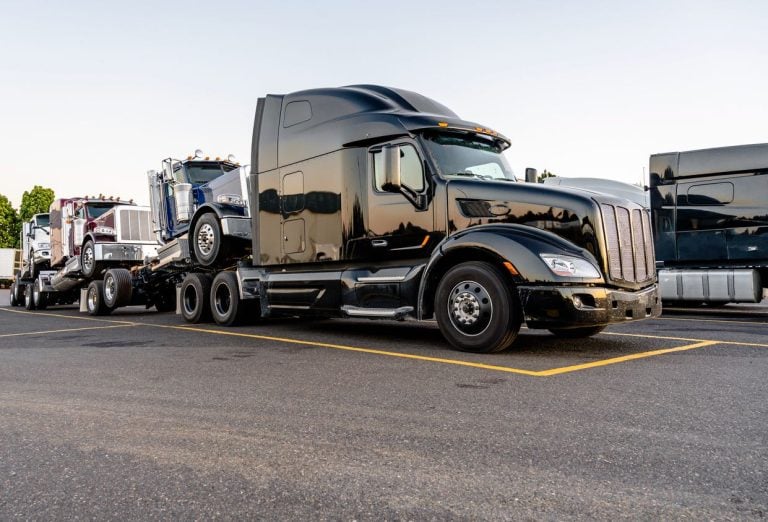
Fuel is one of the largest operating costs a trucking company has. When diesel rises, carriers need higher rates to run the same lanes, and the rates they will accept move accordingly. That works through to what a customer is quoted, but not instantly and not one for one, because a load’s price also reflects distance, route, vehicle size, timing and how many carriers are available.
On vehicle transport specifically, fuel is normally built into the quoted price rather than appearing as a separate surcharge line. So you do not see it, but it is in there.
Route composition matters slightly beyond distance, too. A route weighted toward high fuel tax states carries a marginally higher underlying cost than the same mileage elsewhere, which is one of several reasons identical distances price differently.
What Actually Helps a Consumer
Less than the advice usually suggests, but a few things are real.
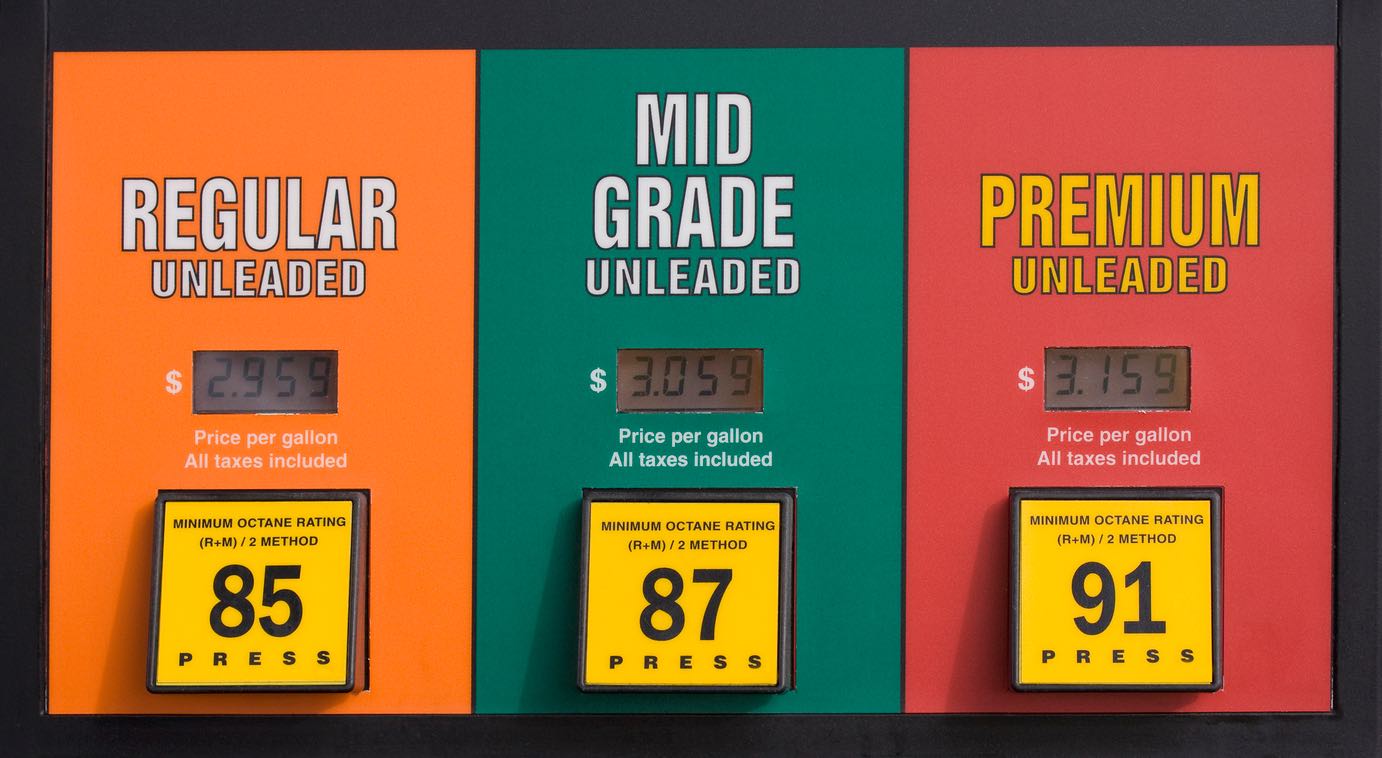
Buy the octane your vehicle requires rather than the one that sounds better. Premium in an engine designed for regular delivers no benefit, and the price gap between grades has widened.
Tire pressure and a light right foot genuinely affect consumption, and both are free. Roof racks and cargo boxes cost real fuel at highway speed, so take them off when they are not in use.
And on a long move, the honest comparison is worth doing. Driving a vehicle across the country costs fuel, lodging, meals, several days and the mileage added to the car. Our page on shipping a car versus driving it yourself works through it, and the answer flips more often than people expect once the total is counted honestly rather than by fuel alone.
Common Questions
Why is gas cheaper in the next state? Mostly state fuel taxes, plus fuel specification requirements and distance from refining supply.
Why does California cost more? A required cleaner burning blend produced by fewer refineries, higher taxes, and less ability to absorb a supply disruption.
Does diesel follow gasoline? No. It is a separate market competing with heating oil and international distillate demand, and it carries a higher federal tax.
Will a fuel surcharge appear on my shipping bill? On vehicle transport, fuel is normally inside the quoted price rather than added separately.
Does premium fuel help? Only in an engine that requires it. In one designed for regular it delivers no benefit.
Get a Quote
Call Ship A Car, Inc. at (866) 821-4555 with both zip codes and your date range, or request an estimate for the move through the quote calculator.