Truck Emissions Rules: What They Cost, and Who Absorbs It
Emissions regulation in trucking is contested for a reason that gets lost in the arguing: the compliance cost per truck is broadly similar for everyone, and the ability to absorb it is not. A fleet of two thousand trucks spreads a purchase premium across an enormous revenue base. An owner operator with one truck does not.
Here is what the rules actually require, where the costs land, and why the industry response splits the way it does.
Two Separate Regulatory Tracks
People conflate these constantly and they work differently.
Criteria pollutant rules target nitrogen oxides and particulate matter, the things that affect local air quality. This is what the exhaust aftertreatment on a modern diesel exists for: exhaust gas recirculation, a diesel particulate filter, and selective catalytic reduction using diesel exhaust fluid.
Greenhouse gas and efficiency rules target carbon dioxide and fuel consumption. These push aerodynamics, tire rolling resistance, engine efficiency and eventually electrification.
A truck has to satisfy both, and they sometimes pull in different directions. Tuning an engine for the lowest nitrogen oxide output can cost fuel efficiency, which is precisely the tension engineers have been managing for two decades.
State level rules add a third layer. California in particular has set its own requirements, and several states have adopted them, which means the regulatory picture is regional rather than national.
Where the Costs Actually Land
Four places, and only the first is widely discussed.
Purchase price. Aftertreatment systems, sensors and efficiency equipment add real cost to a new truck. On top of that sits a federal excise tax charged as a percentage of the sale price, so a more expensive truck carries a proportionally larger tax. The two compound.
Maintenance and downtime. This is the one operators talk about most. Aftertreatment systems require diesel exhaust fluid, periodic filter regeneration, and repair when a sensor or a filter fails. A truck in a shop earns nothing, and for a single truck operation that downtime is the whole business stopping.

Fuel and fluid. Diesel exhaust fluid is a consumable. Efficiency rules have generally improved fuel consumption, which offsets some of this, and the net depends heavily on how the truck is used.
Deferred replacement. The consequence nobody intends. When new equipment gets more expensive, operators keep older trucks longer. Older trucks are less efficient and emit more, which works directly against the rule’s purpose. It is a real and well documented effect.
Why the Small Operator Argument Has Force
Trucking has an unusual structure: a very long tail of small operators. A large share of the fleet is owner operators and companies with a handful of trucks.
For a large fleet, a compliance cost is a line item spread across scale, absorbed through financing, and offset by a maintenance operation that can handle aftertreatment work in house. For a single truck operator it is a payment they may not qualify for, downtime with no backup vehicle, and repair bills paid at a dealer’s rate.
That is why the same regulation reads as manageable to one part of the industry and existential to another. Both are describing their actual situation accurately.
Why the Environmental Case Also Has Force
Worth stating properly rather than as a counterweight.
Heavy trucks are a disproportionate source of nitrogen oxide and particulate emissions relative to their share of vehicles, and those pollutants have measurable health effects concentrated along freight corridors and near ports and distribution centers, which are frequently residential areas.
Modern aftertreatment works. The reduction in emissions per truck since the early 2000s is very large, and it was achieved by regulation rather than voluntarily. The technology that operators find expensive is also the technology that produced a genuine improvement.
Where Electrification Fits, Honestly
The zero emission requirements are the current flashpoint and the practical position is narrower than the debate suggests.
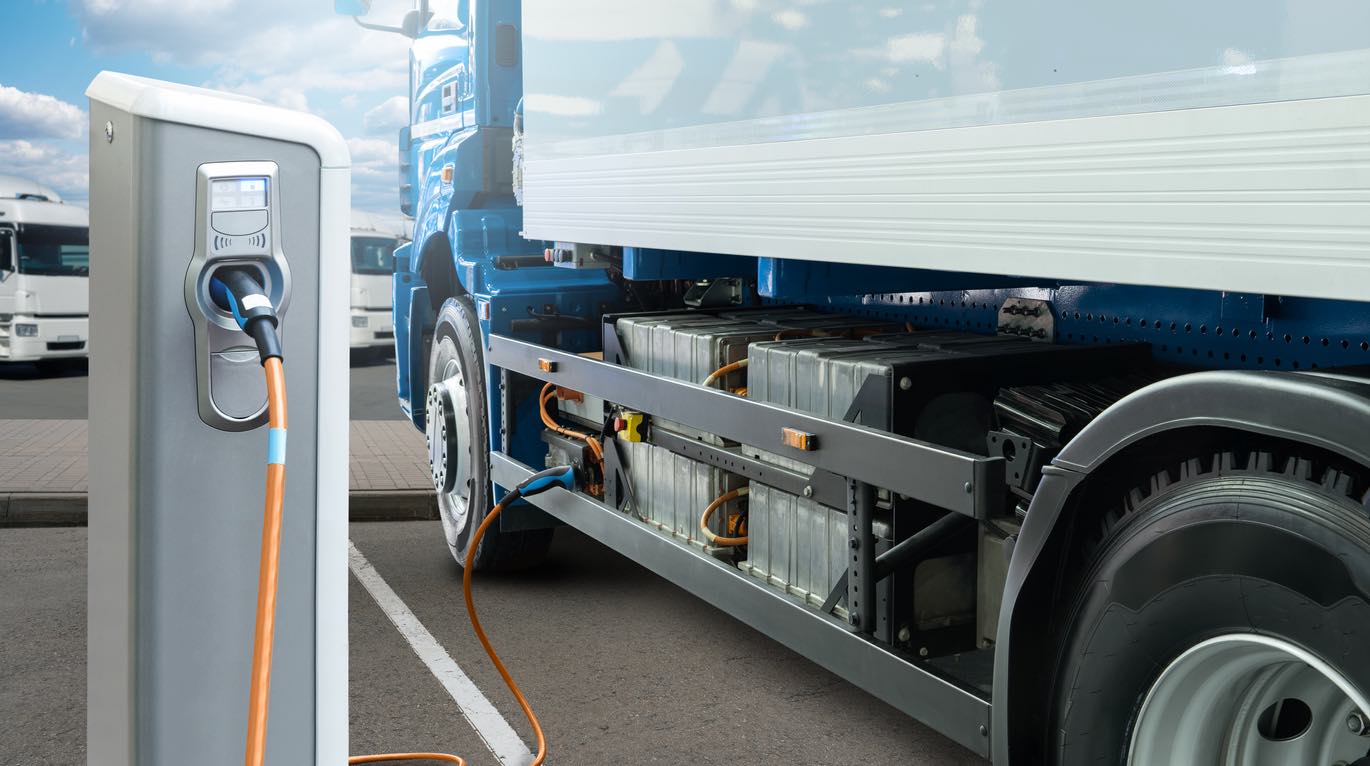
Battery electric trucks work well in defined duty cycles: drayage from a port to a nearby warehouse, regional distribution returning to the same depot nightly, anything with predictable mileage and a place to charge. In those roles they are already operating.
Long haul is harder. The battery weight reduces payload, charging infrastructure along corridors is thin, and charge time competes with driving hours. Hydrogen is proposed for this and its refueling network barely exists.
The one route that has scaled without new equipment is renewable diesel, which is chemically close enough to petroleum diesel to run in an unmodified engine. That is covered in our page on renewable diesel and what it means for freight.
What Any of This Means for a Customer
Indirectly, through the cost floor.
Compliance costs are part of what a carrier must cover before a load is worth taking, alongside fuel, driver pay, insurance and maintenance. When those costs rise, the rate a carrier will accept rises with them. It does not appear as a line item on a quote and it is inside the number.
The other consequence is fleet age. Where replacement is deferred, the average truck on the road is older, and older equipment means more breakdowns and more delays. That shows up not in the price but in whether a delivery estimate holds.
Common Questions
What do truck emissions rules actually require? Two tracks: aftertreatment for nitrogen oxides and particulates, and efficiency measures for carbon dioxide and fuel consumption. Some states add their own.
Why do small carriers object most? The cost per truck is similar for everyone but the ability to absorb downtime and repair bills is not. A one truck operation has no backup vehicle.
Does regulation actually reduce emissions? Per truck, substantially. The counter effect is that expensive new equipment delays replacement, keeping older trucks running.
Are electric trucks viable? In defined duty cycles with depot charging, yes, and already operating. Long haul remains constrained by weight, charging time and infrastructure.
Does this affect what I pay to ship a car? Indirectly. Compliance costs sit inside a carrier’s cost floor and therefore inside the rate.
Get a Quote
Call Ship A Car, Inc. at (866) 821-4555 with both zip codes and your date range, or price the move with the instant calculator.