Renewable Diesel on the West Coast, and What It Means for Freight
A large share of the diesel now burned in California is not petroleum diesel, and most people have never noticed because nothing about using it is different. Renewable diesel is chemically almost identical to the fossil product, works in an unmodified engine, and comes out of the same pump. That is precisely why it has scaled where other alternative fuels have not.
Here is what it actually is, why the West Coast in particular, and what it does to the cost of moving freight.

Renewable Diesel Is Not Biodiesel
The two get used interchangeably and they are different products with different consequences.
Biodiesel is made by treating fats and oils to produce a fuel that is chemically distinct from petroleum diesel. It works, but it is normally blended at limited percentages, it behaves worse in cold weather, and some engine manufacturers restrict how much of it they will warrant.
Renewable diesel is made by hydrotreating the same kinds of feedstock into a fuel that is molecularly very close to petroleum diesel. It can be used neat, has no blend wall to speak of, and generally performs the same or better in cold weather. No engine modification, no separate infrastructure, no operational difference for a driver.
That last point is the whole story. A fuel that requires nothing to change gets adopted; one that requires new equipment does not.
Why the West Coast
Policy, essentially. California’s low carbon fuel standard requires the carbon intensity of transport fuel sold in the state to fall over time, and fuel suppliers meet that by generating or buying credits. Renewable diesel generates credits, which gives it an economic advantage it does not have in states without such a program.
Oregon and Washington have adopted comparable programs, which is why the pattern is regional rather than statewide, and why refining capacity for it has concentrated to serve that corridor. Several refineries have been converted from crude to renewable feedstock specifically to supply it.
The result is a genuinely different fuel mix on West Coast lanes than in most of the country, achieved without any carrier having to buy new equipment.
What It Does to Cost
Here is the honest position, because it is frequently overstated in both directions.
Renewable diesel generally costs more to produce than petroleum diesel. The credit programs are what close that gap, so its price at the pump depends on the value of those credits, which fluctuates. When credit prices are strong it can be competitive or cheaper; when they are weak it is not.
Feedstock is the other constraint. It is made from waste oils, fats and vegetable oils, and those supplies are finite and competed for by other users. Scaling it further runs into feedstock availability rather than refining capacity, which is the main reason it is unlikely to displace petroleum diesel nationally at anything like the West Coast share.
For a customer moving a car, none of this shows up as a separate charge. Fuel is inside the rate, and what you feel is the aggregate diesel price on the corridor your vehicle travels.
The Rest of the Country
Outside the West Coast programs, renewable diesel appears patchily. Some fleets buy it deliberately to meet their own emissions commitments, and some states have introduced smaller incentives, but without a credit mechanism the price gap against petroleum diesel is usually enough to stop it.
So a load moving from California to the Midwest may well start on renewable diesel and finish on petroleum, with nothing about the truck or the driver’s routine changing at the point it switches. That is unusual among fuels and it is the clearest illustration of why this one scaled.
What a Driver Notices
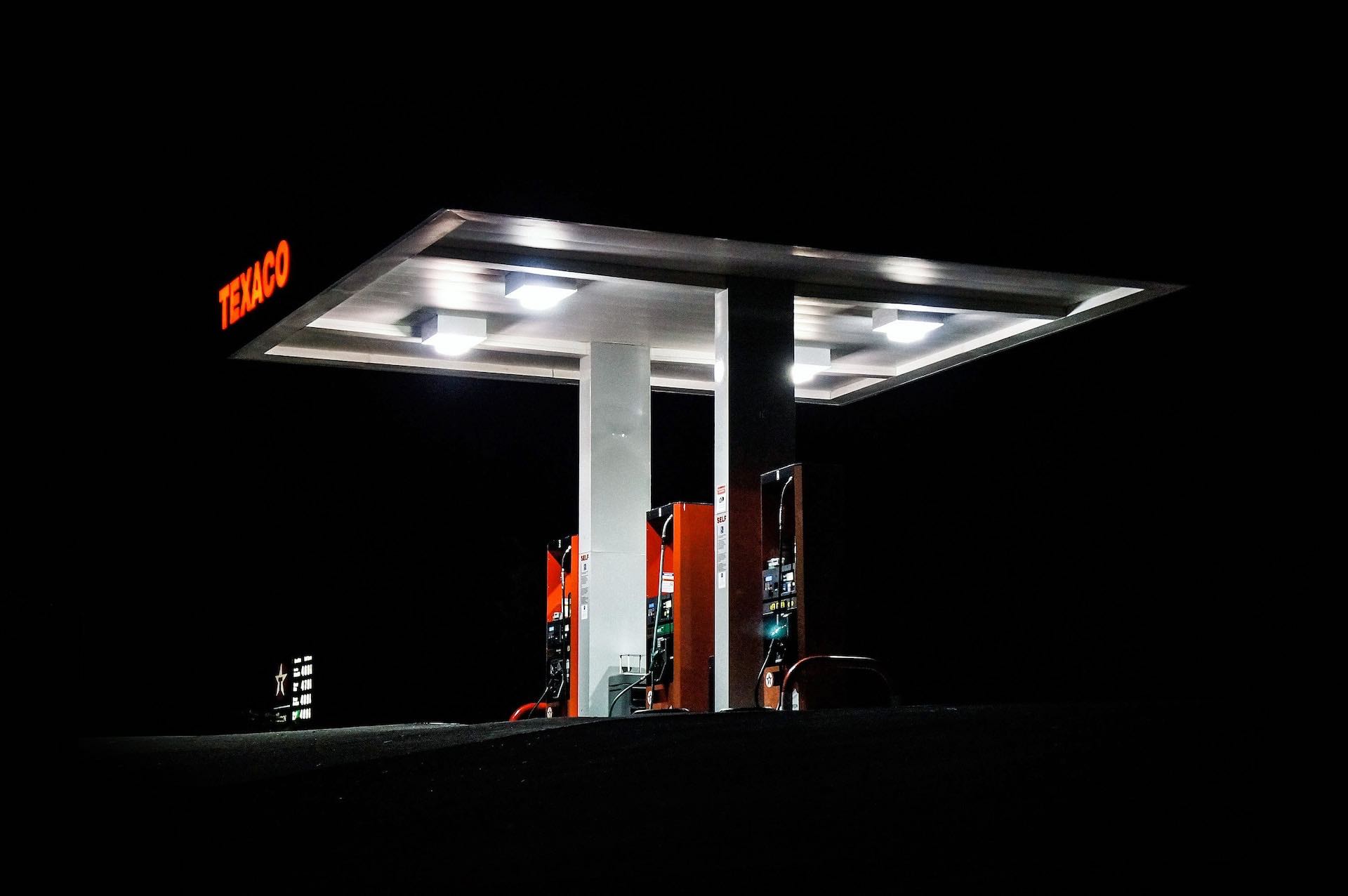
Very little, which is the point. Renewable diesel has a high cetane number, so it tends to ignite readily and can run slightly cleaner, and it has good cold weather properties. It is dispensed from ordinary pumps and stored in ordinary tanks.
The one operational note is that it is often sold blended with petroleum diesel rather than neat, and the ratio is not always displayed. A carrier fuelling in California is frequently using it without any deliberate choice having been made.
Why It Matters More Than It Looks
Because it is the only decarbonization route in freight that has scaled without new equipment.
Battery electric and hydrogen trucks both require a carrier to buy a different vehicle and, in the case of hydrogen, an entirely absent refuelling network. That is a capital problem for an industry where a great deal of the fleet is owner operators and small fleets. Renewable diesel asks nothing of them at all, which is why its adoption curve looks nothing like the others.

The limitation is equally real: it is constrained by feedstock in a way electricity is not. Both things are true at once, and most commentary picks one.
How fuel reaches your quote generally is covered in our page on fuel distribution and shipping costs, and the California equipment rules in California’s truck emissions rules.
For anyone shipping a vehicle on these lanes, none of it changes what you do or what you are quoted. It is simply worth knowing that the fuel underneath a West Coast move is frequently not what people assume, and that the difference was achieved without asking a single carrier to buy anything new.
Common Questions
Is renewable diesel the same as biodiesel? No. Renewable diesel is molecularly close to petroleum diesel and can be used neat; biodiesel is chemically different and normally blended at limited percentages.
Does it need engine modifications? No. That is the main reason it has scaled.
Why mainly the West Coast? California, Oregon and Washington run low carbon fuel programs that give it a credit-driven economic advantage.
Does it make shipping cheaper? Not reliably. Its price depends on credit values, and fuel is inside the quoted rate either way.
Could it replace diesel nationally? Feedstock supply is the binding constraint, so not at the West Coast share.
Get a Quote
Call Ship A Car, Inc. at (866) 821-4555 with both zip codes and your date range, or request an estimate for the move through the quote calculator.