How Cars Move by Sea: RoRo Explained
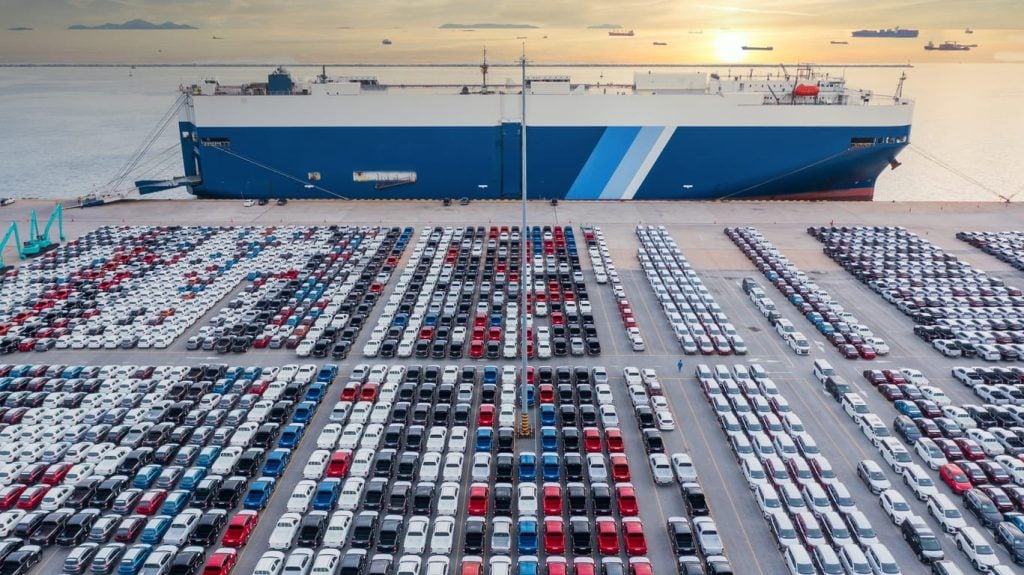
Almost every vehicle that crosses an ocean does so on a roll on roll off ship, where cars are driven aboard under their own power and parked on decks like a floating parking garage. That single design choice explains most of what is different about ocean vehicle transport: what you can leave in the car, what condition it has to be in, and why the paperwork matters more than the sailing.
What RoRo Actually Is
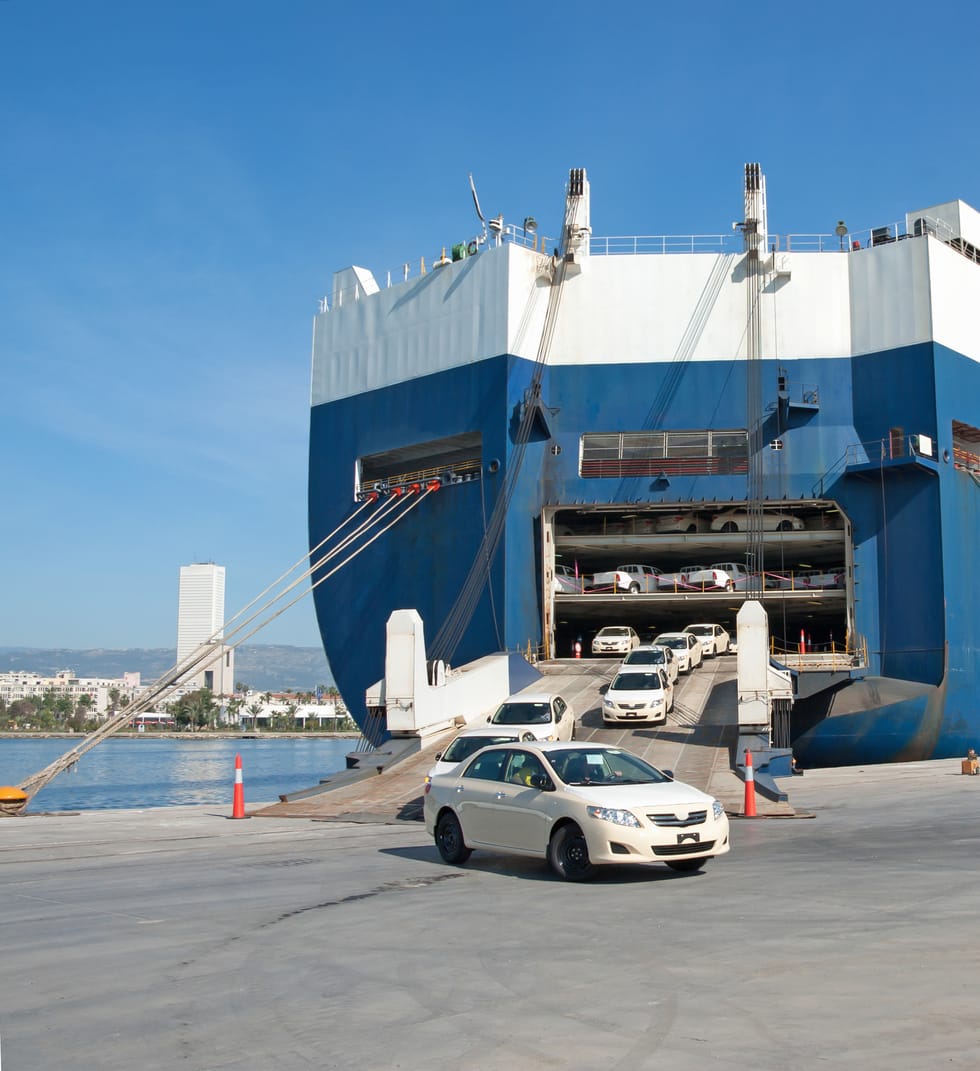
A roll on roll off vessel is built around vehicle decks connected by internal ramps, with a stern or side ramp to the quay. Longshoremen drive each vehicle aboard, park it, and chock and lash it to the deck.
The largest of these ships carry several thousand vehicles at once, which is why the method dominates: nothing else moves cars across an ocean at that cost per unit.
Because vehicles are driven on and off, RoRo requires the car to be operable, road legal enough to move under its own power, and low enough to clear the deck heights. That is the tradeoff for the price.
Global demand for these ships has been unusually tight in recent years, driven largely by the surge in vehicle exports from Asia, and several automakers have ordered their own vessels rather than compete for space on somebody else’s.
RoRo Versus Container Shipping
Vehicles can also cross an ocean inside a shipping container, and the choice between the two is a real decision rather than a formality.
RoRo is cheaper per vehicle, faster to load and unload, and available on more routes. Its limitations are that the car must run and drive, it is handled by people who are not you, and personal belongings are generally not permitted inside.
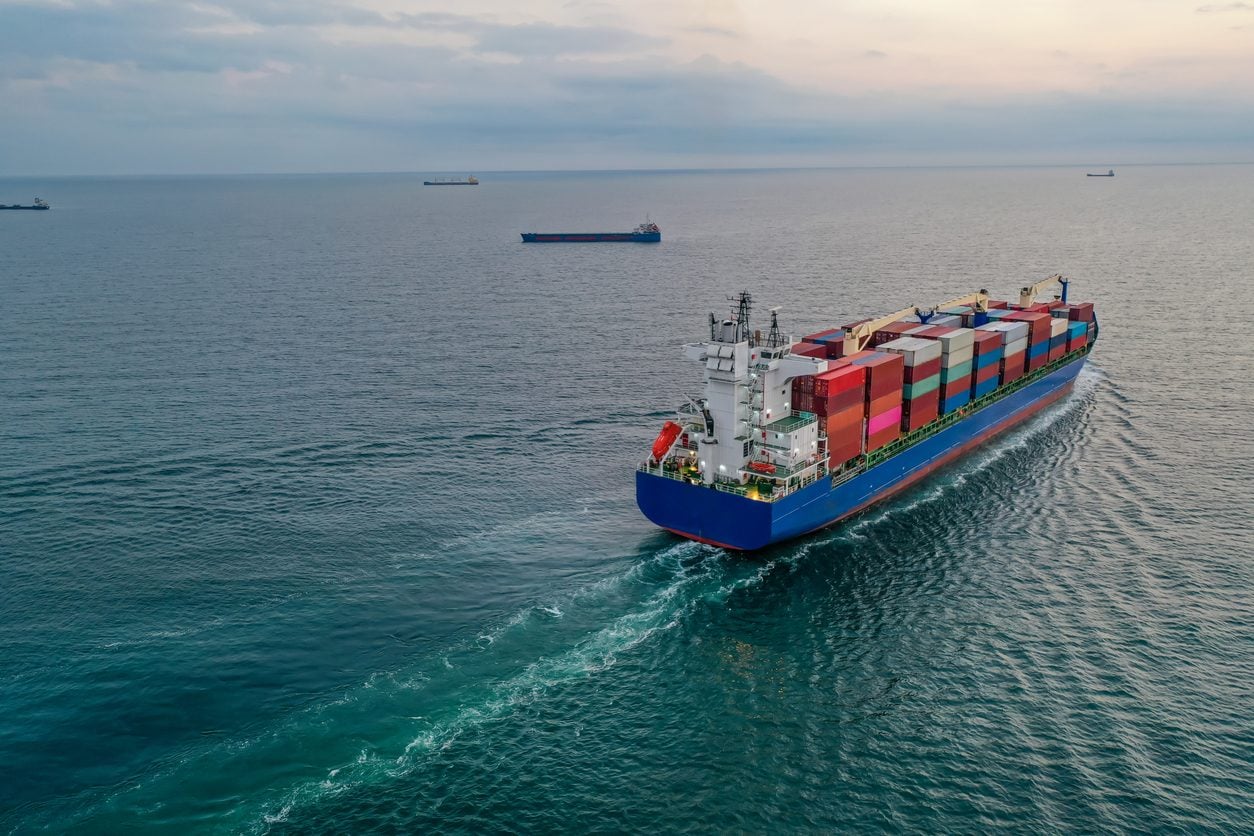
Container shipping costs more and takes longer to arrange, but the vehicle is sealed inside its own box. That means it can be non running, it can be braced and protected properly, and in many cases personal effects can travel with it. A container also holds more than one car, so shipping two vehicles together frequently narrows the price gap.
The rule of thumb: a running ordinary car goes RoRo, and a collector car, a non runner, or a shipment with belongings goes in a container.
The Paperwork Is the Hard Part
The sailing is straightforward. Customs is where these shipments actually go wrong.
Exporting a vehicle from the United States requires the original title, and it must be presented to Customs and Border Protection at the port of export in advance of loading, typically several days before. A copy will not do, and a title with a lien on it needs a written release from the lienholder.
Filing in the electronic export system is required, and the vehicle identification number on the filing has to match the title exactly. A transposed digit stops the shipment.
On the import side, the destination country sets its own rules and they vary enormously: age restrictions, emissions and safety standards, duty and tax, and in some countries a requirement that the vehicle be right hand drive or conform to local specification. Check the destination requirements before you ship, not after the car has sailed.
Insurance on an Ocean Move
Marine cargo cover works differently from the domestic carrier liability most people are used to, and the gap is worth understanding before the car sails.
The ocean carrier’s liability is limited by international convention and is calculated per package or per unit of weight, not by what the vehicle is worth. On a valuable car that limit will be a small fraction of its value.
Separate marine cargo insurance is the answer, and it is usually arranged through the freight forwarder or a specialist broker. Expect to provide a value, and expect the policy to require the vehicle to be free of pre-existing damage that has not been declared.
Read what is excluded. Damage to personal effects (which should not be aboard anyway), mechanical failure, and damage attributed to inadequate preparation are common exclusions, as is any loss on a vehicle that was misdescribed on the paperwork.
Preparing a Vehicle for RoRo
The preparation is stricter than for domestic road transport and the rules are enforced at the terminal.
Empty the car completely. Personal belongings are generally prohibited on RoRo, both because the decks are not secure storage and because undeclared goods create a customs problem. Terminals do check.
Leave about a quarter tank of fuel, no more. Fuel is weight and a fire risk on a vehicle deck, and terminals frequently refuse a car that arrives full.
The vehicle must run, drive, steer and brake reliably enough for a stranger to move it in a confined space. Disable any alarm, and provide a single key.
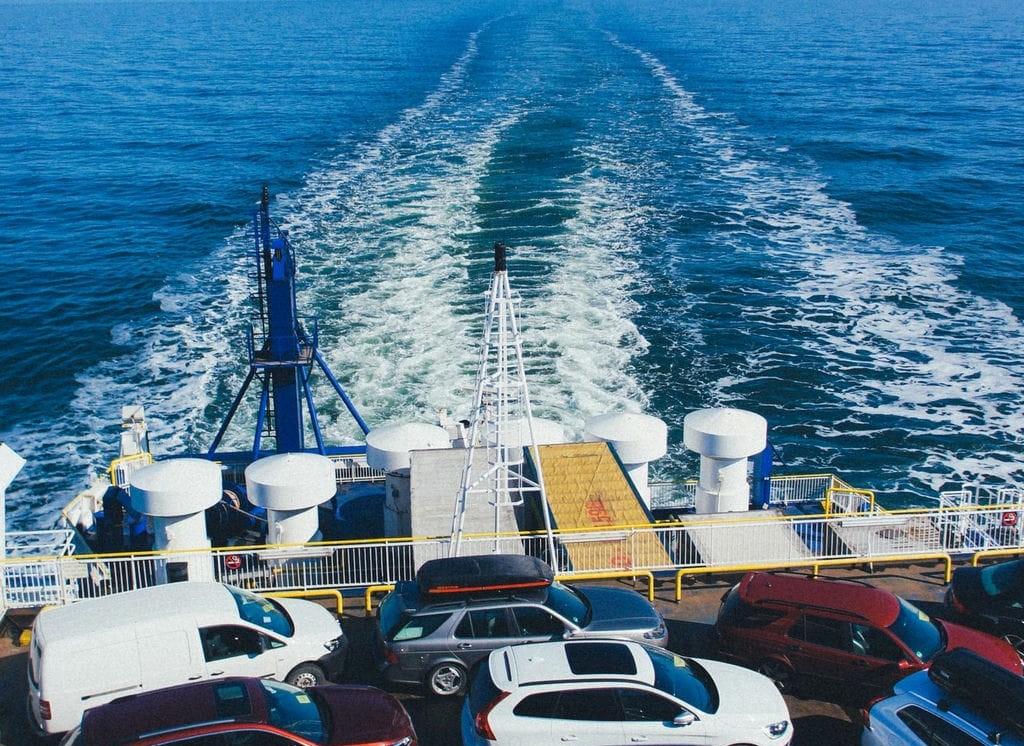
Wash it and photograph every panel in daylight before delivery to the terminal. A vehicle handled by longshoremen, parked tightly and lashed down accumulates the occasional mark, and your photographs are the only baseline you will have.
Timing and What to Expect
Ocean transit is measured in weeks rather than days, and the sailing itself is the predictable part.
What varies is everything around it: the cutoff for delivering the vehicle to the terminal, the sailing schedule on that route, and clearance at the destination. Plan on the total door to door taking considerably longer than the crossing.
Build in slack, and do not arrange anything at the destination that depends on the car arriving on a specific day.
Getting the Car to the Port
The domestic leg is ordinary vehicle transport and it is worth arranging deliberately rather than driving the car yourself if you are not local.
A carrier can deliver to the port terminal, but terminals have specific receiving hours and procedures, so the timing needs coordinating with the sailing rather than guessed. Our guide to choosing a transport option covers the domestic side.
Common Questions
What does RoRo mean? Roll on roll off. Vehicles are driven aboard under their own power and parked on decks, then driven off at the destination.
Can I ship a car that does not run? Not by RoRo. A non running vehicle needs a container, which costs more but allows it.
Can I pack belongings in the car? Generally not on RoRo. Terminals check, and undeclared goods create a customs problem. Containers are the option if you need this.
How much fuel should be in it? About a quarter tank. Terminals frequently refuse a vehicle that arrives full.
What paperwork do I need? The original title presented to Customs in advance, a lien release if applicable, and an accurate export filing with a VIN that matches exactly.
Get a Quote
Call Ship A Car, Inc. at (866) 821-4555 to arrange the domestic leg to the port, with both addresses and the terminal cutoff date, or request an estimate for it through the quote calculator.