Legal Axle Weight Limits for Trucks
The federal limits are 20,000 pounds on a single axle, 34,000 on a tandem and 80,000 gross, and the number that actually stops loads is none of those; it is the bridge formula. A truck can sit under every individual limit and still be illegal, because the formula governs how much weight may sit within a given axle spacing. Understanding that one relationship explains most of what happens at a scale house.
The Three Federal Numbers
These apply on the Interstate system nationwide and most states mirror them elsewhere.
A single axle is limited to 20,000 pounds. A tandem axle group, meaning two axles spaced roughly 40 to 96 inches apart, is limited to 34,000 pounds. Gross vehicle weight is capped at 80,000 pounds for the whole combination.
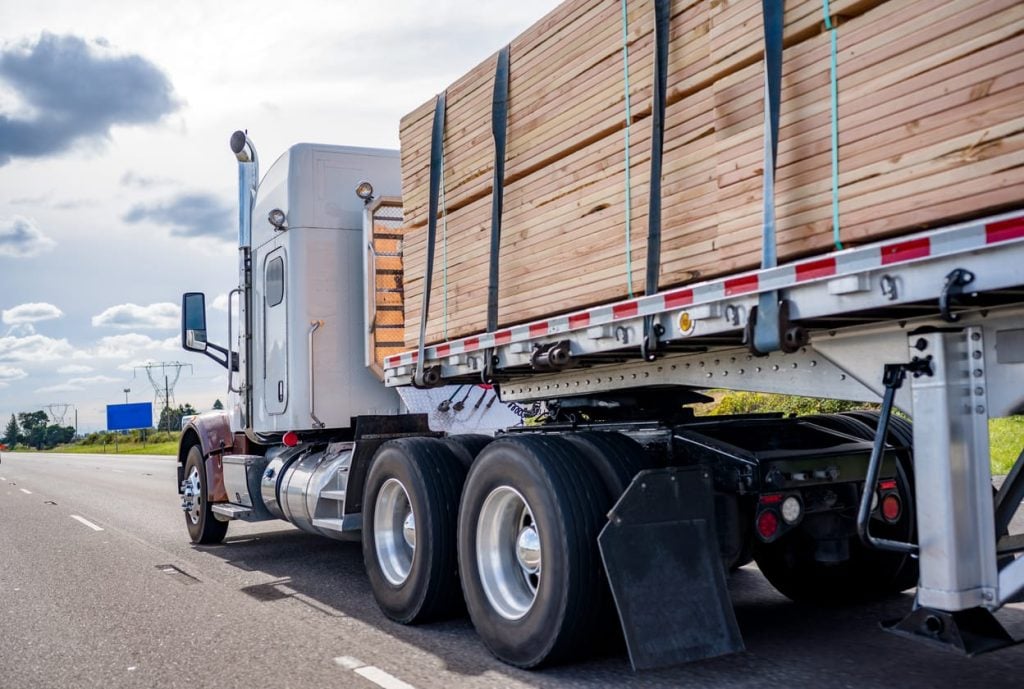
A standard five axle tractor semitrailer distributes that as roughly 12,000 pounds on the steer axle, 34,000 on the drive tandem and 34,000 on the trailer tandem. That is where the 80,000 figure comes from, and it is why the classic configuration exists in the shape it does.
The Bridge Formula Is the Real Constraint
This is the part that surprises people, and it is worth understanding rather than memorizing.
The federal bridge formula limits the weight that may be carried on any group of consecutive axles based on how far apart they are and how many there are. The purpose is not the truck; it is the bridge underneath it. Concentrated weight over a short span stresses a structure far more than the same weight spread over a longer one.
The practical consequence is that a load can be under 80,000 pounds gross, under 34,000 on each tandem, and still be illegal because too much of it sits within too short a wheelbase. Spreading the axles further apart, or adding axles, raises what the formula permits.
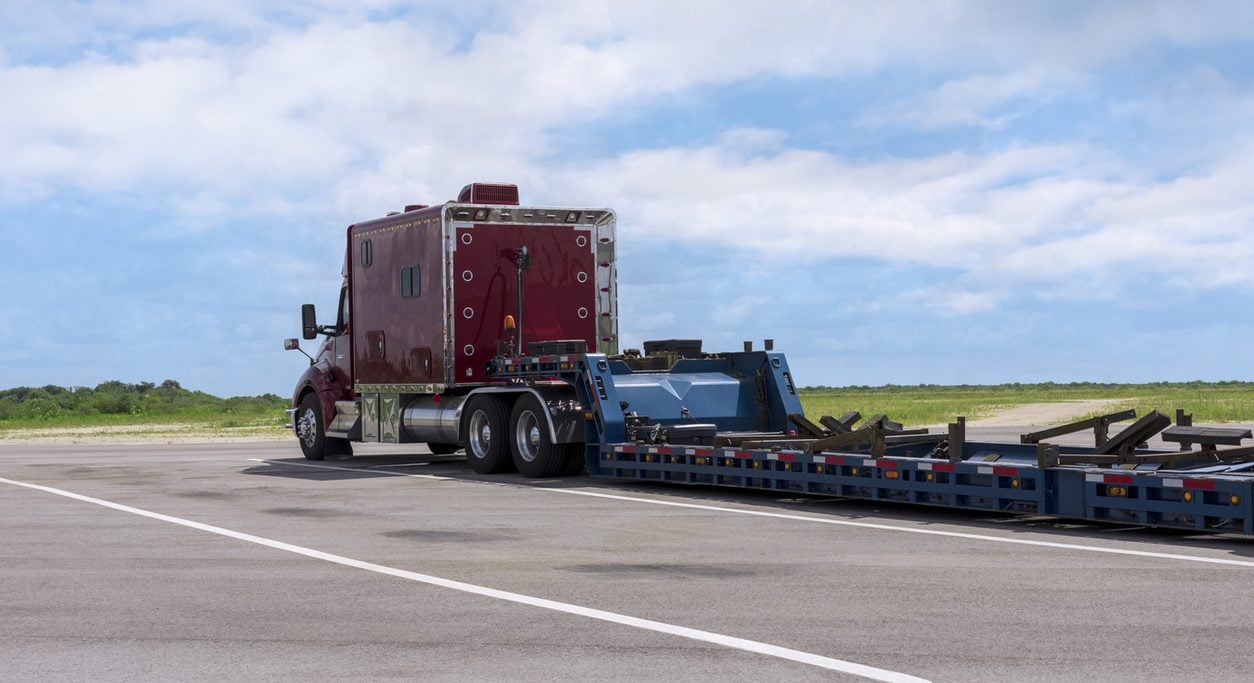
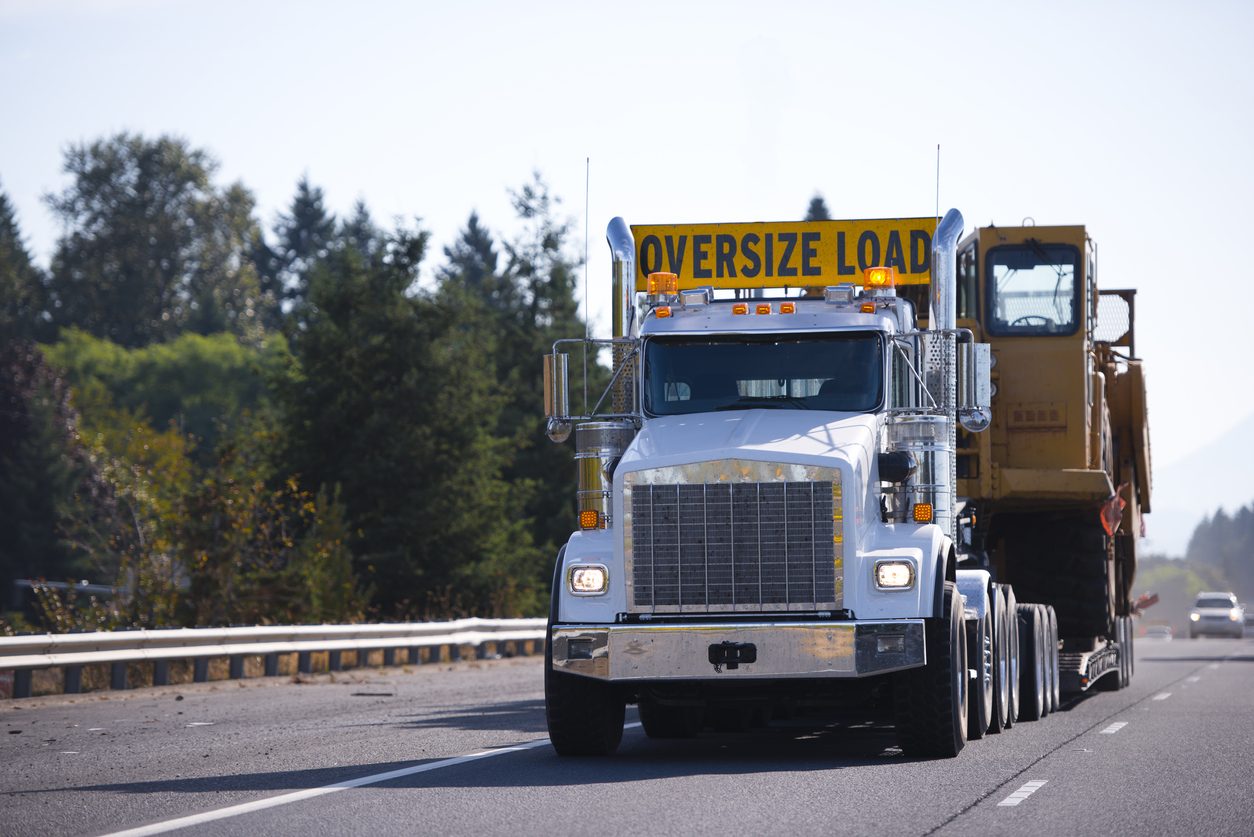
This is why heavy haul trailers have so many axles and why they stretch. A multi axle configuration is not about carrying more in total; it is about satisfying the formula.
Where States Differ
The federal numbers are the floor on the Interstate system. Off it, states set their own rules, and they vary more than people expect.
Michigan is the well known outlier, permitting substantially higher gross weights on certain configurations with many axles. Several states allow higher limits on designated state highways than the federal Interstate cap. Others grant seasonal exemptions, notably for agricultural haulers at harvest.
Frost laws work the other way. Northern states reduce permitted weights on certain roads in spring, when thawing ground loses bearing capacity and heavy loads break up the surface. Those restrictions appear with little notice and they are enforced.
The point is not to learn fifty rulebooks. It is to know that the limit on your route is a question with a per state answer, and that the permit for each state states its own.
When You Need an Overweight Permit
Past 80,000 pounds gross, or past any axle or bridge formula limit, the load needs a state permit for every state on the route.
An overweight permit is issued against a specific configuration, a defined route and a defined period. It is not a general license to be heavy; change the trailer or the axle spacing and the permit no longer describes the load.
Superload is the category above that, and thresholds vary by state. Superload permits take considerably longer to obtain, sometimes weeks, and may require an engineering review of specific bridges before anything is issued. Where a route crosses a structure with a posted limit, that review is the schedule.
Overweight and oversize are separate permits and separate questions. A compact machine well inside every dimension can be overweight, and a light but very wide item can be oversize while weighing nothing much.
What Happens at a Scale
Weigh stations check gross weight and individual axle weights, and both have to pass.
A truck over on an axle but legal on gross is still over. In many cases the fix is simple, because sliding the trailer tandems forward or back shifts weight between the drive and trailer groups, and a driver who knows the load can rebalance it in a few minutes.
Where that is not enough, the options are a permit if one can be obtained on the spot, or offloading. Fines scale with the overage and in some states rise sharply past a threshold, and an overweight citation attaches to the carrier’s safety record as well as costing money.
What This Means for Your Shipment
If you are shipping something heavy, the weight you declare is the number the whole plan is built on.
Give the actual weight, from the manufacturer’s specification or a weighbridge, rather than an estimate. Include everything traveling with the item: attachments, counterweights, fluids and any fitted equipment. Fluid filled tires and full tanks add hundreds or thousands of pounds that nobody can see from outside.
Then say whether anything comes off. Removing a counterweight, a bucket or a set of wide pads can bring a load back under a threshold, and that removes a permit, possibly an escort, and the routing restrictions that come with both. Twenty minutes in the yard routinely saves more than the labor costs.
Getting an Accurate Weight
Guessing is what produces the problem, and there are three ways to avoid it.
The manufacturer’s specification is the starting point, but it describes a standard configuration. If your machine has been added to, that figure is low. Fluid filled tires, extra counterweights, armor, aftermarket attachments and full tanks all sit outside it.
A certified weighbridge is the reliable answer and they are widely available at truck stops, grain elevators, scrap yards and landfills for a small fee. On anything close to a threshold it is worth the trip, because the difference between a legal load and a permitted one is usually a few hundred pounds and a scale settles it.
Failing that, weigh the components. Attachments and counterweights normally have their own published weights, and adding them to a base machine figure gets much closer than a single estimate. For how weight interacts with the dimension limits, see our guide to wide loads and oversize loads.
Common Questions
What is the federal gross weight limit? 80,000 pounds for the combination, with 20,000 on a single axle and 34,000 on a tandem.
What is the bridge formula? A rule limiting weight on any group of consecutive axles based on their spacing and number, to protect bridges.
Can a truck be legal on gross and still be over? Yes. Too much weight within too short an axle spacing fails the formula even under 80,000 pounds.
Do the limits change by state? Off the Interstate system, yes, considerably. Michigan permits more; northern frost laws seasonally permit less.
When do I need an overweight permit? Past 80,000 pounds gross or past any axle or formula limit, for every state on the route.
Get a Quote
Call Ship A Car, Inc. at (866) 821-4555 with the actual weight, the dimensions and both addresses, and we will route you to the right desk.