When a Recall Is a Software Update: How Over the Air Fixes Work
A growing share of safety recalls are now resolved by a download rather than a workshop visit, and that changes the owner’s obligation in ways the notice does not always make obvious.
An over the air remedy is still a recall. It is still recorded against your vehicle identification number, it still has to be completed, and until it is installed the recall remains open. Here is how it actually works and where it goes wrong.
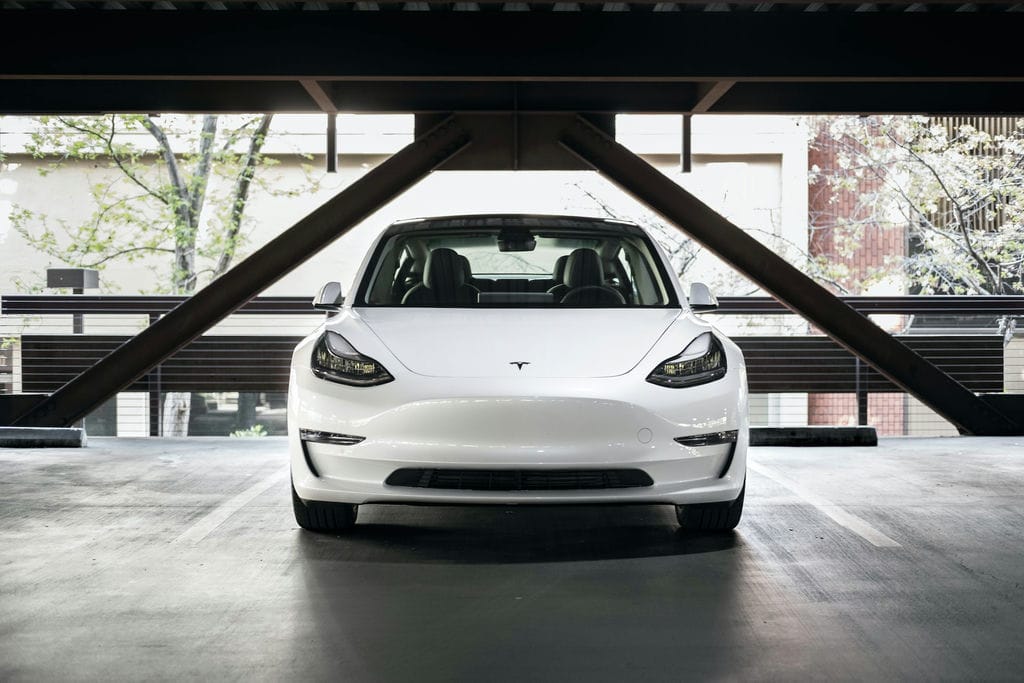
Why Software Can Fix a Safety Defect
Because a great deal of what a modern car does is decided by software rather than by mechanism.
How aggressively a driver assistance system brakes. At what speed a warning appears. How a battery management system limits charging. Whether a display shows the correct information. When a transmission shifts. Each of those can create a genuine safety defect, and each can be corrected by changing the code rather than replacing a part.
That is a real advance. A fix that once required every affected owner to book a workshop appointment can now reach the whole fleet in days, and completion rates on physical recalls have always been poor precisely because people do not book the appointment.
It Is Still a Recall, With Real Obligations
The part owners misunderstand.
An over the air remedy is filed with the federal safety regulator like any other, appears in a VIN lookup as an open recall until installed, and the manufacturer must notify affected owners. It is not a routine update and it is not optional maintenance.
Two practical consequences. First, an update that has not been installed leaves the recall open, and a vehicle with an open safety recall can complicate a sale, particularly to a dealer, since dealers generally may not sell a new vehicle with an unremedied recall. Second, some updates require the owner to accept them. If the car is asking and you keep dismissing it, nothing is happening.
Where It Actually Fails
Four failure modes, and they are mundane rather than technical.
Connectivity. The vehicle needs a connection. A car parked in an underground garage with no signal, or one whose data service has lapsed, may never receive the update. Manufacturers usually offer a dealer installation route for exactly this case, and owners rarely know to ask.
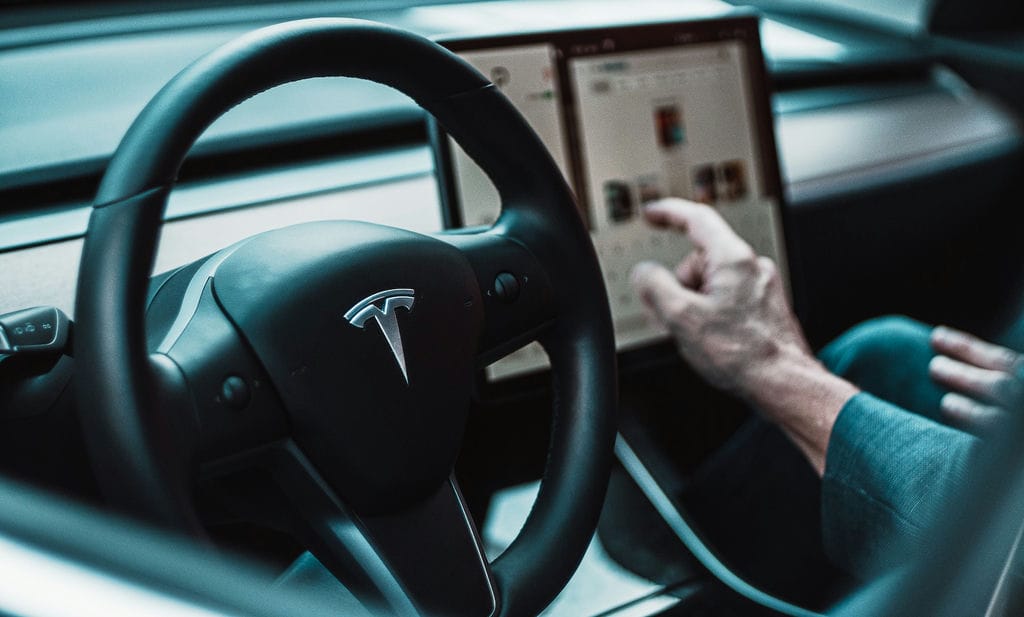
Conditions the car requires. Many updates need adequate charge or fuel, the vehicle in park, and sometimes a set time window. An update that keeps failing is often waiting on one of these rather than broken.
Notification reaching you. Recall notices go to the registered owner at the address on file. Move without updating your registration and you will not be told, which is the single most common reason people are unaware of an open recall on their own car.
Assuming it happened. The fix that requires nothing of you is the one nobody verifies. Check.
How to Verify It Is Actually Done
Two checks, both quick.
Look up your VIN with the manufacturer or the federal safety regulator. That returns open recalls against your specific vehicle, and an installed over the air remedy should clear from the list. Note that clearing can lag the installation by a while, so a recent update may still show briefly.
Then check the software version in the vehicle’s own settings against what the manufacturer says the remedy version is. If they match, it is installed regardless of what any database says yet.
If a recall stays open and the car is not receiving it, call the manufacturer and ask for dealer installation. It is free, it is the fallback the process is designed around, and it is not offered unless you ask.
Buying a Used Car With Open Software Recalls
Worth checking specifically, because it is easy to miss and easy to fix.
Run the VIN before you buy. An open software recall is usually trivial to resolve, which makes it a weak reason to walk away and a fair thing to raise. What matters more is what it tells you: a car with several open recalls has had an owner who was not paying attention, and that pattern rarely stops at software.
Also confirm any connected services subscription the update mechanism depends on, since a lapsed one may be why the car has not updated itself.

What It Means When the Car Is Being Shipped
Very little, with two exceptions worth a sentence at booking.
An open recall does not prevent a privately owned vehicle being transported, and carriers do not check recall status. A software recall in particular changes nothing about how a car loads.
The exceptions. If the open recall is a fire risk item, declare it, because some carriers have policies about enclosed transport and a charge level limit may apply. And if it is a stop drive order, the car cannot be driven onto the trailer, which makes it an inoperable move needing a winch. Those are covered in our page on fire risk recalls and what park outside means.
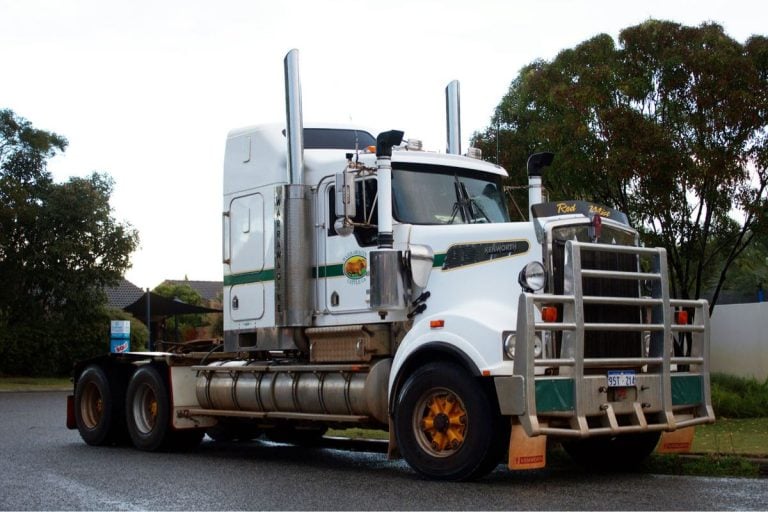
One practical note for any connected vehicle in transit: you may be able to see its location, and an apparently indirect route is normal, because the truck is collecting and delivering other cars.
Common Questions
Is a software update a real recall? Yes. It is filed with the federal regulator, recorded against your VIN, and stays open until installed.
What if my car never receives it? Ask the manufacturer for dealer installation. It is free and it is the intended fallback for connectivity problems.
Why does an update keep failing? Usually a condition the vehicle requires: enough charge or fuel, in park, connected, sometimes within a set window.
How do I confirm it installed? A VIN lookup should clear it, and the software version in the car’s settings should match the manufacturer’s remedy version.
Does an open recall stop me shipping the car? No. Declare it only if it involves fire risk or is a stop drive order.
Get a Quote
Call Ship A Car, Inc. at (866) 821-4555 with both zip codes, your date range and any recall that affects driving or charging, or price the move with the instant calculator.