Fire Risk Recalls: What “Park Outside” Actually Means
Most recalls are ordinary: a part gets replaced free at a dealer and nothing about your week changes. A fire risk recall is the one category that carries an instruction attached, and the instruction is usually to park away from structures until the repair is done.
That advice is easy to dismiss and worth taking seriously. Here is why these recalls are different, what the guidance actually means, and how it interacts with moving the vehicle.
Why Fire Risk Is Treated Differently
Because the failure can happen with the vehicle switched off and nobody near it.
Most safety defects need the car to be moving to matter: a brake component, a steering part, an airbag. A fire risk defect frequently involves an electrical short, a battery cell, or fluid reaching a hot surface, and several of those mechanisms do not need the ignition on.
That is the entire reason for the parking instruction. The manufacturer is not worried about your driveway; it is worried about a vehicle that could ignite unattended next to a house or inside an attached garage.
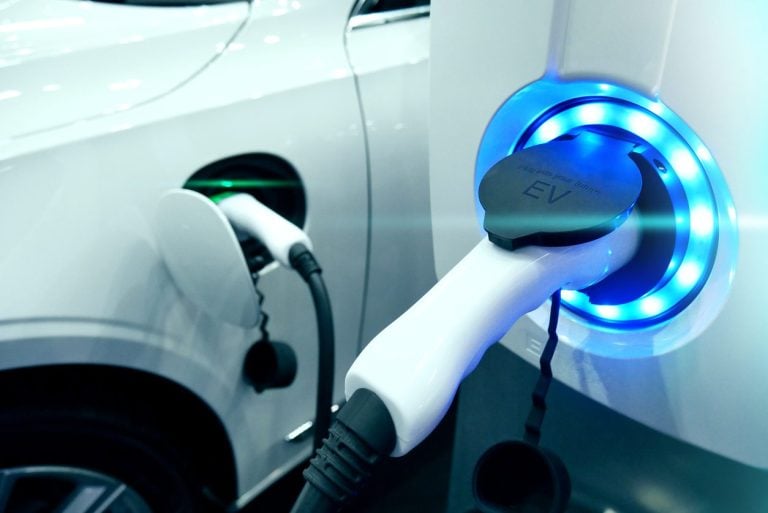
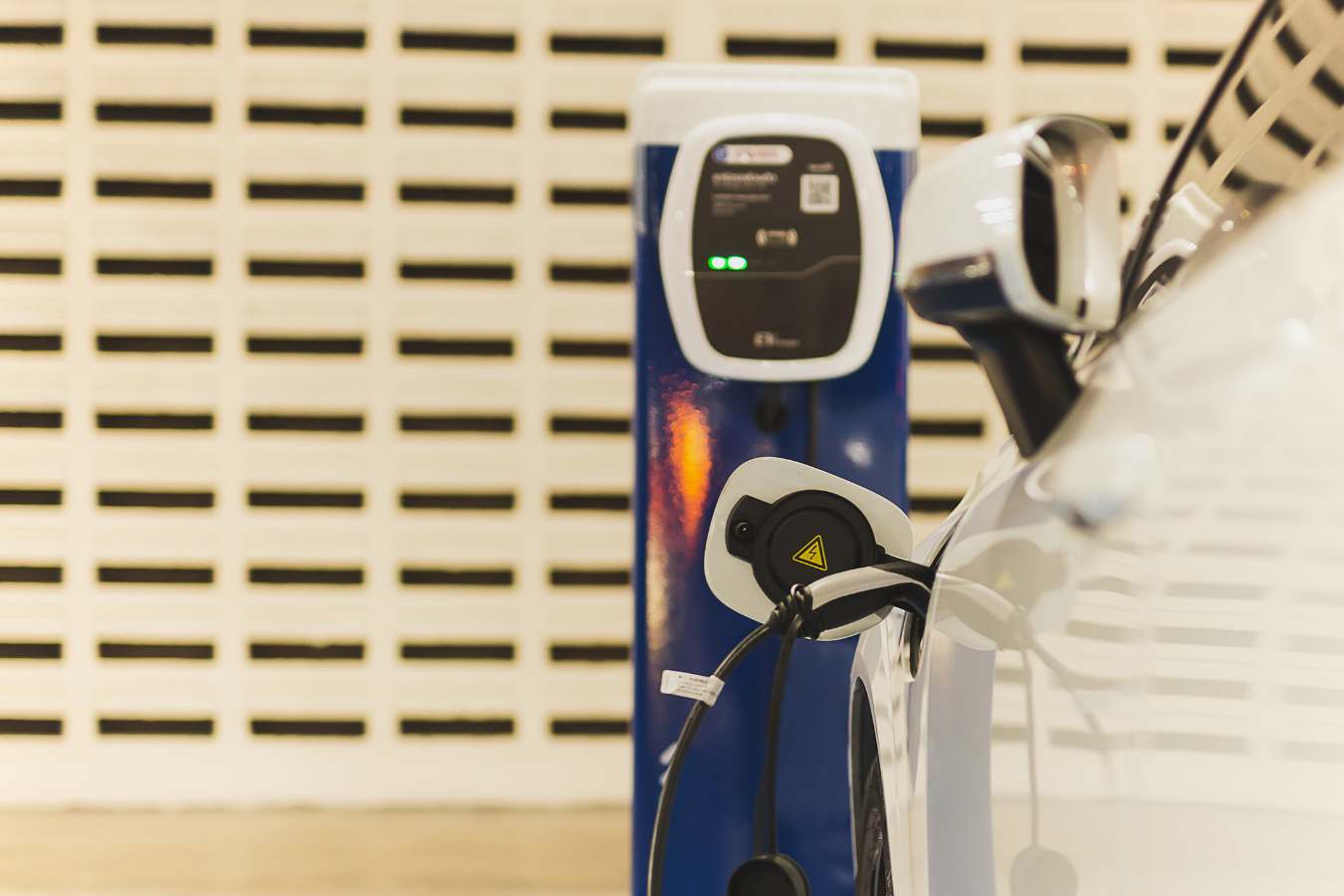
Hybrid and electric vehicles appear in this category more often than their share of the fleet, because high voltage battery packs concentrate a great deal of energy and a cell failure can propagate. That is not an argument against electrified vehicles generally; it is a reason to take a specific recall on one seriously.
What the Instruction Actually Says
Read the notice rather than a summary of it, because the wording varies and the differences matter.
“Park outside and away from structures.” The most common form. It means outdoors, not in an attached garage, not under a carport attached to the house, and not immediately beside the building. A driveway a reasonable distance from the house satisfies it.
“Do not charge.” Appears on some plug in vehicle recalls, sometimes with a limit on state of charge. If you are told not to charge above a certain level, that limit is doing real work and is not a suggestion.
“Do not drive.” The most serious version, and rare. This is a stop drive order and it means what it says. Driving anyway is a decision to accept a risk the manufacturer has quantified and you have not.
If the notice is ambiguous, call the manufacturer’s recall line rather than guessing. They are obliged to answer.
Check Whether It Applies to Your Specific Car
A recall covers a defined range of vehicles, and a model appearing in the news does not mean yours is affected.
Look up your VIN with the manufacturer or with the federal safety regulator. That returns open recalls against your individual vehicle rather than against the model, which is the only answer worth acting on.
Two things worth knowing. The repair is free at any franchised dealer regardless of where you bought the car and regardless of warranty status. And notices go to the registered owner at the address on file, so if you have moved and not updated your registration, you may never receive one. That is the single most common reason people are unaware of an open recall on their own car.
Parts Delays Are Common and Awkward
The uncomfortable middle ground.
Manufacturers sometimes announce a recall before the remedy parts are available at scale, which means an owner is told to park outside for weeks or months. That is frustrating and it is also better than not being told.
In that situation, ask the dealer two things: whether an interim measure exists, since some recalls have a software or partial fix ahead of the full repair, and whether the manufacturer is providing a loaner or reimbursement, which on stop drive orders it sometimes does. Neither is offered automatically and both are sometimes available.
How It Affects Shipping the Vehicle
This is the practical intersection and it is narrower than people expect.
An open recall does not prevent a privately owned vehicle being transported. A recall is a manufacturer repair obligation, not a prohibition on moving the car, and carriers do not check recall status.
What changes with a fire risk recall specifically is worth declaring at booking, for two reasons. Some carriers have their own policy about carrying a vehicle under an active fire risk recall, particularly inside an enclosed trailer where several vehicles share a sealed space. And if the notice includes a charge level limit on a plug in vehicle, the carrier needs to know, because it affects what state the car should arrive in.

If the recall is a stop drive order, the vehicle cannot be driven onto the trailer, which makes it an inoperable move requiring a winch and a carrier equipped for one. That is a different booking and a different price, and it has to be arranged rather than discovered at the curb.
A short conversation at booking settles all of it. The general position on recalls and transport is covered in our page on what a recall means if your car is being shipped.
What to Do, in Order
Check your VIN with the manufacturer or the federal regulator. Read the actual notice and follow the parking or charging instruction precisely. Book the repair, and ask about interim measures and loaners if parts are delayed. Update your address with the manufacturer if you have moved. And if the car is being transported before the repair, say so at booking.
Common Questions
Why do some recalls say park outside? Because the failure can occur with the vehicle switched off, so the concern is an unattended fire next to a structure.
Is the repair free? Yes, at any franchised dealer, regardless of where you bought the car or its warranty status.
How do I know if my car is affected? A VIN lookup with the manufacturer or the federal safety regulator returns open recalls on your specific vehicle.
Can I still ship a car under a fire risk recall? Generally yes, but declare it. Some carriers have policies about enclosed transport, and a stop drive order makes it an inoperable move.
What if parts are not available? Follow the interim instruction, and ask the dealer about a partial fix, a loaner or reimbursement. Some are available on request.
Get a Quote
Call Ship A Car, Inc. at (866) 821-4555 with both zip codes, your date range and any open recall that affects driving or charging, or request an estimate for the move through the quote calculator.