CVSA International Roadcheck: What It Is and Why It Affects You
For 72 hours every year, inspectors across North America pull over as many commercial vehicles as they can and inspect them properly, and roughly one in five gets placed out of service on the spot. That is International Roadcheck, run by the Commercial Vehicle Safety Alliance, and it is the single most concentrated enforcement event in the industry. If you are shipping a vehicle in that window, it can affect your delivery date.
What Actually Happens
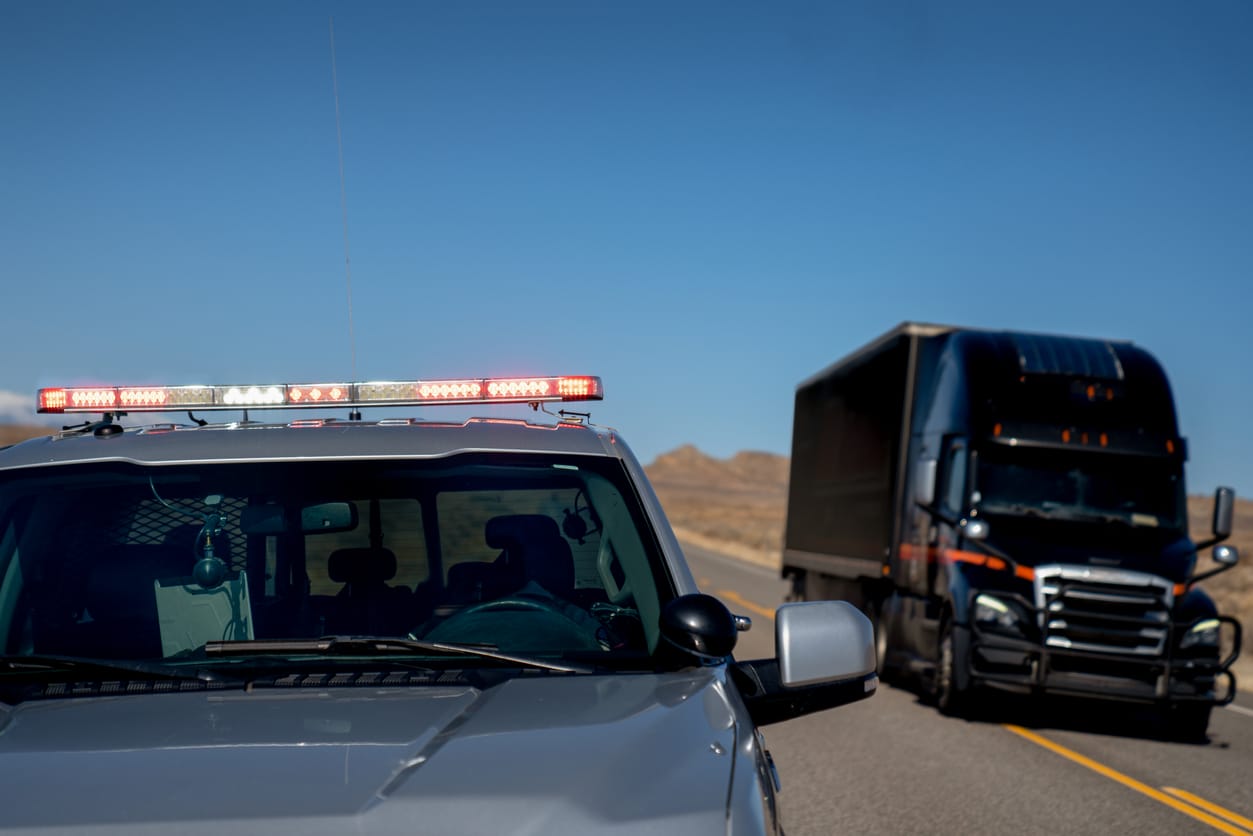
The Commercial Vehicle Safety Alliance is the organization of state, provincial and federal enforcement agencies that sets inspection standards across the United States, Canada and Mexico. Roadcheck is its annual high-visibility blitz.
Over three consecutive days, inspectors conduct large numbers of inspections at weigh stations, fixed sites and temporary roadside locations. Most are the full North American Standard Level I inspection, which is the thorough one: a 37-step examination covering both the vehicle and the driver.
On the vehicle side that means brakes, steering, suspension, tires and wheels, lights, coupling devices, exhaust, frame and cargo securement. On the driver side it means license, medical certificate, hours of service records, and any indication of impairment.
Each year CVSA also announces a focus area that gets particular attention, so the emphasis shifts between events even though the underlying inspection does not.
Out of Service Means Stopped
This is the part that reaches a customer.
If an inspector finds a violation on the out-of-service criteria list, the vehicle or the driver cannot continue until it is resolved. Not a fine to be paid later, not a warning: the truck stops where it is.
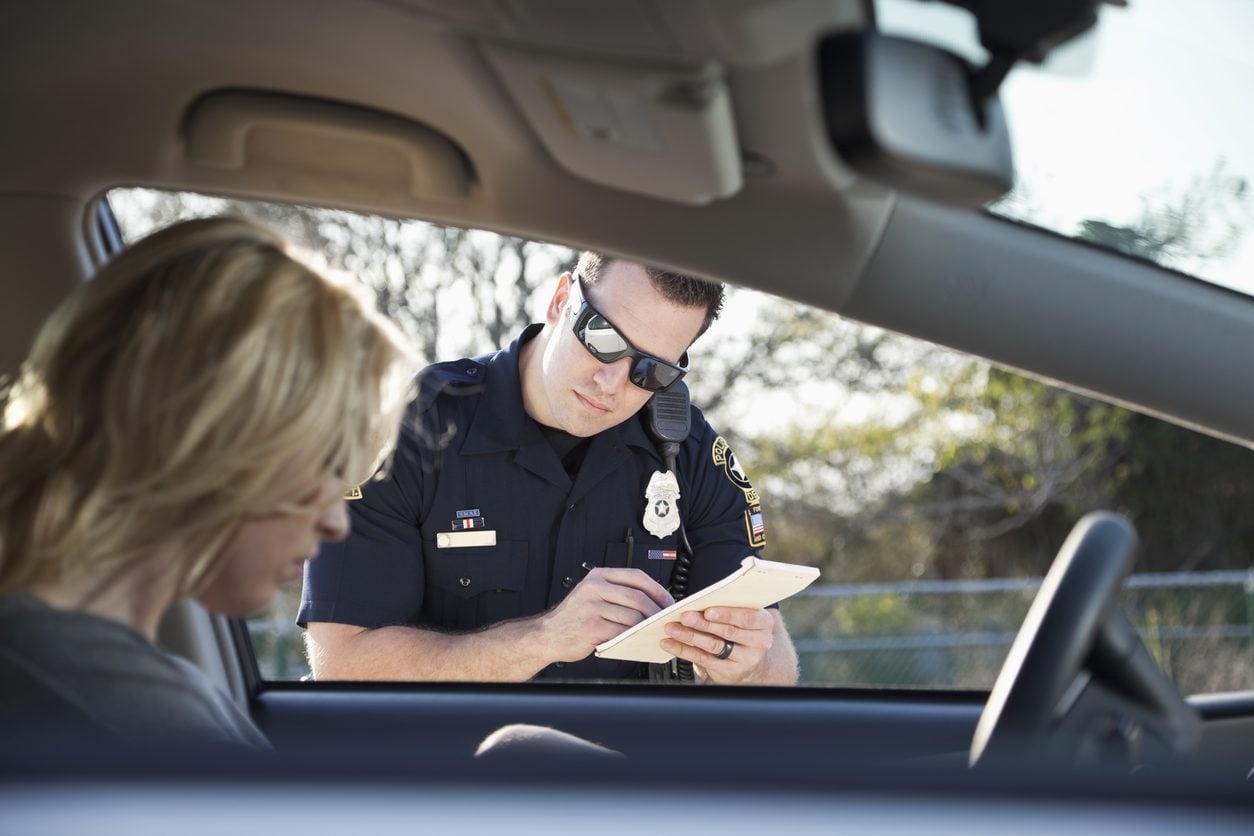
Brake problems are consistently the largest category of vehicle violations, followed by tires and lights. On the driver side, hours of service violations dominate.
A truck placed out of service with your vehicle on it does not simply hand the load to somebody else. It waits for a repair, which on a Wednesday afternoon in an unfamiliar town can mean a day or more. That is where a delivery estimate slips.
Why Your Delivery Date Can Move
Three separate effects, and only one of them is dramatic.
Inspection time. A Level I inspection takes a while even when everything passes. Multiply that across a blitz and the whole system runs slower for three days.
Out of service events. The direct one. Roughly a fifth of vehicles inspected are placed out of service in a typical year, and if that is the truck carrying your car, you are waiting on a repair.
Capacity withdrawal. Some carriers and owner-operators deliberately park during Roadcheck rather than risk an inspection, which removes capacity from the market for those days and tightens availability either side of it.
None of this is a reason not to ship. It is a reason to give a wider delivery window if your dates land in that period.
Why an Announced Blitz Still Works
It is a fair question: if the dates are published months ahead, does anyone fail?
They do, in roughly the same proportion year after year, and the reason is instructive. The violations that put trucks out of service are mostly maintenance items that develop over time rather than things a carrier can fix in the week before an announced event. Brake adjustment drifts. Tires wear. Lights fail. An operator who is not inspecting its own equipment regularly cannot manufacture compliance on a deadline.
The announcement is also the point rather than a flaw. CVSA publishes the dates because the objective is to change behavior across the whole industry, not to catch individual operators unawares. A carrier that services its fleet in advance has done exactly what the event exists to encourage, and its trucks are safer for the rest of the year as a result.
What the consistency of the failure rate really shows is how much of the industry is not doing that maintenance at all, which is the argument for checking a carrier’s record rather than assuming a floor of competence.
What It Says About a Carrier
The useful part for a customer is not the event itself. It is the record it feeds.
Every inspection, pass or fail, goes into the carrier’s public safety record with the Federal Motor Carrier Safety Administration. That record is available to anyone, and it is far more informative than any marketing claim.
A carrier with a long inspection history and a low out-of-service rate has been examined repeatedly by people whose job is to find problems, and has come through. That is the strongest evidence available that the equipment is maintained and the drivers are compliant.
Carriers that consistently pass can also earn a CVSA decal, which exempts the vehicle from re-inspection for a period. A fleet displaying current decals is telling you something real.
What You Can Actually Do
Three things, all easy.
Check the carrier’s record before booking. Look up the USDOT or MC number in the FMCSA’s public system and look at the inspection and out-of-service history rather than just confirming authority is active. Our guide to what roadside inspections tell you covers how to read it.
Give a wider window if your dates fall in the blitz. The event is announced in advance each year, usually a three day period in spring. If your move is flexible, moving it a week either side removes the exposure entirely.
Do not read a delay as a problem. A carrier stopped for an inspection is a carrier being checked. The alternative, an operator who avoids scrutiny, is not the one you want carrying your vehicle.
Common Questions
What is International Roadcheck? A 72 hour enforcement blitz run annually by the Commercial Vehicle Safety Alliance across the US, Canada and Mexico.
What is a Level I inspection? The full North American Standard inspection: 37 steps covering the vehicle’s mechanical condition and the driver’s credentials and hours.
What does out of service mean? The truck or driver cannot continue until the violation is fixed. It is not a fine to settle later.
Will it delay my delivery? It can, through inspection time, an out-of-service event, or carriers parking to avoid the blitz. Give a wider window if your dates fall in it.
How do I use this information? Check the carrier’s inspection and out-of-service history in the FMCSA public system before you book.
Get a Quote
Call Ship A Car, Inc. at (866) 821-4555 with both zip codes and your date range, or request an estimate for the move through the quote calculator.