The Technologies That Actually Cut Truck Emissions, and the Ones That Did Not Scale
A great deal has been announced about reducing freight emissions and a much smaller amount has been deployed. The pattern separating the two is consistent: technologies that required nothing new from an operator scaled, and technologies that required buying different equipment did not.
Here is what is actually on the road, what stalled, and why.
What Scaled: Aftertreatment
The largest single reduction in truck emissions came from equipment most people have never heard of.
Exhaust gas recirculation, a diesel particulate filter, and selective catalytic reduction using diesel exhaust fluid. Together these cut nitrogen oxide and particulate output per truck dramatically compared with an engine from the early 2000s.
It scaled because it was mandated on new engines rather than offered, so every new truck has it. Operators did not choose it and frequently resent the maintenance it requires, and it is nonetheless the reason the air along freight corridors is measurably cleaner than it was.
What Scaled: Aerodynamics and Tires
Unglamorous, cheap relative to the saving, and now near universal on long haul equipment.
Roof fairings and chassis skirts. Trailer side skirts and rear devices. Closing the gap between tractor and trailer. Low rolling resistance tires and, on some fleets, wide base singles replacing duals.
These scaled for the simplest possible reason: they pay for themselves in fuel. An operator adopting them is not making an environmental decision, and the emissions reduction is a side effect of an economic one. That alignment is what makes a technology spread.
What Scaled: Idle Reduction and Speed
Two operational changes rather than hardware, and both large.
Auxiliary power units and bunk heaters let a driver keep a cab habitable during a mandatory rest without running a large diesel engine for ten hours. Many jurisdictions also limit idling by regulation, so this is partly compliance.
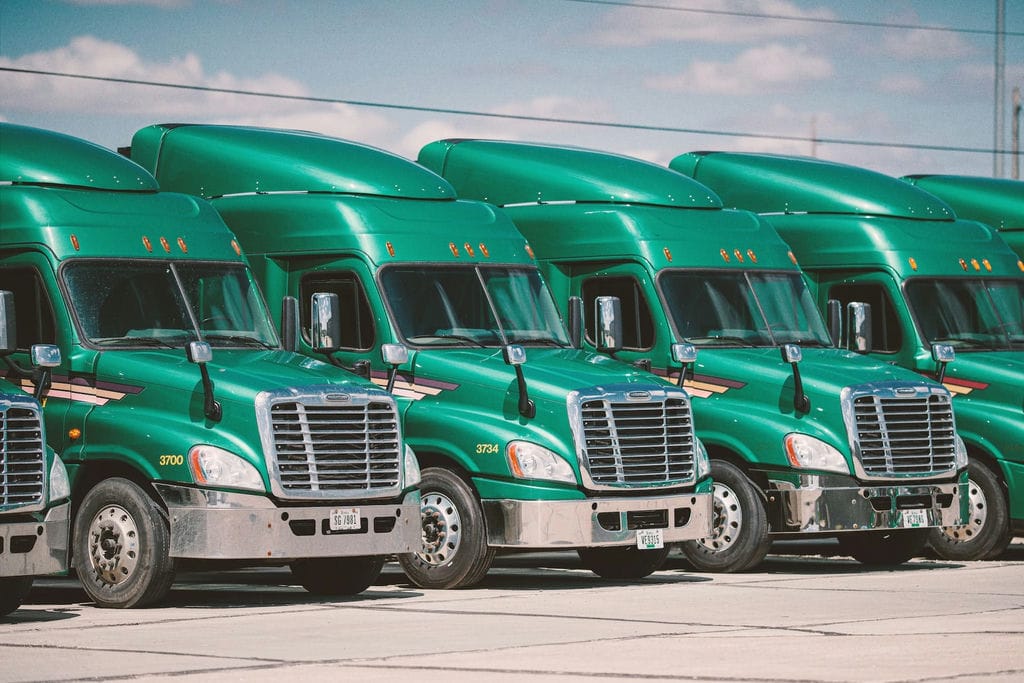
Electronic speed limiting is the other. Aerodynamic drag rises with the square of speed, so a few miles per hour makes a real difference over a long run. A large share of fleet trucks are governed, which is why a company truck sits in the right lane at a steady pace rather than keeping up with traffic.
What Scaled Unexpectedly: Renewable Diesel
The clearest illustration of the whole pattern.
Renewable diesel is hydrotreated into a fuel molecularly close to petroleum diesel. It runs in an unmodified engine, comes out of the same pump, performs the same or better in cold weather, and requires no blend limit worth speaking of.
It scaled on the West Coast because state low carbon fuel programs made it economically competitive there, and it scaled fast because it asked absolutely nothing of any operator. No new truck, no charger, no training. The full picture is in our page on renewable diesel and what it means for freight.
Its limit is feedstock rather than refining capacity, which is why it is unlikely to reach the West Coast share nationally.
What Did Not Scale: Natural Gas
Compressed and liquefied natural gas trucks were promoted heavily and remain a small niche.
The reasons are instructive. They require a different engine, a different fuel system and a refueling network that barely exists outside defined routes. The fuel cost advantage narrowed. And the emissions benefit was smaller than advertised once the whole picture was counted.
Where they persist is exactly where the pattern predicts: fleets running fixed routes back to a depot that installed its own fueling.
What Has Not Scaled Yet: Battery Electric and Hydrogen
Both work technically, and both ask an operator to buy different equipment, which is the barrier.
Battery electric trucks are genuinely operating in depot based duty cycles: port drayage, regional distribution, municipal fleets. Predictable mileage, private overnight charging, no public network needed. That is real deployment rather than a pilot.
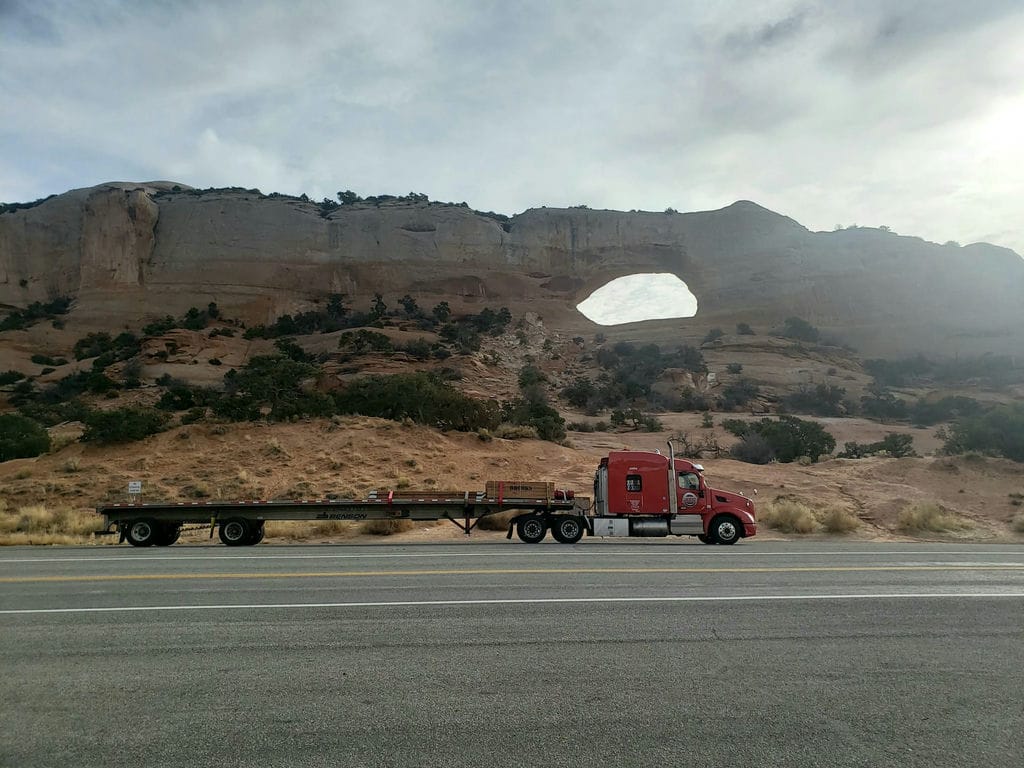
Long haul remains constrained by three things at once: battery weight reducing payload on a truck already near its legal limit, charging power available within a driver’s mandated break, and grid capacity at the sites where trucks stop. That last one is measured in years of utility work rather than months.
Hydrogen addresses the weight and refueling time problems in principle and has almost no refueling network in practice.
The Pattern, Stated Plainly
Technologies that ride on existing equipment and existing infrastructure scale quickly. Technologies that require an operator to buy a different truck scale slowly, and in an industry where a large share of the fleet is owner operators and small fleets, that capital barrier is the whole story.
It is also why mandates and incentives behave so differently. Aftertreatment scaled because it was required on new engines. Aerodynamics scaled because it paid for itself. Renewable diesel scaled because policy made it cheap and it asked nothing. Electrification is being mandated in places and is still limited by physics and grid queues.
What It Means for a Customer
Nothing visible, and something real underneath.
Compliance and equipment costs sit inside a carrier’s cost floor, alongside fuel, driver pay, insurance and maintenance, and that floor is what sets the rate a carrier will accept. None of it appears as a line on a quote.
The other consequence is fleet age. Where expensive new equipment delays replacement, the average truck is older, and older equipment means more breakdowns. That shows up not in the price but in whether a delivery estimate holds. Who absorbs the compliance cost is covered in our page on truck emissions rules and what they cost.
Common Questions
What reduced truck emissions most? Mandated aftertreatment on new engines, which cut nitrogen oxide and particulate output per truck dramatically.
Why did aerodynamics and tires spread so fast? They pay for themselves in fuel, so adopting them is an economic decision with an emissions side effect.
Why did natural gas trucks not take off? Different engine, different fuel system, a refueling network that barely exists, and a narrower cost advantage than promised.
Are electric trucks actually in service? Yes, in depot based duty cycles with private overnight charging. Long haul is limited by weight, charging power and grid capacity.
Does any of it change my shipping price? Only indirectly, through the carrier’s cost floor. It never appears as a separate line.
Get a Quote
Call Ship A Car, Inc. at (866) 821-4555 with both zip codes and your date range, or request an estimate for the move through the quote calculator.