
EV Road Use Fees and What They Mean for Drivers
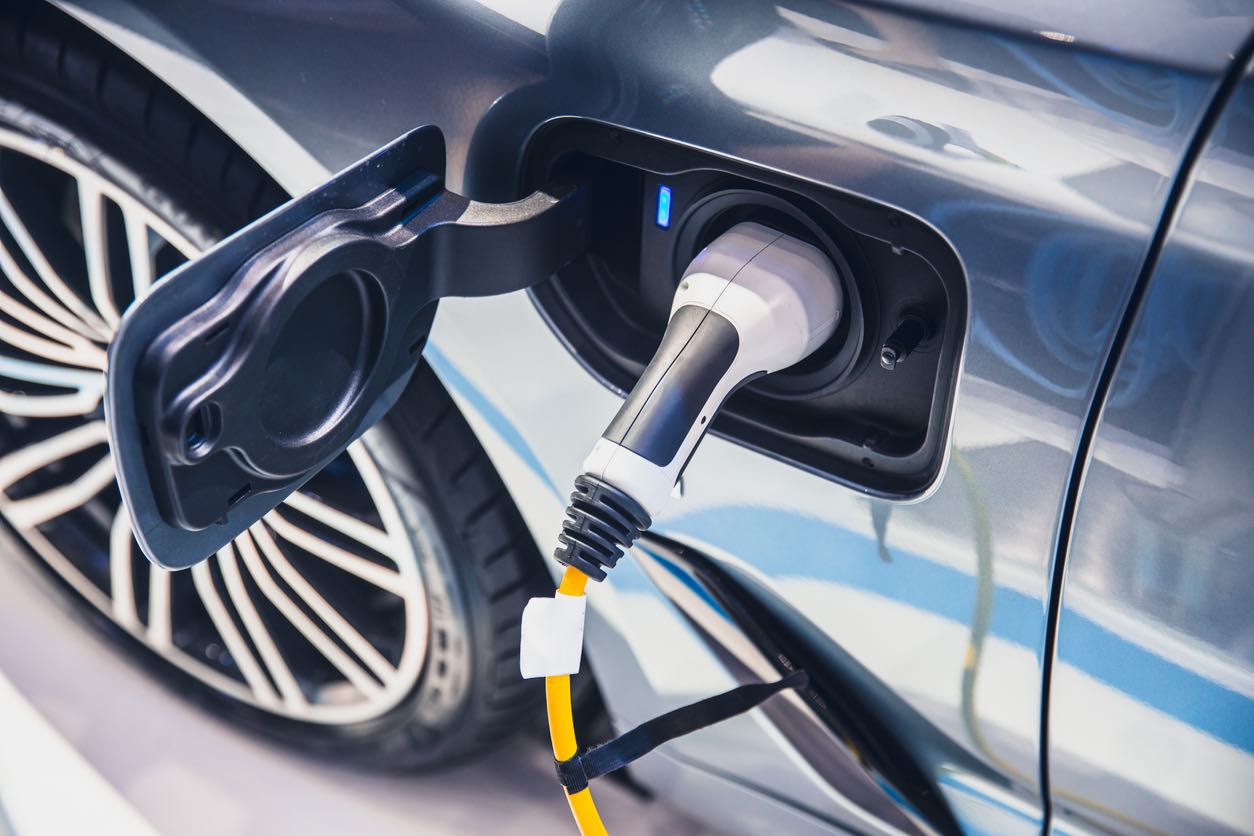
Roads are paid for largely by fuel tax, and a vehicle that uses no fuel pays none of it. That is the whole problem in one sentence, and it is why most states have introduced a separate registration fee for electric vehicles. Whether that is fair depends on how it is calculated, and the calculations vary enormously.

Why the Funding Gap Exists
The federal fuel tax has not changed since 1993, and it is charged per gallon rather than as a percentage, so inflation has eroded its real value substantially over three decades.
At the same time vehicles have become far more efficient. A modern gasoline car pays considerably less tax per mile than one from the 1990s simply by using less fuel, and a hybrid less again. Electric vehicles pay nothing at all through this mechanism.
The result is a Highway Trust Fund that has required repeated transfers from general revenue to stay solvent. Electric vehicles are a small part of that gap today and a growing one, which is why states have moved first while federal policy has not.
How States Have Responded
The most common approach is a flat annual fee added to electric vehicle registration, typically somewhere between 50 and 250 dollars depending on the state, with many charging a reduced amount for plug-in hybrids.
Flat fees are simple to administer and that is their main virtue. Their weakness is obvious: somebody who drives 3,000 miles a year pays the same as somebody who drives 30,000, which is precisely the opposite of how fuel tax works.
Several states have piloted a road usage charge instead, billing per mile driven rather than per year. It is fairer in principle and harder in practice, because it requires either odometer reporting or a telematics device, and both raise privacy and administration questions that flat fees do not.
A third approach taxes electricity delivered at public charging stations, which captures use rather than ownership but misses the majority of charging, which happens at home.
What About Heavy Trucks?
Commercial vehicles sit outside this debate in a way worth understanding, because it explains why the argument is really about weight rather than fuel.
Heavy trucks already pay through several channels that passenger vehicles do not: a federal heavy vehicle use tax, higher registration fees, a tax on tires above a certain weight rating, and fuel taxes reported by state through an interstate agreement so that each state receives revenue for the miles actually driven in it.
That last mechanism is essentially a road usage charge, and it has operated for decades. Trucking already does what EV policy is now trying to work out how to do for cars, which is why the interstate fuel tax agreement comes up repeatedly as a model.
The weight point matters too. Road wear rises steeply with axle load, which is why a loaded tractor unit contributes far more to pavement damage than a passenger car and pays far more accordingly. As electric trucks arrive, the same funding question applies to them, and it is a larger one because the vehicles are heavier still.
What This Means If You Own an EV
Practically, three things.
Check your state’s fee before you register, because it varies widely and it is charged annually rather than once. Budget it as part of running cost alongside insurance, not as a surprise at renewal.
If you move states, the figure changes, sometimes substantially. That is worth knowing when comparing the total cost of ownership between locations rather than assuming an EV costs the same to keep everywhere.
And the direction of travel is upward. Fees introduced modestly have been revised, and more states add them each year. Treat the current number as a floor rather than a fixed cost over the life of the vehicle.
The Fairness Argument, Honestly
EV owners frequently object that they already pay for roads through general taxation, registration and, in many states, higher purchase costs. That is true.
The counter is that fuel tax is a user charge, and a heavy vehicle using the road without paying it is being subsidized by drivers who do. EVs are also heavier than equivalent gasoline cars because of the battery, and road wear rises steeply with weight.

Both positions have merit, which is why the policy keeps moving. What is not seriously disputed is that a fuel-based system cannot fund roads indefinitely as fuel use declines.
If You Are Buying or Moving a Vehicle
None of this changes how an electric vehicle is transported, but two points are worth knowing when a move is involved.
Register promptly in the new state, because the road use fee is collected at registration and late registration attracts its own penalties on top.
And if you are comparing states as part of a relocation, put the EV fee in the comparison alongside insurance and registration. On a high mileage household it is a small number; on a low mileage one it can be a meaningful share of what the car costs to keep. Our guide to shipping an electric vehicle covers the transport side.
Common Questions
Why do EVs pay a special fee? Roads are funded largely by fuel tax, and a vehicle using no fuel contributes nothing through that mechanism.
How much is it? Typically 50 to 250 dollars a year depending on the state, with many charging less for plug-in hybrids.
Is a flat fee fair? It is simple but blunt. Somebody driving 3,000 miles pays the same as somebody driving 30,000, which fuel tax would not do.
What is a road usage charge? Billing per mile driven rather than per year. Fairer in principle, but it needs odometer reporting or telematics.
Will these fees rise? The trend is upward and more states add them each year. Treat the current figure as a floor.
Get a Quote
Call Ship A Car, Inc. at (866) 821-4555 with both zip codes, the year, make and model, and whether the vehicle runs and drives, or request an estimate for the move through the quote calculator.