How Fuel Distribution Shapes What You Pay to Ship a Car
Diesel is the second largest cost in moving a vehicle, and the price a carrier actually pays for it has less to do with the crude oil price than most people assume. It is set by refining capacity, regional pipeline access and how many distributors compete in a given area. That is why diesel can be forty cents apart between two states in the same week.
Understanding that explains a good deal of why quotes differ by route rather than just by distance.
The Chain Between the Refinery and the Truck
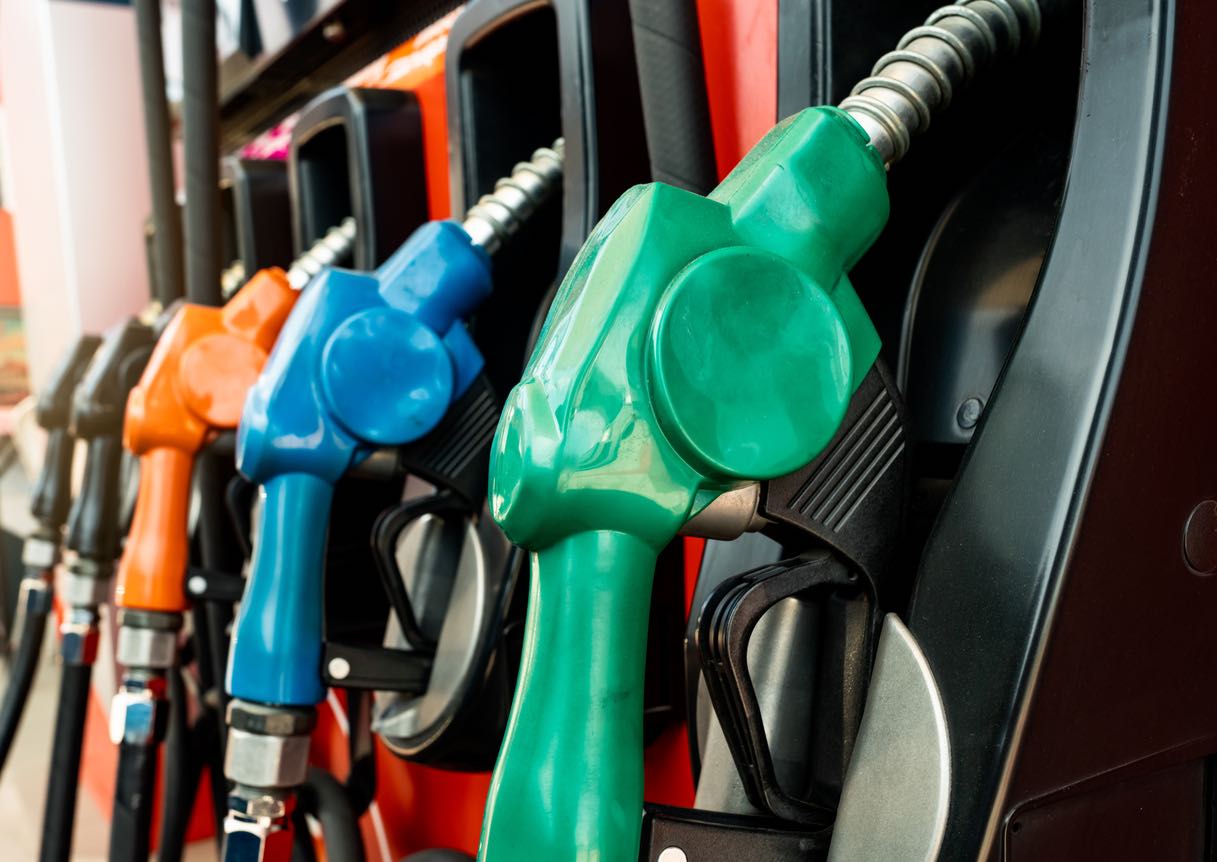
Crude becomes diesel at a refinery, moves by pipeline or barge to a regional terminal, and is then trucked to the stations and cardlock sites where carriers actually fill. Each of those steps is a place where cost and availability get set.
The step that matters most, and that almost nobody sees, is the distributor: the business that takes fuel from the terminal and supplies it onward. In a region with several competing distributors, prices track the national benchmark closely. In a region served by one or two, they do not have to.
That is why the industry watches consolidation among fuel distributors. Every acquisition removes a competitor from a regional market, and regional pricing is precisely what a long haul carrier is exposed to.
Why Diesel Behaves Differently From Gasoline
Diesel and gasoline come from the same barrel but not in the same proportions, and they compete with other products for refinery capacity.
Diesel shares a refining stream with heating oil and with jet fuel. A cold winter in the Northeast pulls the same molecules toward heating, and strong air travel pulls them toward jet. Either can push diesel up while gasoline stays flat, which is why drivers sometimes see pump prices falling while freight rates firm.
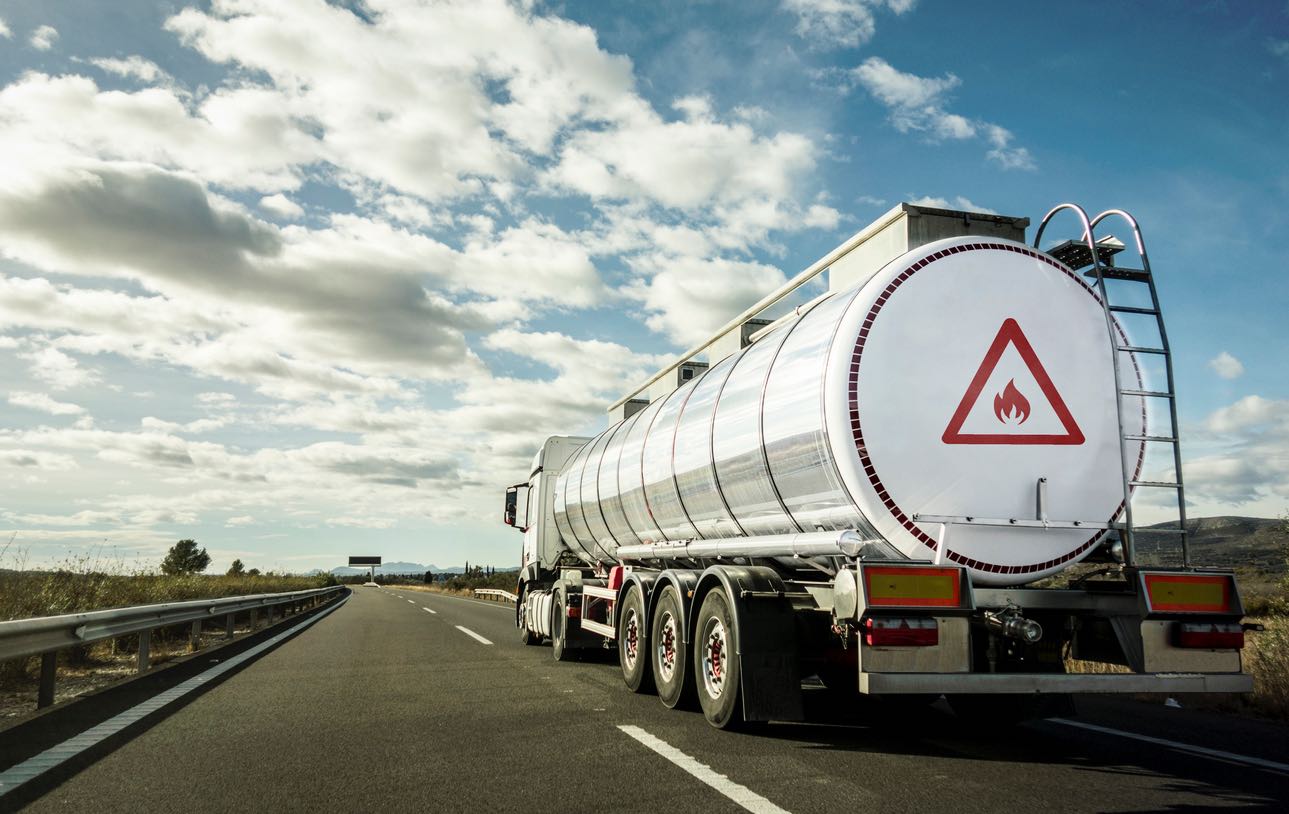
Refining capacity is the other constraint. A single unplanned outage at a large refinery removes supply from a whole region for weeks, and there is limited slack in the system to absorb it. Those events show up in transport pricing within days.
What This Does to a Car Shipping Quote
A loaded car hauler returns roughly five to seven miles per gallon. On a 2,500 mile run that is something like 415 gallons, so a one dollar move in diesel is over 400 dollars on a single trip.
Large fleets buy on contract and hedge. Owner operators and small fleets, which is a great deal of the car hauling market, largely buy at the pump at whatever the regional price is that week. That is why spot rates respond to fuel faster than contract rates, and why the response is regional rather than uniform.
It also means a route through a region with tight supply can price above an equivalent distance elsewhere. The mileage is the same; the fuel underneath it is not.
The Seasonal Pattern
Diesel has a rhythm worth knowing if your dates are flexible. It generally firms through the autumn as heating demand builds and again in early summer as driving and construction season peak. The softest stretch is usually late winter into early spring, once heating demand falls away and before the summer pull begins.
That will not decide when you move house, but on a discretionary shipment it is one more reason the quiet months tend to price better.
What You Can Actually Do About It
Not much about the fuel price, and quite a lot about your exposure to it.
Book with a couple of weeks of lead time rather than three days, so your load is priced into a planned route rather than a scramble. Give a two or three day pickup window, which lets a carrier fit you into a run it is already making and burning fuel on regardless. Be accurate about access, because forty minutes of detour is forty minutes of fuel and hours that come out of a legally capped driving day.

And treat a quote as a snapshot. A price good this week reflects this week’s fuel and capacity, not next month’s. The wider set of inputs is covered in what it costs to run a truck, and how the market reprices in the spot market and the contract market.
Why Regional Prices Diverge
Three things beyond distribution set the gap between states. Fuel taxes vary substantially and are a straight addition at the pump. Some regions require particular fuel blends, which narrows the pool of refineries that can supply them. And pipeline access determines whether a region can draw on the wider market at all or is dependent on a small number of sources.
The West Coast is the clearest example: relatively isolated from the pipeline network that serves the rest of the country, so an outage there is felt harder and for longer than the same event elsewhere.
One caution on reading fuel news: the headline crude price is the number that gets reported, and it is the weakest predictor of what a carrier pays. Refining margins and regional supply move diesel far more, which is why pump prices and crude headlines so often point in different directions in the same week.
Common Questions
Why does diesel differ so much between states? Refining access, pipeline supply and how many distributors compete regionally, plus differing state fuel taxes.
Why does diesel rise when gasoline does not? Diesel competes with heating oil and jet fuel for the same refining stream, so winter and air travel can pull it independently.
How much fuel does moving my car use? A loaded hauler does five to seven miles per gallon, but it is carrying seven to ten vehicles, so your share is a fraction of that.
Does a fuel surcharge apply? On vehicle transport, fuel is normally built into the quoted rate rather than added separately.
How do I reduce my exposure? Lead time, a flexible pickup window and accurate access. Those three make your load cheap for a carrier to serve.
Get a Quote
Call Ship A Car, Inc. at (866) 821-4555 with both zip codes and your date range, or request an estimate for the move through the quote calculator.