New Car Technology and What It Changes About Shipping One
Cars have gained more technology in the last ten years than in the thirty before it, and several of those systems behave differently once the vehicle is on a truck rather than in your driveway. Nothing here makes a modern car hard to ship. It does mean there are settings to turn off and things to tell the driver that simply did not exist on an older vehicle.
Driver Assistance and the Sensors That Run It
Adaptive cruise, lane keeping, automatic emergency braking and blind spot monitoring all depend on radar units, cameras and ultrasonic sensors mounted in the grille, the windshield, the mirrors and the bumpers.
These are among the most vulnerable parts of a modern car precisely because of where they sit. A front radar behind a lower grille is close to the ground and close to a loading ramp. A windshield camera is behind glass that stone chips.
What matters practically is that these systems are calibrated. If a bumper or windshield is damaged and replaced, the sensors behind it need recalibrating, and that is a specialist job rather than a body shop afterthought. It is a good reason to photograph the front and rear bumpers and the windshield carefully before the vehicle loads, and to note any existing chip on the bill of lading.
Keyless Systems and Digital Keys
This is the most common practical problem, and it is entirely avoidable.
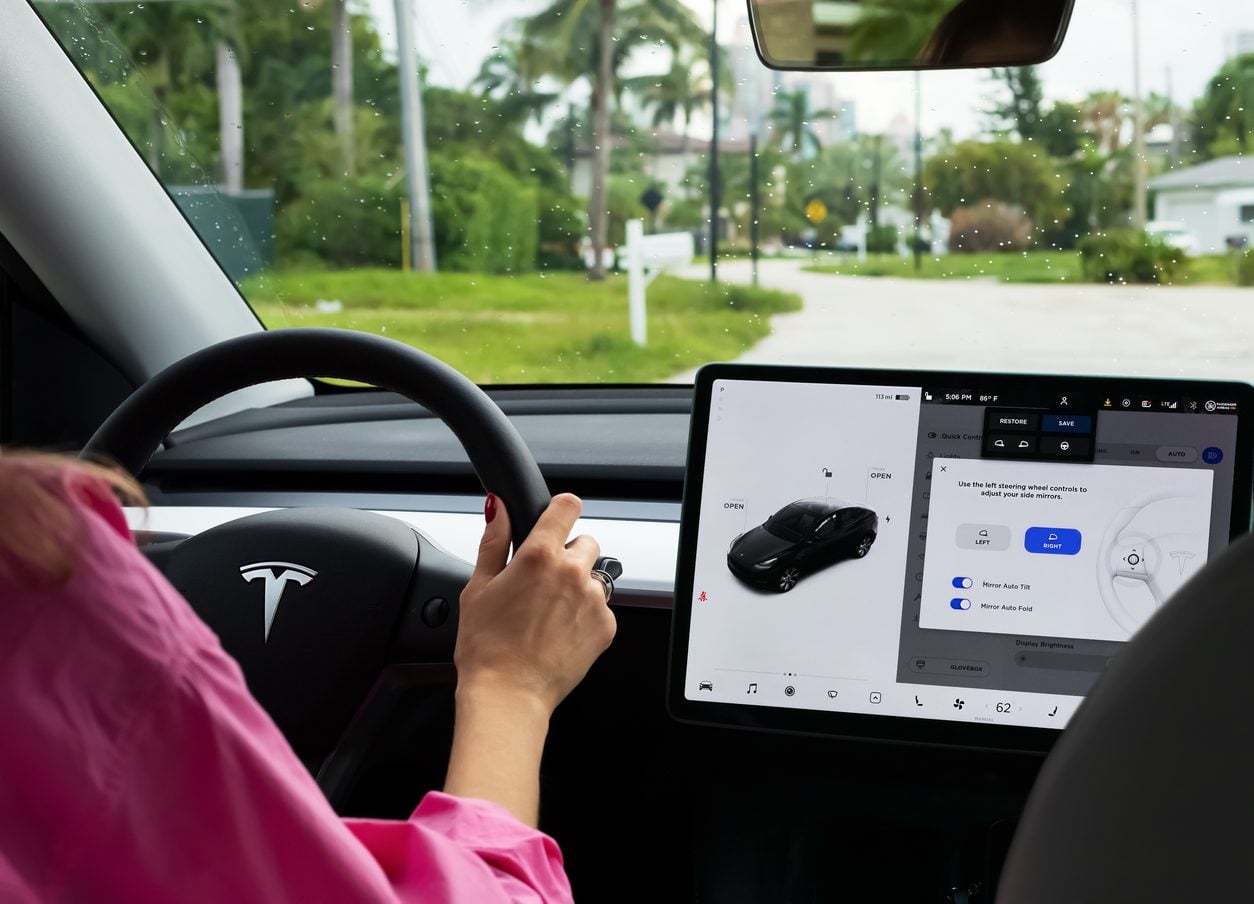
Hand over a physical key or key card, not a phone. Phone-as-key works beautifully when the phone is yours and present; it is useless to a driver at a delivery point three states away. If the car has only a digital key, arrange a physical backup before it ships.
Turn off walk-away locking, which arms itself when the fob leaves and can shut a driver out. Disable any motion sensitive alarm, because a car on a moving trailer triggers it repeatedly. And tell the carrier anything unusual about the starting sequence, because some cars will not shift out of park without a specific set of conditions.
Air Suspension and Drive Modes
Adjustable ride height is common now on trucks, SUVs and luxury cars, and it cuts both ways.
Raised, it makes loading a low car far easier and removes the ramp risk entirely. Left in a low or aerodynamic setting, or dropped automatically after a period of inactivity, it can leave a car sitting on its bump stops with almost no clearance.
Tell the driver how to raise it and confirm they can operate it. If the vehicle has a documented transport or jacking mode, use it. Some systems bleed down over days of sitting, which is normal and not damage, but it is worth knowing so it is not mistaken for one at delivery.
Batteries, Standby Power and Over-the-Air Updates
Modern cars draw power when parked, and several days on a trailer is longer than most owners ever leave them.

Telematics, alarms, sentry and guard modes, cabin monitoring and connected services all keep systems awake. Turn off the ones you can, particularly camera-based security modes, which are the heaviest drain and the most likely to generate alerts every time the truck moves.
The 12 volt battery is the one that matters, on an electric car as much as a conventional one. It is what wakes the vehicle, releases the parking brake and allows a shift out of park, and a flat one turns a perfectly healthy car into an inoperable one at delivery. Test it before collection.
Disable scheduled charging and preconditioning routines that expect a plug that will not be there, and postpone any pending over-the-air update rather than having it start while the car sits on a deck.
Tracking Devices and Toll Transponders
Two small items cause disproportionate trouble.
Remove the toll transponder. A transponder riding in a car on a truck gets read repeatedly on the truck’s route and billed to your account, and the charges are tedious to reverse.
If the car has a factory or aftermarket tracker, expect it to report the vehicle moving in ways you did not authorize, and expect notifications. That is not a problem in itself, but a stolen vehicle alert triggered from a family member’s phone at 2am is an avoidable evening.
What Does Not Actually Change
It is worth saying plainly what modern technology has not altered, because a lot of marketing implies otherwise.
A car is still driven onto a trailer, secured over its wheels with soft straps, and driven off at the other end. Nobody needs a special truck for a car with adaptive cruise. The trailer, the tie-downs and the bill of lading work the same way they did twenty years ago, and the physical risks are the same: loading angle, road debris, weather and handling.
The bill of lading is still the document that decides any dispute, however many photographs a carrier app captures. Inspect before you sign, in daylight if you can, and write discrepancies onto the paperwork while the driver is present.
And a modern car is not more fragile than an old one. It has more systems that can be left in an unhelpful state, which is a preparation problem rather than a transport problem, and preparation is entirely within your control.
Preparing the Car
Wash it so existing marks are visible, then photograph every panel in daylight, including the wheels, the lower bumpers, the rocker panels, the windshield and the sensor areas in both bumpers.
Leave about a quarter tank of fuel or a quarter to half charge. Empty the cabin and the trunk, and remember the front trunk on an electric vehicle. Fold the mirrors and hand over a physical key.
At delivery, inspect before signing, compare against your photographs and note anything unexpected on the bill of lading while the driver is present. Our guide to shipping an electric vehicle covers the battery side in more detail.
Common Questions
Can I hand over a phone key? No. Provide a physical key or key card. A digital key is useless to a driver at the other end.
Do I need to turn off sentry or guard mode? Yes. Camera-based security modes drain the battery over several days and alert every time the truck moves.
What about air suspension? Raise it if you can and show the driver how. A car that settles onto its bump stops has almost no ground clearance.
Will driver assistance sensors be damaged? Not in normal handling, but they sit in vulnerable places. Photograph the bumpers and windshield, and note existing chips.
Should I remove the toll transponder? Always. It will be read on the truck’s route and billed to you.
Get a Quote
Call Ship A Car, Inc. at (866) 821-4555 with both zip codes, the year, make and model, and anything unusual about how the vehicle starts or moves, or request an estimate for the move through the quote calculator.