What It Costs to Run a Truck, and Why That Sets Your Shipping Price
A working Class 8 truck costs somewhere close to two dollars a mile to operate before the driver is paid, and understanding where that money goes explains most of what looks arbitrary about a transport quote. The largest components are fuel, the driver, equipment, insurance and maintenance, and they move at different speeds and for different reasons.
Here is what actually sits inside the number, and what it means when you are comparing quotes.
Fuel Is the Most Visible Cost
A loaded car hauler returns something in the region of five to seven miles per gallon, which is why diesel price changes reach transport rates faster than almost anything else.
The arithmetic is unforgiving. On a 2,500 mile run at six miles per gallon, the truck burns roughly 415 gallons. A one dollar move in the diesel price is over 400 dollars on that single trip, and a carrier running three such trips a month feels it immediately.
Large fleets hedge and buy on contract at negotiated rates. Owner operators and small fleets, which is a great deal of the car hauling market, largely buy at the pump. That is why spot rates respond to fuel faster than contract rates do.
The Driver Is the Largest Single Line
Driver pay and benefits are usually the biggest cost in the whole operation, ahead of fuel in most years.
The cost is not only the mileage rate. It includes payroll taxes, workers compensation, health coverage where offered, and the substantial cost of turnover: recruiting, onboarding and training a replacement runs into thousands of dollars per driver, and long haul fleets do that repeatedly.
Car hauling pays above dry van work because the skill genuinely matters. Loading a ten car trailer to balance weight, clear ramps and avoid contact between vehicles is a real trade, and the consequences of doing it badly are expensive.

Equipment and Insurance
A new Class 8 tractor is a several hundred thousand dollar purchase in current terms, and a car hauling trailer is a substantial cost on top. Whether the truck is financed, leased or owned outright, that capital has to be recovered across the miles it runs.
Insurance has risen faster than almost any other line. Federal minimums are set in law, but the coverage carriers actually need to work with reputable brokers and shippers is far above those minimums, and premiums have climbed sharply in response to litigation trends. For a small fleet, insurance alone can run into tens of thousands of dollars per truck per year.
Cargo insurance is separate again and specific to what is carried. Covering ten vehicles worth perhaps four hundred thousand dollars in total costs more than covering a trailer of consumer goods, which is one reason car hauling prices where it does.
Maintenance Is the Cost That Compounds
Tires are the clearest example. A tractor and car hauling trailer combination runs eighteen tires, each costing several hundred dollars and each wearing out. That is a recurring four figure expense on a predictable cycle.
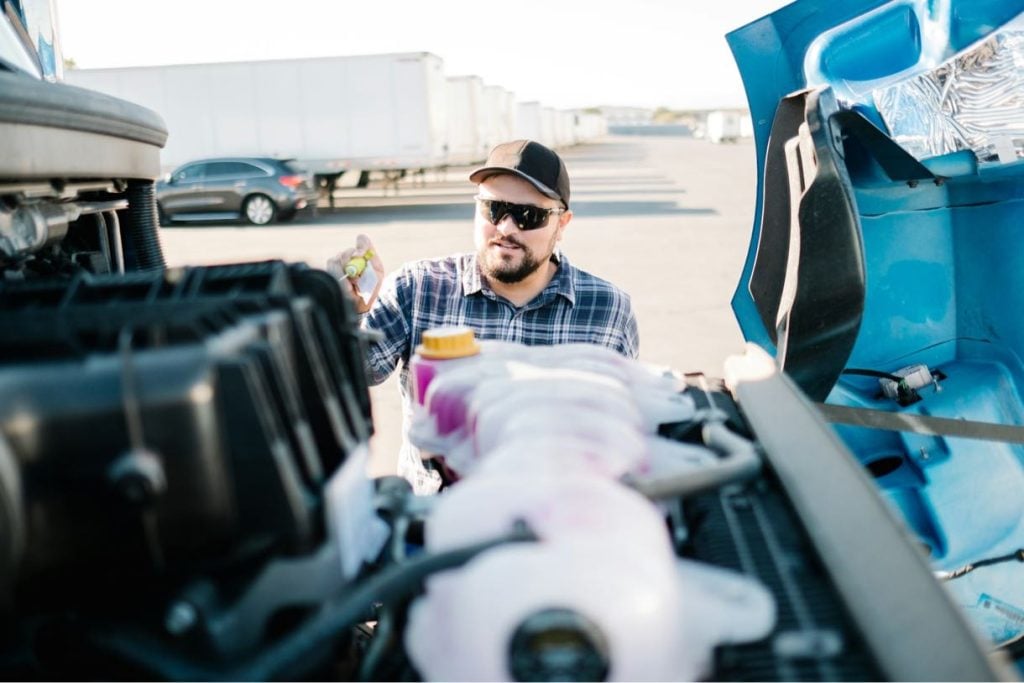
Then brakes, oil services at intervals measured in tens of thousands of miles, and the components that fail without warning. A turbocharger, an after treatment system fault or a transmission problem can each cost thousands, and the truck earns nothing while it sits.
Downtime is frequently the larger loss. A truck in a shop for three days is three days of fixed costs, insurance and payments continuing with no revenue, plus loads that had to be handed to somebody else.
Two structural pressures push this upward. Modern emissions systems are more complex and more expensive to repair than older engines, and the technician shortage has raised shop labor rates and lengthened waits for a bay.

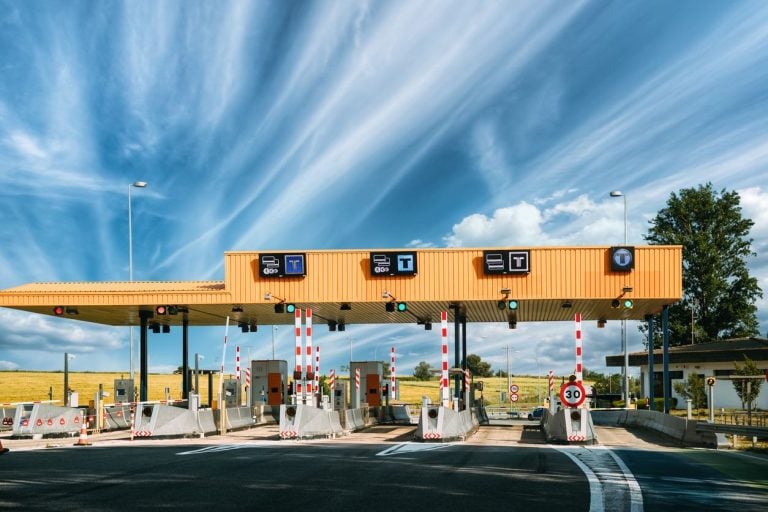
Two costs are easy to forget and neither is small. Empty miles are the first: a truck repositioning to its next pickup earns nothing while burning everything, and a carrier prices your load knowing what it will have to do to get to it. Tolls and permits are the second, and on the eastern corridors they add up quickly on a route a truck runs weekly.
What This Means When You Compare Quotes
Add the components up and the floor becomes obvious. A carrier that cannot cover fuel, pay, equipment, insurance and maintenance on your load will not take it, no matter what price appears on a website.
That is the mechanism behind the most common complaint in this business. A very low quote is agreed, nothing happens for two weeks, and the price then rises. The original number was below what it costs to run the truck, so no carrier accepted it. Nobody was necessarily lying, but nobody was quoting a real price either.
So the useful question when comparing quotes is not which is lowest, it is whether the price is one a carrier has accepted. A quote meaningfully below the others on the same route is usually not a better deal, it is a different thing being sold. How that market prices day to day is covered in our page on the spot market and the contract market.
Common Questions
What does it cost to run a truck per mile? Broadly around two dollars a mile before driver pay, varying with fuel, insurance and equipment age.
What is the biggest cost? Driver pay and benefits in most years, with fuel close behind.
Why is car hauling more expensive than general freight? Higher cargo value and cargo insurance, specialized equipment, and skilled loading that takes real time.
Why has insurance risen so much? Litigation trends have pushed premiums well above the federal minimum coverage that carriers actually need to operate.
Why do very low quotes fall through? Because they sit below what it costs to run the truck, so no carrier accepts the load.
Get a Quote
Call Ship A Car, Inc. at (866) 821-4555 with both zip codes and your date range, or request an estimate for the move through the quote calculator.