Fuel Economy Standards and What They Actually Build
Fuel economy rules do not simply make cars more efficient. They shape which vehicles a manufacturer finds it profitable to build at all, and several of the most visible changes in the American market are downstream of how the standards are written rather than of what buyers asked for.
Here is how the mechanism works, why fines are sometimes the rational choice, and the footprint rule that explains why small cars disappeared.

It Is a Fleet Average, Not a Per Car Rule
The foundational point, and it explains most of what follows.
No individual vehicle has to hit a fuel economy target. A manufacturer’s whole fleet has to average out to one, weighted by how many of each model it sells. That is why a company can sell a very thirsty performance car and a very efficient hybrid in the same year without contradiction: the second pays for the first.
Two consequences follow immediately. Efficient models become strategically valuable beyond their own profit, because they create headroom for profitable inefficient ones. And what a manufacturer sells matters as much as what it engineers, since the average is sales weighted.
The Footprint Rule, and Why Small Cars Vanished
The single most consequential design detail in the whole system.
Targets are set by vehicle footprint, roughly the rectangle between the wheels. A larger vehicle gets an easier target than a smaller one. The intent was reasonable: it avoids penalizing manufacturers who happen to build larger vehicles, and it prevents a rule that simply forces everyone to build small cars.
The effect was different. If a bigger footprint gets a softer target, and larger vehicles also carry higher margins, then building larger is doubly rewarded. Combine that with light trucks and SUVs being held to a separate, more lenient standard than passenger cars, and the incentive is unambiguous.
That is a substantial part of why the American market moved decisively toward crossovers and trucks, and why inexpensive small cars were withdrawn from sale. Buyer preference is real and it was pushing the same direction as the regulation, which makes the two hard to separate.
Credits, Trading and Why Fines Can Be Rational
Manufacturers are not limited to engineering their way to compliance.
Credits are earned by beating the target and can be banked for future years or carried back. Trading lets a manufacturer buy credits from one that overcomplied, which is why companies selling only electric vehicles have had a meaningful revenue stream from selling credits to companies that did not comply.
And fines are a legitimate third option. If the penalty for missing the target costs less than redesigning a lineup or losing the margin on profitable models, paying is the rational commercial decision. Manufacturers have done exactly that, and the fines are properly understood as a price rather than as a scandal.
Whether that is a flaw or a feature depends on your view. A regime with a priced escape hatch is more predictable for industry and delivers less than a hard mandate would.
Why the Rules Keep Changing
Fuel economy standards in the United States are unusually unstable, and there is a structural reason.
They are set by regulation rather than legislation, which means each administration can revise them, and several have, in both directions. Separately, one state has historically held authority to set its own stricter standards, and other states may adopt them, which creates a de facto second national standard depending on which states are aligned.
The practical result is that manufacturers plan product cycles of five to seven years against rules that may change twice in that period. That uncertainty has its own cost, and it is one reason companies hedge by building platforms that can take both combustion and electric powertrains.
What It Means for a Buyer
Three things, none of them the ones usually cited.
The cheap small car is largely gone, and the used market is where that segment now lives. If you want an inexpensive, small, efficient car, you are shopping used.
Efficient variants are often subsidized in effect, because they carry strategic value beyond their own margin. Hybrid versions have periodically been priced closer to their gasoline equivalents than the engineering cost would suggest.

Published figures are a comparison tool, not a promise. Window sticker numbers come from standardized test procedures, and real world consumption depends on speed, terrain, load, climate and how you drive. Use them to compare two cars, not to budget precisely.
Where It Touches Freight
Worth separating clearly, because the two systems are distinct.
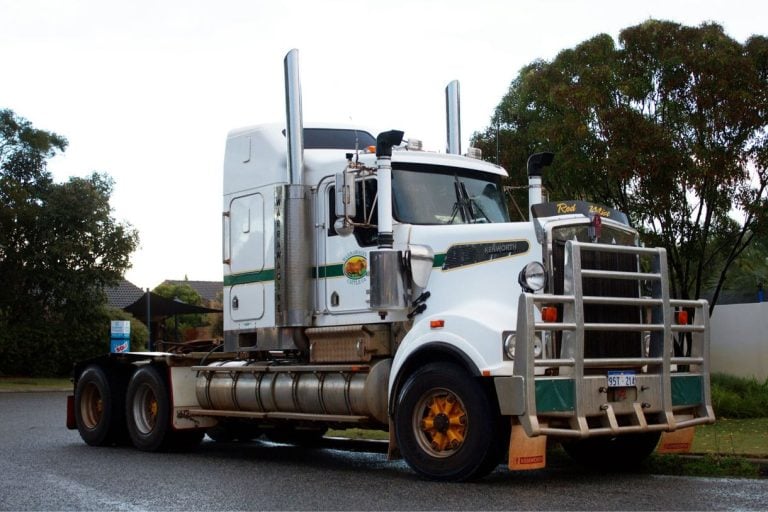
Heavy trucks are regulated under their own greenhouse gas and efficiency rules, not under passenger car fuel economy standards. The mechanisms differ, the technologies differ, and the compliance pressure lands on different parties. What actually reduced truck emissions is covered in our page on which emissions technologies scaled.
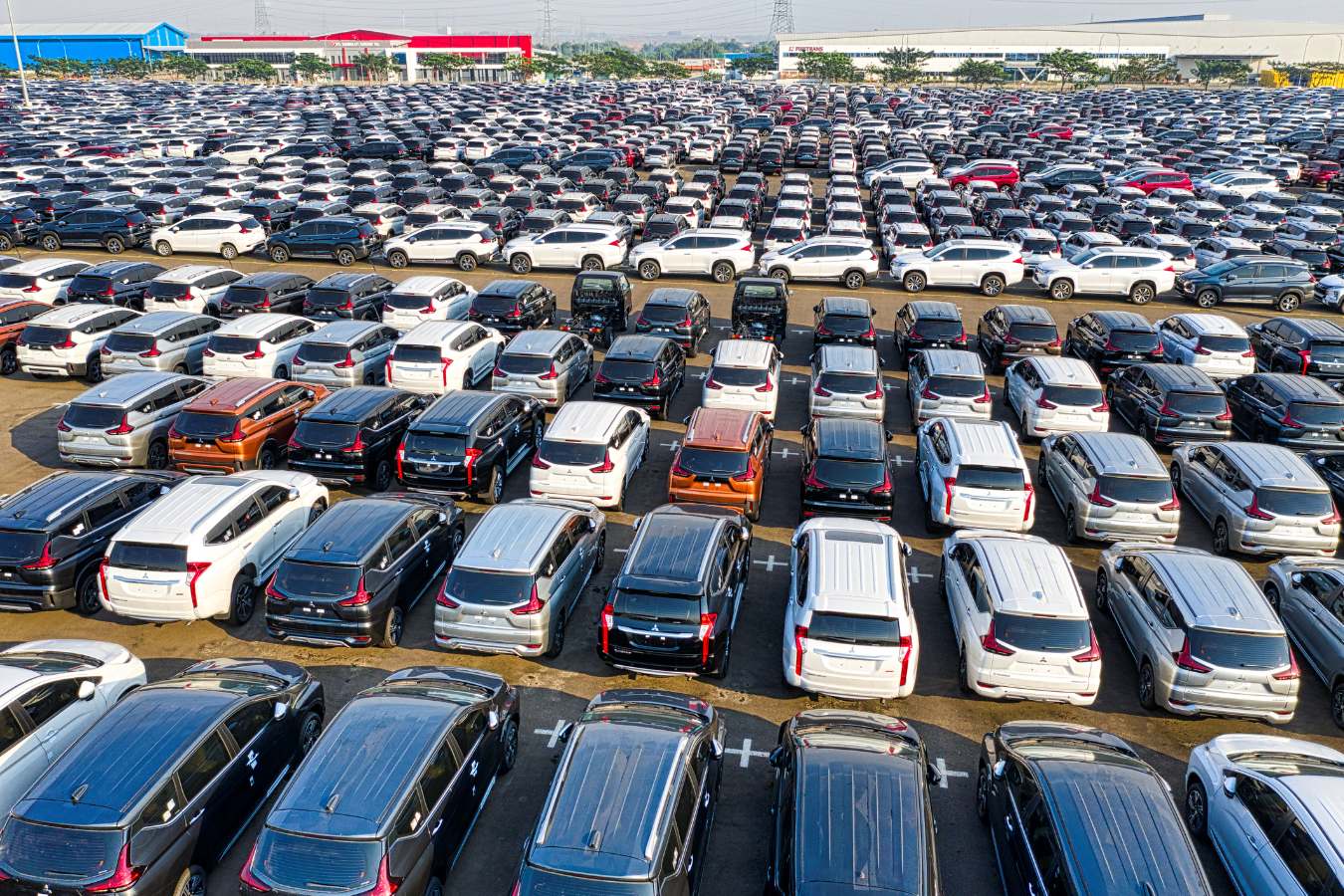
The one place the two meet is the vehicle mix on the road. Because the standards helped push the market toward larger, heavier vehicles, the average car being transported today is bigger and heavier than a decade ago, and both affect how many fit on a trailer and therefore what a move costs.
Common Questions
Does every car have to meet a fuel economy target? No. It is a sales weighted fleet average, which is why a manufacturer can sell both very thirsty and very efficient models.
Why did small cheap cars disappear? Targets are set by vehicle footprint, so larger vehicles get easier targets, and light trucks are held to a more lenient standard. Both reward building bigger.
Why would a manufacturer pay a fine instead of complying? Because when the penalty costs less than redesigning a lineup, paying is the rational commercial choice. The fine functions as a price.
Why do the standards keep changing? They are set by regulation rather than legislation, so each administration can revise them, and state level authority adds a second track.
Are window sticker figures accurate? They come from standardized tests and are a comparison tool. Real consumption depends on speed, load, terrain and climate.
Get a Quote
Call Ship A Car, Inc. at (866) 821-4555 with both zip codes and your date range, or request an estimate for the move through the quote calculator.