What LTL Terminal Closures Mean for Shippers
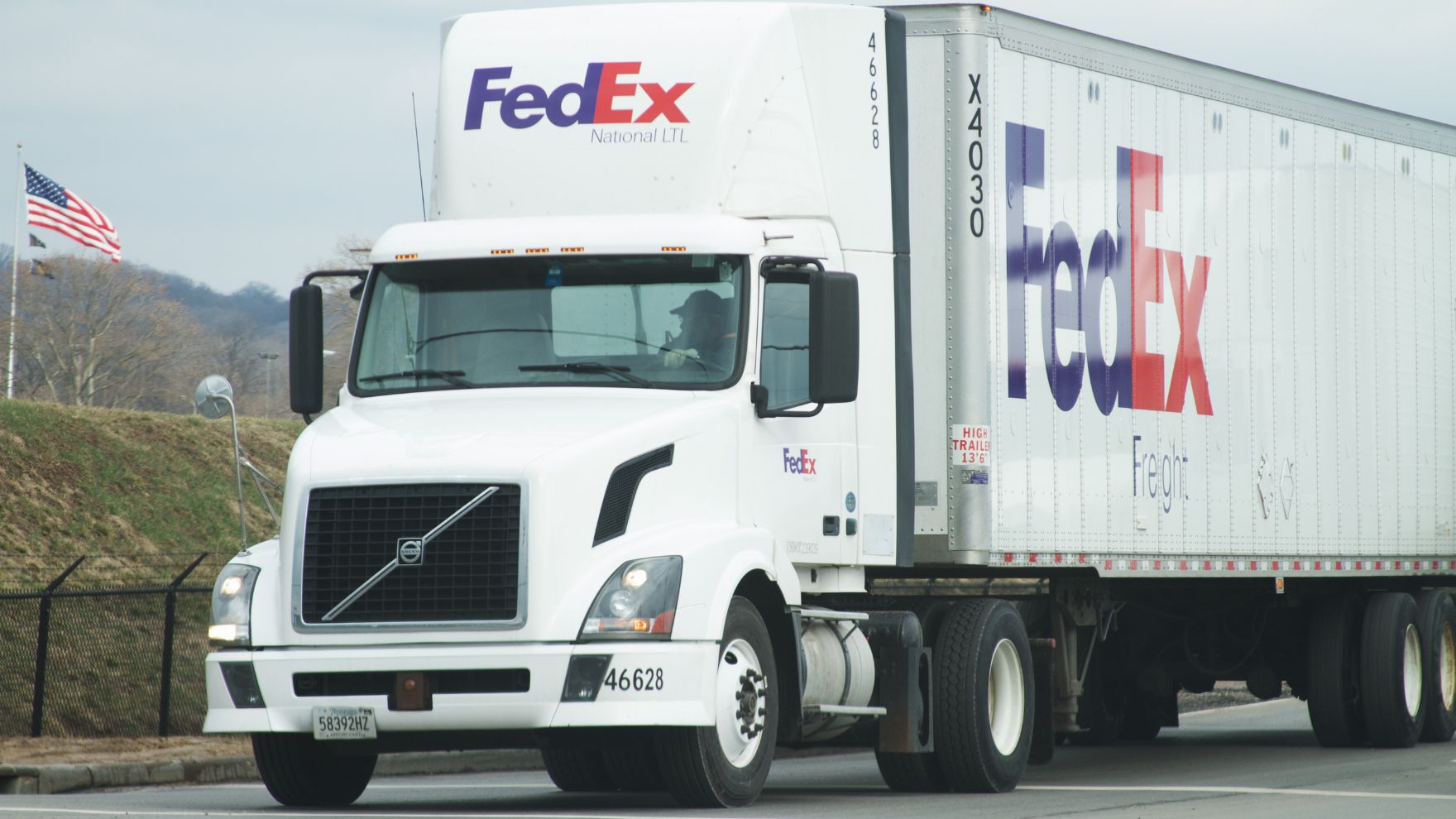
When a major less than truckload carrier closes service centers, the freight does not stop moving, it just starts moving differently, and the effects land on shippers who were never told anything changed. FedEx Freight’s consolidation of dozens of facilities is the most visible recent example, and the pattern it created is worth understanding because network changes of this kind recur.
Why Carriers Close Terminals
An LTL network is expensive to run because it is made of real estate, and every service center is a building with staff, dock doors and equipment.
When freight volumes soften, or when a carrier finds two facilities serving overlapping areas, consolidation is the obvious economy. Closing a service center and routing its freight through a neighboring one removes a fixed cost without removing coverage on paper.
Carriers also close terminals after acquisitions, when two networks overlap, and during broader restructuring. The Yellow Corporation collapse a few years ago pushed a large volume of freight into competitors’ networks and reshaped where capacity sat, and adjustments have followed ever since.
None of this is unusual. What matters to a shipper is what it does to their specific lanes.
What Actually Changes for You
Coverage maps rarely change. Service quality on particular lanes frequently does.
Transit times are the first effect. Freight that used to be handled at a local service center now travels further to reach one, which can add a day in each direction. A lane quoted as two days can quietly become three.

Pickup and delivery windows narrow, because a driver covering a larger area has less flexibility about when they reach any point in it. Late day pickups are usually the first thing to go.
Handling increases. Freight routed through an additional facility is loaded and unloaded one more time, and every handling is an opportunity for damage. On fragile freight that is the effect that matters most.
And rural or edge of territory locations feel it hardest, because they were marginal to serve before the closure and are more marginal after.
Reclassification Risk Rises Too
An effect that rarely gets mentioned: network changes tend to increase billing disputes, and shippers experience that as sudden invoice inflation with no obvious cause.
When freight routes through an unfamiliar facility, it is weighed and measured by people who have not handled that account before. Dimensioning equipment at a larger consolidated hub is frequently newer and more automated than at the small terminal that closed, and it catches discrepancies the old routing did not.
If your declared weights and classes were slightly optimistic, that was survivable while a familiar local terminal handled the freight. It stops being survivable at an automated hub, and the corrections arrive as reweigh and reclassification fees.
The fix is not to argue the fees, because the carrier has the measurement. It is to weigh and measure your own freight properly, including pallet overhang and wrap, and to declare the correct class. That protects you regardless of whose network your freight is in.
How to Tell If You Are Affected
Carriers do not generally write to customers about this, so you have to notice it yourself.
Watch your actual transit times against the quoted service standard over a few weeks. A pattern of arriving a day later than the standard is the clearest signal, and it is one most shippers absorb without registering.
Watch pickup reliability, particularly whether late afternoon pickups still happen. Watch damage and exception rates, since additional handling shows up there. And ask your carrier directly which service center now handles your origin and destination zip codes, because a changed answer explains everything else.
What to Do About It
Four responses, in rough order of effort.
Requote the affected lanes. LTL pricing is competitive and a lane that has become awkward for one carrier is frequently routine for another whose network is shaped differently. This is the cheapest fix and shippers underuse it.
Use more than one carrier. Relying on a single LTL provider is efficient until their network changes, and a second relationship costs nothing to maintain until you need it.

Reconsider the mode on your larger shipments. If your volume has grown, or if additional handling is causing damage, partial truckload or full truckload removes terminal handling entirely. Our guide to how LTL actually works covers where that crossover sits.
And build the new reality into your promises. If a lane genuinely takes a day longer now, telling your own customer that is better than missing the date repeatedly.
Working Through a Broker
This is one of the situations where a broker earns its place, because the problem is a matching problem.
A broker sees many carriers’ networks at once and knows which ones have strong coverage on a given lane this month. When a carrier’s network shifts, that knowledge is worth more than any single rate agreement.
It also removes the work of maintaining several carrier relationships yourself, which is the reason most small and mid size shippers stay with one provider long after it stopped being the right one.
Common Questions
Do terminal closures reduce coverage? Rarely on paper. They usually change transit time, pickup windows and how many times freight is handled.
How would I know my lane is affected? Track actual transit against the quoted standard for a few weeks, and ask which service center now covers your zip codes.
Why does handling matter? Freight routed through an extra facility is loaded and unloaded again, and each handling is an opportunity for damage.
What is the quickest fix? Requote the affected lanes with other carriers. Networks are shaped differently and a difficult lane for one is routine for another.
When should I leave LTL entirely? When volume has grown past roughly six to twelve pallets, or when additional handling is causing damage.
Get a Quote
Call Ship A Car, Inc. at (866) 452-3657 with the commodity, weight, pallet count and both zip codes, and we will price the affected lanes across carriers, or use the specialized transport calculator.