Checking Recalls on a Used Car You Just Bought
A used car can carry an open safety recall for years without anyone knowing, because the notice went to a previous owner at an old address and nothing forces the transaction to surface it.
The check takes two minutes, the repair is free regardless of where you bought the car, and almost nobody does it. Here is how, and what to do with what you find.
Why Used Cars Accumulate Open Recalls
Three mechanisms, none of them anybody’s fault exactly.
Notices follow the registration, not the car. A recall notice goes to the registered owner at the address on file. Cars change hands and people move, and each transfer is a chance for the chain to break. A car with three previous owners has had three opportunities to lose the thread.
Private sales carry no obligation to check. Franchised dealers generally may not sell a new vehicle with an unremedied safety recall, but the rules around used sales are considerably looser and vary, and a private seller has no such duty at all.
Nobody looks. The check is free and takes two minutes, and it is not part of how most people buy a car.
The result is a meaningful share of vehicles on the road carrying open recalls their owners do not know about.
How to Check
You need the VIN, which is on the dashboard at the base of the windshield, on the driver’s door jamb, and on the title and insurance documents.
Then look it up in two places, because they can differ slightly. The federal safety regulator’s VIN lookup returns open safety recalls on that specific vehicle. And the manufacturer’s own owner site, which sometimes also shows service campaigns the federal database does not.
Do it for the exact VIN rather than the model. A recall covers a defined production range, and a model appearing in the news does not mean your car is in it.
Recall, Service Campaign or Technical Bulletin
Three things arrive looking similar and only one is a recall.
A safety recall is a defect creating an unreasonable safety risk, reported to the federal regulator, repaired free at any franchised dealer with no time limit and regardless of warranty status or mileage.
A service campaign or customer satisfaction program is a manufacturer initiated fix for a quality problem that is not a safety defect. Sometimes free, sometimes not, and frequently time or mileage limited.
A technical service bulletin is guidance to technicians about a known issue and how to diagnose it. Not a promise of free repair at all, though knowing one exists is useful when a shop is quoting you.
Only the first appears in a federal VIN recall lookup. If a dealer mentions an outstanding campaign you cannot find, that is why, and ask who pays before agreeing to it.
Do It Before You Buy, If You Can
The check is more useful as a buying signal than as a maintenance task.
An open recall is rarely a reason to walk away, because the repair is free. What matters is the pattern. A car with several open recalls has had an owner who was not attending to it, and that inattention rarely stops at recalls. Ask what else was deferred.
Conversely, a car whose recalls are all closed and whose service records are complete tells you something good about how it was kept, which is worth more than most things on a listing.
Pair it with a pre purchase inspection from an independent shop. The recall lookup tells you what the manufacturer knows; the inspection tells you what the last owner did.
Getting the Repair Done
Straightforward with two things worth knowing.
Book at any franchised dealer for the brand. You do not need to return to where the car was sold, and it does not matter that you were not the original owner. There is no time limit on a safety recall remedy.

If parts are not yet available, which happens when a recall is announced ahead of the remedy, ask whether an interim measure exists and whether a loaner is provided. Neither is offered automatically and both sometimes are.
Then update your address with the manufacturer as well as with your state registration. That single step is what stops the chain breaking again on your watch.
If the Car Is Being Shipped to You
Increasingly common, since buying out of state is now ordinary, and it interacts with recalls in three narrow ways.
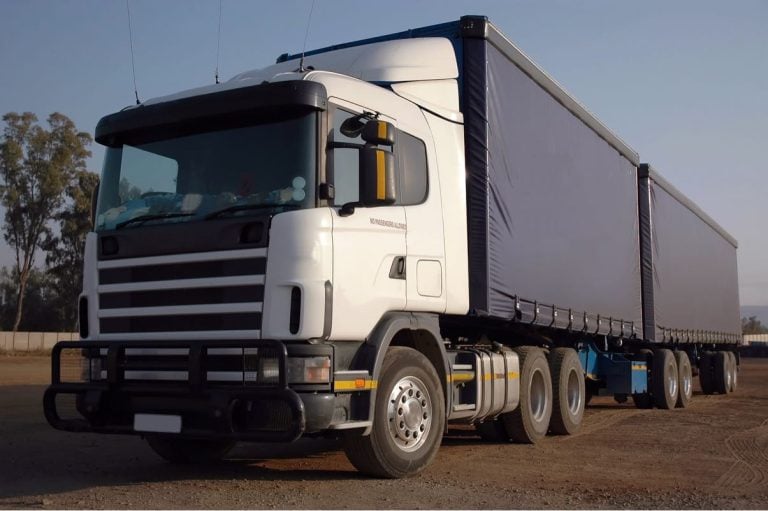
An open recall does not prevent transport. A recall is a repair obligation, not a prohibition, and carriers do not check recall status.
Declare it if the recall involves fire risk, because some carriers have policies about enclosed trailers, or if it is a stop drive order, which makes the car inoperable for loading and requires a winch equipped carrier. Those are covered in our page on fire risk recalls and what park outside means.
And do the lookup before the car ships rather than after. If a recall repair is needed, arranging it where you have a relationship with a dealer is easier than arranging it as a newcomer in a new state.
Common Questions
Is the recall repair free on a used car? Yes, at any franchised dealer, regardless of where you bought it, your warranty status or the mileage.
Why did nobody tell me? Notices go to the registered owner at the address on file, and each change of owner or address is a chance for the chain to break.
Should an open recall stop me buying? Rarely on its own. Several open recalls suggest an inattentive previous owner, which is the real signal.
What is a service campaign? A manufacturer fix for a non safety quality issue. It does not appear in a federal recall lookup and may not be free.
Can I ship a car with an open recall? Yes. Declare it only if it involves fire risk or is a stop drive order.
Get a Quote
Call Ship A Car, Inc. at (866) 821-4555 with both zip codes, your date range and any recall affecting driving, or price the move with the instant calculator.