Electric Trucks, Corn Growers and the EPA Emissions Fight
The argument over federal truck emissions standards is usually reported as trucking versus regulators, and that misses the most interesting party in it: the corn growers. American agriculture has spent two decades building an industry around liquid biofuels, and a rule that pushes freight toward battery electric power does not make those fuels cleaner. It makes them unnecessary. That is why the opposition to tighter standards has come from farm country as well as from fleets.
What the Standards Actually Do
The Environmental Protection Agency sets greenhouse gas and pollutant standards for heavy duty vehicles, tightening over successive model years. The standards do not mandate a particular technology. They set a fleet-wide emissions target that manufacturers have to meet across what they sell.
In practice, though, targets beyond a certain point are difficult to hit with combustion engines alone, so manufacturers meet them by selling a growing proportion of zero-emission vehicles. The rule is technology-neutral on paper and directional in effect.
Rules in this area have been revised, litigated and revised again, and the compliance years and targets move. Confirm the current standard with the EPA rather than relying on any summary, including this one.
Why Corn Growers Are in This Fight
Ethanol and biodiesel are agricultural products, and a very large share of the American corn crop goes to fuel.
The industry’s argument is that renewable liquid fuels reduce emissions using engines, refueling infrastructure and supply chains that already exist, at a fraction of the capital cost of electrifying freight. Higher blends and renewable diesel, on this account, deliver reductions now rather than in a decade.
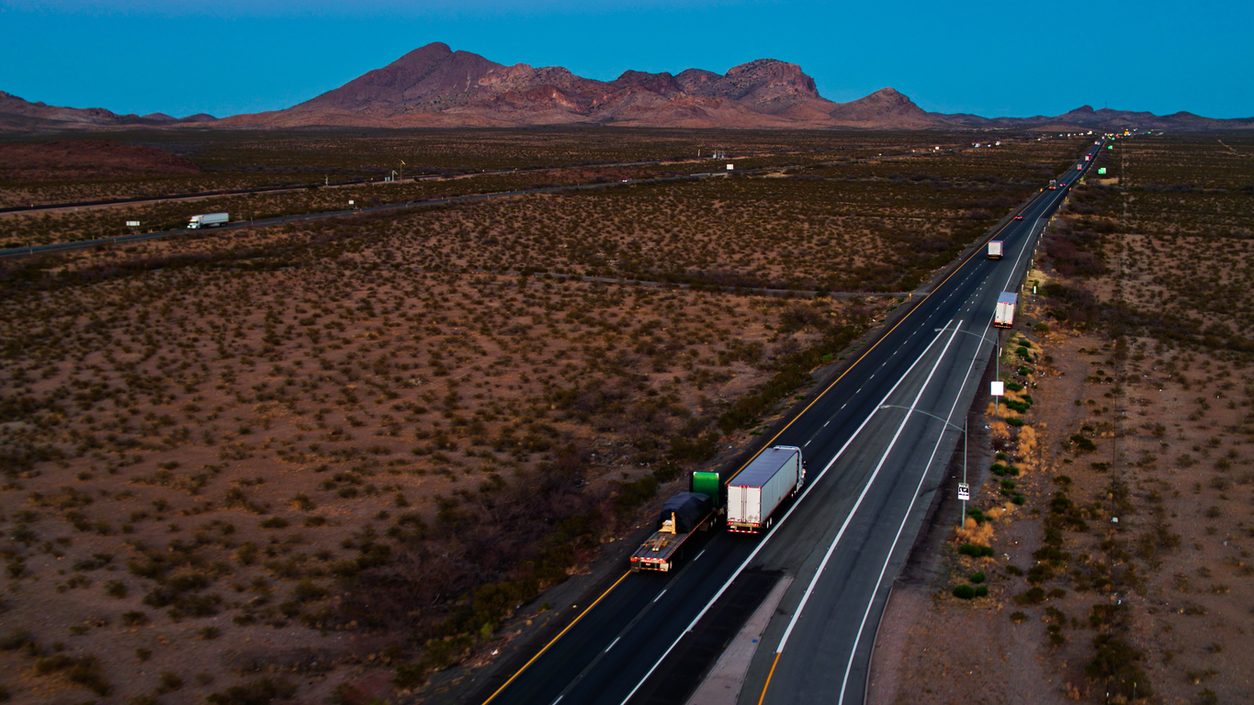
There is also a straightforward economic interest, and it is worth naming rather than pretending otherwise. If freight electrifies, demand for liquid fuel falls, and with it demand for the crop. That is an existential question for a lot of rural economies, and it explains the intensity of the lobbying better than any environmental argument does.
The counterargument from environmental groups is that the lifecycle emissions of crop-based fuels are considerably less favorable than the headline figures suggest once land use is counted, and that liquid biofuels are at best a bridge.
Where the Trucking Industry Sits
Fleets are not uniformly opposed, and their concerns are practical rather than ideological.
The issues are purchase price, charging infrastructure, range under load, and what a battery does to payload. A tractor carrying a large battery pack weighs more, and in a business governed by an 80,000 pound gross limit, weight taken by the battery is weight not available for freight. Federal rules allow some additional weight allowance for alternatively fueled vehicles, which helps but does not eliminate the problem.
Charging is the harder constraint. A truck stop full of chargers capable of turning long-haul tractors around quickly is a substantial grid connection, and those do not appear on the schedule a regulation assumes.
Where electric trucks do work today is drayage and regional distribution: predictable routes, return to base each night, charge overnight. That is a real and growing segment, and it is not the same thing as long haul.
The State Layer Complicates It Further
Federal standards are not the only rules in play, and in some markets they are not the binding ones.
California has historically set its own vehicle emissions rules under a federal waiver, and a group of other states has adopted them. When a state program moves faster than the federal one, manufacturers face two timetables at once, and fleets operating across state lines face equipment that is compliant in one market and not required in another.
That fragmentation is genuinely difficult for a national carrier. A fleet running coast to coast cannot easily maintain one specification for California drayage and another for everything else, so in practice the strictest applicable rule tends to set the purchasing decision. Waivers and state programs have themselves been litigated and reversed, which adds uncertainty on top of cost.
For anyone trying to predict where this lands, the state layer is the reason a clean federal answer would not settle it anyway.
What This Means for Shipping a Vehicle
Nothing dramatic in the short term, and two things over a longer horizon.
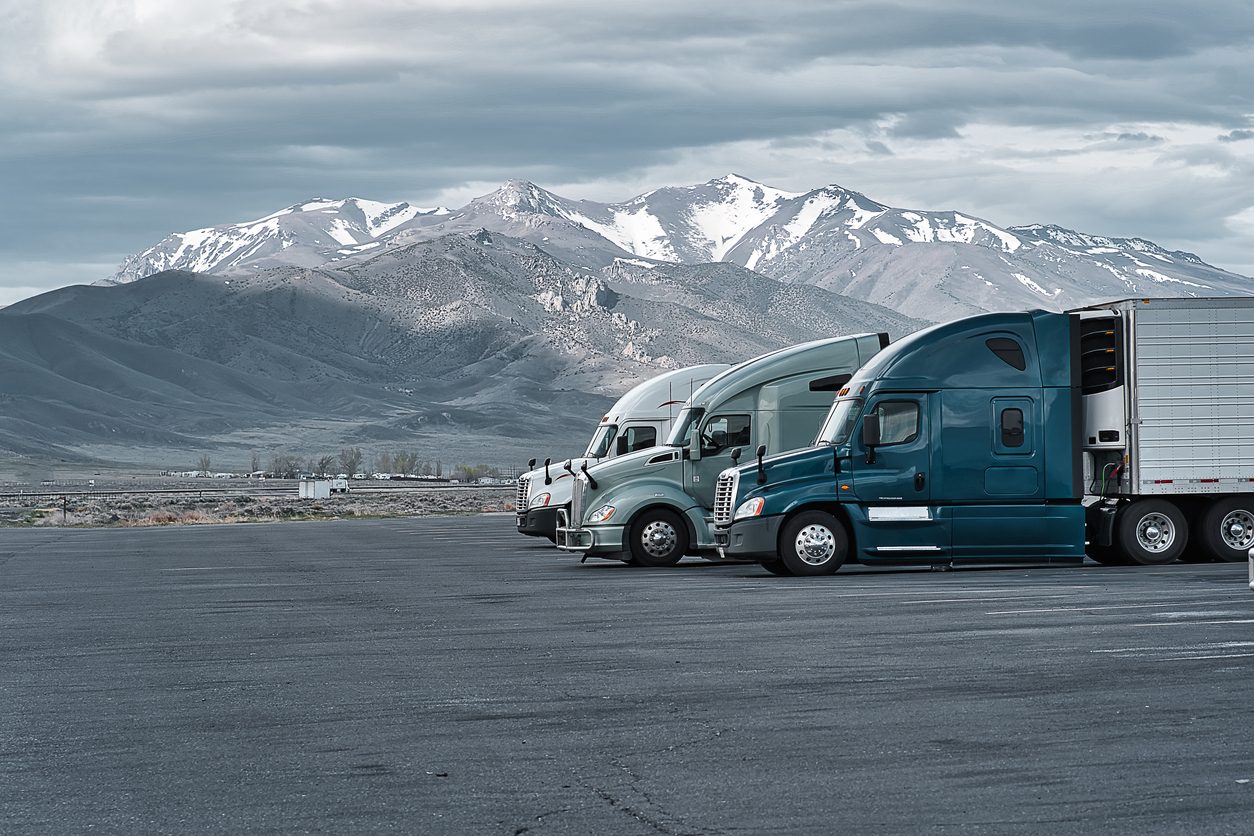
The first is cost. Equipment prices, compliance costs and fuel prices all reach your quote eventually, because carriers price to cover what a truck costs to buy and run. A tighter standard that raises the price of a new tractor works through to rates over years rather than months.
The second is that car haulers are among the last applications that will electrify. A loaded car hauler is long, heavy and runs irregular long-distance routes, which is close to the worst case for battery range and charging. Whatever happens in drayage, the truck carrying your vehicle across the country will be running on diesel for a long time yet.
How It Is Likely to Resolve
Probably not cleanly, and probably not soon.
The pattern so far has been standards set, challenged in court, revised, and set again, with the compliance dates moving. Both the agricultural and the trucking lobbies are effective, state-level rules add another layer that sometimes runs ahead of the federal one, and the underlying technology keeps changing the terms of the argument.
The realistic outcome is a mixed fleet for a long time: battery electric in short-haul and urban applications, renewable liquid fuels doing real work in the middle, and diesel continuing in exactly the heavy long-distance applications that move vehicles. Our explanation of how the freight market sets what you pay covers how costs like these reach a quote.
Common Questions
Do the EPA standards require electric trucks? No. They set fleet-wide emissions targets. Manufacturers choose how to meet them, and beyond a point zero-emission sales are the practical route.
Why do corn growers care? A very large share of the corn crop goes to ethanol. Electrification reduces liquid fuel demand, and with it demand for the crop.
What is the trucking industry’s main objection? Purchase price, charging infrastructure, and battery weight eating into payload under an 80,000 pound gross limit.
Where do electric trucks already work? Drayage and regional distribution, where routes are predictable and the truck returns to base to charge overnight.
Will my car be shipped on an electric truck? Not for a long time. Car haulers are long, heavy and irregular, which is the hardest case for battery range.
Get a Quote
Call Ship A Car, Inc. at (866) 452-3657 for heavy haul and specialized freight, or price a move with the specialized transport calculator.