Warren Buffett’s Legal Battle Over Truck Stops and Why It Matters
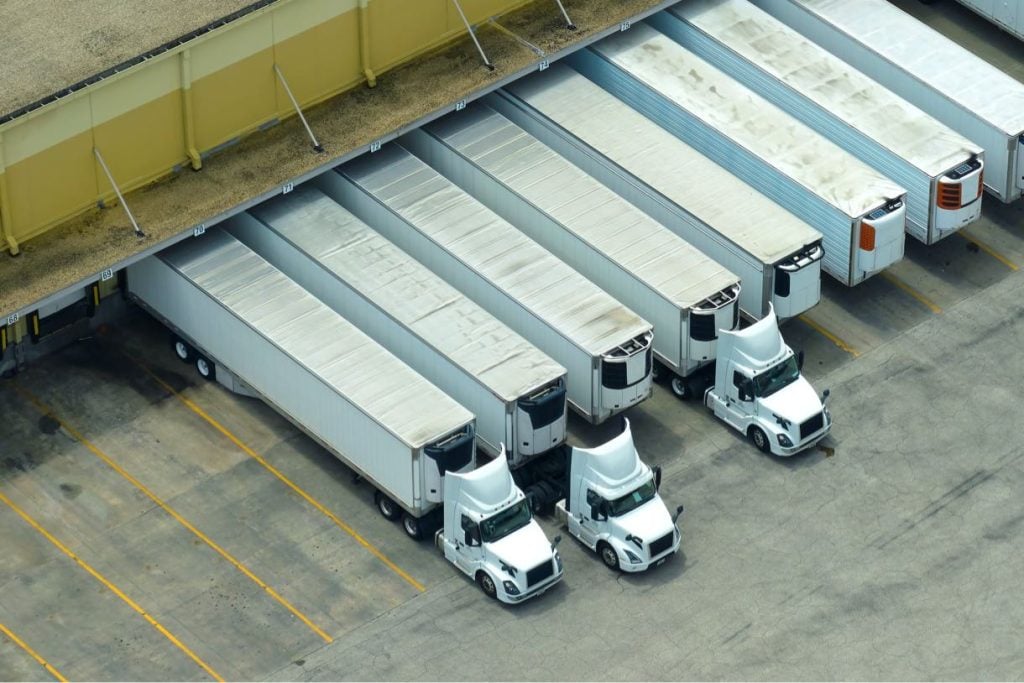
Berkshire Hathaway’s acquisition of Pilot Travel Centers produced a legal fight over how the final tranche was valued, and underneath the corporate dispute sits something that genuinely affects freight: the largest truck stop network in North America changed hands. Truck stops are where drivers fuel, rest and take mandatory breaks, and their availability shapes how far a load moves in a day.
What the Dispute Was About
Berkshire acquired its stake in Pilot in stages, moving to majority ownership and then to full control. The disagreement with the Haslam family, Pilot’s founders, concerned how the price for the final tranche should be calculated.
The mechanism turned on the accounting method used to value the business at the point of the final purchase. A change in method materially changed the number, and litigation in Delaware followed, with allegations traded in both directions before the parties settled.
The technical detail matters less than the outcome: Berkshire ended up owning Pilot outright. For anyone moving freight, that is the fact with consequences.
Why Truck Stops Matter More Than People Think
They are not simply gas stations for large vehicles.
Federal hours of service rules require drivers to take breaks and a daily rest period, and that rest has to happen somewhere legal and safe. A truck stop is where that occurs. It is also where fuel, showers, food, weigh scales and repair services are.
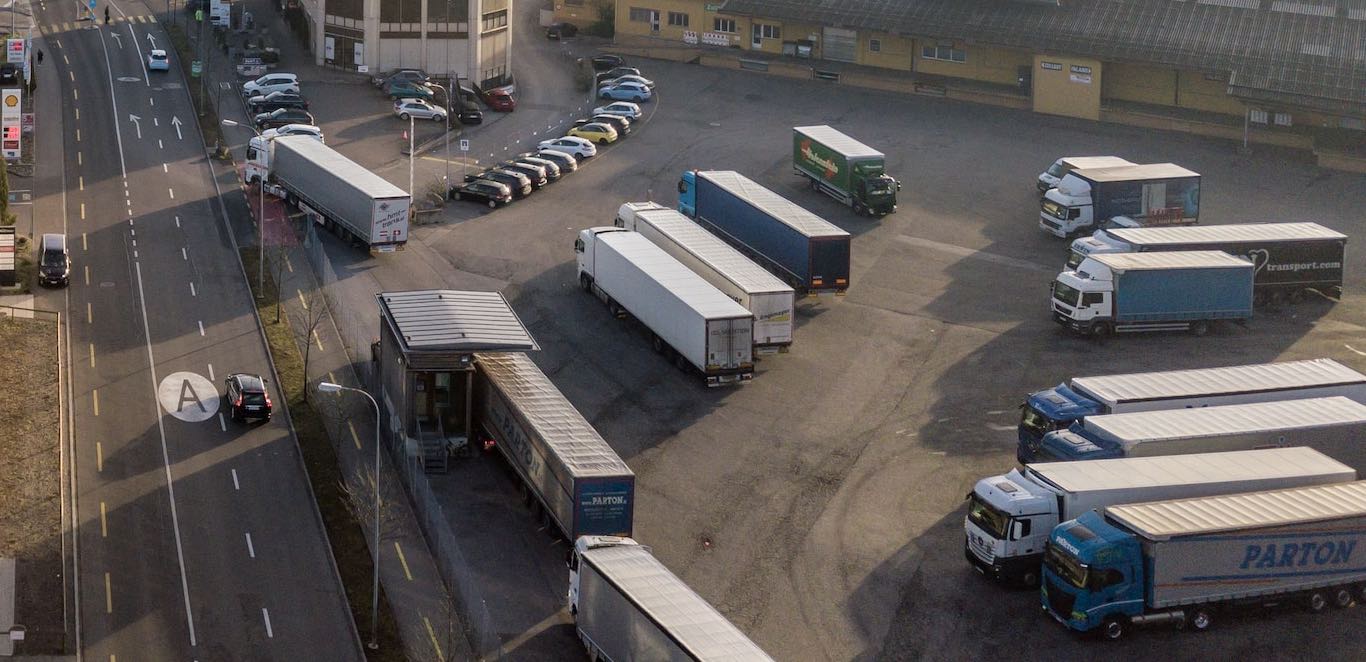
The binding constraint is parking. There is a well-documented and long-standing shortage of truck parking in the United States, and it has real consequences: drivers stop earlier than they need to in order to secure a space, which wastes available driving hours, or they run later looking for one and end up parked somewhere unsafe.

Studies have repeatedly found drivers losing a meaningful share of their available on-duty time to the search for parking. That is capacity the industry pays for and does not use.
How Big the Shortage Actually Is
The numbers are worth stating because they explain why this is not solved by anyone building one more site.
Federal assessments have repeatedly found roughly one parking space available for every eleven trucks on the road, and the shortage is not evenly distributed: it concentrates precisely where freight volume is highest, along the busiest interstate corridors and around major metropolitan areas where land is most expensive.
Surveys of drivers consistently place parking among the industry’s most serious problems, ahead of many issues that receive far more attention. Estimates of time lost to searching typically land around an hour of a driver’s day, which across the national fleet is an enormous amount of legally available driving time simply consumed.
There is a safety dimension too. Crashes involving vehicles parked on interstate shoulders and ramps are a recognized category, and they happen because a driver ran out of legal hours with nowhere compliant to stop. The hours of service rules are not flexible about that: once the clock is out, the driver must stop wherever they are.
Why Nobody Simply Builds More
Because the economics and the politics both point the wrong way.
A parking space generates little direct revenue. Truck stops make money on fuel, food and services, so parking is a cost that supports those rather than a product in itself, which caps how much any operator will build.
Land near major interchanges is expensive precisely where the need is greatest. And proposals attract local opposition reliably, on noise, traffic and appearance, so permitting is slow even where an operator wants to proceed.
Meanwhile several states have closed public rest areas to save operating budget, removing capacity that was never commercially viable but was genuinely used. The result is a slow structural squeeze rather than a crisis anyone can point at.
How Ownership Changes Anything
Concentration is the honest concern rather than any particular owner.
The truck stop sector is dominated by a small number of networks. When one of them is wholly owned by a large diversified holding company, decisions about where to invest, which sites to expand and how to price fuel are made against that company’s capital allocation rather than as an independent operator’s growth plan.
That can go either way. Deep capital can fund expansion of exactly the parking capacity the industry lacks, and Berkshire’s stated approach is generally to leave operating businesses to run themselves. Equally, a network with less competitive pressure has less reason to compete on fuel price or amenities.
What is not in dispute is that fuel purchasing at this scale affects diesel pricing for carriers, and diesel is the fastest-moving input cost in the industry.
What Reaches Your Shipment
Three connections, none of them dramatic individually.
Hours actually used. A driver who finds parking efficiently covers more ground legally. Parking availability is a real determinant of transit times, which is part of why a delivery estimate is a range rather than an appointment.
Fuel cost. Network fuel pricing feeds carrier costs, and carrier costs feed rates over time.
Route choice. Carriers plan around known stops with reliable parking. That is one of the quieter reasons a route is not simply the shortest line between two points.

The Parking Problem Is the Real Story
If there is one thing worth taking from this, it is that the shortage is a policy failure rather than a business one.
Truck parking has been identified as a national priority repeatedly, and federal infrastructure programs have funded some capacity. It remains far short of demand, because parking is expensive to build, generates little revenue directly, and attracts local opposition wherever it is proposed.
Private networks build where the economics work. Public rest areas have in some states been reduced rather than expanded. The gap is filled by drivers parking on ramps and shoulders, which is unsafe for them and for everyone else.
That is the constraint sitting behind a great deal of what looks like scheduling imprecision in freight. Our explanation of how the freight market sets what you pay covers the other pressures on the same system.
Common Questions
What was the Buffett dispute about? How the final tranche of Pilot Travel Centers was valued, turning on the accounting method used. Berkshire ended up owning Pilot outright.
Why do truck stops matter? Federal rules require drivers to rest, and truck stops are where that legally happens, along with fuel, scales and repairs.
What is the parking shortage? There are far fewer safe legal spaces than drivers need, so time is lost searching and some park in unsafe places.
Does ownership affect my shipment? Indirectly, through fuel pricing and investment in parking capacity, both of which affect carrier costs and transit times.
Why is my delivery date a range? Partly this. Hours of service plus parking availability determine how far a truck legally travels in a day.
Get a Quote
Call Ship A Car, Inc. at (866) 821-4555 with both zip codes and your date range, or price the move with the instant calculator.