Snowbirds Returning to Canada: What Happens to Your Vehicle at the Border
The single most useful thing a returning Canadian snowbird can know is that a car you drove out of Canada is not an import when it comes back. It is a returning Canadian good, and there is no duty on it. The complications start only if you bought a vehicle while you were south, and those complications are substantial enough to be worth understanding before you buy rather than after.
Here is how each case works, and what to have ready.
Case One: The Car You Took With You
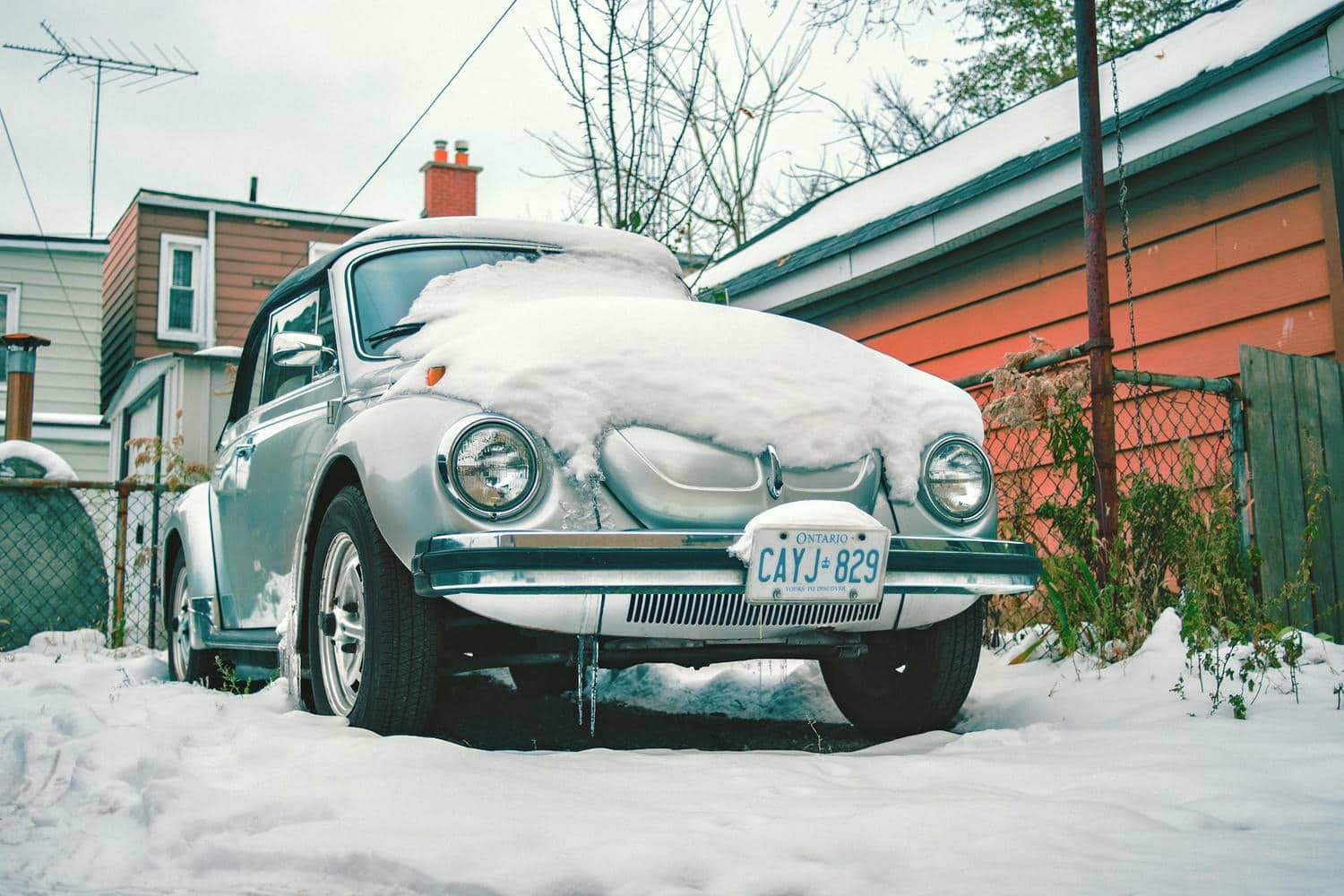
If the vehicle is Canadian registered and you took it south for the season, bringing it home is straightforward. It has not changed ownership and it has not been imported, so no duty or import process applies.
What the Canada Border Services Agency will want is proof that it is what you say it is. Carry the Canadian registration and proof of insurance, and be able to state when you left. If you had significant work done in the United States, keep those receipts, because parts and repairs performed abroad can be treated separately from the vehicle itself.
This holds whether you drive it home or ship it. If you ship, the paperwork travels with the vehicle rather than with you, so the carrier needs copies of the registration and your identification before it moves.
Case Two: A Vehicle You Bought in the United States
This is a genuine import and the process has real teeth. It catches people who assumed a cheaper American sticker price was the whole story.
The vehicle has to be admissible in the first place. Transport Canada publishes a list of which United States market vehicles can be imported, and not every model qualifies. Check the specific year and model before you hand over money, because a vehicle that is not on the list cannot be registered in Canada at any price.
Then there is the Registrar of Imported Vehicles program. Most vehicles imported from the United States enter through it: you complete the customs form at the border, pay the program fee, and have the vehicle inspected and any Canadian requirements met within the allowed window before it can be registered provincially.
You will also need a recall clearance letter from the manufacturer confirming there are no outstanding recalls, and United States Customs requires the title to be presented at the port of export before the vehicle leaves, with notice given in advance. That advance notice requirement is the step most often missed, and missing it means the vehicle does not cross that day.
Finally, expect tax. Federal tax applies on the value at import and provincial tax applies at registration, both calculated on the vehicle’s value rather than on what you paid for it.
Tariffs and Surtaxes Change, So Check Before You Travel
Trade measures between the two countries have been active and changeable, and both the rates and the lists of affected goods have moved more than once.
Because of that, the only responsible advice on specific numbers is to check the Canada Border Services Agency and the Department of Finance Canada directly, close to the date you plan to cross. Anything written months earlier, including this page, should not be relied on for a rate.
What has not changed is the mechanism. Personal exemptions apply after set periods away, goods above the exemption are assessed, and where a surtax applies it is normally calculated on value and on the country where the goods were made rather than where you bought them. Keep receipts, and keep anything showing country of origin, because that is what determines the treatment.
Practical Preparation
Whether you drive or ship, the same short list prevents most problems.
Keep registration, insurance and identification together and accessible rather than packed. Photograph the vehicle in daylight before it moves, including the wheels, lower bumpers and rocker panels, plus the odometer. Keep receipts for any purchases of consequence and for any repairs done in the United States.
Check your insurance covers the whole period rather than assuming it does. Canadian auto policies generally extend to travel in the United States, but some limit the number of consecutive days out of country, and a policy that lapses on day 120 of a 150 day stay is a problem you want to find in September and not in February.
If the car has been standing for four or five months, deal with that before it goes anywhere: check tire pressures, expect a weak battery, and look at the brakes, since rotors corrode when a car sits, particularly in coastal humidity.
Shipping Rather Than Driving It Home
A lot of returning snowbirds ship one vehicle and fly, which avoids a three or four day drive at the end of a season.
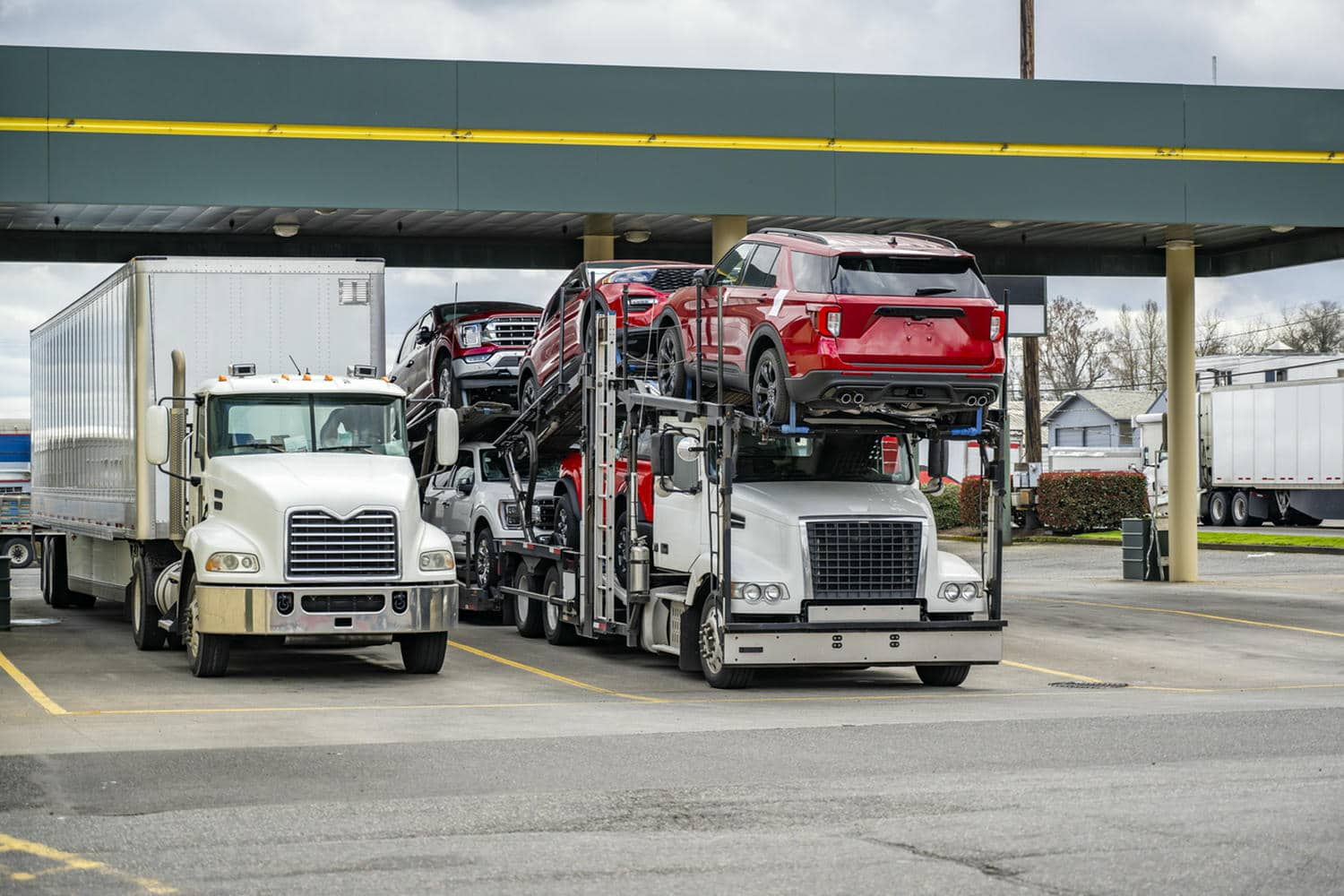
Book three to four weeks ahead for the March to May northbound wave, which is the heaviest window of the year on the routes out of Florida and Arizona. Be honest about access at the collection end, since gated seasonal communities frequently cannot admit a 75 foot hauler and a meeting point nearby is the normal answer.
For the border crossing itself, our guide to international car shipping covers the documentation in more detail.
Common Questions
Do I pay duty on the car I drove down? No. A Canadian registered vehicle returning home is a returning Canadian good, not an import.
What if I bought a car in the United States? That is a real import. Check Transport Canada admissibility first, then expect the Registrar of Imported Vehicles process, a recall clearance letter, export notice to United States Customs, and tax at import and registration.
What is the current surtax rate? It has changed more than once. Check the Canada Border Services Agency and Department of Finance Canada close to your travel date rather than relying on any article.
What documents should I keep? Registration, insurance, identification, receipts for purchases and for United States repairs, and anything showing country of origin.
When should I book northbound transport? Three to four weeks ahead between March and May, which is the busiest return window.
Get a Quote
Call Ship A Car, Inc. at (866) 821-4555 with both addresses and your date range, or request an estimate for the move through the quote calculator.