Washington Heavy Equipment Shipping
Washington is really two shipping environments separated by a mountain range, and which side you are on changes the route, the season and the risk. West of the Cascades is dense, wet and constrained by the Puget Sound corridor. East of them is open, dry and agricultural. The passes between the two close in winter, and a heavy load caught on the wrong side waits.
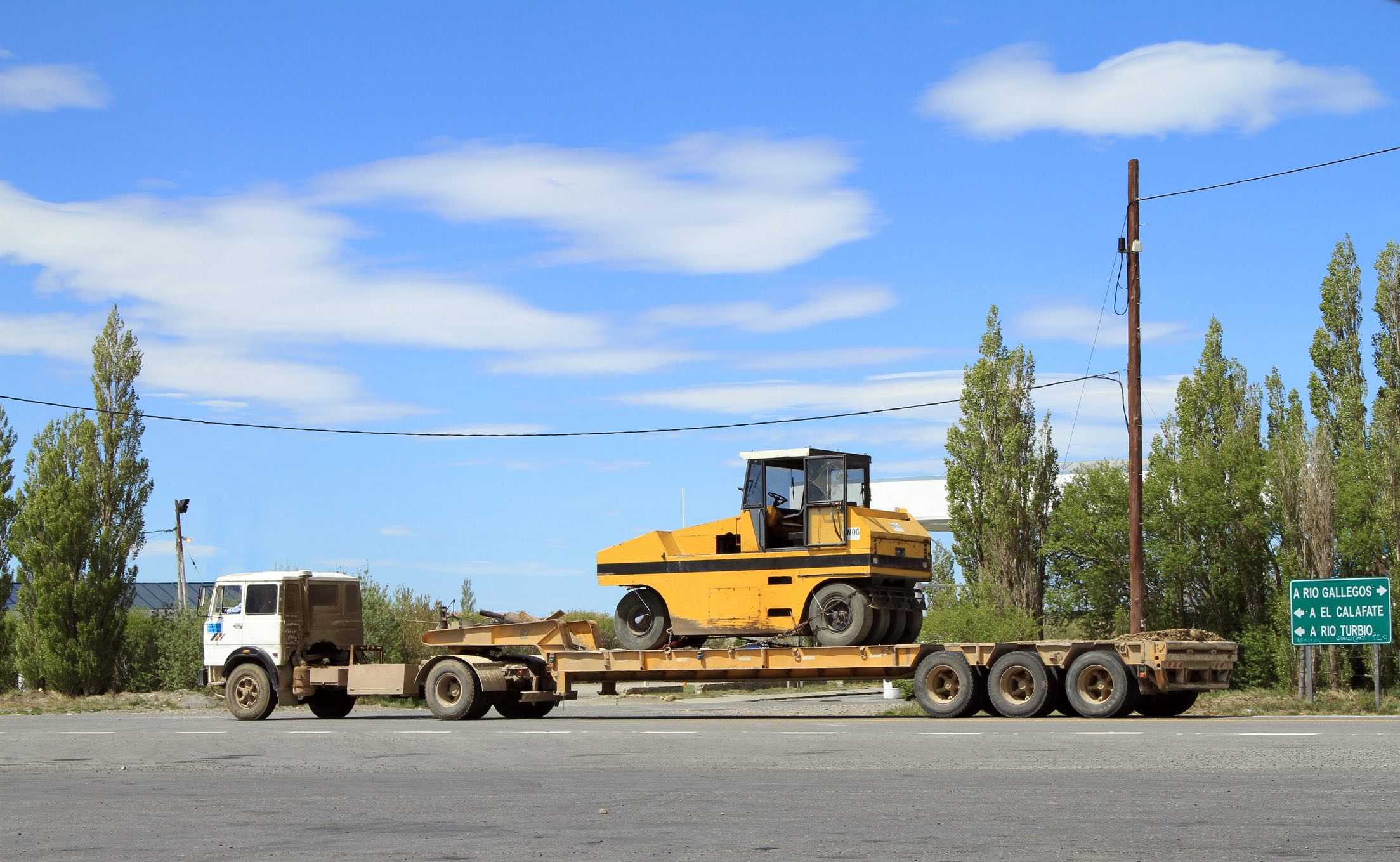
The Legal Limits
Washington follows the standard figures, so start there.
Maximum width is 8 feet 6 inches, maximum height is 14 feet on most state highways, and gross weight is capped at 80,000 pounds with 20,000 on a single axle and 34,000 on a tandem. Interstate highways carry their own federal limits.
Height includes the trailer. A flatbed deck sits around 5 feet off the road, so a 9 foot machine is at 14 feet before anybody has measured the cab or the exhaust. A step deck buys roughly a foot and a lowboy considerably more, which on many machines is the difference between permitted and legal.
Permits and Escorts
Past any of those limits the load needs an oversize or overweight permit from the Washington State Department of Transportation, issued against a specific machine, a specific configuration and a defined route.
Routine permits are normally issued quickly. Wider loads bring pilot cars into the picture, with the thresholds set by the state and varying with the road, and the largest loads require engineering review of the structures on the route.
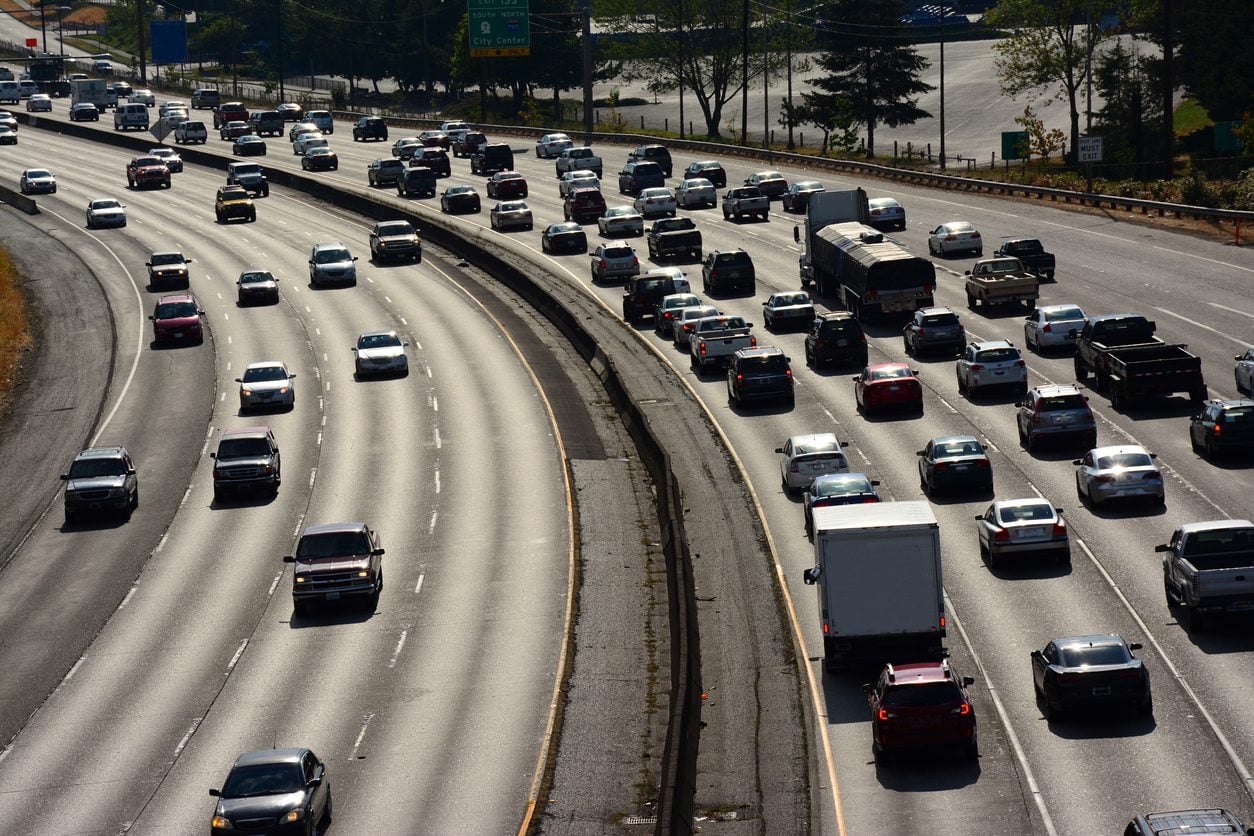
The Puget Sound region adds its own constraints. Movement through the Seattle and Tacoma corridors is restricted during peak hours, and permitted loads on I-5 through the city are effectively limited to a narrow working window. Plan a departure that clears the metropolitan area before the morning peak.
The Passes Set the Schedule
This is the part that catches carriers who have not run Washington in winter.
Snoqualmie Pass on Interstate 90 is the main crossing between the Puget Sound region and eastern Washington, and it closes. Stevens Pass on US 2 and White Pass on US 12 are the alternatives and they close more readily. When Snoqualmie shuts, the practical detour is south through the Columbia River Gorge, which can add hundreds of miles.
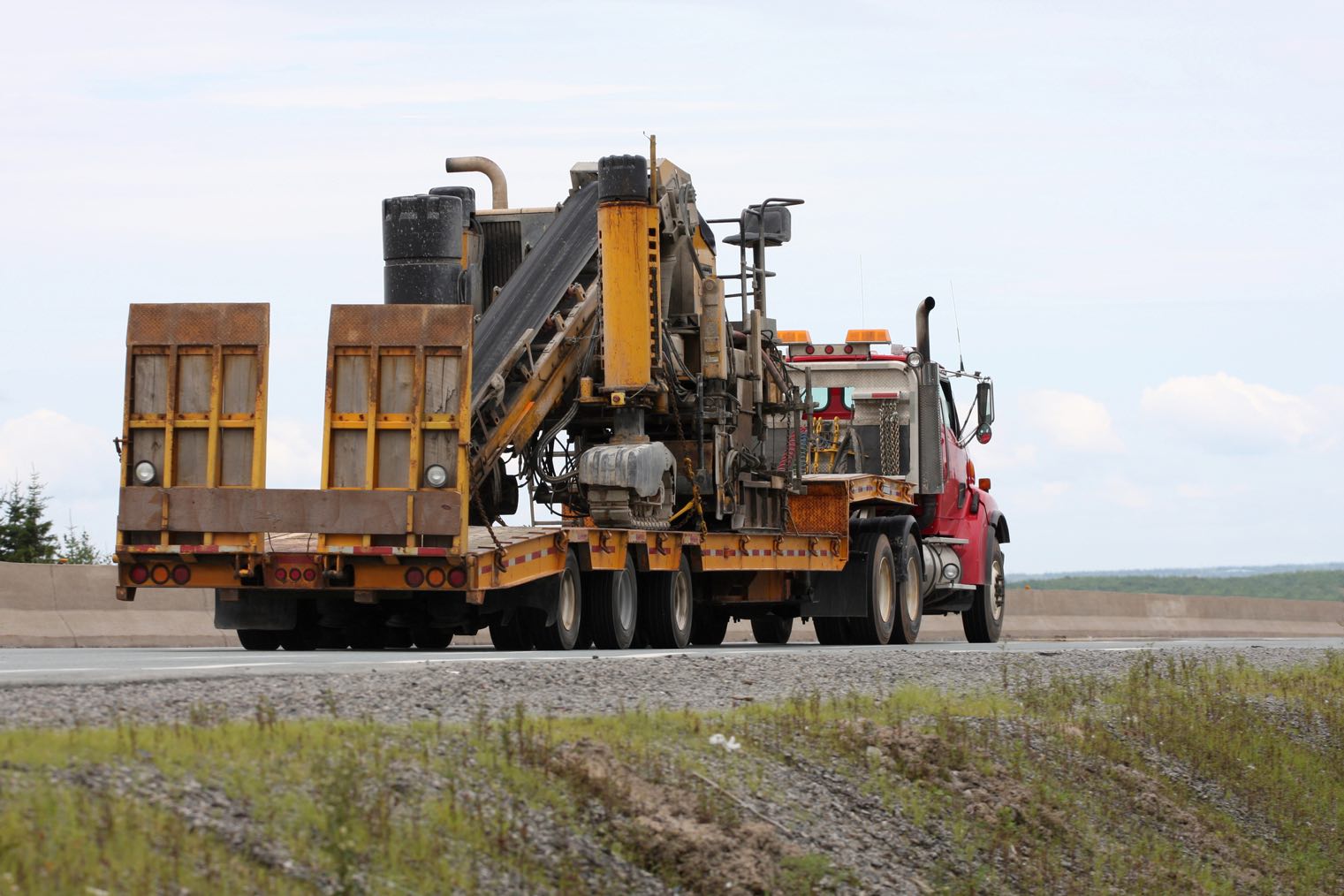
Chain requirements apply on the passes through the winter, and permitted loads are frequently prohibited outright during restrictions rather than merely slowed. From November through March, treat any schedule that crosses a pass as conditional.
The Columbia River Gorge on I-84 and SR 14 is the low elevation alternative and it stays open more reliably, but it has its own hazard: the Gorge funnels wind, and high wind stops wide loads. A tall or wide load through the Gorge in a wind event does not move.
What Moves on Each Side
The two halves of the state generate different work.
West of the Cascades, construction dominates around Seattle, Tacoma and Everett, moving excavators, dozers, cranes and paving equipment between sites and rental yards. Aerospace and marine industry around Everett and the Sound produce specialized and occasionally very large one off loads. Forestry equipment moves throughout the Olympic Peninsula and the southwest of the state.
East of the Cascades it is agriculture: tractors, harvesters, sprayers and orchard equipment across the Columbia Basin and the Yakima and Walla Walla valleys. Most of that is wide rather than heavy, which means permits and escorts driven by width, and it clusters hard around planting and harvest.
Wind energy in the eastern part of the state produces superloads: blades well past 150 feet, tower sections and nacelles, planned months ahead with route surveys and engineering review.
Ports Add a Third Pattern
Seattle and Tacoma are major container ports and Vancouver on the Columbia handles substantial breakbulk, including project cargo and machinery.
Equipment arriving by sea has to clear and then move inland, which brings port drayage, terminal appointment systems and customs timing into a schedule that is otherwise about roads. If your machine is coming through a port, the terminal is usually the constraint rather than the highway.
Choosing the Trailer
The machine picks the trailer rather than the other way round.
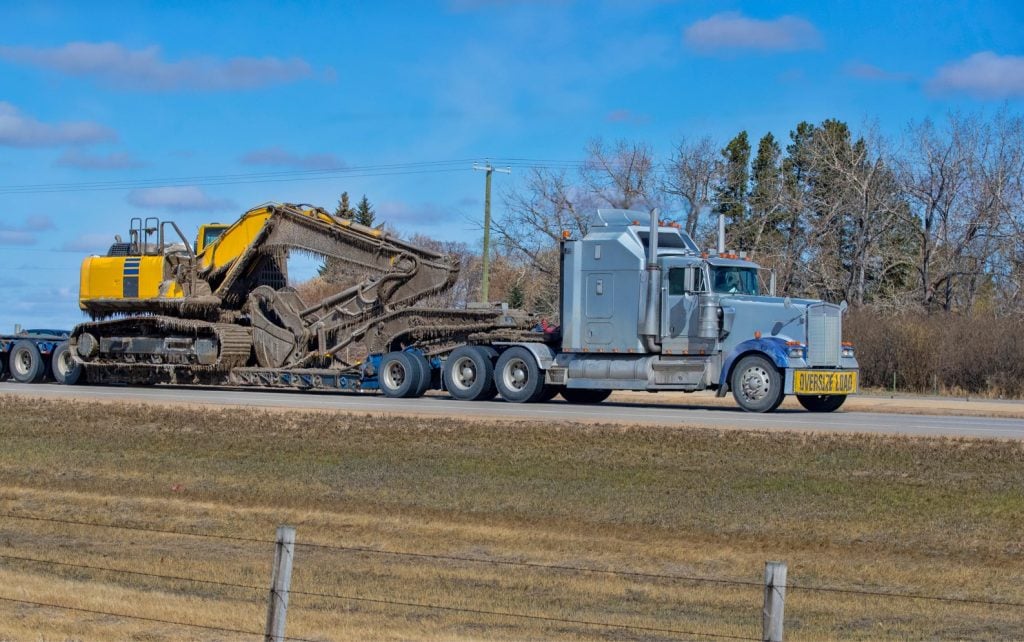
A flatbed suits smaller equipment such as skid steers, mini excavators and attachments. A step deck lowers the deck about a foot and handles mid size machines. A lowboy or removable gooseneck drops it further and is what large dozers, excavators and cranes travel on. Multi axle and stretch configurations spread weight to satisfy the federal bridge formula, which limits what can sit within a given axle spacing regardless of the gross figure.
Preparing the Machine
Give an accurate weight from the manufacturer’s specification or a certified scale, and include everything traveling with it. Counterweights, attachments, full tanks and fluid filled tires all add weight that is invisible from outside. Give the measured height from the ground to the highest fixed point rather than the brochure figure.
Then reduce the envelope where you can. Removing a counterweight, lowering or removing a boom, taking off a bucket or swapping wide pads can bring a load under a threshold and save a permit, an escort and the routing restrictions that come with both.
Clean the tracks and tires thoroughly. In a wet climate a machine coming off a site carries a great deal of material, and that is weight you pay for and a hazard on the road. Secure or remove anything loose, drain what needs draining, and photograph the machine in daylight from every side before it loads, including the undercarriage and the hour meter. Our guide to shipping forestry equipment covers the off road access problem in more depth.
Common Questions
What is the legal height in Washington? 14 feet on most state highways, with interstates following the federal limit. Remember the trailer deck counts.
Which pass should my load use? Snoqualmie on I-90 is the main crossing. When it closes, the detour is usually the Columbia River Gorge, which adds significant mileage.
Does wind really stop loads? Yes. The Columbia River Gorge funnels wind and a wide or tall load does not move through it in a wind event.
When is the worst time to schedule? November through March if the route crosses a pass, and around planting and harvest for agricultural equipment east of the Cascades.
Are there city restrictions? Yes. Permitted movement through the Seattle and Tacoma corridors is restricted at peak hours, which narrows the working day.
Get a Quote
Call Ship A Car, Inc. at (866) 452-3657 for heavy haul and specialized freight with the machine’s make and model, its measured width, height and weight, and both site addresses, or price it with the specialized transport calculator.