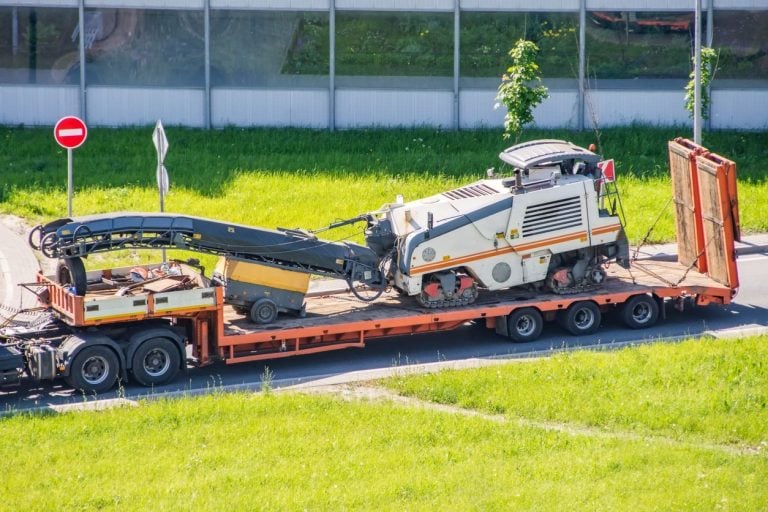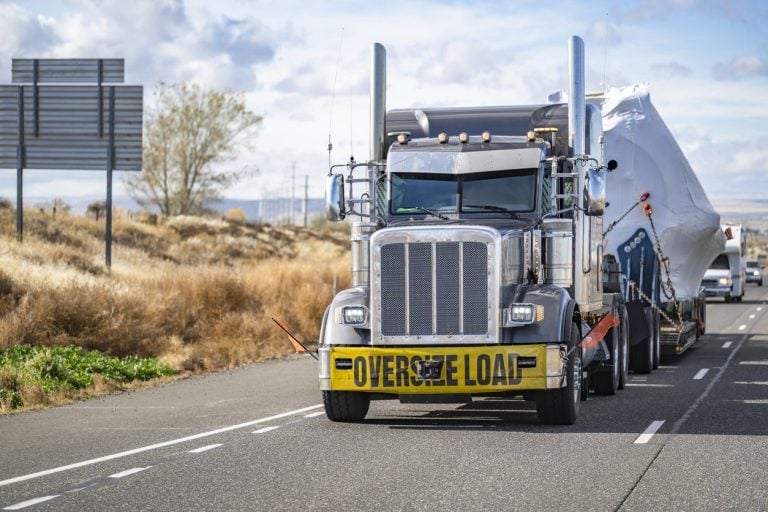
How to Prepare Heavy Equipment for Shipping
Preparing a machine for transport is mostly about two things: making it smaller and making it safe to secure. Everything else follows. A machine that fits inside legal limits avoids permits, escorts and daylight-only movement, and one that is properly drained, secured and documented does not create problems at the weigh station or in a damage dispute.
Here is the sequence, in the order it should be done.
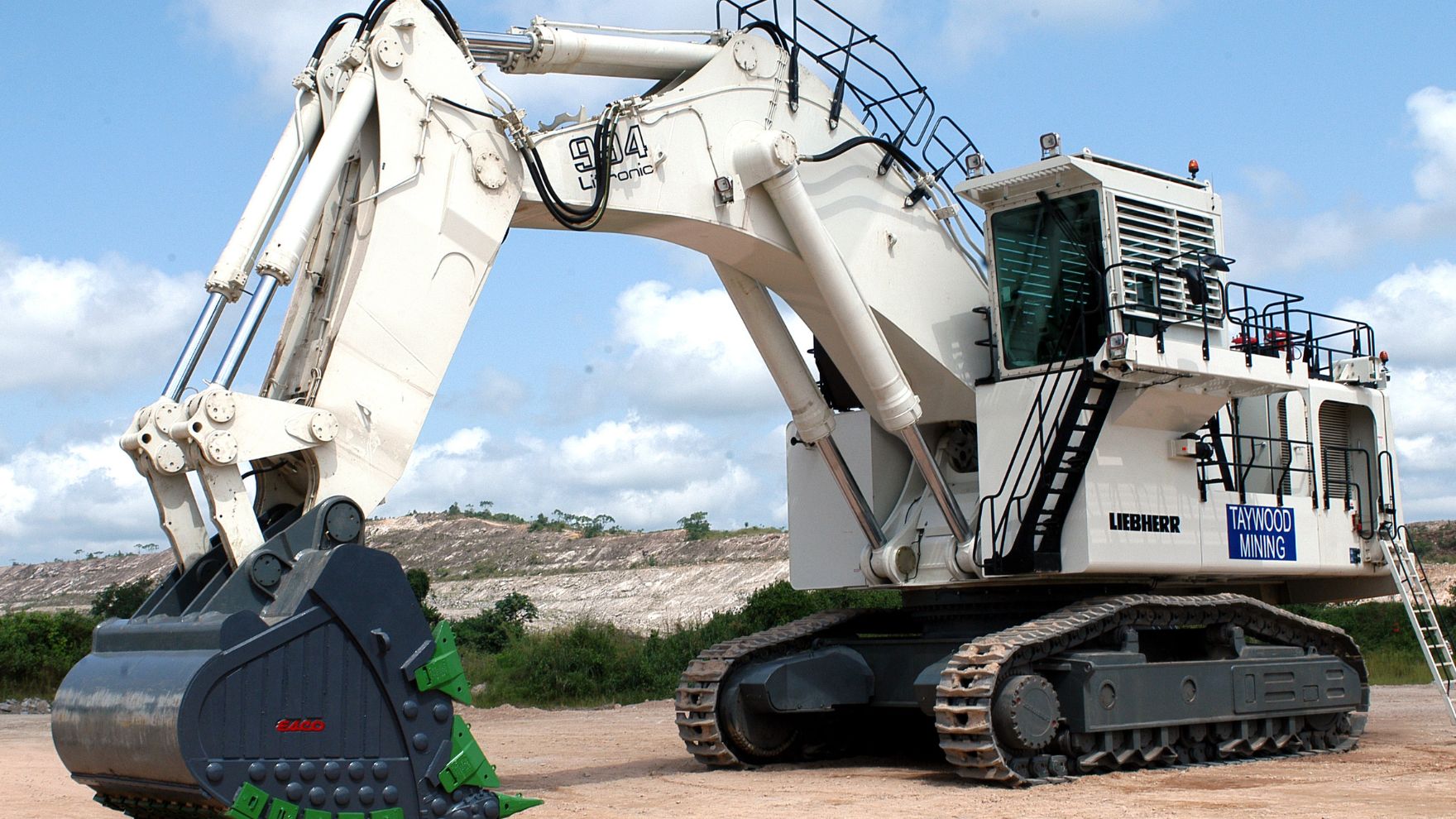
First: Measure, Do Not Look It Up
Brochure figures are the single most common cause of a load being stopped. They describe the machine as configured at the factory, not as it stands in your yard with a different bucket, taller pads, an aftermarket cab guard or a beacon on the roof.
Measure the width at the widest point and the height at the highest fitted point, and get the weight from the plate or a certified scale. Include everything traveling with the machine: counterweights, attachments, full tanks and fluid filled tires all add weight that is invisible from outside.
Remember that legal height includes the trailer. A flatbed deck sits around five feet off the road, so a nine foot machine is already at fourteen feet before anyone measures the cab.
Second: Reduce the Envelope
This is where the money is, and it usually takes an afternoon.
Removing an attachment, folding or detaching a header, dropping a boom, taking off counterweights or swapping wide pads for narrower ones can bring a load under a threshold. Under the threshold means no permit, no escort vehicles, no daylight-only restriction and no route survey. Those four together frequently cost more than the transport itself.
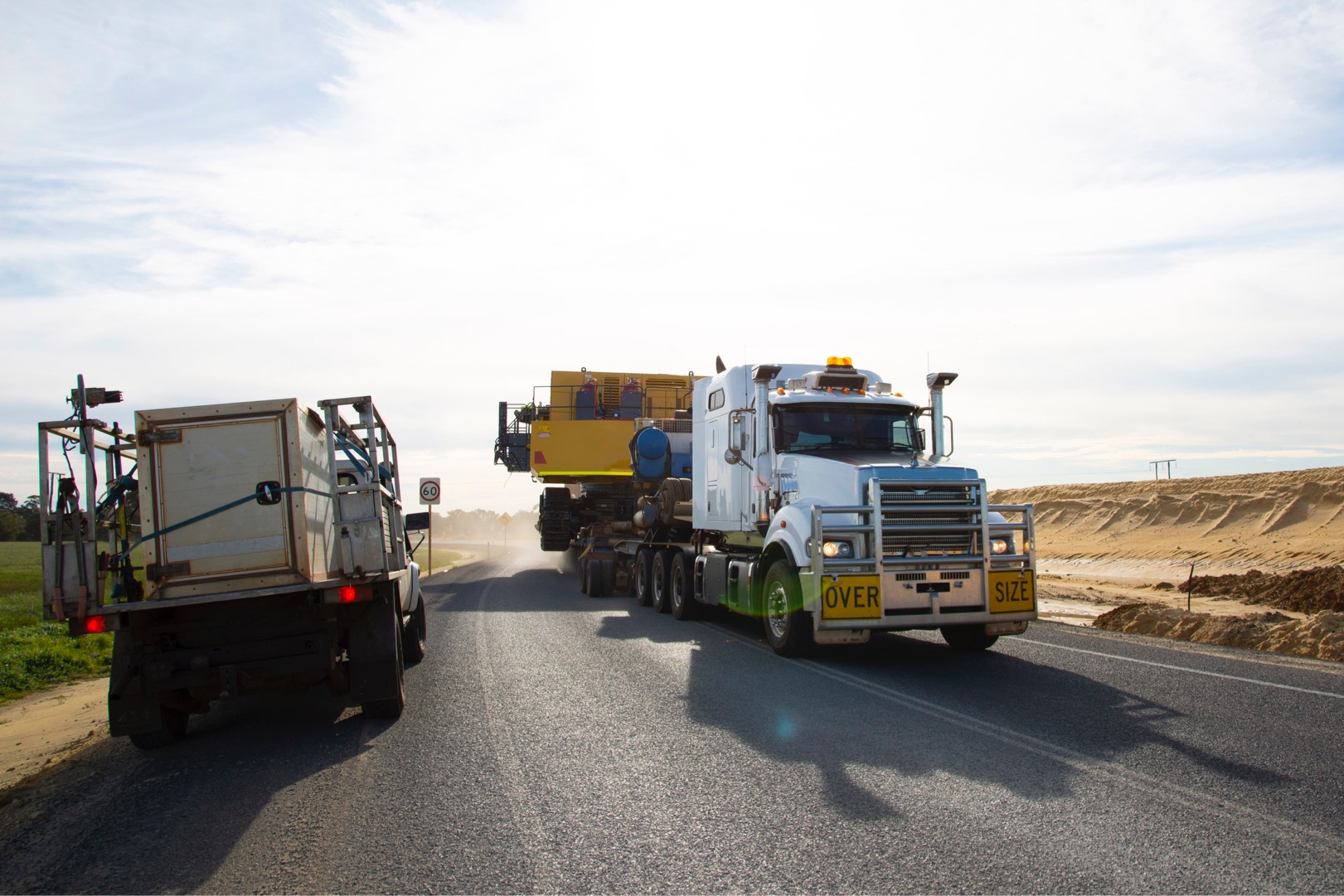
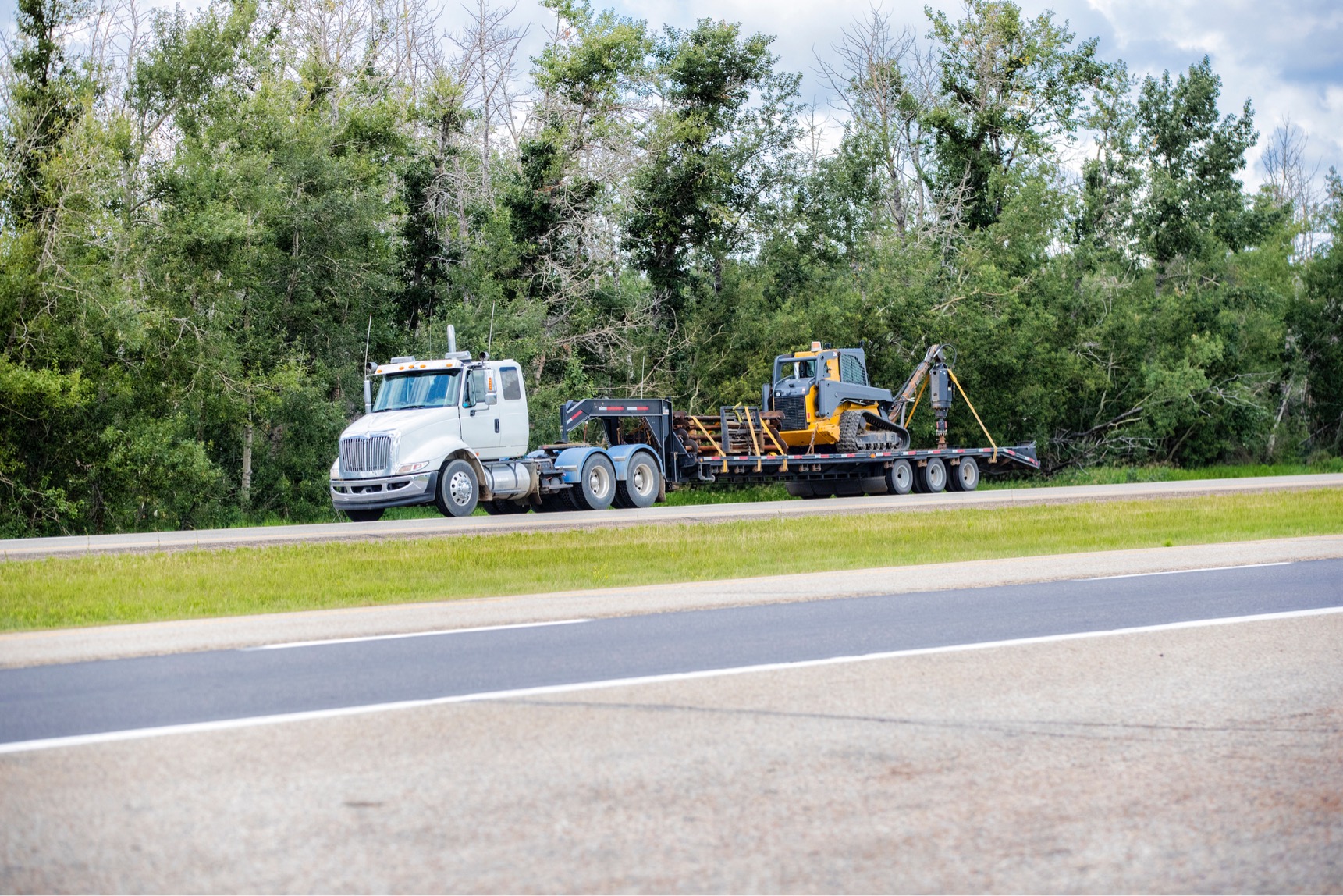
If an attachment has to travel, it usually ships better on its own on the same trailer than bolted to the machine, because it can be laid flat rather than adding height.
Third: Make It Safe to Carry
Drain what needs draining and top up what needs to be full. Fuel is usually taken down to a quarter, hydraulic reservoirs left at working level. Check for leaks and fix them: a machine dripping hydraulic oil onto a highway is a road hazard and will be refused.
Secure everything that moves. Lower and pin booms, buckets and blades. Lock the cab, secure the doors and windows, retract or remove antennae and mirrors, and disconnect the battery if the carrier asks. Anything loose in the cab comes out.
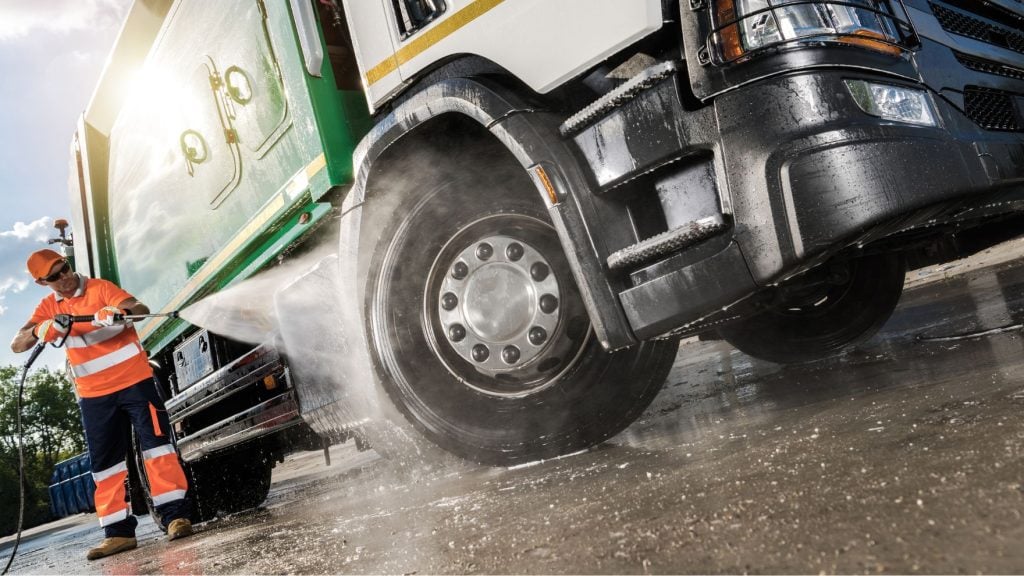
Clean the tracks and tires. Carried soil is weight you are paying to move, it falls onto the road in transit, and in some states it is an agricultural issue as well as a safety one.
Fourth: Document It Properly
Photograph the machine in daylight from every side before it loads, including the undercarriage, the glass, the cab interior and the hour meter. Photograph existing damage specifically and close up.
Then get existing damage described on the bill of lading in words, not as “general wear”. A dispute about a cracked window is settled by a photograph and a written note, and lost by neither.
Record the hour meter reading. It is the equivalent of an odometer photograph on a car and it is the fastest way to establish that a machine was not operated in transit.
Attachments and What Travels Separately
Deciding what stays on the machine is part of the planning rather than an afterthought.
An attachment left fitted adds width, height or length and can push an otherwise legal load into permit territory. Removed and laid flat on the same deck, it usually adds nothing to the envelope at all. Buckets, forks, hammers and cutting heads are the usual candidates.
Counterweights are the other. On larger excavators and cranes they are designed to be removed, and taking them off can bring a load under an axle limit that would otherwise require a multi axle configuration.
Whatever travels separately still has to be secured and documented. Give its weight and dimensions too, because it is part of the load even when it is not part of the machine.
Fifth: Describe Both Sites Honestly
Ground conditions decide whether loading is straightforward or needs a crane, and a crane discovered on the day is an expensive surprise.
Say what the surface is at each end, whether it is level, whether there is room to maneuver a combination that may be seventy to a hundred feet long, and whether overhead cables or gantries cross the approach. Say whether the machine drives on under its own power or has to be winched.
Which trailer the job needs follows from all of the above, and that is covered in our page on trailer transport for heavy equipment, along with the permit thresholds that the envelope work is trying to stay under.
A final note on timing. Permitted heavy haul moves are planned in weeks, not days, because permits, escorts and route surveys all have lead times that cannot be compressed by paying more. Start the conversation as soon as the machine is sold or the site date is set.
Give the carrier the machine’s serial number as well as the hour meter reading. It is the equivalent of a VIN, it appears on the bill of lading, and it is what makes a specific machine identifiable if anything is ever disputed.
Common Questions
Why not use the brochure dimensions? They describe the factory configuration, not your machine with its current attachments and pads.
What saves the most money? Reducing the envelope below a permit threshold. That removes permits, escorts and movement restrictions together.
How much fuel should be left? Usually about a quarter. Confirm with the carrier, since some machines have their own requirements.
Does the machine need cleaning? Yes. Carried soil is weight, a road hazard and in some states an agricultural problem.
What should I photograph? Every side, the undercarriage, glass, cab interior and the hour meter, plus close ups of existing damage.
Get a Quote
Call Ship A Car, Inc. at (866) 452-3657 for heavy haul with the machine’s make and model, measured width, height and weight, and both site addresses, or request a quote through the specialized transport calculator.