How to Ship an Antique Tractor
An antique tractor is usually light enough to be easy and old enough to be difficult, and the question that decides the method is whether it runs, steers and brakes. A restored Farmall that starts and drives loads up a ramp in minutes. The same tractor sitting in a barn since 1974 with seized brakes and flat tires needs a winch, a rollback, or a forklift, and that has to be arranged rather than discovered.
Running, Rolling, or Neither
Be precise about this, because it is the single biggest variable.
A tractor that starts and drives can be driven onto a trailer under its own power, which is quickest and cheapest. One that does not start but rolls and steers is winched on, which is routine but needs a carrier equipped for it.
A tractor with seized brakes, a locked transmission, missing wheels or flat tires is a different job. It has to be dragged, skidded or lifted, and on a machine with an unknown history that risks damage. Say so at booking so the right equipment turns up.
Old brakes deserve a specific mention. Many vintage tractors have mechanical brakes that work on one wheel at a time and may not hold on a ramp at all. Do not assume the parking brake will do anything.
Weight and Size
These machines are smaller than people expect, and that is mostly good news.
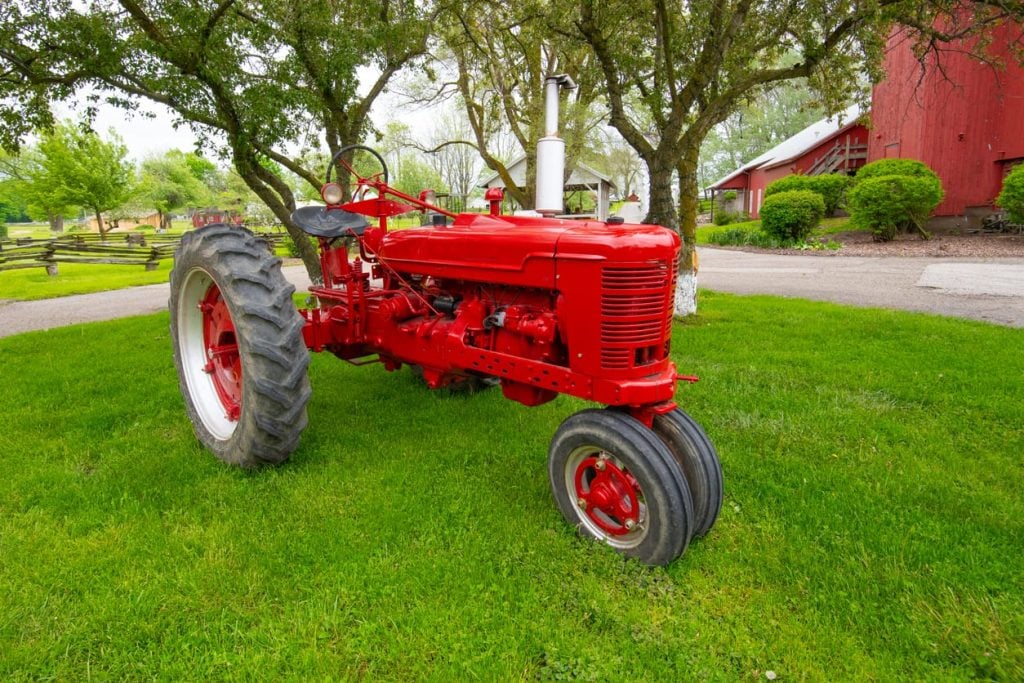
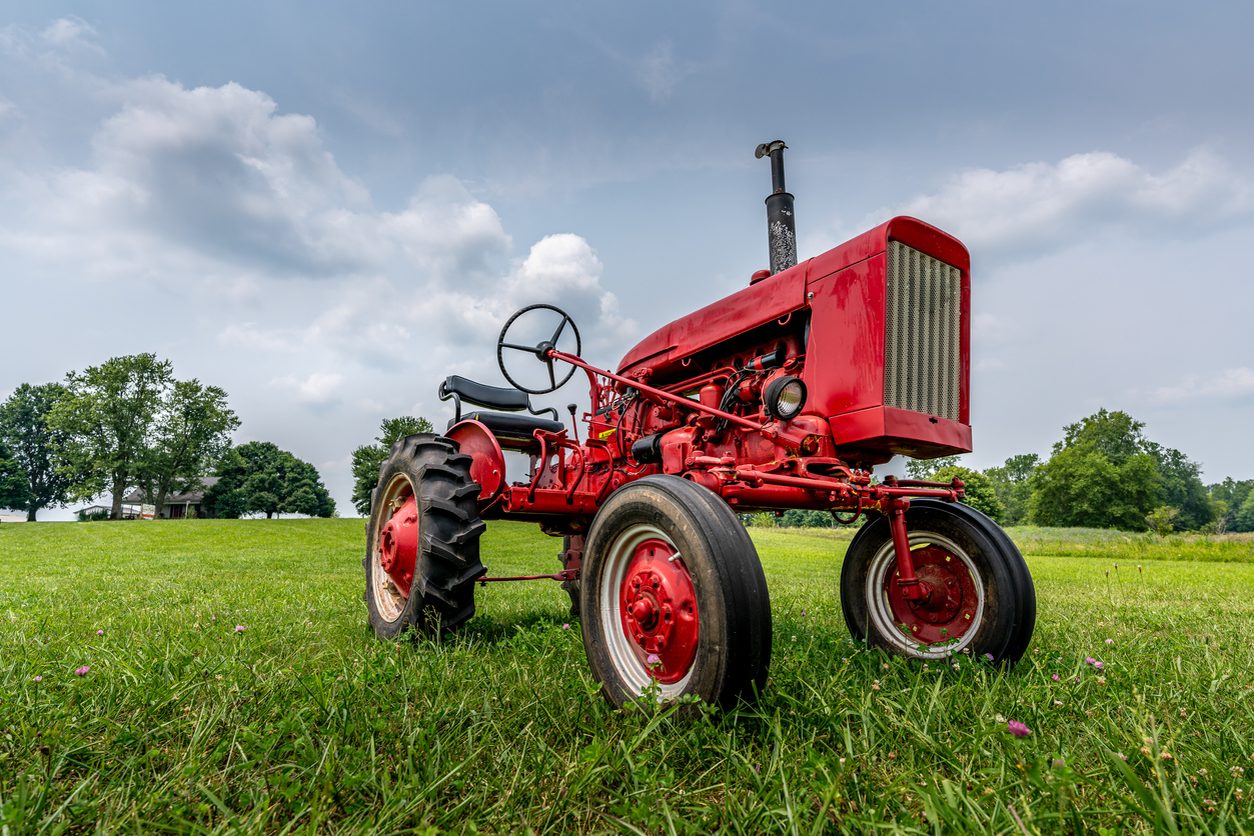
A vintage row crop tractor typically runs 3,000 to 6,000 pounds, well within what a heavy duty trailer behind a suitable truck can carry. Height with the exhaust stack and air cleaner fitted is commonly 7 to 9 feet, and both usually unbolt in minutes, which frequently brings the load comfortably inside legal height once it is on a deck.
Width is where the surprises are. Narrow front tricycle configurations are genuinely narrow, but a wide front axle set for row spacing, or rear wheels set out on their rims, can push past 8 feet 6 inches. Rear wheel spacing on many of these tractors is adjustable, and moving it in is often possible.
Open or Enclosed
This depends entirely on what condition the tractor is in.
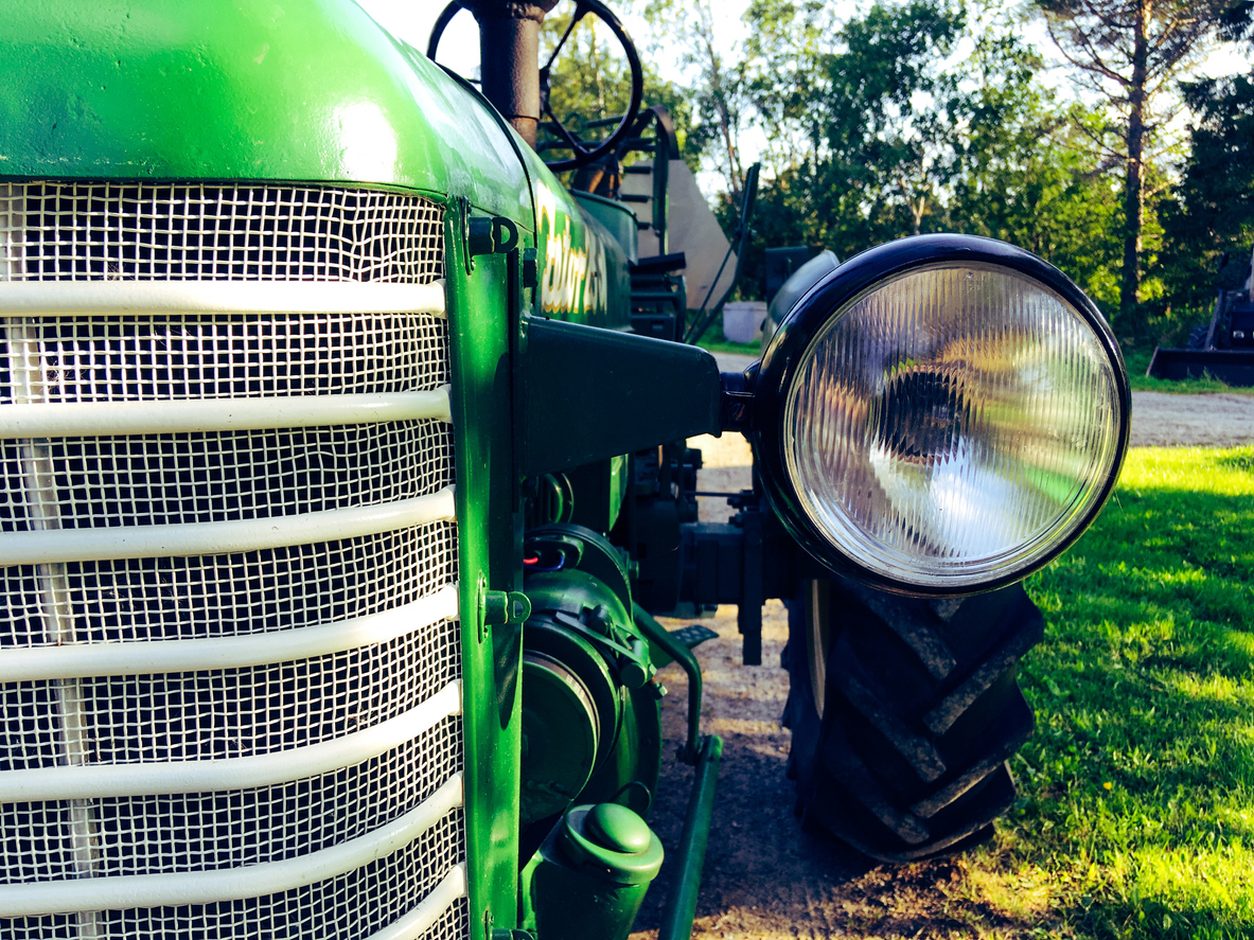
A working tractor going to a farm travels perfectly well on an open trailer, which is what most of these moves use. A show restoration with fresh paint, correct decals and rechromed trim is a different proposition, and enclosed transport protects paintwork that took a winter to get right.
An unrestored barn find generally goes open. Weather is not going to do it any harm it has not already had.
Prepare It Properly
Most of this takes an afternoon and prevents the common problems.
Drain or secure the fluids. Old fuel systems weep, old radiators seep, and a tractor that has stood for years will find a way to leak onto a trailer. Reduce fuel to the minimum, and check the coolant and hydraulic fittings.
Remove or secure everything that can move: the exhaust stack, the air cleaner, mirrors, lights, the seat if it is loose, and any implement or mounted attachment. Attachments travel separately and are quoted separately, and a mounted loader changes both the weight and the envelope.
Check the tires. Vintage tractor tires fail from age rather than wear, and a flat rear tire on a machine being winched is a real problem. If the tires are fluid filled, say so, because that adds several hundred pounds nobody can see.
Disconnect the battery if fitted, and note whether the electrical system is 6 volt, since that occasionally matters to whoever receives it.
Auctions and Shows
Most antique tractors move because of an auction, an estate sale or a show, and each has its own clock.
Auction lots allow a limited period before storage charges begin and usually need a gate pass before a driver can collect. Send the lot number, the gate pass and the site’s collection hours with the booking, plus the auction’s own description of whether it runs.
Show season concentrates demand into summer and early autumn, which is exactly when the carriers with suitable equipment are busiest. Book earlier than you would for an ordinary move.
Document It
Photograph the tractor from every angle in daylight before it is loaded, including the tires, the sheet metal, the grille and any decals or badges.
On a restored machine, close ups of the paintwork matter, because a chip on a show tractor is the whole argument. Note existing damage specifically on the condition report rather than accepting a general remark, and inspect properly at delivery before signing.
Common Questions
Does it need to run? No, but say whether it runs, rolls and steers. A non runner is winched and a seized machine needs lifting.
What does an antique tractor weigh? Typically 3,000 to 6,000 pounds for a vintage row crop machine.
Will it need a permit? Usually not, once the stack and air cleaner are removed. Wide rear wheel spacing is the thing to check.
Open or enclosed? Open for working and unrestored tractors. Enclosed is worth it for a show restoration.
Can attachments come along? Yes, but they travel separately and are quoted separately. Remove mounted implements.
Get a Quote
Call Ship A Car, Inc. at (866) 452-3657 for heavy haul and specialized freight, with the make and model, the measured width and height, and whether it runs and steers.