Shipping Heavy Equipment To and From Tennessee
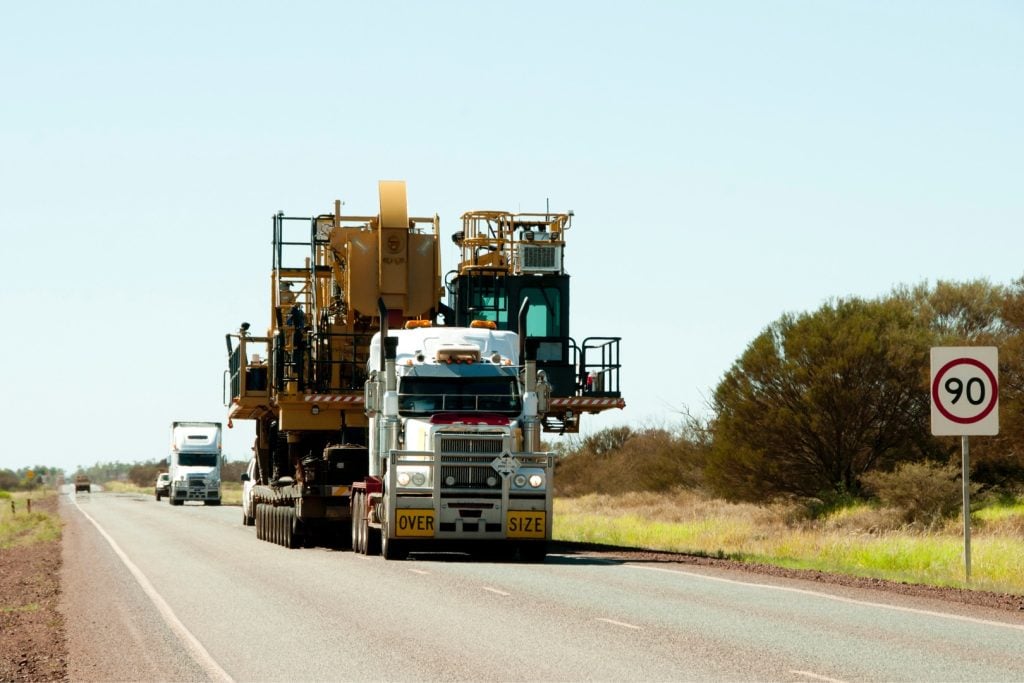
What sets the schedule: not the mileage, the permits. Anything over 8 feet 6 inches wide, 13 feet 6 inches high, or 80,000 pounds gross needs a TDOT oversize permit, and once you pass roughly 12 feet wide you add escort vehicles. Permits also carry travel-time restrictions, typically daylight hours and no major holidays. Plan the paperwork first and the driving takes care of itself.
The Corridors That Matter
Tennessee is one of the better states in the country to move equipment through, because it is crossed by four interstates that connect most of the eastern half of the US. I-40 runs the full width of the state from Memphis through Nashville to Knoxville. I-65 carries north-south traffic through Nashville toward Louisville and Birmingham. I-75 links Chattanooga and Knoxville to Atlanta and Cincinnati, and I-24 cuts diagonally between Nashville and Chattanooga.

Memphis matters for a second reason: it sits on the Mississippi River and is one of the largest logistics hubs in North America, which means barge access for equipment too large or too heavy to move economically by road. For a machine coming from overseas or heading down-river, the water leg is often cheaper than the highway.
What We Move and On What Trailer
The trailer follows the dimensions, not the machine type:
- Flatbed for anything within legal height once loaded, typically smaller skid steers, attachments, and materials.
- Step deck when the machine is too tall for a flatbed but still rolls on and off.
- Double drop or lowboy for excavators, dozers, and graders, where the well drops the deck height enough to keep the load legal.
- RGN (removable gooseneck) when the equipment needs to drive on rather than be craned, which is most tracked machinery.
- Multi-axle configurations once weight climbs past what a standard trailer can legally carry.
Give exact dimensions and operating weight when you request a quote. A machine with the boom detached is a different shipment from the same machine with it attached, and the difference can be a permit and an escort.
Insurance and Condition Documentation
Every carrier we dispatch holds active FMCSA operating authority and cargo insurance, and we confirm both before your machine is loaded. Ask for the coverage limit in writing and check it against the actual replacement value of the equipment, not its book value. For high-value machinery, that gap is where disputes happen.
Photograph the machine before loading, including hour meter, undercarriage, glass, and any existing damage. The driver documents condition too, but your own record is what settles a question at delivery.
Getting a Quote
Have ready: make and model, exact length, width, and height as it will sit on the trailer, operating weight, whether it runs and rolls, and the pickup and delivery addresses including any site access limits. Loading a dozer from a job site with soft ground is a different problem from loading it off a paved dealer lot, and saying so up front keeps the price honest.
Call Ship A Car, Inc. at (866) 452-3657 to speak with a heavy haul coordinator, or price it with our specialized transport calculator.
Permit Thresholds in Practice
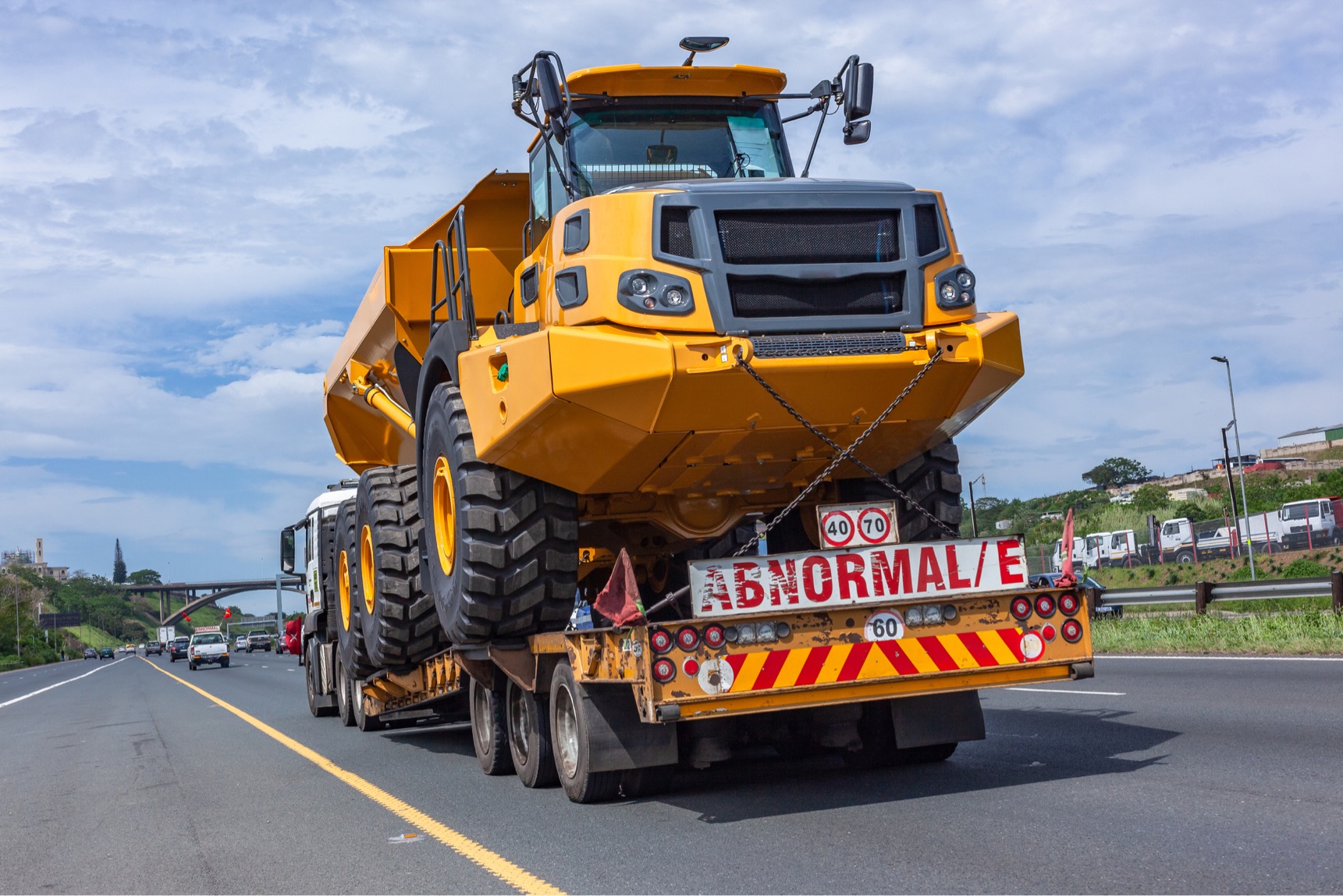
Tennessee follows the federal baseline, and the numbers are worth memorizing because they decide your cost more than distance does. A load is legal at or under 8 feet 6 inches wide, 13 feet 6 inches high, 80,000 pounds gross, and 53 feet of trailer length. Cross any one of those and you are in permit territory.
Tennessee Permit Thresholds at a Glance
What changes as you go further over:
- Up to about 12 feet wide: a single-trip permit is usually enough, with oversize load signage and flags.
- Roughly 12 to 14 feet: escort vehicles enter the picture, typically one, sometimes front and rear depending on the route.
- Over 14 feet, or unusually tall: route surveys, utility coordination for overhead lines, and occasionally law enforcement escort.
- Superload weight: bridge analysis, which takes time and is the most common cause of a multi-week lead.
Permits also carry curfews. Oversize movement is generally daylight only, restricted through metro areas at rush hour, and prohibited on major holidays. On a Nashville or Memphis delivery, those windows can determine your delivery day more than the driving time does.
Seasonal and Regional Factors
East Tennessee is mountainous. Routes through the Cumberland Plateau and toward the North Carolina line involve sustained grades that affect what a loaded lowboy can safely run, and winter conditions at elevation close the practical window earlier than the calendar does. West Tennessee is flat and straightforward by comparison.
Spring brings the other constraint: river flooding along the Mississippi and its tributaries can close secondary routes with little notice, which matters for job sites off the interstate grid.
Common Questions
How far ahead should I book heavy equipment transport? For a legal-dimension load, one to two weeks. For anything requiring permits, three to four weeks, and longer if a bridge analysis is involved. Permit processing, not truck availability, is usually the bottleneck.

Does the machine need to run? No, but say so upfront. A non-running machine needs winching onto the trailer and sometimes a second piece of equipment at the loading site, both of which change the price and the crew required.
Who is responsible for loading? Depends on the arrangement, and it should be settled before the truck arrives. Some carriers load; others expect the site to have an operator and equipment ready. An unclear answer here is the most common cause of a wasted dispatch.
What about attachments and buckets? Detached attachments often ship on the same trailer and can bring the load back within legal height. Tell your coordinator what can come off, because it sometimes saves the permit entirely.