Louisiana Heavy Equipment Shipping
Louisiana is a heavy haul state shaped by two things: the energy industry and water. The oil and gas sector generates constant demand for moving large machinery, and the Mississippi delta means bridges, weight-posted crossings and soft ground are the constraints rather than distance. Route planning matters here more than in most states.
The Legal Limits
Louisiana follows the standard federal figures, so start there.
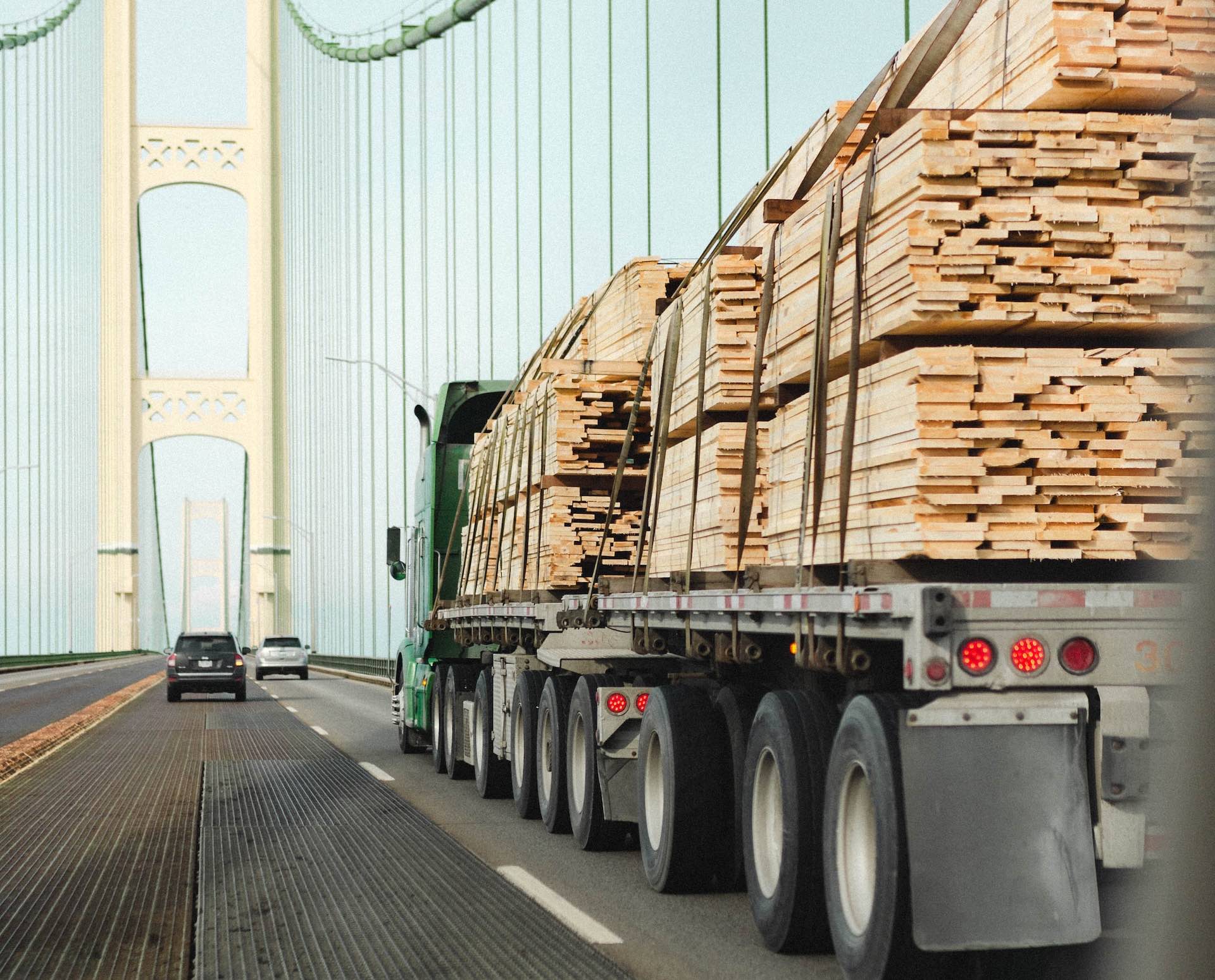
Maximum width is 8 feet 6 inches, maximum height is 13 feet 6 inches on the Interstate system, and gross weight is capped at 80,000 pounds with 20,000 on a single axle and 34,000 on a tandem.
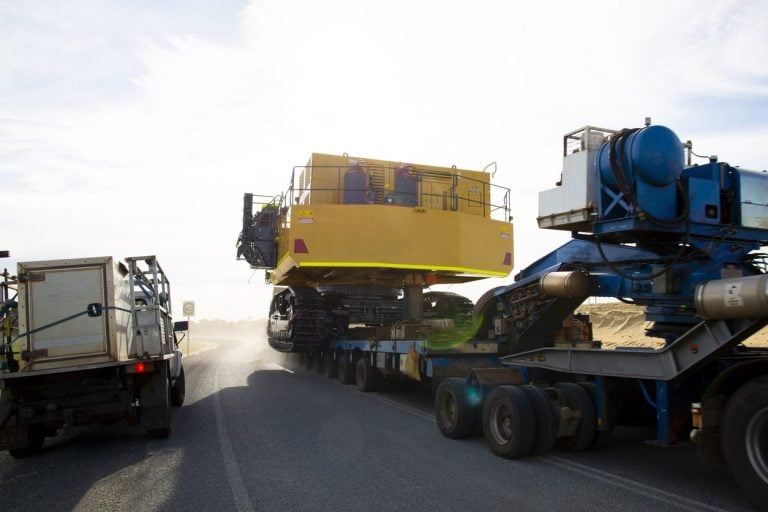
Height includes the trailer, which is what catches people out. A flatbed deck sits around 5 feet off the road, so a 9 foot machine is already at 14 feet before anybody measures the cab. A step deck buys roughly a foot and a lowboy drops it to around 18 to 24 inches, which is what gets a tall machine under a bridge legally.
Bridges and Water Are the Real Constraint
This is what makes Louisiana different from a state of comparable size.
The Mississippi, the Atchafalaya and the network of bayous mean routes depend on a limited number of crossings, and those crossings have posted weight limits. A permitted load that would run anywhere in Texas can be stopped in Louisiana by a single bridge on the only sensible road.
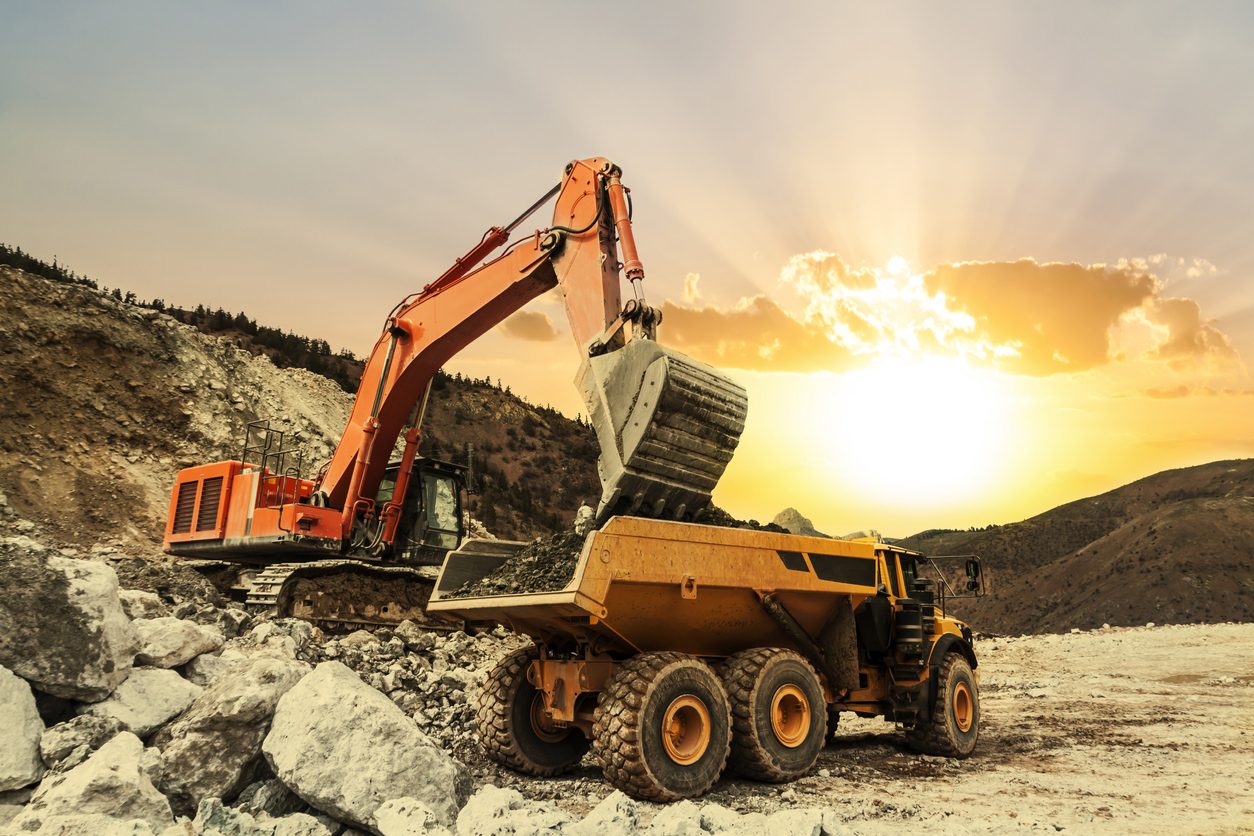
Soft ground is the other issue. South Louisiana sits on delta soil, and a loaded lowboy sinks where a tracked machine walks across without difficulty. Access to a job site frequently needs matting or a hard standing, and that belongs in the plan rather than being discovered on the day.
Plan on a route survey for anything permitted, particularly south of Interstate 10. A carrier who runs the state regularly already knows which crossings work and which do not.
Permits and Escorts
Past any of the legal limits the load needs an oversize or overweight permit from the Louisiana Department of Transportation and Development, issued against a specific machine, configuration and route.
Routine permits are normally issued quickly. Wider loads bring escort vehicles into the picture, with thresholds set by the state and varying by road type, and the largest loads require engineering review of the bridges and structures along the route.
Movement is generally daylight only on weekdays with holiday restrictions. Given how much of the state’s traffic funnels through a small number of crossings, that restriction bites harder here than in open country.
The Corridors and the Ports
Interstate 10 runs the width of southern Louisiana through Lake Charles, Lafayette, Baton Rouge and New Orleans, and it is the primary heavy haul route. Interstate 49 runs north from Lafayette toward Alexandria and Shreveport, and Interstate 20 crosses the northern part of the state.
The ports matter as much as the roads. The Port of South Louisiana, the Port of New Orleans and Baton Rouge handle enormous volumes, and a great deal of heavy equipment moves between those terminals and inland sites. Offshore energy support work through Port Fourchon and the coastal parishes generates its own steady flow.
Hurricane season, June through November, is the other scheduling factor. Permitted loads do not move in high wind, and after a storm the roads may be closed or the destination unreachable.
Choosing the Trailer
The machine picks the trailer, not the other way round, and in Louisiana the height decision carries more weight than usual because of the bridges.
A flatbed handles smaller equipment: skid steers, mini excavators, attachments and anything where combined height stays comfortably legal. A step deck lowers the deck about a foot and covers most mid size machines, and it is the workhorse of the state’s energy sector.
A lowboy or removable gooseneck drops the deck to around 18 to 24 inches and is what large excavators, dozers and cranes travel on. The removable gooseneck has a practical advantage worth paying for on soft ground: the front detaches and the machine drives on at ground level rather than climbing ramps, which reduces the risk of a loaded trailer bogging while it is being worked around.
Multi axle and stretch configurations spread weight to satisfy the federal bridge formula, which limits how much can sit within a given axle spacing regardless of whether the gross figure is legal. On a state where posted bridges decide routes, that arithmetic frequently determines which crossings are available to you at all.
Preparing the Machine
Give an accurate weight from the manufacturer’s specification or a certified scale, and include everything traveling with it: counterweights, attachments, full tanks and fluid filled tires all add weight that is invisible from outside. Give measured width and height rather than brochure figures.
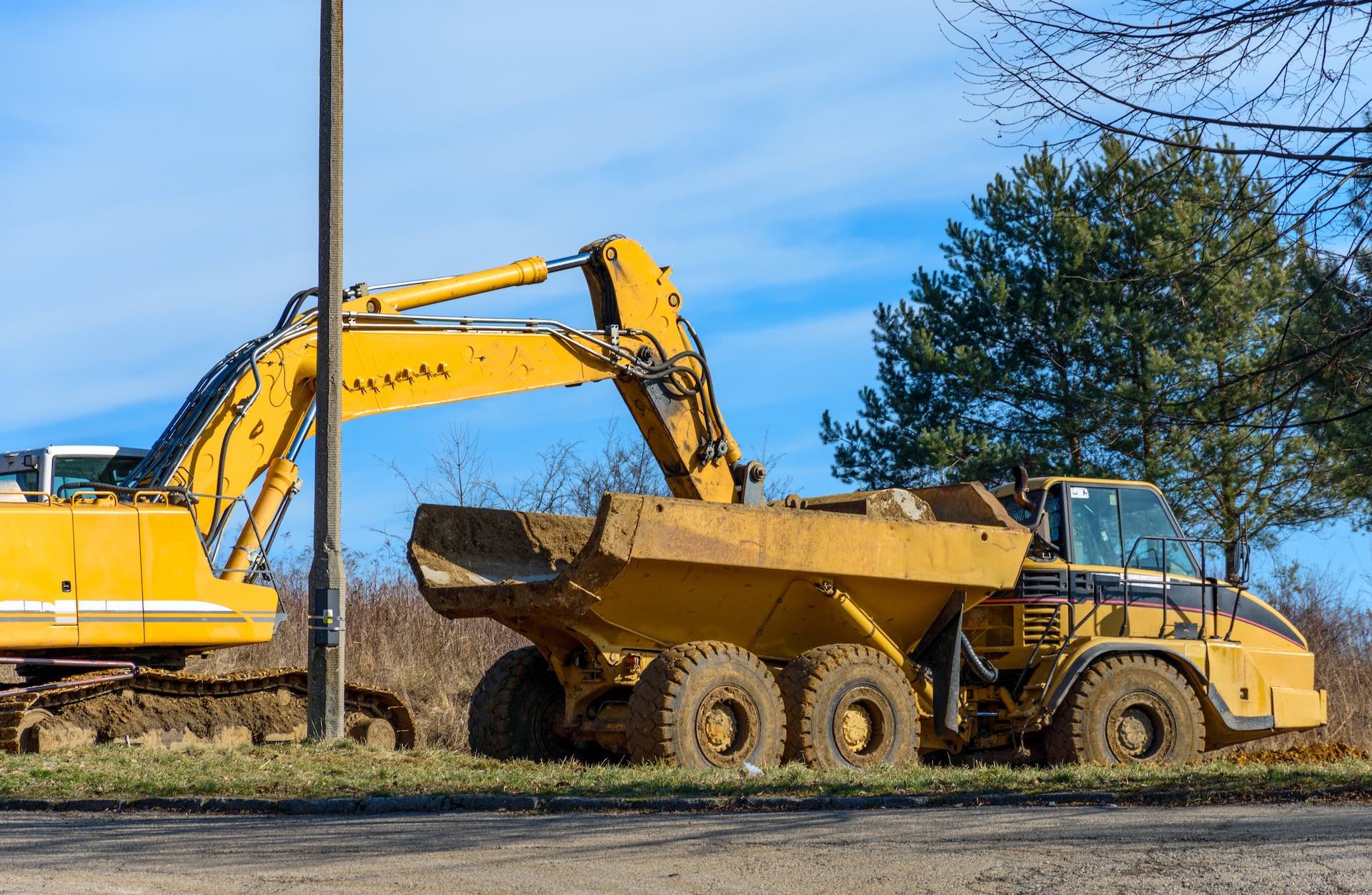
Then reduce the envelope where you can. Removing a bucket, folding an arm or swapping wide pads can bring a load under a threshold and save a permit, an escort and the routing restrictions that come with both.
Clean the tracks and tires properly, since carried soil is weight you are paying to haul and a road hazard. Secure or remove loose items, check for leaks, and photograph the machine in daylight from every side including the undercarriage and the hour meter. Get existing damage described specifically on the bill of lading. Our guide to wide and oversize loads covers the permit rules in detail.
Common Questions
What makes Louisiana difficult for heavy haul? Bridges and water. Routes depend on a limited number of crossings with posted weight limits, and delta soil is soft.
When do I need a permit? Past 8 feet 6 inches wide, past the applicable height limit, or over 80,000 pounds gross or any axle limit.
Do I need a route survey? For anything permitted, particularly south of Interstate 10, yes. A single posted bridge can stop an otherwise legal move.
Does hurricane season affect heavy haul? Yes. Permitted loads do not move in high wind, and afterwards roads may be closed or sites unreachable.
Can I reduce the cost? Frequently. Removing a bucket or swapping pads can bring a load under a threshold and remove the permit and escorts entirely.
Get a Quote
Call Ship A Car, Inc. at (866) 452-3657 for heavy haul and specialized freight with the machine’s make and model, its operating weight, its measured width and height, and the access at both sites, or price it with the specialized transport calculator.