Heavy Equipment Shipping in Connecticut
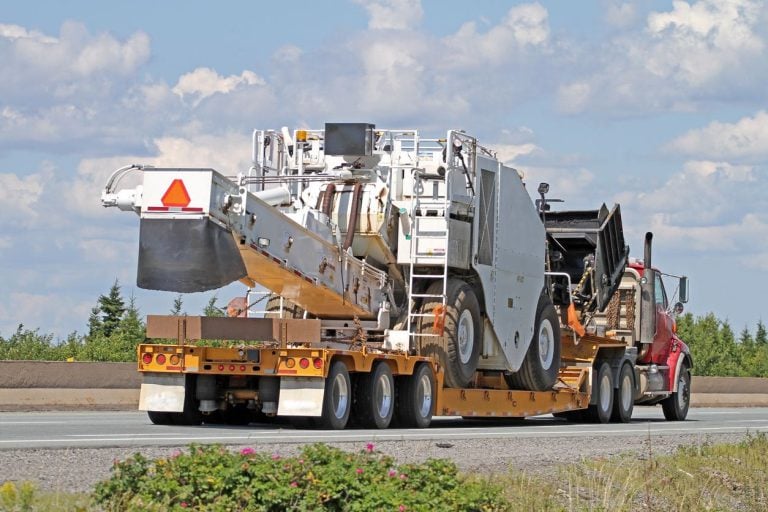
In Connecticut the hard part is never the distance. It is finding a legal route. The state is small enough to cross in under two hours, but its parkways are closed to commercial traffic, its I-95 corridor is among the most congested in the country, and an oversize load needs a permit that specifies exactly which roads it may use and when. Get the routing and the permit right and a Connecticut move is straightforward. Treat it as a short trip and you will find out why it is not.
The Parkways Are Not an Option
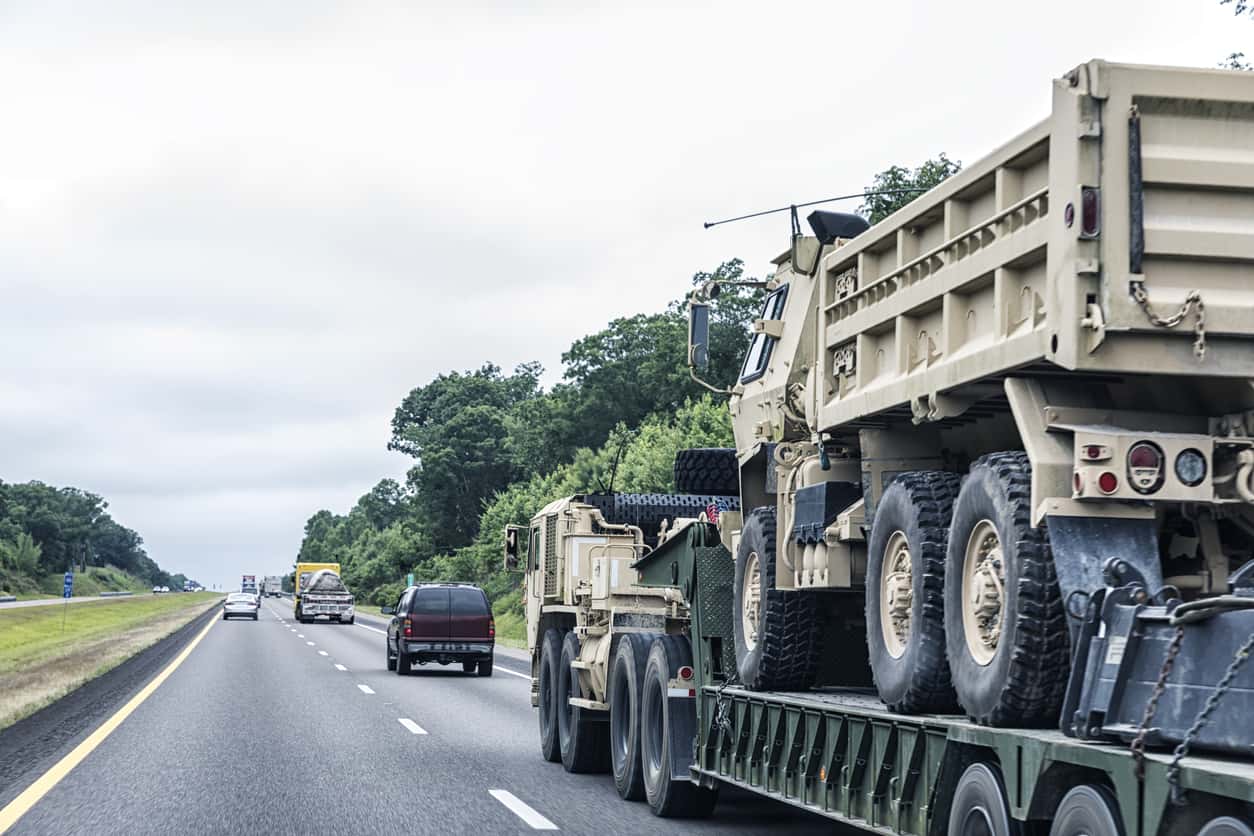
This catches people who know Connecticut as drivers rather than as shippers. The Merritt Parkway and the Wilbur Cross Parkway, which together carry Route 15 across the southwest of the state, are closed to commercial vehicles. They also carry historic stone arch bridges with clearances well below what a loaded lowboy needs.
That takes a major diagonal off the map entirely. Heavy loads move on I-95 along the shoreline, I-91 up the Connecticut River valley, and I-84 across the middle, and any route between them has to work with those three.
The practical effect is that a job which looks like 40 miles on a map can be a 60 mile permitted route with a specific sequence of interchanges. That is normal here, and it is why the routing conversation happens before the price conversation.
Permits and When a Load Can Move
Anything over standard legal dimensions needs an oversize or overweight permit from the state, issued for a defined route and a defined period. Typical thresholds are 8 feet 6 inches wide, 13 feet 6 inches high, 53 feet long for the trailer, and 80,000 pounds gross, and exceeding any one of them puts you into permit territory.
Permitted loads generally move in daylight on weekdays, with restrictions around holidays and peak commuter periods. Wider or heavier loads add escort vehicles, and the largest add police escorts and route surveys. Because permits are route specific, changing the destination usually means a new permit rather than an amended one.
Build that into your schedule. Standard permits are often quick, but a superload with a bridge analysis is measured in weeks, not days. Give us the dimensions and weight early and the permitting can run while everything else is arranged.
Measure the Machine, Not the Model
The single most common cause of a failed heavy haul booking is dimensions taken from a spec sheet rather than from the machine in front of you.
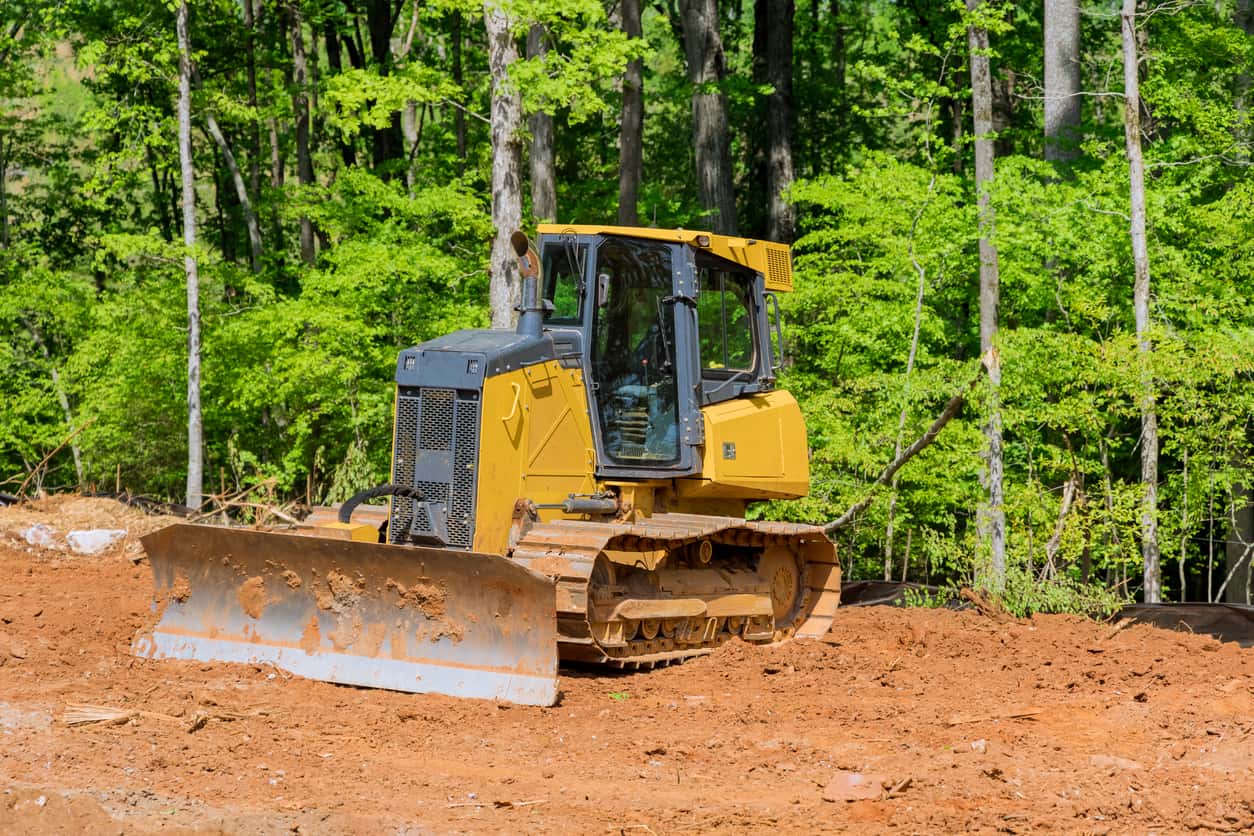
Measure as the machine will actually travel: overall length including any attachment, width at the widest point including tracks or dual tires, height to the top of the cab or stack, and the real operating weight with fluids and any counterweight fitted. Two machines with the same model number can differ substantially once buckets, blades, ripper teeth or aftermarket cabs are involved.
Where the machine can be reduced, say so. Removing a bucket, folding a boom, lowering an exhaust stack or dismounting a counterweight can bring a load back under a threshold, and that can be the difference between a routine permit and an escorted move.
Trailer Types and What Goes on Them
Which one you need follows from the measurements, which is another reason to get those right first.
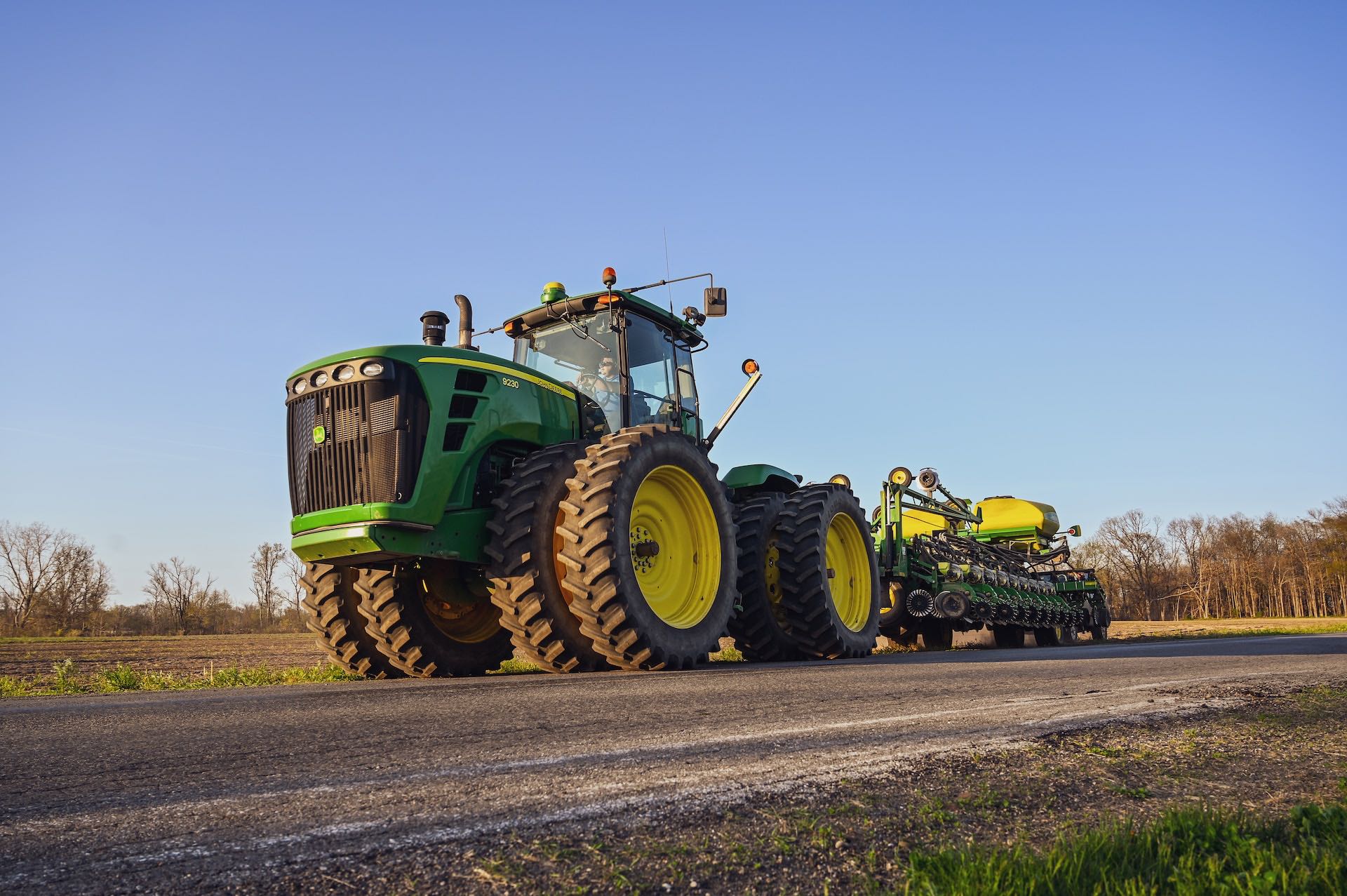
Preparing the Machine
Loading is where most damage happens, and a machine prepared properly loads in minutes.
Secure or remove loose attachments, lower and pin booms and blades, drain or reduce fuel to the level the carrier asks for, and lock or immobilize anything that can swing. Clean off mud and stones, both because they hide existing damage and because debris falling from a load on I-95 is a serious matter. Provide keys and tell the driver anything unusual about starting or moving it.
Photograph the machine from every side before loading, including the undercarriage and any glass, and walk it with the driver so existing damage is written down before it moves.
What Drives the Price
Distance matters least here. Weight, width, height and the permit that follows from them matter most, along with escort requirements and site access at both ends. A machine that has to be loaded from a soft or sloped yard, or delivered to a site with no room to turn, costs more than the same machine on hard standing.
Tell us what both ends actually look like. Site access is the detail most often left out of a request and the one most likely to change the number.
Common Questions
Can loads use the Merritt Parkway? No. It is closed to commercial vehicles and the bridges are too low. Routing goes via I-95, I-91 or I-84.
How long do permits take? Routine ones are quick. Superloads needing bridge analysis and escorts take considerably longer, so start early.
Do you move non running machines? Yes, with winching or loading assistance. Say whether it rolls and steers.
Can you handle multiple machines? Yes, and moving a fleet together is usually more efficient than separate bookings.
What do you need to quote? Make, model, real dimensions and operating weight, both addresses, and what the access looks like at each end.
Get a Quote
Call Ship A Car, Inc. at (866) 452-3657 for heavy haul and specialized freight, with your dimensions, weight and both site addresses.